Wildlife Management
5 Quality Deer Management Activities for February
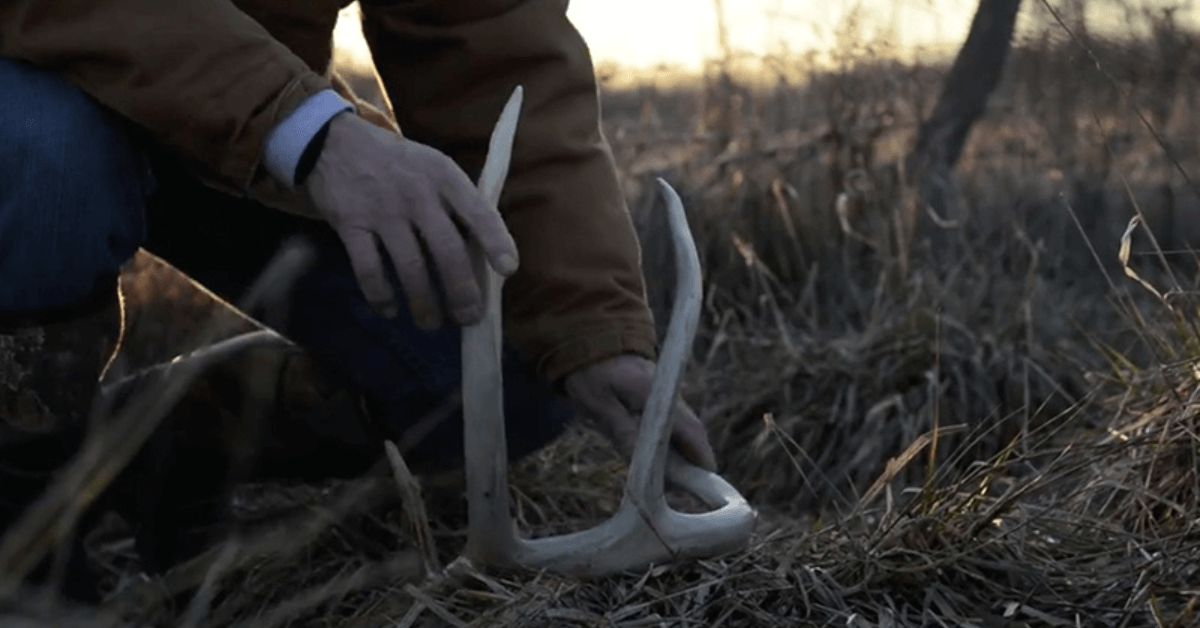
Dan Perez once owned a 110-acre farm called Big Buck Acres, which consistently produced trophy whitetails. Now, most people don’t believe that such a small tract can grow and hold four-, five- and six-year-old bucks year after year. BBA’s track record, however, proved much different. Dan worked hard to improve the farm. He strategically used the lay of the land to his advantage while constantly thinking of ways to make it better, and that's why the farm yielded two to three trophy bucks each season, despite its size.
As soon as the deer season would end, Dan got to work preparing for the next. It’s not all work though. Naturally, the deer hunting gets better every year, but that's just a by-product of what really matters: he maintains a close connection with the land, the wildlife there, and the time he gets to spend in the great outdoors with friends and family. That’s a heck of a way to spend the offseason starting in February.
1. Scout
Find secrets of a season yet to come.
“Experience has taught me next season’s deer hunting success hinges on this winter’s scouting expeditions,” said Dan. “That big buck that gave you the slip during the late season is still in his post-rut pattern, using the same travel routes and displaying many of the same habits as he did during late season.”
Dan’s post-season scouting trips revolve around entering a buck’s core area, usually a no-no other times of the year. He walks as much of this area as possible and notes travel routes, especially those passing through pinch points or funnel situations. He locates secondary food sources, which are more likely to be used by pressured bucks during daylight.
A key benefit to scouting during this time is that the timber is leafless and the ground barren of dense underbrush, providing optimal visibility. Broadleaf trees and heavy underbrush can no longer hide clandestine big buck refuges.
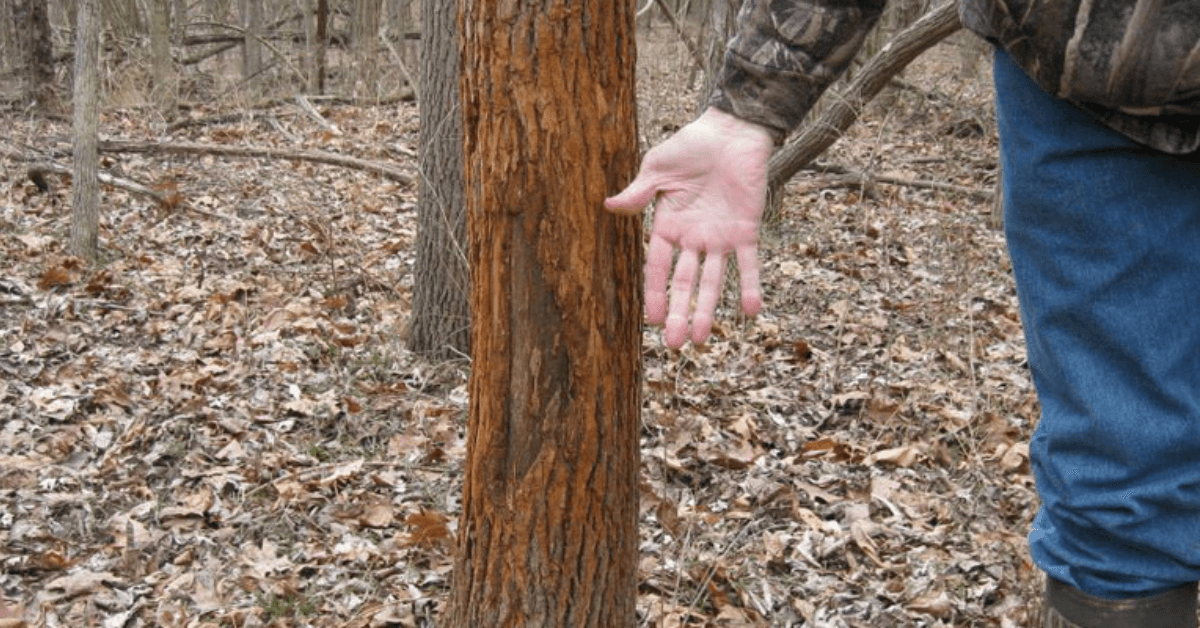
“Naked of cover, Mother Nature now reveals the entire lay of the land,” said Dan. “Every deer trail, bedding area, travel corridor and possible funnel situation is easily recognizable. The rubbed trees that stood their ground, now stand out like red and yellow markers; old scrapes resemble hog wallows and deer tracks are sunk deep into the soft snow and thawed ground.”
Post-season scouting results in a trove of information that will be helpful in planning next year’s season. And hey, while you’re out there, look for the year’s first shed, which brings us to the next pursuit.
2. Shed Hunt
Look for some brown gold.
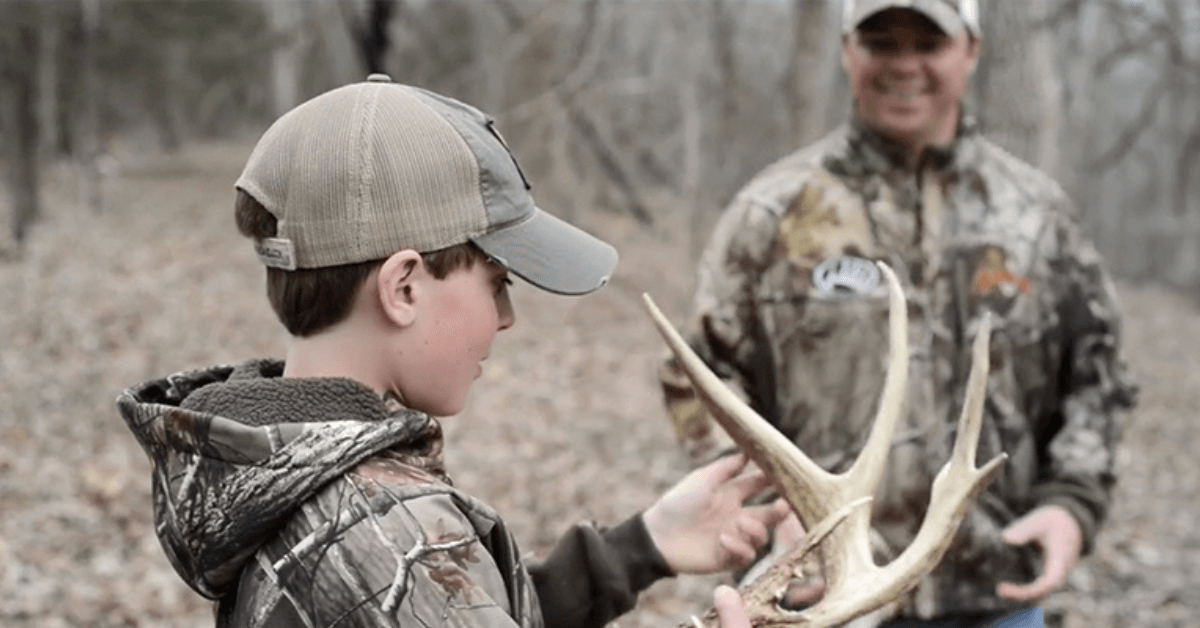
There are so many benefits to hunting antlers. A few of them are learning about deer movement on your farm, harvesting some cool interior decorations for the cabin and getting confirmation of which bucks survived the season. That’s just scratching the surface. For Dan, shed hunting is a family event, one where his grandkids get to discover their hunting and gathering instincts.
“My whole family is going to be out there looking for sheds,” said Dan. “It’s a really big thing to have the grandkids out there because when they are looking for those sheds, they are no longer looking at their cell phones. It does my heart good when they are wandering through the woods looking for antlers. What’s so cool about that is the little predator that was born in them comes out when they are in the woods.”
Shed hunting is a great time to introduce someone to the outdoors for the first time.
“A lot of people don’t even realize how much they love the outdoors until they are actually in the outdoors,” continued Dan. “I just love to be out in nature and walking, and if I find an antler, that’s icing on the cake. If I can share a wonderful day in God’s country with friends and family, that’s huge for me – even bigger than the icing on the cake.”
3. Coyote Hunt
A key component of managing the deer herd is controlling coyotes, bobcats and other predators. Studies have shown coyotes kill more fawns than wolves, bobcats or bears. Now that deer season has faded, it’s time to start thinking about hunting coyotes. While coyotes are more visible and easier to hunt with calls and decoys during February, a management strategy needs to include a persistent plan to keep them at bay.
4. Hinge Cut Trees
Build a bedding area.
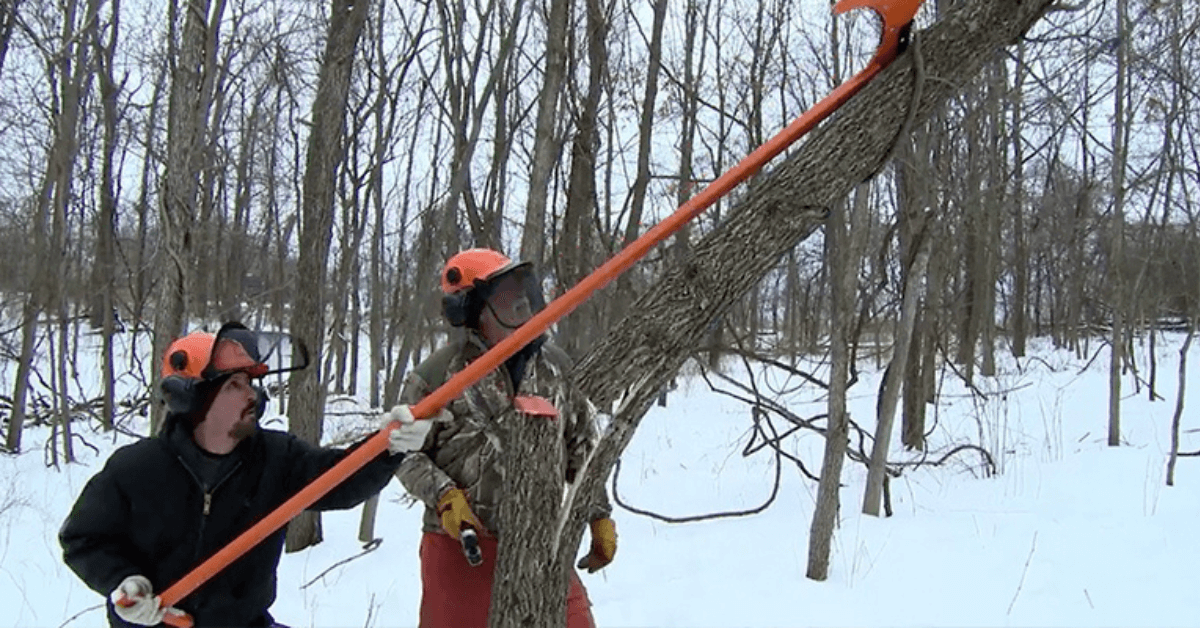
There are a lot of benefits to hinge cutting, but Dan Perez focuses on the benefits it gives his whitetail herd.
“One of the things I like the most about hinge cutting is creating a habitat that is very conducive to sanctuaries,” said Dan. “It gives deer a lot of security.”
Hinged-cut trees can also be used to create funnels. If that is the goal, cut the hinge a little lower, about knee high so deer can’t get under it. For bedding areas, cut at chest height to create a canopy where deer can get under.
You’ll be amazed at the thick cover that sprouts from a few hinged-cut trees.
“When the trees are laying horizontally, it opens the canopy so more sunlight comes into the forest floor and builds that understory so it’s thick,” said Perez. That’s even more cover. It builds a thick brushy area with more tangles. It’s thick and nasty and that’s where those big bucks live and hide.”
Safety is always the most important issue when using a chainsaw and standing around falling trees.