Wildlife Management
How Conservation Easements Work for Landowners
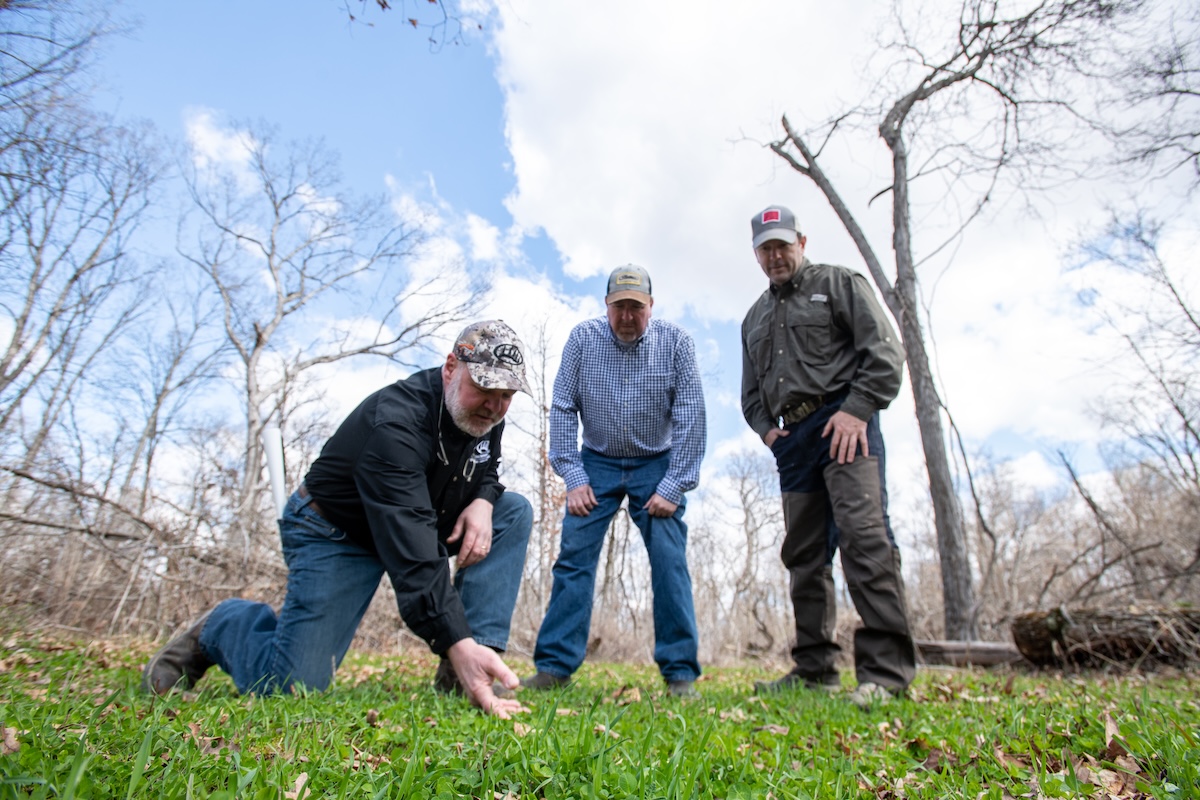
CRP, CREP, EQUP, WRP, and more. What are these? Why should landowners care? What is the Conservation Reserve Enhancement Program (CREP)? Who qualifies for these conservation easement programs? These are big-time questions that require solid answers.
Conservation easements are major components of the modern habitat and wildlife management landscape. But how do conservation easements work? What are the pros and cons of conservation? Read on for this and more.
Editor’s Note: This is not financial, investment, legal, or real estate advice. Consult with a financial planner, investment specialist, real estate lawyer, and real estate professional before buying or selling real estate.
What Is a Conservation Easement?
A conservation easement is a voluntary legal agreement between a landowner and a government agency or conservation-focused trust. These trade off cash payments to incentivize landowners to cease certain agricultural practices, such as planting crops, running cattle, etc. This preserves the natural habitat and wildlife species on the local landscape.
By agreeing to conservation easement terms and conditions, landowners give up certain rights on the property. Some of these include building structures, mining fossil fuels and rare-earth minerals, implementing agricultural practices, and more.
To recap, the most important elements to remember include governmental involvement, voluntary enrollment, and a decision to sign on for term easements or perpetual easements. Per the names, term easements last a set duration of time (e.g.: five, 10, or 15 years). Perpetual easements remain with the property permanently and remain with the land (deed) forever.
Key Benefits for Landowners
Buying land with a conservation easement comes with a series of key benefits for landowners. Some of these include tax deductions, estate tax relief, property tax reductions, land legacy, and much more. (Note: Consult your CPA, tax lawyer, or other tax expert regarding any tax, legal, or financial decisions.)
Tax Deductions: Benefit from federal and state income tax savings from the charitable donation of the easement value. According to most sources, the deduction value is equal to the drop in property market value lost to the permanent restrictions.
Estate Tax Relief: Conservation programs can sometimes assist with lowering estate taxes so heirs can keep the family farm or ranch. This is accomplished by completely and permanently removing development rights from a piece of land. It restricts uses, minimizes property value, decreases taxes, and more. Interestingly, it can be a welcomed decline in property valuation.
Property Tax Reductions: The reduction in property value can also directly lead to potential decreases in local property assessments. This makes annual tax payments lower and much more affordable.
Land Legacy: This route can help protect family land from future unwanted development. It can discourage developers, major investors, and sharks that can wreak havoc without thought for others in lucrative real estate situations.
Injecting Needed Cash: Entering into a conservation easement agreement can inject much-needed cash relatively quickly. This can assist with many things, including paying off debt, buying out partners (or other family members), acquiring more ground, purchasing needed equipment, and much more.
Remember, tax laws change frequently. It’s important to stay up to date with each new edition of or change to the tax code. Consult with CPAs and attorneys as needed for clarification.

What Rights Do Landowners Give Up? What Do They Keep?
Once conservation easements go into effect, landowners give up certain rights but retain others. Oftentimes, rights lost include commercial development, industrial use, mineral mining, property subdividing, vast timber harvests, and more. In contrast, rights oftentimes retained include living on the land (farming and ranching). Plus, selling or passing the land down to children or other family and friends. As well as hunting, fishing, and other approved recreation types. Of course, privacy rights also remain intact, unless public access is part of the original agreement.
According to the Farm Service Agency (FSA), certain programs encourage farmers and landowners to participate in long-term conservation contracts. Generally, this involves removing environmentally sensitive land from agricultural production. Instead, it requires implementing conservation practices.
Basic Step-by-Step Process to Establish an Easement
Those interested in the conservation easement route should focus on the step-by-step process to establish one. While there are many additional sub-steps, the following is the natural flow of this endeavor.
Step 1: Assess your land and personal goals.
Step 2: Find a qualified local or national land trust.
Step 3: Get a professional land appraisal to find the easement value.
Step 4: Draft the legal agreement with your land trust and lawyers.
Step 5: Finalize and record the easement with the appropriate group.
Potential Drawbacks and Considerations
There are potential drawbacks to entering into easements. With perpetual easements, many experience permanent loss of future development value. That’s something some landowners refuse to give up.
Plus, don’t forget about ongoing restrictions for future buyers of the property. This is something that lives forever, meaning it will always remain part of the parcel’s deed.
Additionally, there are plenty of costs in legal fees, appraisals, and baseline reports. This is a highly nuanced part of landownership, and you don’t want to botch the execution and leave a few fine-print lines up to chance.

Capitalizing on Land That Doesn’t Produce Well
As part of the easement deal, participants receive annual rental payments, or a one-time lump sum. Furthermore, benefit from cost-share assistance, which comes from establishing conservation practices. Oftentimes, other financial incentives are in play, too.
“These are programs for landowners to enroll land that might not be suitable for their agriculture needs,” Brady continued. “They can put it back into good native and wildlife habitat. It can also help stop erosion issues. It puts it back into useful landscape for wildlife with habitat value and overall enhancement of the property.”

Work With a Whitetail Properties Land Specialist
Need assistance buying and selling land? Require some help, direction, or a bit of advice for conservation easements? Contact your local Whitetail Properties Land Specialist for a summary of how easements protect land and offer financial relief. It’s an opportunity that many landowners can’t afford to pass them by.
Remember, as part of the easement deal, participants receive annual rental payments. Furthermore, they benefit from cost-share assistance, which comes from establishing conservation practices. Oftentimes, other financial incentives are in play, too.
“There are a lot of conservation programs,” Bradley said. “I do a lot with state programs, which the actual state has money for. Another program includes the Conservation Reserve Program (CRP), but that doesn't have the same conservation enhancements. There is the CSP program, which is if you've already done some work on your properties. EQUP is another big one. And the Wetland Reserve Program (WRP) is a great program, which is more of a long-term wetland project. Overall, there are quite a few for landowners to pick from. It just depends on your land and overall goals for the property.”
For those still unsure of how conservation easements work, and who need assistance to navigate the unclear waters of these programs, contact your local Whitetail Properties Land Specialist today.