Farm & Ranch
No-Till Farming 101: What Every Landowner Should Know
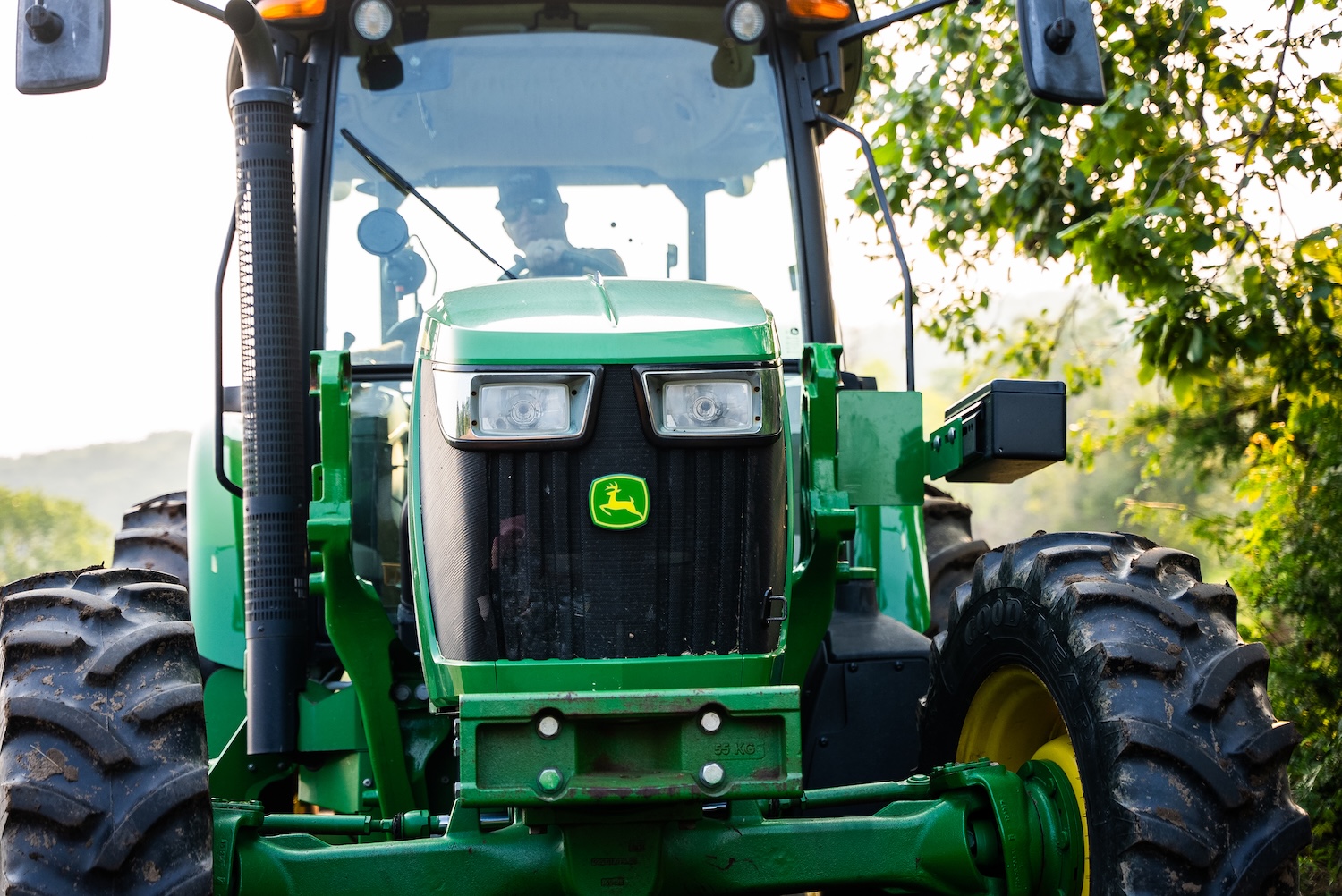
No-till farming is a modern implementation of agricultural practices. Following the concept of minimal to no tillage, crops are still planted. It comes with an array of benefits but also has its drawbacks. Read on to learn more about no-till drills and how to use these advanced farming implements.
A Discing, Plowing, and Tilling Warning to Heed: We’re Losing Far Too Much Soil
Despite the many benefits of tilling and discing soil, there’s a warning we should heed. In many areas of the country, we’re losing soil at rapid paces. Although it might seem insignificant, soil carried away by wind decreases the top soil depth at alarming rates. More is carried away by water.
Each year, 36 billion tons of soil erode globally. The U.S. corn belt alone has lost approximately 1/3 of its top soil to tillage. This agricultural practice results in nearly 2 mm of lost topsoil each year. Given that it takes decades for top soil to form, and accumulating only 0.1 mm per year, it isn’t replaced at nearly the same speed.
As a result, in the past 150 years, the planet has already lost approximately half of the top soil needed to produce viable plant growth. That’s a problem few are addressing. We must start transitioning toward better practices, such as no-till farming and the use of cover crops. Read on to learn more.
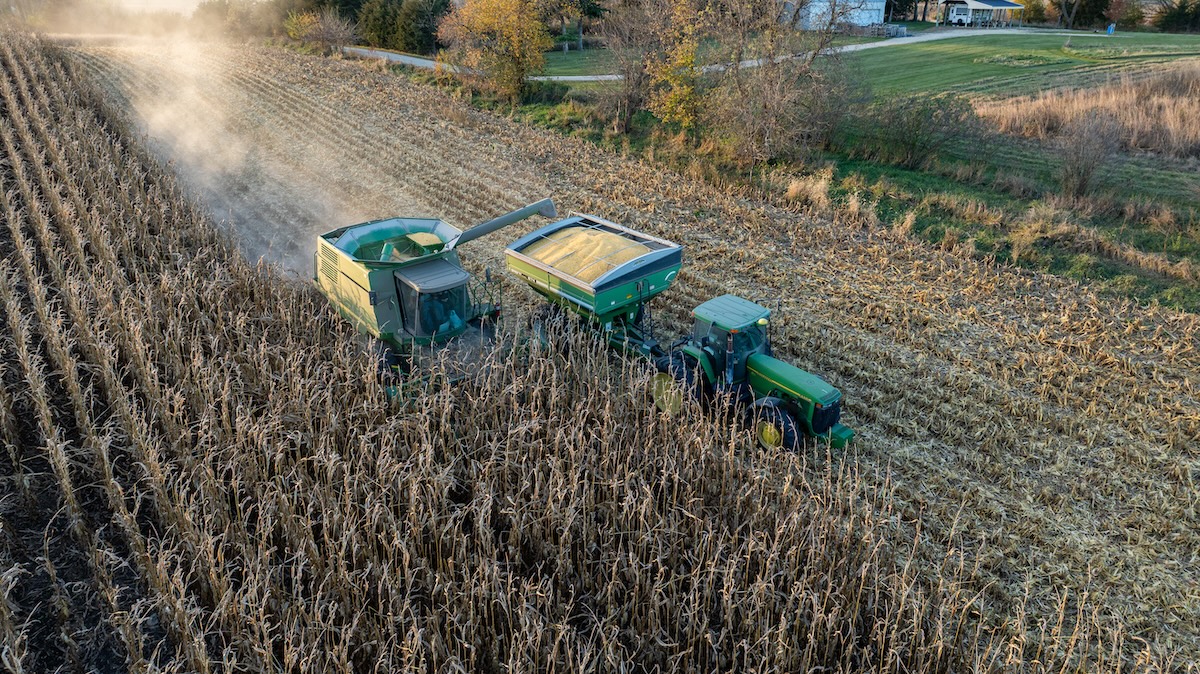
What Is No-Till Farming?
The implementation of non-tillage farming is the deployment of no-till cultivation. This form of no-till agriculture operates without the use of tilling, discing, and other means of turning soil. It is an effective means of preparing ground and planting crops without soil disturbance.
Specialized planters use either row cleaners or blades to make way for the planter. The unit then cuts a narrow, shallow trench into the ground. It plants the seed, covers it with soil, and repeats.
Historically, no-till coulters assisted (and sometimes still do) with this process. These are sharp blades along the front of the planter that rotate and aid in clearing a path for the planter. Today, most planters use row cleaners to clear a path of direct access to the soil.
Both methods absorb the initial contact (reducing wear on the planter), push away or slice through leftover crop stalks (and other residues), break through the hard soil surface, and slightly open the ground for the planter to complete its work. Ultimately, these machines allow for good seed-to-soil contact, prevent debris from being pushed into the planting trench, and more.
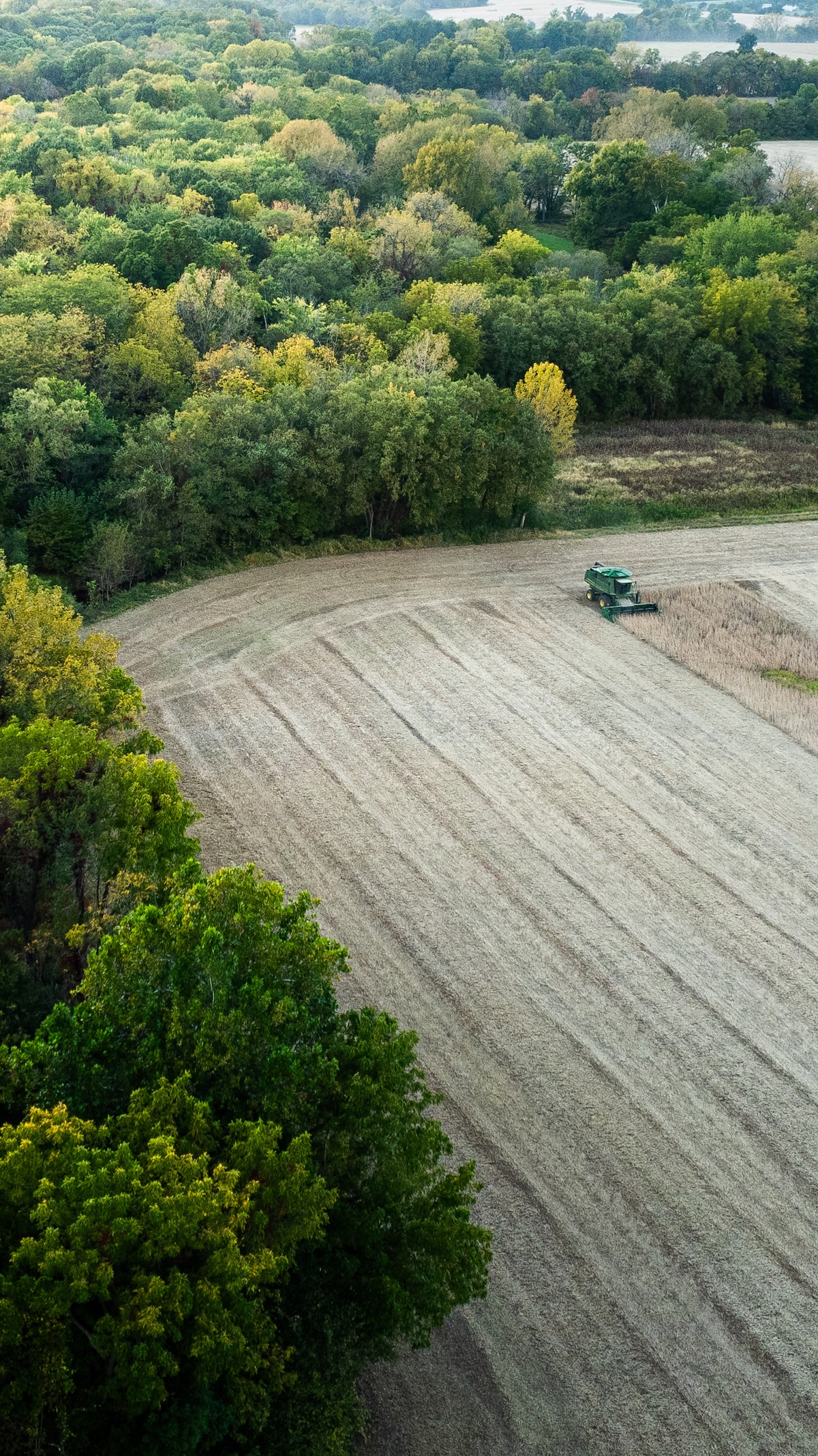
What Are the Key Principles of No-Till Agriculture?
The basic idea behind no-till farming is minimized soil disturbance. The mechanical implementation of no-till ag is a fraction of what takes place with plowing, tilling, and discing. The ground remains intact, yet the seed is effectively sown. Interestingly, it mirrors natural “planting” cycles found in nature. Of course, this practice requires zero tillage. This removes discs, harrows, and plows from the agricultural equation.
Tilling vs. No-Till Drilling: Pros and Cons
Those new to farming or who aren’t farming their own agricultural property and lease to other farmers, should inquire about available farming practices. From a crop perspective, one discussion is whether tilling, no-till practices, or a mix of the two, are being used.
Without question, tilling has its benefits. Tilled soils warm up faster in the spring. This allows for earlier planting dates. With the retained moisture and surface debris, un-tilled ground takes longer to warm, leading to delayed planting.
Weed control is another factor. Plowing, tilling, and discing breaks up the soil surface. It “turns” the dirt over and sends surface weeds underground. This is an effective means of weed management. Without it, farmers must use cover crops and herbicides to suppress plant competition. Additionally, crop rotation is necessary for breaking up disease cycles.
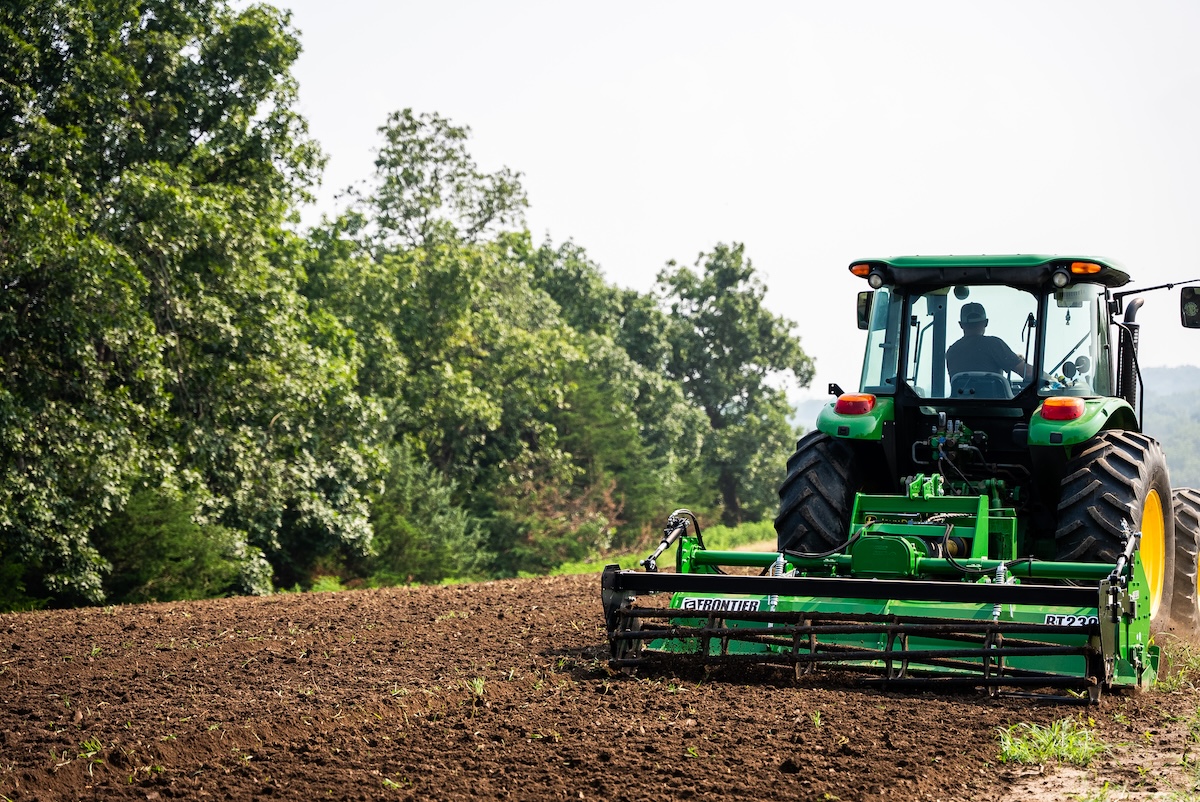
What Are the Benefits of No-Till Planting?
There are many benefits of using the no-till planting method. These include consistent seed depths, no displaced soil, intact soil biological networks, reduced soil and plant disease, less equipment and maintenance, water conservation, saved time and money, and more.
Consistent Seed Depths: Modern no-till planters are highly adept at delivering consistent seed depths. These rarely plant seeds too shallow or too deep for effective germination.
No Displaced Soil: No-till drills do not displace soil. This planting technique also leaves the crop debris and residues from previous years on the top of the ground. This builds organic soil matter. It also improves soil health.
Intact Soil Biological Network: Because the soil isn’t disrupted, the natural biological network in the ground remains intact. This allows good bacteria, fungi, and insects (especially earthworms) to flourish, effectively improving the crop.
Reduced Soil and Plant Disease: The lack of soil turning reduces some soil and plant diseases. This leads to healthier crops and fewer crop failures.
Less Equipment and Maintenance: Because no plowing, tilling, or discing is required, less equipment is needed. This also results in less maintenance. Save that money for other things.
Water Conservation: No-till ag is synonymous with water conservation. By leaving the soil bank intact, it conserves moisture by holding it in the ground and decreasing evaporation rates.
Saving Time and Money: The no-till ag process saves time and money. It saves time due to fewer passes over the same stretches of ground. It saves money because less equipment is needed, less fuel is burned, and more.
Using No-Till Drills to Plant Food Plots
Many modern deer hunting land managers are using no-till drills to plant food plots. The benefits remain the same as those enjoyed in the agricultural world. Of course, the equipment used is much smaller. Compact models, such as those offered by Firminator, provide food plotters with effective means of “minimal till” planting, especially in tighter spaces. The RTP Genesis Series is a true no-till drill.
No-Till Drill Blades vs. Row Cleaners
Historically, coulter blades were the preferred method along the bottom front end of the no-till drill. Now, row cleaners are much more common.
With the former, there are several blade styles used with no-till drills. Various coulter blades are best suited for different tasks and soil types. These include bubble, fluted, ripple, and smooth (notched) blades.
Bubble blades make narrow trenches. These have a square profile and allow for effective seed placement.
Fluted blades are often referred to as 8-wave, 13-wave, etc. These create a gentle fracture through the seeding zone. This “pulverizes” the dirt and optimizes seed-to-soil contact.
Ripple blades (i.e.: 25-wave) deliver light soil disturbance. Typically, these are used to slice through light residues without creating clods in softer soils.
Lastly, smooth (notched) blades offer minimal ground disturbance. It cuts through residue but does not act as a tiller or soil disturber.
So, why have most agricultural professionals shifted to row cleaners? In short, efficiency. Running depth is a notable issue as well. If they run too deep, it can lead to uneven planting depths. Additionally, necessary downforce can lead to bouncing, which impacts the rest of the planter and creates uneven seed planting depths or spacing. Of course, given the blade structure, these must be regularly sharpened, which creates more maintenance work.
Is No-Till Farming Right for You or Your Land?
Everyone must decide for themselves whether or not no-till drill agriculture is right for them. Weigh the pros and cons, assess your goals, and decide accordingly.