Wildlife Management
When to Plant Food Plots for Deer in Summer
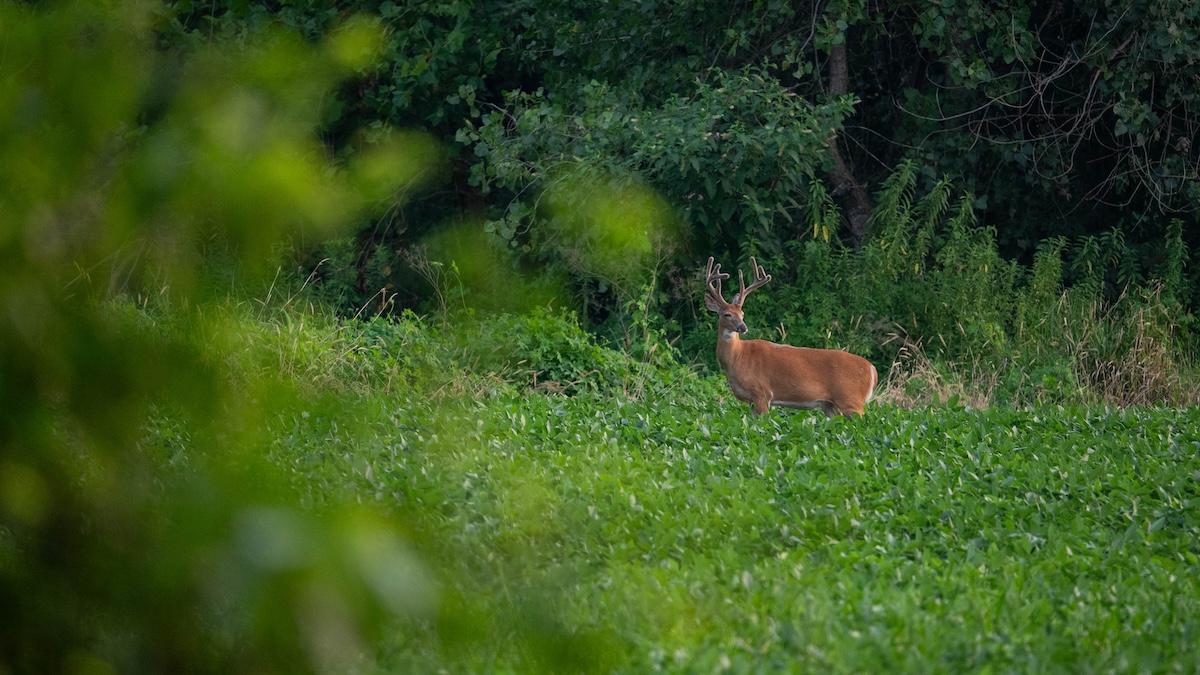
One of the most important elements of providing groceries for deer is knowing when to plant food plots for deer in summer. Have you ever considered planting summer food plots for whitetails? If so, it’s crucial to grasp planting methods, summer food plot seed mixtures, proper planting timelines, and much more. Read on for your summer food plot planting guide. It's time to break out your John Deere and get to work.
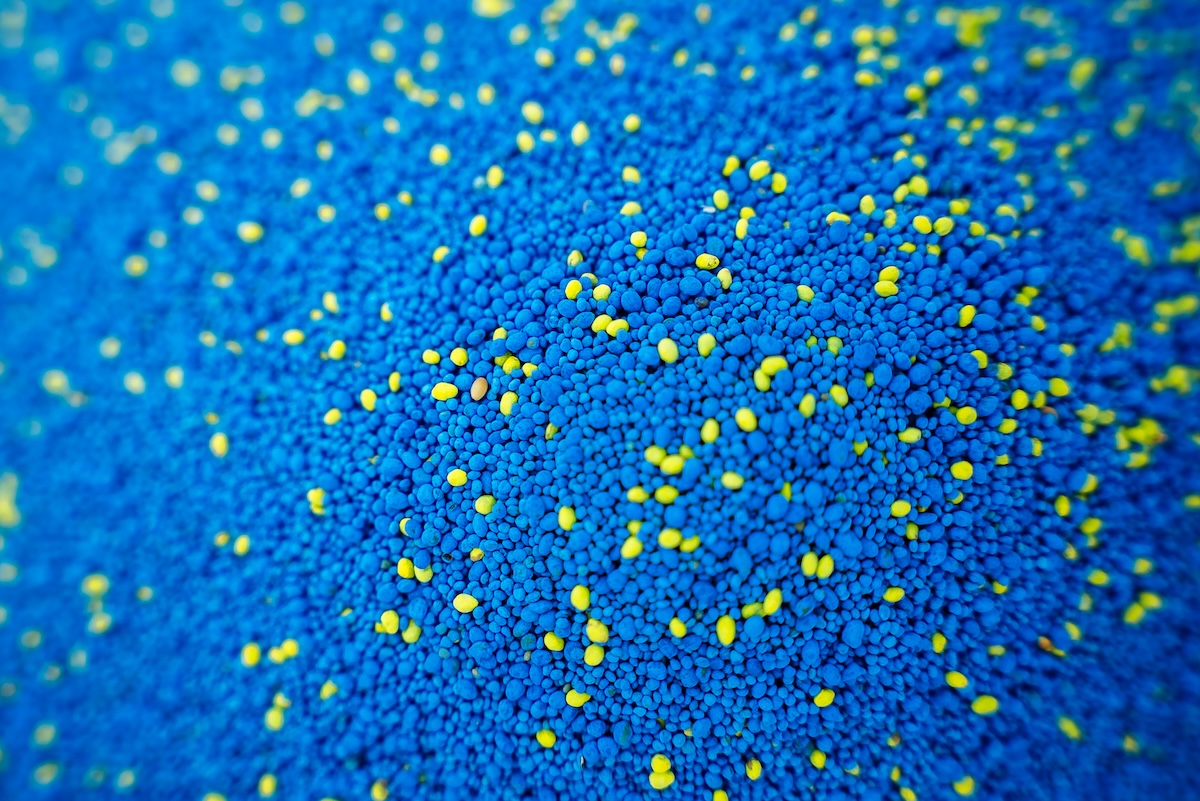
What to Plant in Summer for Deer
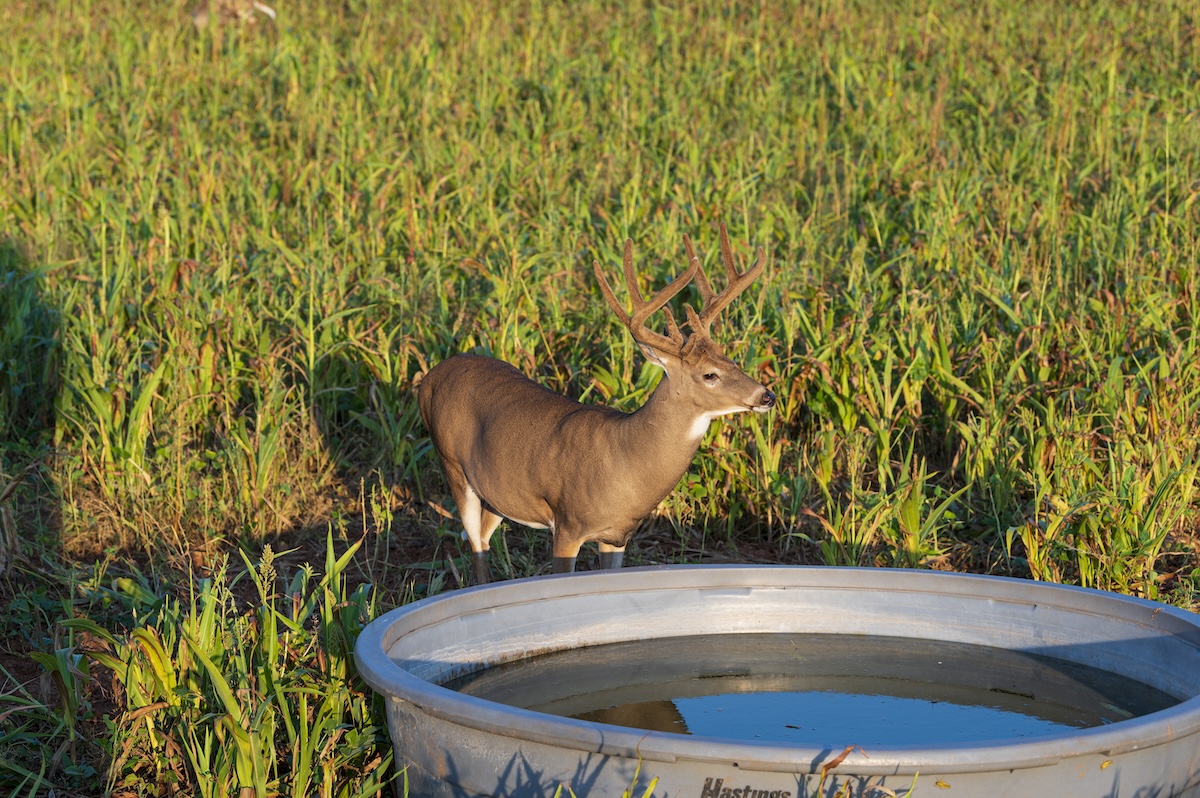
There are many great food plot plant species to sow in summer. These assist with important things in the whitetail world, including antler growth in bucks, milk production in does, and weight gain for all deer. It’s a period of high-protein consumption, and certain food plot plant species are excellent for accomplishing that.
Some warm-season plantings are better than others. Examples include legumes, perennial herbs, and summer grasses. Drilling down further, leading species include buckwheat, chicory, cowpeas, forage soybeans, grain sorghum, lablab, etc.
Generally, timing varies depending on the specific plant of interest. For example, some things germinate better and more appropriately in early summer. Others require late summer plantings.
Late Spring to Early Summer Food Plot Plantings
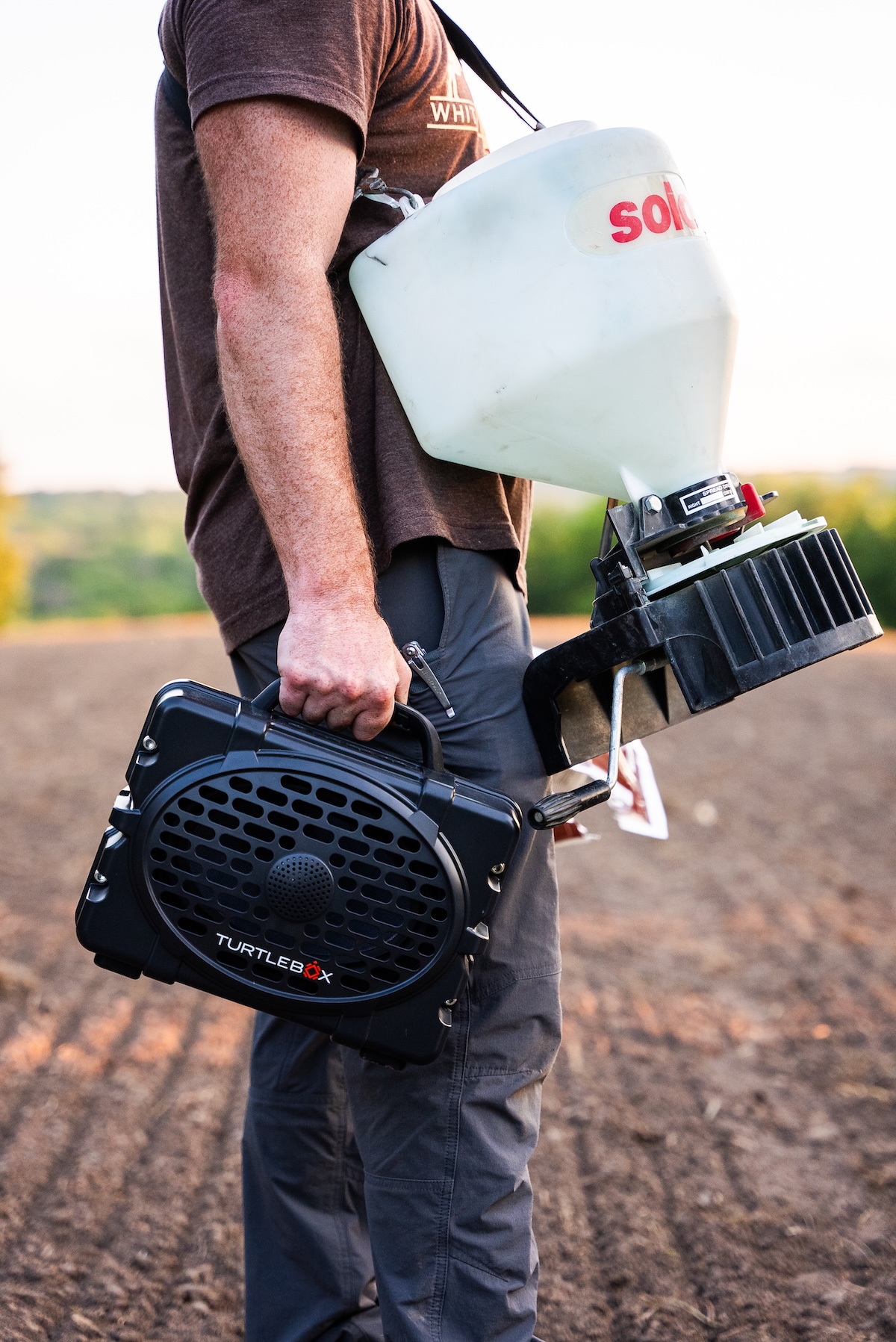
Some summer food plots must be planted in late spring to early summer. Typically, plantings occur from April to June. Examples include buckwheat, annual clover (Arrowleaf, Balansa, berseem, crimson, Persian), perennial clover (Alsike, red, strawberry, white), corn, cowpeas, iron clay peas, sorghum, soybeans, etc. Of course, these must be planted after fear of the last spring frost. To check this box, wait until nighttime soil temperatures are consistently 65 degrees Fahrenheit or higher.
Late Summer to Early Fall Food Plot Plantings
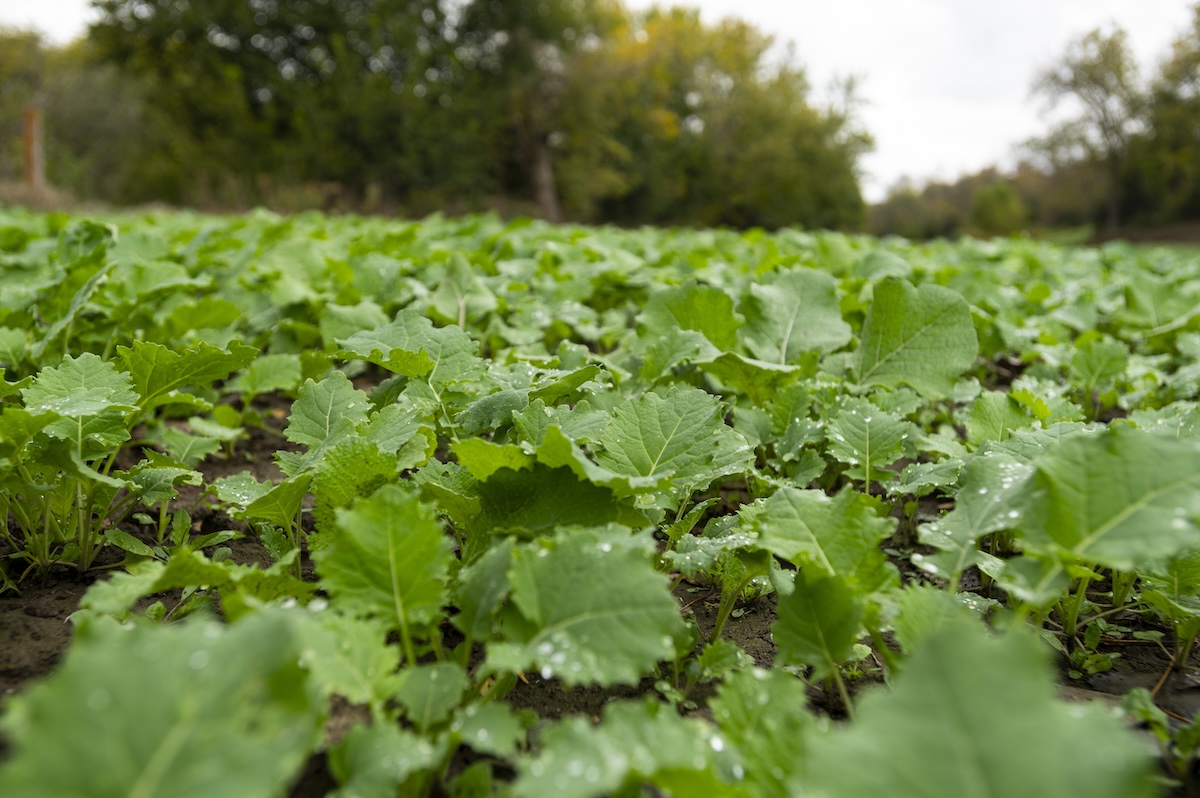
As summer wanes, and cooler temperatures appear on the horizon, it’s time to think about more food plot plantings. Beets, brassicas (canola, radishes, turnips, etc.), cereal grains (oats, rye, wheat), annual clover (Arrowleaf, Balansa, berseem, crimson, Persian), perennial clover (Alsike, red, strawberry, white), kale, triticale, common vetch, hairy vetch, winter peas (Austrian), and more.
The Best Summer Deer Food Plot Mixes
Certain food plot plant species combinations are better than others. These provide high levels of protein, and other needed nutrients, that deer require during certain times of the year. Mixtures to consider include the following options:
● Clover and chicory
● Cowpeas, soybeans, sunflowers, and sunn hemp
● Iron clay peas, soybeans, and sunn hemp
● Buckwheat, sunflowers, and peas
● Corn, sunflowers, and soybeans
Primary Plant Hardiness Growing Zones: Planting North vs. South
Location is a significant factor in what to plant and planting dates. According to the U.S. Department of Agriculture (USDA), there are 13 primary plant hardiness growing zones. Within these 13, there are two subcategories (i.e.: 1a, 1b, 2a, 2b, 3a, 3b, etc.), for a total of 26 zones.
“The USDA Plant Hardiness Zone Map is the standard by which growers can determine which perennial plants are most likely to thrive at a location,” said the USDA. “The map is based on the average annual extreme minimum winter temperature, displayed as 10-degree F zones and 5-degree F half zones.
“A broadband internet connection is recommended for the interactive GIS-based map linked here,” the USDA continued. “To find the Plant Hardiness Zone at your location quickly, enter your zip code in the Quick Zip Code Search box in the map, or click anywhere on the map to view the corresponding interactive map.”
Summer Food Plot Planting Methods to Know and Use
Proper summer food plot planting methods are pivotal to a successful management program. This plays an integral role in establishing the best possible habitat on a deer hunting property.
Start with a soil test. This allows you to accurately determine the soil pH. It reveals the needed nitrogen (N), phosphorus (P), and kalium/potassium (K) to amend the soil. It also shows what lime, if any, is needed to balance the pH. Take the soil test results to a local fertilizer supplier and they’ll provide the right mix for your specific soil.
● Nitrogen (N): Assists photosynthesis. Boosts leaf growth.
● Phosphorous (P): Increases root development. Elevates bloom and fruit production.
● Potassium (K): Improves vitality. Helps fight disease, drought, and extreme temperatures.
● Lime: Balances soil pH and brings it closer to an alkaline (7.0-plus) state.
Of course, it’s crucial to kill off all weeds before planting. Oftentimes, broad-spectrum herbicides are necessary for creating a clean slate for food plot plantings. Failing to complete this step creates a significant challenge for newly established plots.
“Go with the herbicide to make sure you have a good kill and get great seed-to-soil contact,” said Clay Mervar, Whitetail Properties Broker and Land Specialist in North Carolina. “Do not cut corners, or it will not work, and you will throw away money.”
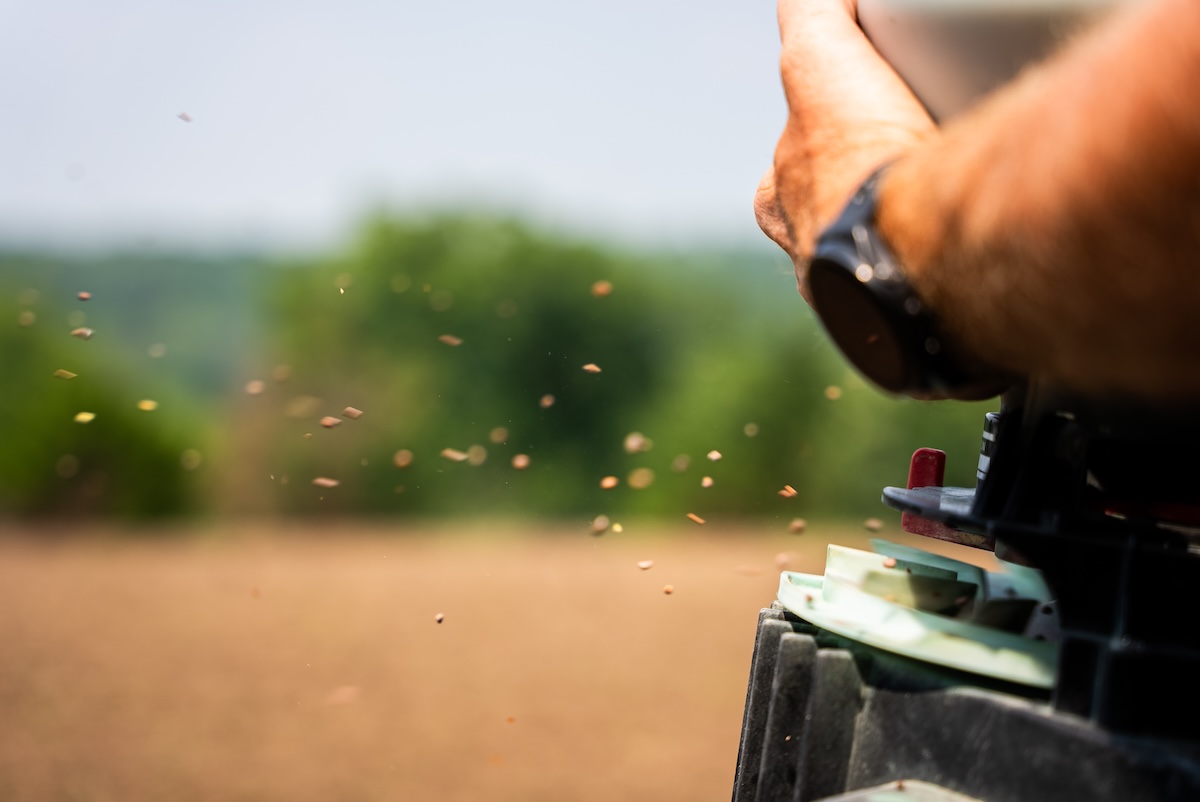
Food plotters can choose between one of several seed sowing methods. These include frost seeding (winter only), overseeding, discing and broadcasting, and no-till drilling. Each of these have their places and best use cases. However, with summer plantings, one option reigns supreme — no-till drilling.
No-till drilling offers several advantages, especially for summer food plots. First and foremost, the lack of tilling and discing retains more moisture in the soil. This is important, especially in areas with less rainfall and warmer temperatures. Furthermore, it can result in faster germination, success during droughty conditions, and other benefits.
Take Your Summer Food Plots to the Next Level
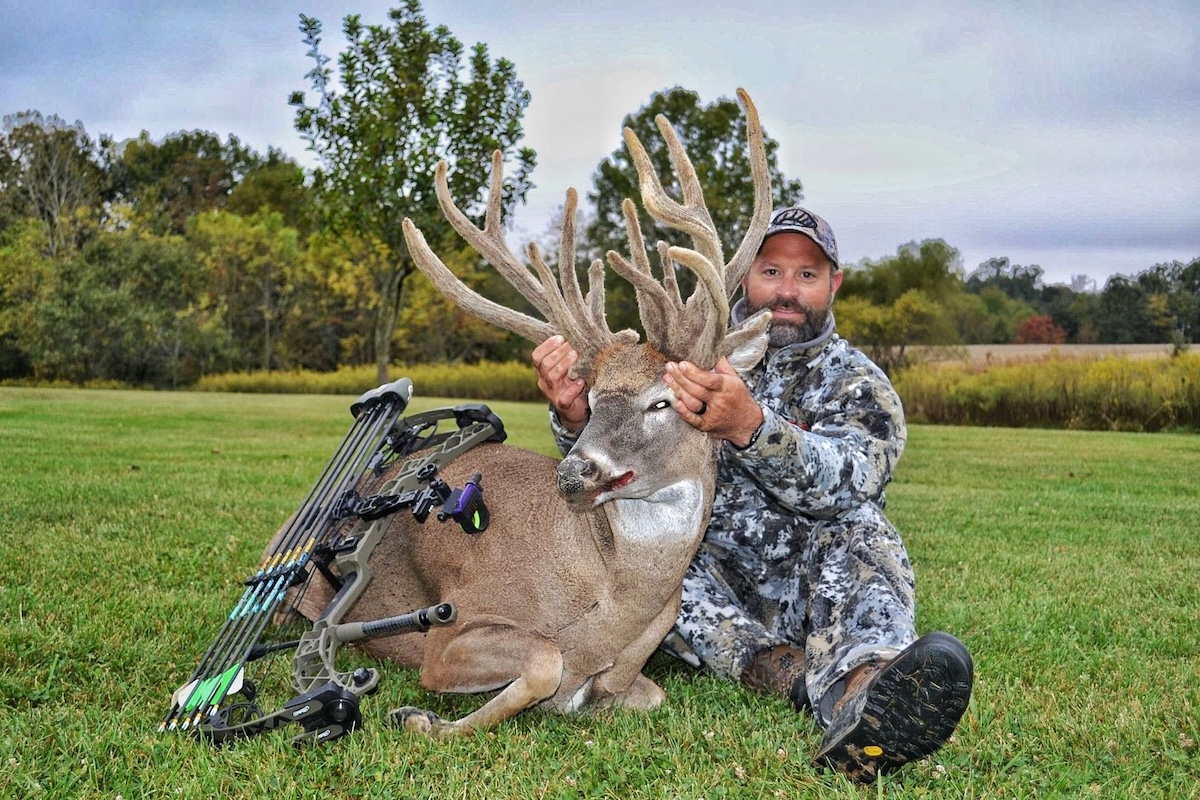
Food plot effectiveness can be maximized through a number of ways. First, choose the right locations for your food plots. Location is everything, and these must be close enough to bedding cover for deer to reach these areas during daylight.
“I look at my best areas to put bedding areas and food plots,” said Dave Skinner, a Whitetail Properties Land Specialist in central Kentucky. “And just because you have a field, doesn’t mean that’s the best place for a food plot. It might be best to abandon that field altogether.”
Another example includes creating certain food plot shapes, which are better for encouraging use by whitetails and funneling them into range.
“I like to pinch the deer down to force them into range,” Mervar said. “You need to get creative to achieve this. In the past, I have hinge-cut trees, put up mock scrapes, and planted corn or plot screens to funnel deer inside of 20 yards.
“Whichever design you choose, it is very important to be able to access your stand undetected,” Mervar continued. “Blow your wind in a safe direction so the doe and younger bucks — which typically come out first — don't bust you. Do everything you can to increase your odds at getting a high-quality shot opportunity.”
Another important feature? Creating structure around the perimeters of the food plot. These should have adequate screening cover, buffer strips, escape cover, etc.
“We need structure on the outside of that food plot, whether that is wooded acreage, screens, or switchgrass,” said Andrew Malott, Whitetail Properties Broker and Land Specialist in northwestern Indiana. “Manipulating deer travel is the goal, and you need structure to do so.”
Remember the old saying, if at first you don’t succeed, try again. That holds true for food plots, too. Land managers, even experienced ones, plant failed food plots.
“Don't get frustrated if things don't go as planned,” Mervar said. “It is not as easy as people make it look on TV or YouTube. It takes time and experience. Odds are you will fail in your first few attempts. Stay at it and eventually you will be harvesting a deer over the lush green food plot of your dreams. Come up with a plan, get the family involved, and have fun with it.”