Hunting
Bowhunting Accuracy Guide: All About Anchor Points, Peep Sights, Proper Techniques, and More
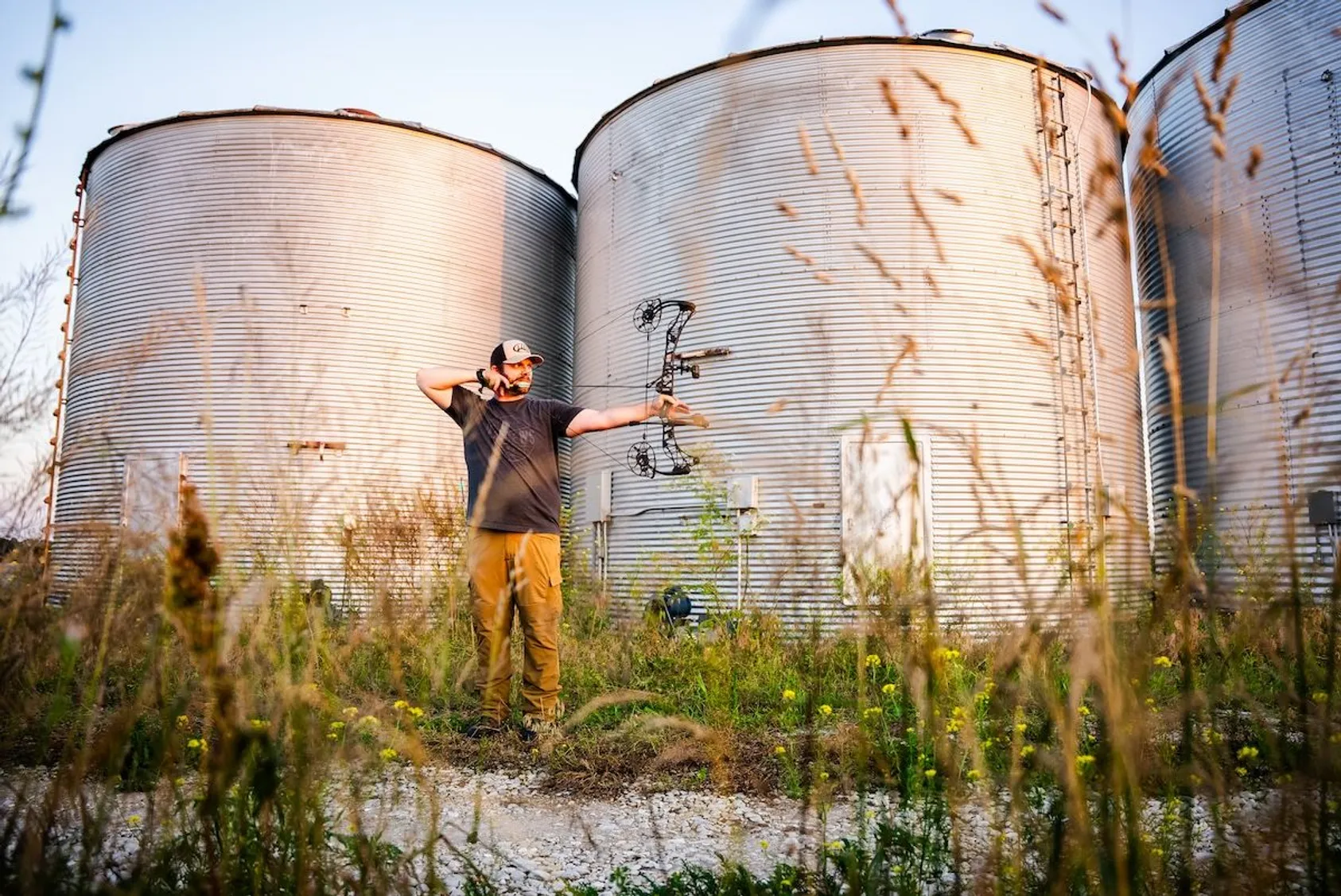
Hunting bows line the wall at the local pro shop. Bowhunting gear fills shelves down each aisle. An archery tech teaches a new customer how to shoot a bow and arrow. Another guy is practicing in a different lane in preparation for an upcoming bow shoot. You're there for some advice and assistance in increasing overall accuracy.
Some people might wonder how to go about increasing their archery and bowhunting accuracy. Read on to learn how to be more accurate shooting with a bow.
Choosing the Right Bow
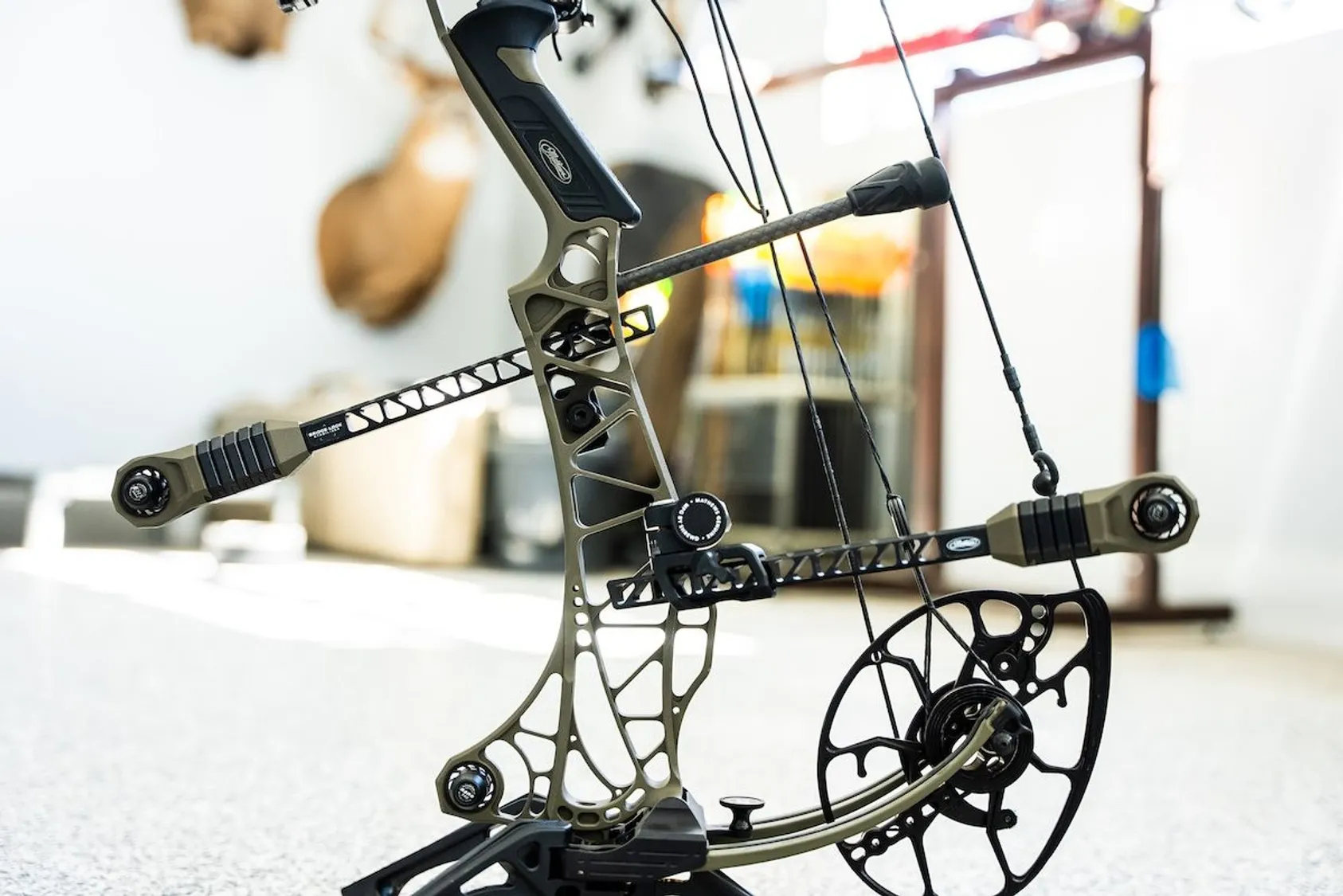
The first step in being more accurate is choosing the right bow. Bows come with various specs. Some have shorter or longer brace heights. Others have shorter or longer axle-to-axle lengths. Generally, these various spec options are better or worse suited to body type, especially height, arm length, and overall strength.
Of course, what you buy matters. For example, one popular bow brand is Mathews, which is a leader in both competition and hunting bows. That said, there are numerous bow makers on the market. Shoot various models and choose what's best for you.
Setting a Proper Draw Length and Draw Weight
Everyone needs to shoot an appropriate draw length and draw weight. These are important settings that must be micro-tuned to fit your exact size and strength. Inadequate draw lengths and draw weights cause big issues.
With draw length, being off ½ inch can cause significant issues. Even slightly too short or long can create inconsistencies and poor shooting form. Measure for your proper draw length and then set it accordingly.
With draw weight, don't think you have to max out the poundage. Modern bows generate exceptional kinetic energy, even with lower pull weights. Of course, thanks to greater let-off percentages, it's never been easier to draw heavier weights. All said, settle into a draw weight you can comfortably handle while sitting down and wearing your hunting clothes.
If you don't have the knowledge or tools to complete these tasks, take your bow to a local archery tech and ask for their assistance. This is the best route for those lacking the skills or confidence to make changes to their bow, and there's absolutely no shame in that.
Selecting the Right Arrows
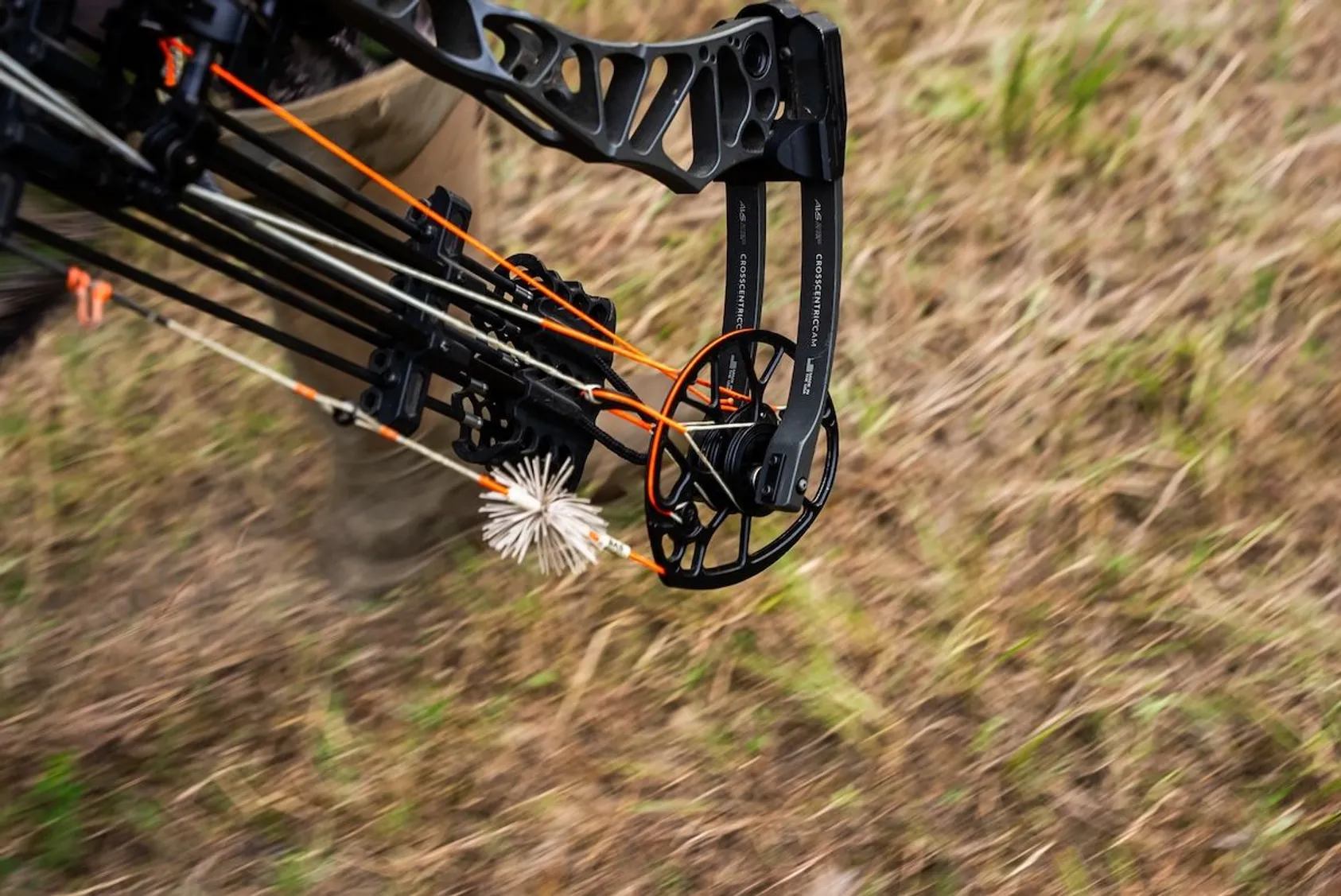
Optimizing arrows is another key element of increasing bowhunting accuracy. Choose the right arrow length for your draw length, as well as the right arrow spine for cumulative bow specs (draw weight, draw length, point weight, etc.).
First, bow type influences this. Crossbows, compounds, and traditional bows all require different arrow spines. Higher draw weights, longer draw lengths, and heavier point weights, generally call for stiffer arrows, which are identified with lower spine numbers. Lower draw weights, shorter draw lengths, and lighter point weights, generally call for arrows that aren't as stiff, which have higher spine numbers.
To determine the right spine for you, visit your preferred arrow brand's website. They will have charts showing the right arrow, and arrow spine, for your specific setup.
Tuning the Bow Effectively
Archers have many different bow tuning techniques available to them. Paper tuning is the most common, followed by bare-shaft tuning, walk-back tuning, and French tuning. Of course, broadhead tuning is necessary once the blades are on the business end of the arrow. Each of these efforts helps ensure that arrows fly straight and true.
"Really dial in your set up," said Andrew Malott, a Whitetail Properties Land Specialist in Indiana. "Know what you have and make sure everything is perfect. You want to have the arrow flying out of your bow consistently through paper. A good paper tune is important. And with the new Mathews Lift X, with the Cam Shift Technology, you're able to dial that in and get that paper tune."
In addition to arrow tuning, also optimize other adjustments. Nock tuning and center shot are also important steps to take. More advanced processes include cam timing and yoke tuning.
Establishing a Consistent Stance
Your stance matters as well. It can't be stressed enough — everything surrounding archery must be done with consistency. Generally, when standing, it's best to do so with feet at a 45-degree position in relation to the target. Once you've established a stance with good mechanics, continue to repeat that process exactly each time. Being inconsistent with stance will create differences in the shot process.
Remembering the Same Grip
Remember and use the same grip with each shot. Hold the bow so that the grip applies even pressure across the palm. Implement a relaxed hold and consistent pressure throughout the shot process.
"I think it's fairly standard, but most archers shoot with a firm grasp on the grip," Malott said. "But when it comes to shooting in a bow consistently and accurately, you need to find a grip that you're comfortable with. Repeat that process every single time the same way along with a consistent anchor point. Find something that's comfortable, whether it's a different release, different point on your face, or whatever. But being able to repeat the process consistently is the biggest part."
Choosing a Good Anchor Point
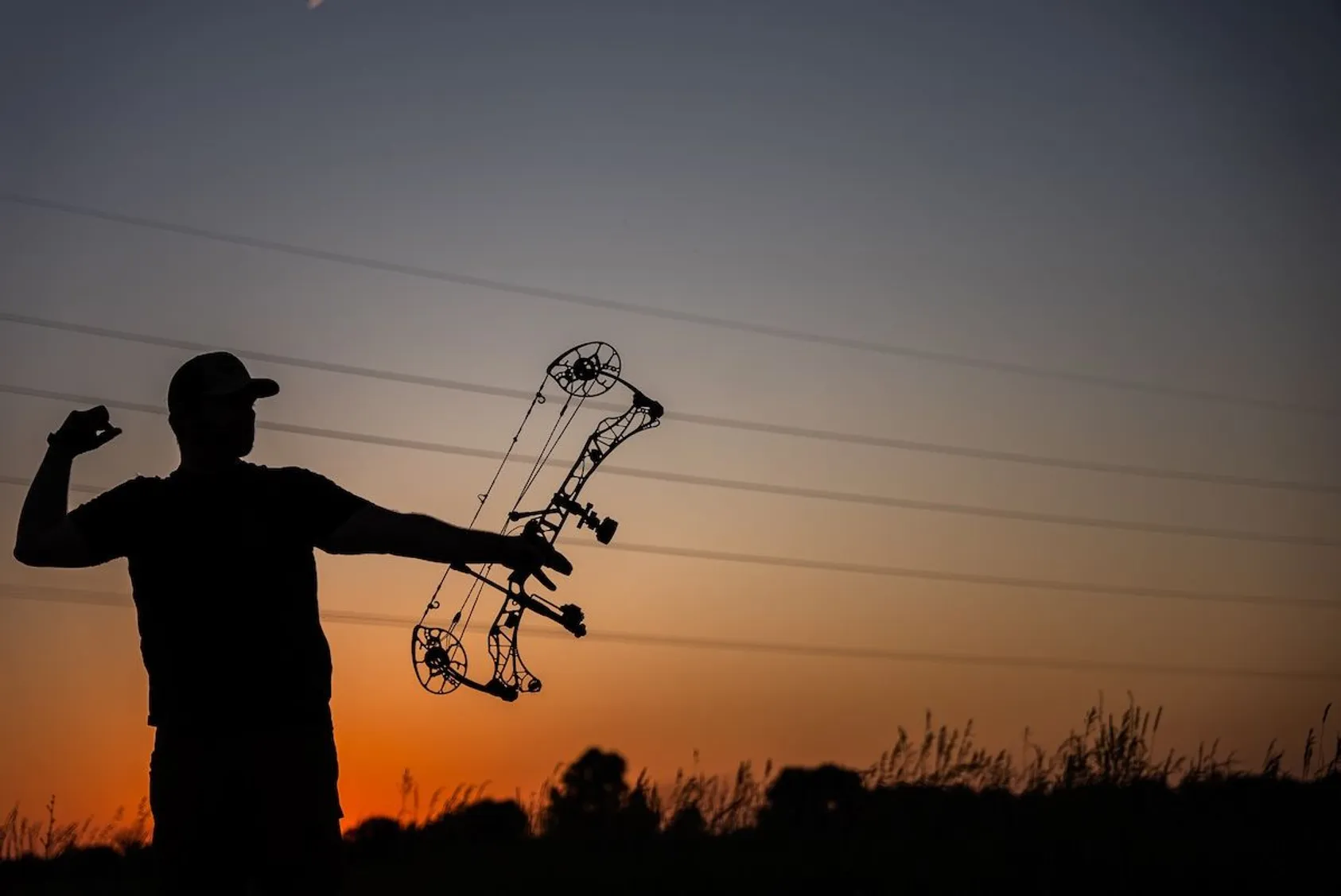
Operating with a consistent anchor point is imperative. Some shoot with the string barely touching the edge of their lip, corner of their mouth, etc. Oftentimes, this aligns well with the string also touching the tip of the nose. Others place their thumb along the jaw line or cheek. Overall, pairing these anchor points with the use of a peep sight and kisser button ensures a good, consistent anchor point with each shot.
"I think the biggest thing is honestly being able to repeat your form," Malott said. "That's the anchor point."
"Be consistent with that anchor point — every single time," Skinner said. "There's a process in following those steps. Even when you're drawing your bow, you're anchoring consistently. You're getting that peep sight up to your face, making sure that string is touching your nose, and all of that."
Using a Peep Sight, Kisser Button, and Nose Button
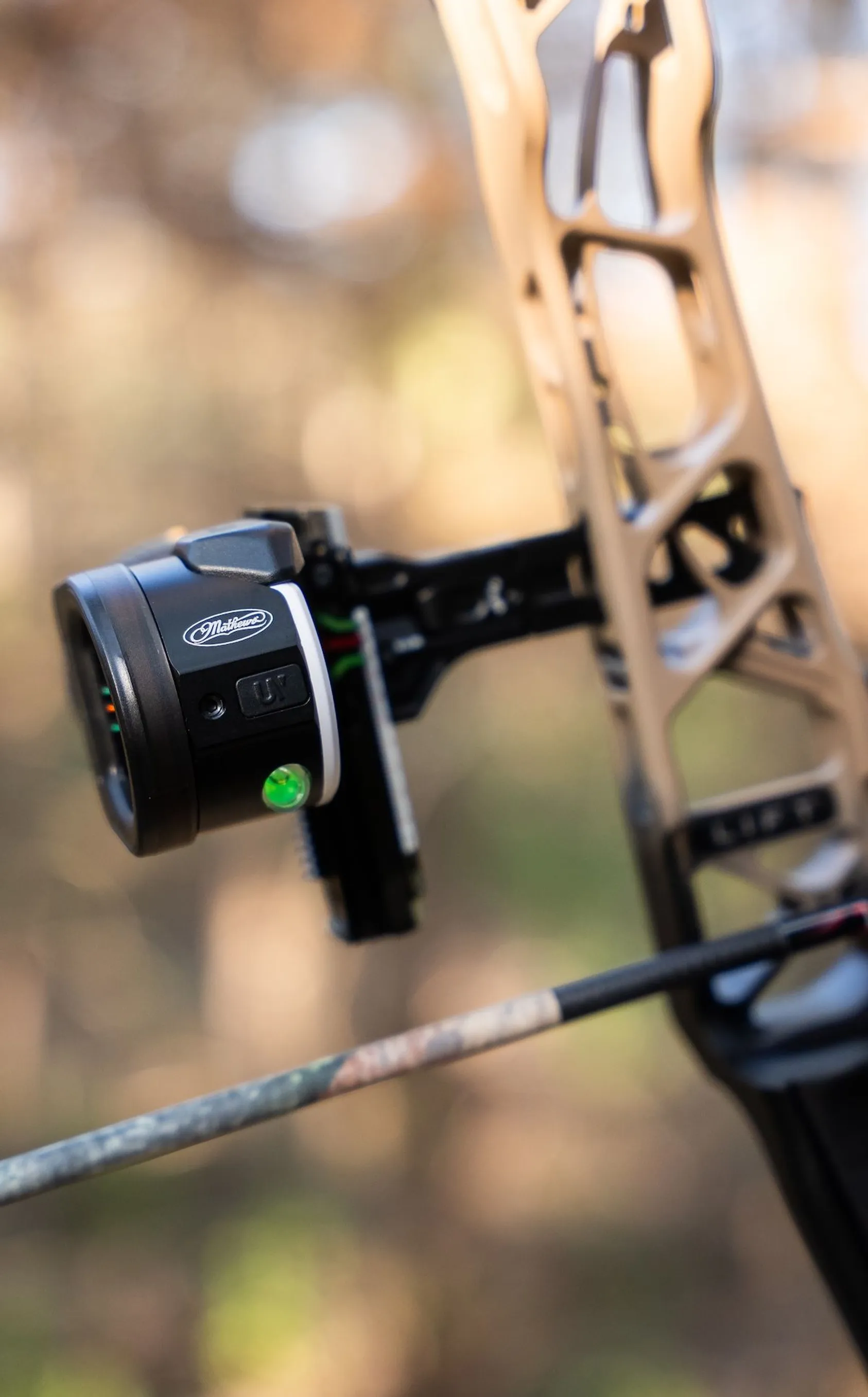
Consider one or more of the three gear addition methods for improving anchor point consistency. Use a peep sight, kisser button, or nose button. Choose between an array of peep sight diameters based on your eyesight needs. Consider the kisser or nose button options for additional anchor point assistance.
In addition to using a round peep sight, also implement a sight with round housing and pin guard. With a ¼-inch peep site, it aligns well with most moderate sights.
"I like the idea of a kisser button or nose button," Malott said. "The more you shoot, the more comfortable you're going to get. I personally don't use the kisser button or nose button, but if that's something that's going to help you stay consistent, those would be fine. But just being able to touch that string to your cheek, corner of your mouth, and your nose — all in the same spots every single time, is going a long way."
"I've always been a peep site guy," said Dave Skinner, a Whitetail Properties Land Specialist in Kentucky. "I like a peep site with a big hole in it. I'm also a fan of a site with a bright ring around it, so that I can use that to line everything up. I like a bright orange ring that I can line up with the peep site with a great big hole that lets in plenty of light for those low-light conditions."
Aiming the Right Way
There are right and wrong ways to aim a bow. First, focus on the target — not the sight pin. Keep your focus on the former, rather than the latter. Never keep your focus on the pin, and blur the target, during the shot process. Then, "float" the pin. You'll never keep the bow completely still on target. It will naturally move slowly. That said, you can learn to control or manage this motion. Again, allow it to "float" over the target and take the shot while it's on the bullseye.
Using a Consistent Release Method
Many archery trainers urge implementation of a surprise release. They teach a method of back tension, which creates a push-pull shot process. This leads to a surprise release.
Some archers don't subscribe to the surprise release method, though. While it works for some, it doesn't for many. Plus, archery is all about repetition, and the push-pull release is very difficult to repeat exactly each time. There's movement involved, however minimal, and that's a very difficult thing to mimic exactly. (Even the famous and highly decorated professional archer Eli Morgan agrees.) Merely pulling the trigger (the same way each time) is the superior, repeatable option.
Regardless of the chosen method, don't punch the trigger, jerk the release, or move the bow unnecessarily during the shot process.
Following Through Correctly
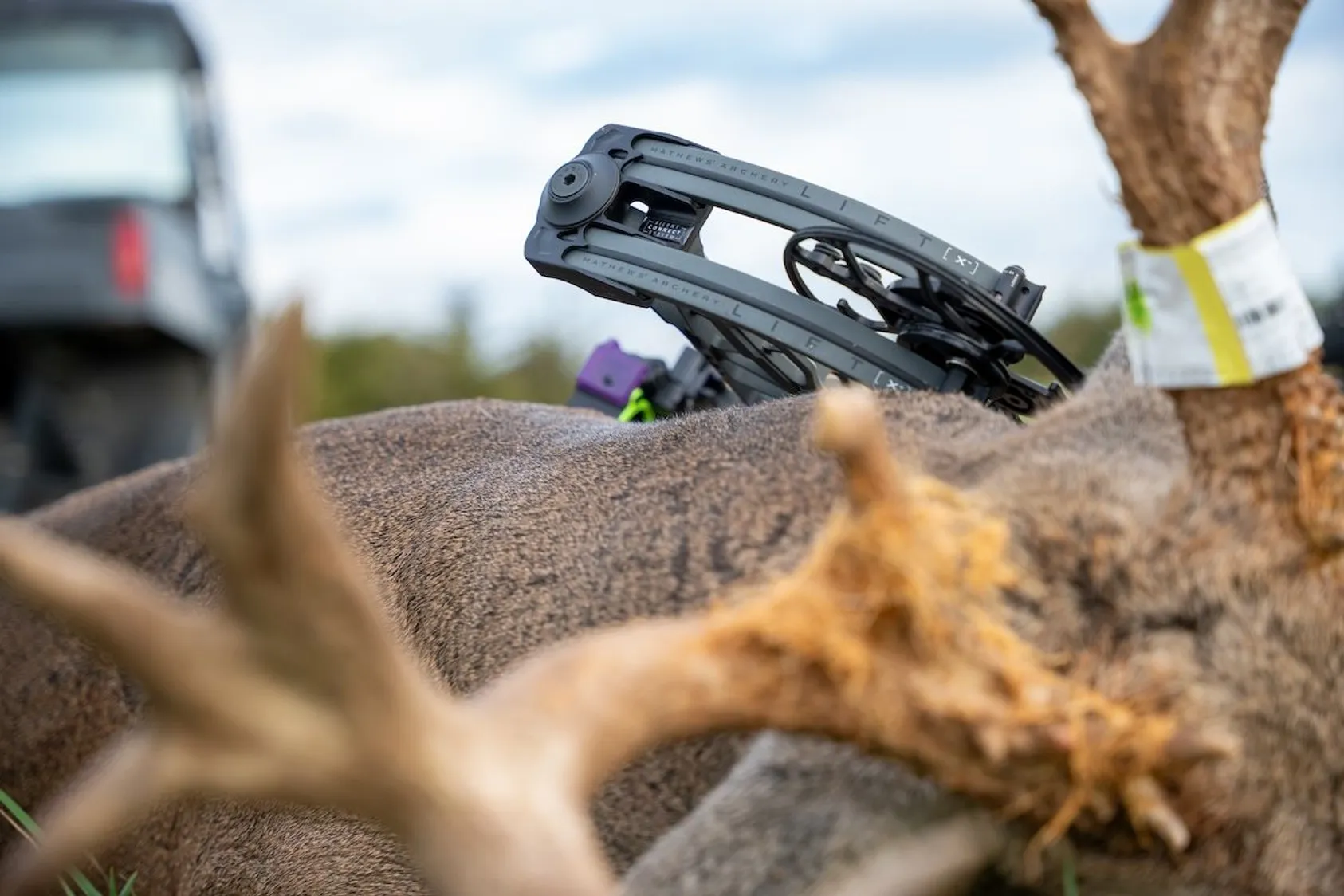
A commonly underrated and forgotten part of the shot process is the final step — the follow through. Practice following through correctly. Keep the sight pin on target until the shot connects with it. Maintain all form through the release and until the arrow makes impact. If using a wrist sling, the bow will likely tip forward after the shot.
Deploying Proper Shooting Techniques and Quality Practice Routines
There are many different viable methods for archery. That said, implement proper shooting techniques. Use proven practices that enhance accuracy and consistency.
"Obviously, practice is important, which I don't get nearly enough of," Skinner said. "So, I limit myself. I'm a 30-yard-and-in kind of guy.
"The biggest thing is knowing your equipment, spending plenty of time on the range practicing, and trying to calm yourself before you pull the trigger," Skinner continued."
While target panic is rare, it's something most archers experience at some point. Combat target panic with a series of methods, including changing release styles, practicing with a new release aid, doing aiming drills, blind bailing, blank bale shooting, focusing on the middle of the target, using a realistic target, and merely squeezing the trigger (rather than a surprise shot).
Bonus: Get the Best Equipment You Can Afford
Those yet to buy their archery equipment, or who wish to upgrade, should get the best equipment they can afford. This can enhance archery efficiency noticeably. That, paired with everything outlined above, should have you drilling tacks in no time.