Hunting
Western States Spotlight: Where to Prioritize Your Mule Deer Hunts
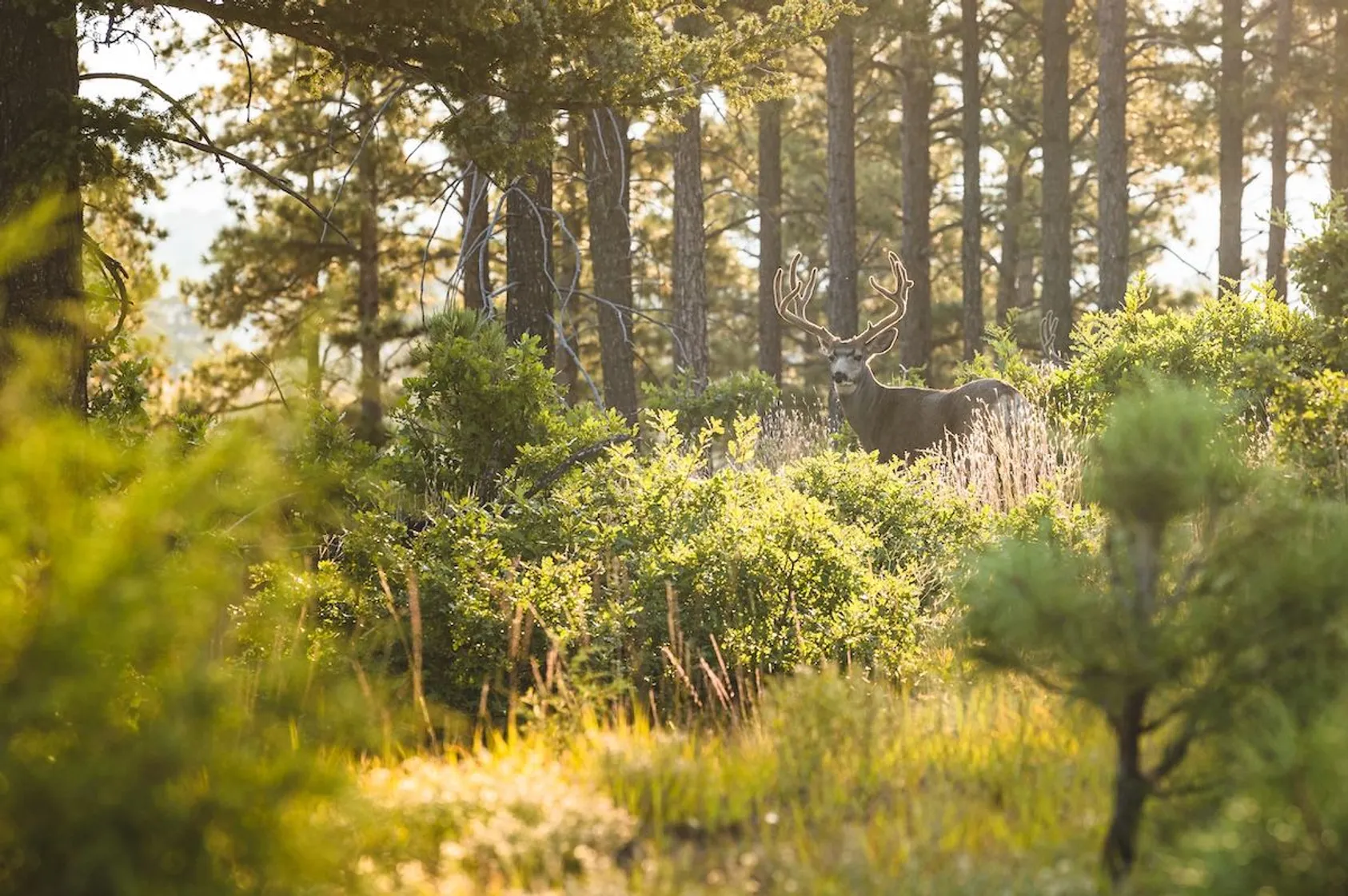
Most mule deer hunters recognize that it's easier to draw tags in this region versus that region. There are bigger deer in this region than that one. There are higher deer densities in these regions than other nearby ones. These and more are important metrics and measuring sticks used to gauge the quality and draw odds of specific mule deer hunting destinations. Here’s key information to know for planning your mule deer hunts.
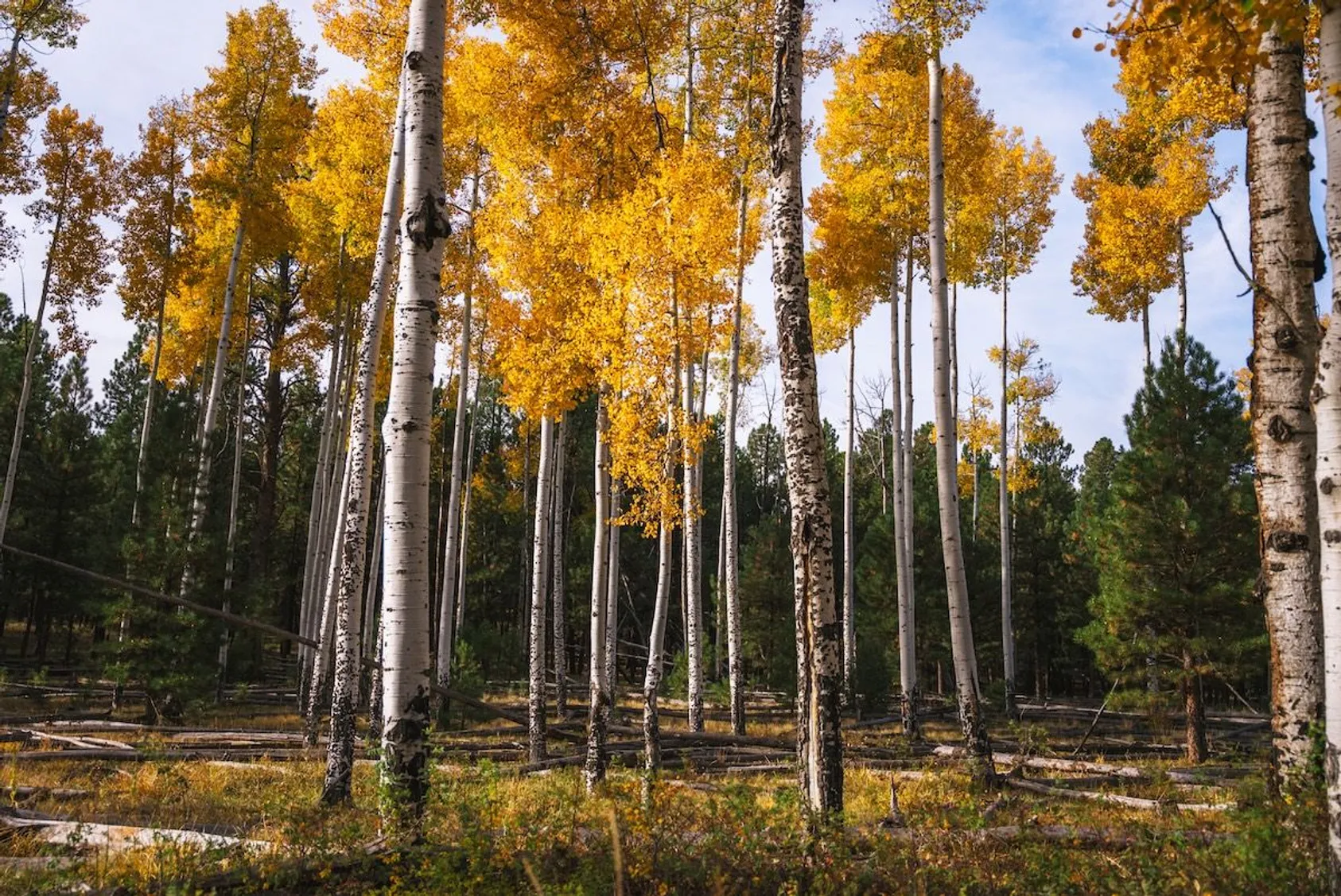
Where to Hunt Mule Deer
The American West is defined by big game hunting, including the likes of elk, goats, sheep, and the mystical mule deer. For some, the question remains, though. Where to hunt mule deer? Some of the best destinations include Arizona, Colorado, Idaho, Montana, Nevada, New Mexico, Utah, and Wyoming. Read on for more information on these mule deer hunting states.
Mule Deer State Quick Points:
- Arizona: These desert mule deer are big, and places like the Arizona Strip are renowned. That said, deer densities are lower than other areas, and tags are very difficult to draw.
- Colorado: A leader in Boone & Crockett record entries. Preference points are needed, and tag availability isn't great, but for those who wait, the trophy potential is phenomenal.
- Idaho: This state doesn’t get the notoriety that other states do, and sees a significant volume of pressure, but it has great genetics. It’s a draw state, but no point systems are used. Everyone applies each year on an even playing field.
- Montana: The state of Montana offers an opportunity hunt. The deer aren’t as big, but they are plentiful, and filling a tag is within reach here.
- Nevada: In Nevada, there’s a mix of trophy units and easier-to-draw tags. The central region offers opportunity at numbers, and eastern units are where most of the bigger bucks reside.
- New Mexico: Youth hunters have a great chance of shooting a big New Mexico buck. Adult hunters do, too, but this state prioritizes early season youth hunts.
- Utah: A true trophy destination with monster mule deer bucks. It isn’t easy to obtain a tag, and takes many years to accrue enough preference points, but once drawn, it’s a hunt for the ages. Some of the easier-to-draw general units are getting better, though.
- Wyoming: Without question, Wyoming manages trophy mule deer. It’s dropped off some in recent years but continues to be a top producer. It’s considered easier to draw than some other top-tier states.
- Plains States: Western Kansas and Nebraska are two excellent areas for plains mule deer. The hunting can be hit-or-miss but isn’t a complete write-off.
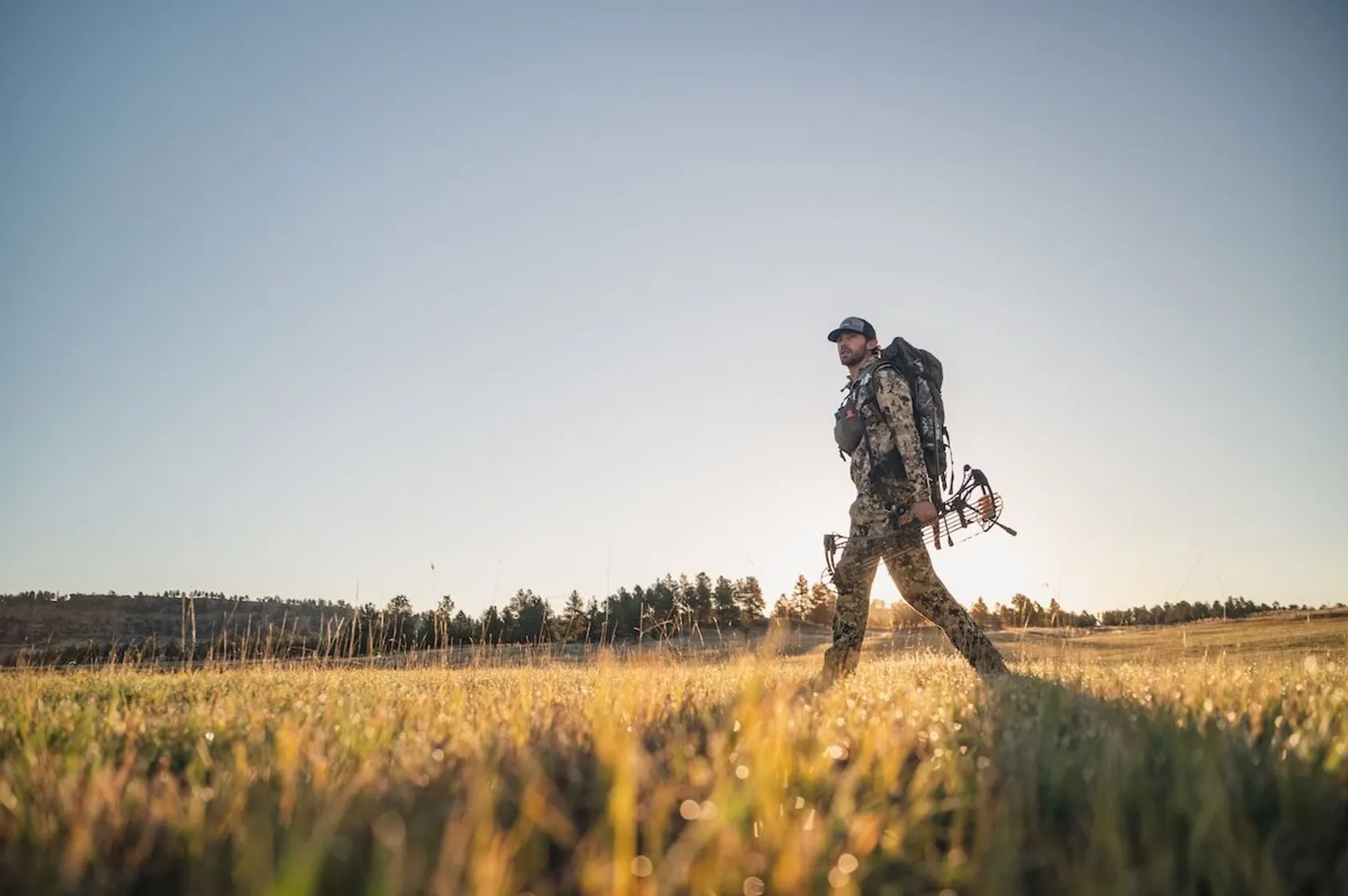
Arizona Mule Deer Hunting
Arizona is an interesting destination for mule deer hunting. It comes with a point system, so hunters must draw in order to gain admission to what the state has to offer. Oftentimes, hunters aren’t disappointed, though.
Of course, it’s famous for the Arizona Strip. The Kaibab Plateau is also a hot topic. For those who invest the necessary years to accrue points, these are excellent plays. Early archery hunts can be challenging, but rifle hunts tend to yield monster bucks.
Colorado Mule Deer Hunting
Another popular destination is Colorado. Rob Hermann, a Whitetail Properties Land Specialist in that state, notes its key points to consider.
Colorado has really great opportunities,” Hermann said. “There are options from the Eastern Plains all the way to the high mountains.
You know, in the high alpines, deer are going to be a little bit tougher to pursue,” Hermann continued. “But you can find some incredible animals. Overall, most hunts are pretty demanding, especially with the type of terrain they're in. Mule deer are very good at staying alive in the mountains, and they're challenging to pursue.”
Not all of the mule deer are at higher elevations, though. Some are in lower areas, and even live on the ag lands and plains of eastern Colorado.
On the Eastern Plains, you can find some really high-quality animals,” Hermann said. “It's a bit more of a spot-and-stalk mentality, but the opportunities in Colorado are next level, for sure."
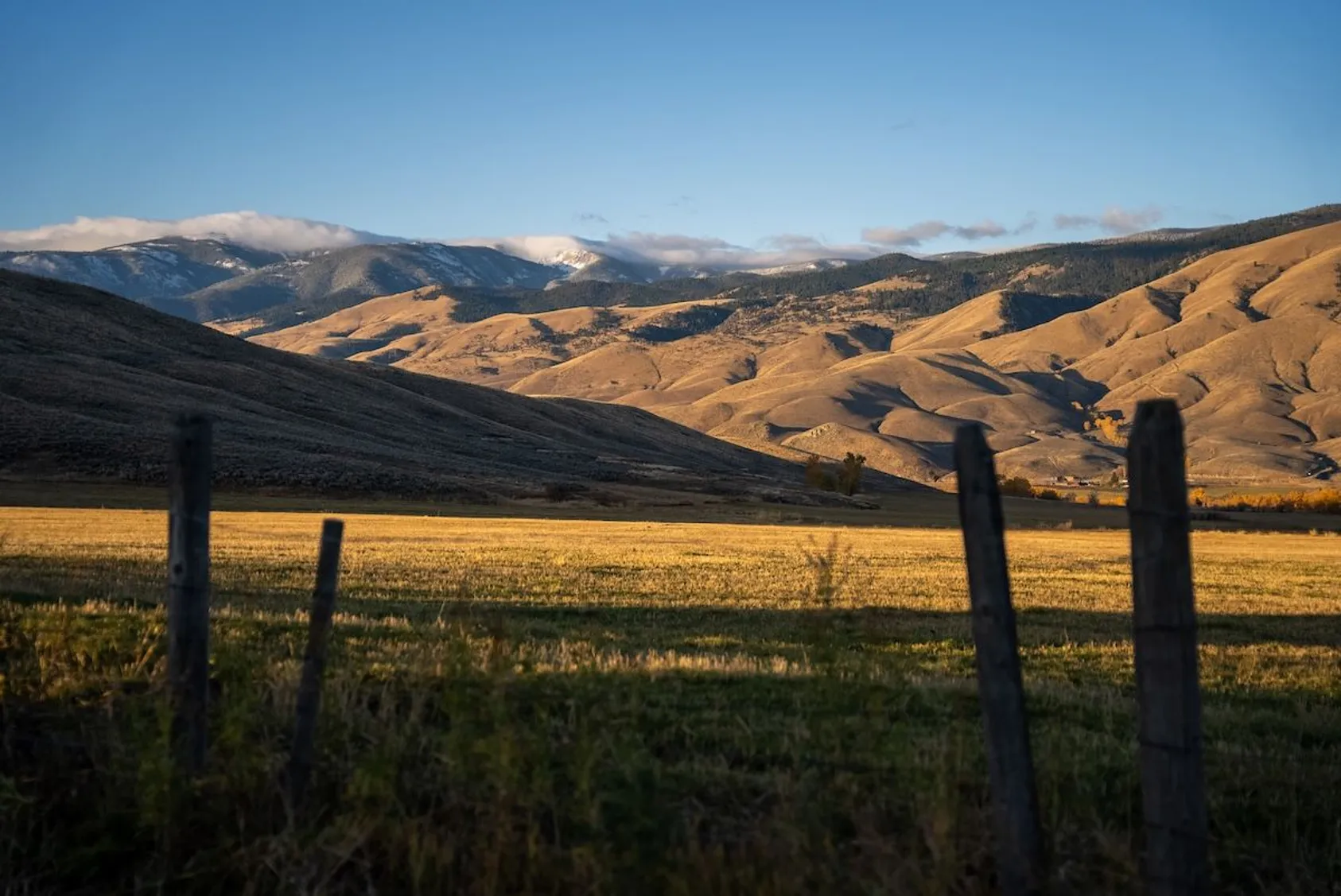
Idaho Mule Deer Hunting
Perhaps one of the most overlooked states for mule deer, Idaho offers mule deer hunters a unique trip. The Gem State is well-known for exceptional mule deer genetics. That said, the state makes a lot of tags available, meaning fewer bucks reach older age classes. Even so, hunters have a decent shot at big ones here. While the state does implement a draw system, it does not deploy the preference point program, meaning everyone always has the same odds of obtaining a tag.
Montana Mule Deer Hunting
According to Jordan Gill, a Whitetail Properties Land Specialist in Montana, mule deer are struggling throughout much of the state. Numbers are down, and the hunting isn’t nearly as good as in other areas.
We're definitely an opportunity state,” Gill said. “We have a pretty liberal hunting season, with six weeks of archery and five weeks of rifle seasons. We’re not really a trophy state.
We do have some trophy units on the western side of the state that are very limited and hard to draw,” Gill continued. “Central and eastern Montana falls into a general season, which is an over-the-counter action for residents and pretty easy to draw for non-residence. With our liberal season, the quality of mule deer in the state isn't the best, especially compared to other western states.”
Nevada Mule Deer Hunting
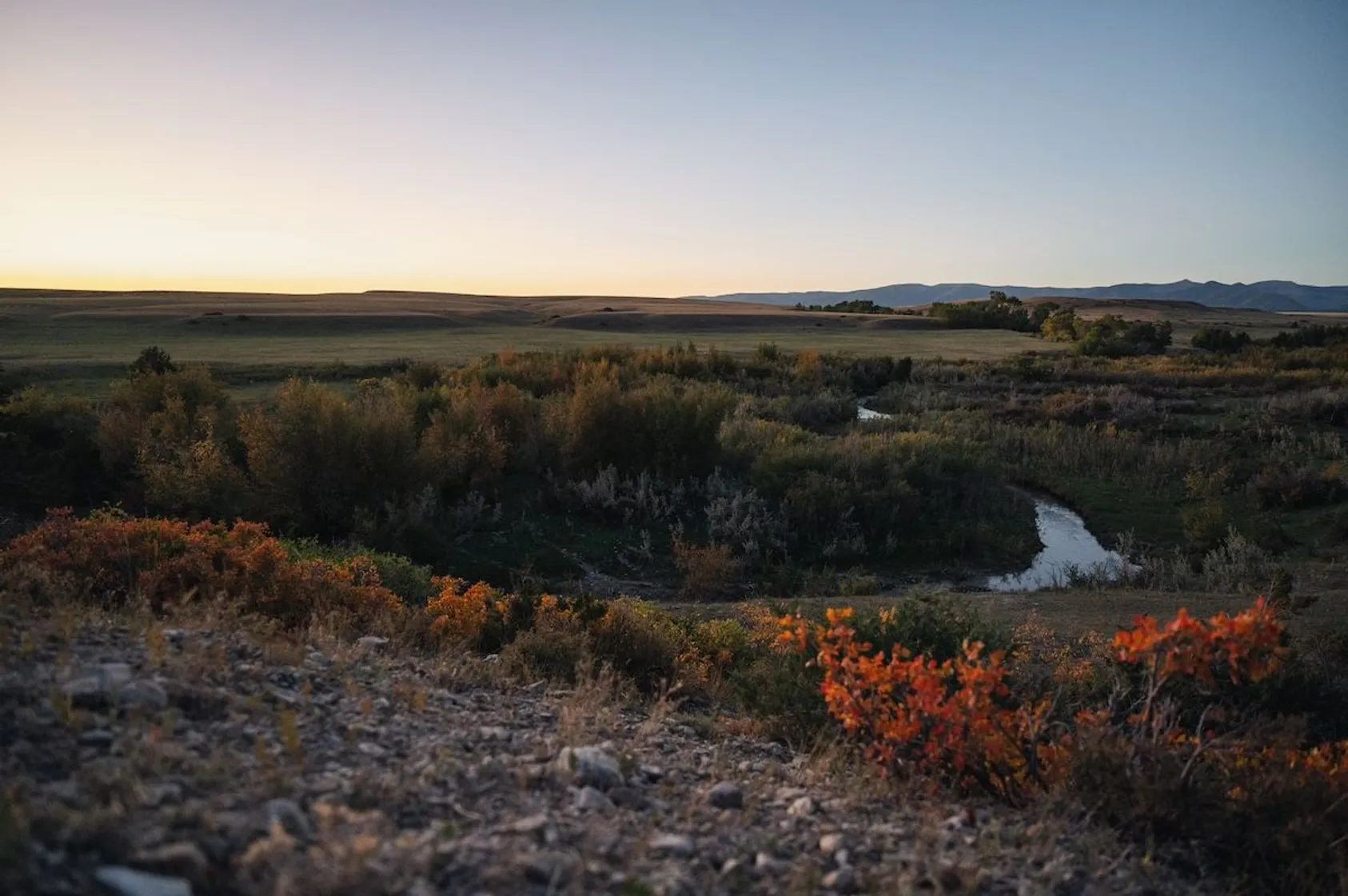
Nevada is another intriguing mule deer hunting adventure. They manage hunts for top-end quality. Thus, it takes time to draw a tag. When hunters arrive, they expect to see, and potentially harvest, trophy mule deer.
Of course, Elko County is known for higher deer densities. So, it receives a lot of attention, especially among non-residents. That said, most of the state is public property, and central Nevada offers excellent chances at big bucks. Without question, that portion of the state is underrated.
Those seeking the best of the best Nevada hunting? Eastern units typically offer that. But be prepared to wait 10-plus years for a tag.
New Mexico Mule Deer Hunting
You can’t talk about mule deer hunting without mentioning New Mexico. It’s among the states that offers a fun hunt, especially for youth hunters. (It offers early season hunting for those under 18.)
For adults, some of the most-sought-after tags are archery rut hunts in late January. That said, the state is characterized by low deer densities, but where they live, bucks get big. Certain units have reputations for greater deer densities, or bigger bucks, though. So, plan (and apply) according to your expectations.
Utah Mule Deer Hunting
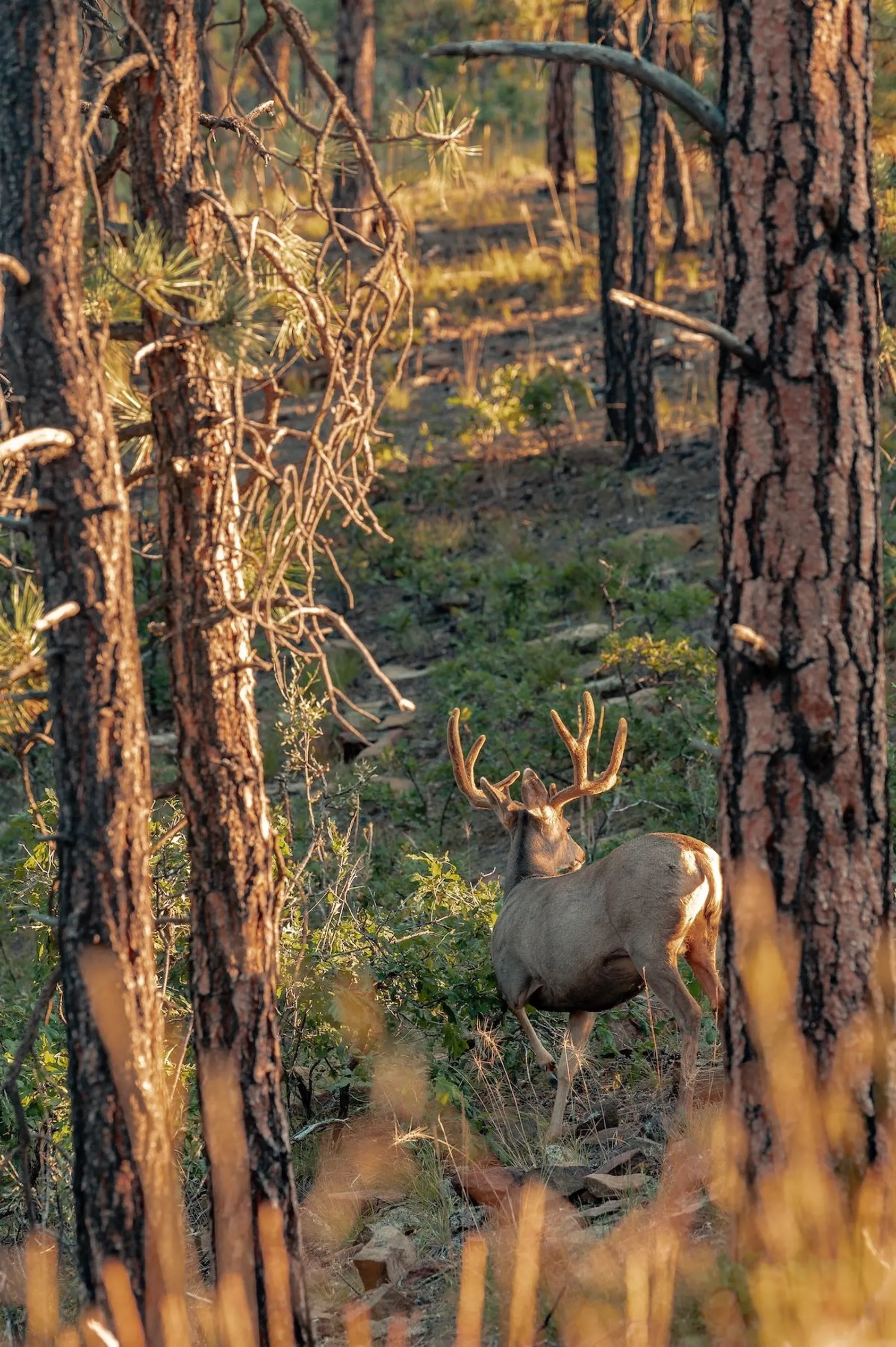
Like any type of hunting, there’s a significant amount of nuance to mule deer hunting. That includes the units you choose to focus on.
The southern end of the state is known for the bigger bucks, but it's harder to draw,” said Justin Losee, a Whitetail Properties Land Specialist in Utah. “It takes years to draw, but it’s usually worth your time. A couple of the best units are the Paunsaugunt and Oak Creek.”
The Fillmore is a general unit, and some of these units take a long time to draw, but the success rates are very good,” Losee said. “Rifle, muzzleloader, or archery — it's worth the wait.
According to Losee, Utah is harder to hunt because there is a point system. Ultimately, that maintains the quality of these highly desirable units. It also spreads out everyone's timelines. Then, when you do draw a tag, there’s a good opportunity to shoot a good buck.
Southern Utah aside, there are other regions to remember as well. Central Utah is one of those. According to Losee, the northern portion of the state is easiest to draw, though. That said, it doesn’t offer as much quality as other units with worse draw odds.
One unit is called the Wasatch Front,” Losee said. “It's the extended unit up by the houses of the ski resorts, which is an extended season. A lot of people use that because you can hunt from September until November with an archery tag. So, that's a nuance, whereas people don't often get to hunt past September. This takes it all the way out to November. It's a pretty neat opportunity here in Utah.”
Wyoming Mule Deer Hunting
In recent years, the quality of Wyoming mule deer hunting has declined. That said, it still provides reasonable odds of putting a big buck on the ground.
Region G is a well-known destination, as are other hard-to-draw units. Like other states, it takes a lot of preference points to draw in a sought-after trophy unit.
Those who hunt Wyoming should know that many public lands (designated as Wilderness Areas) are only open to those who hire an outfitter. Therefore, plan your unit selections and applications accordingly.
Bonus: Great Plains Mule Deer Hunting
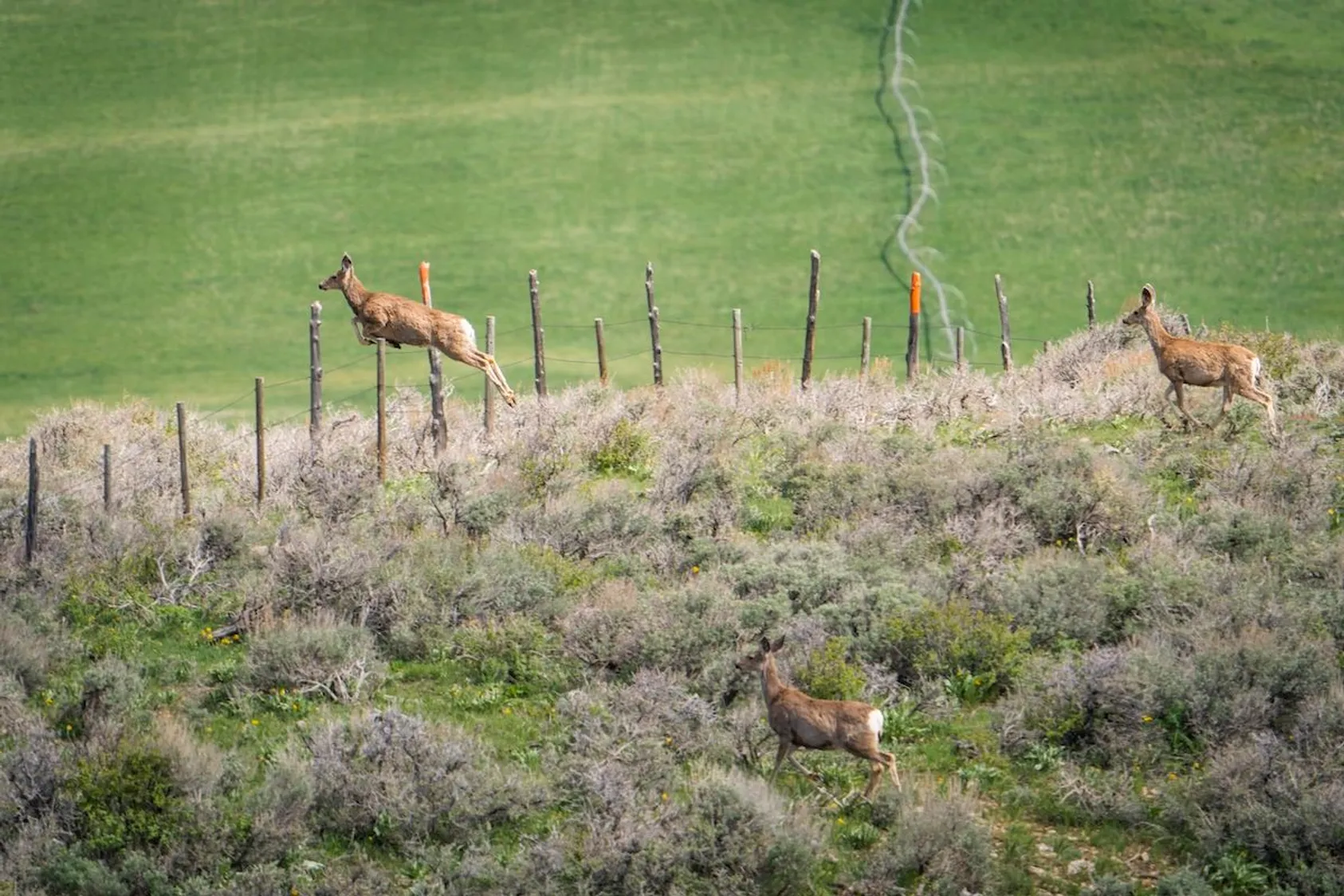
Mule deer hunting is available in parts of the Midwest, too. Some of the Great Plains states offer interesting opportunities to mule deer hunters.
For example, Kansas holds a huntable population of mule deer in the western third of the state. These grassland deer live on the prairies, and at times, along the timbered creeks. When applying for a whitetail tag, you have the option of securing the mule deer stamp. If drawn, you can hunt mule deer within the selected units.
Similarly, mule deer are common in western Nebraska, too. It offers a mix of habitat types, and hunting these prairie animals can be quite the fun challenge.
Mule Deer Hunting Frequently Asked Questions (FAQs)
Q: Can non-residents hunt mule deer?
A: Yes, non-residents can hunt mule deer. That said, this is regulated differently by each state, and requires careful studying of hunting regulations, tag application rules, etc. Oftentimes, drawing a non-resident tag takes numerous years of applying for preference points.
Q: What’s the best state for mule deer hunting?
A: This is subjective, but the answer depends on what you value most and prioritize in the hunt. Want to see the biggest buck possible? It’s likely Colorado or Utah, but that requires many years of preference point accrual for premier trophy units. Want to go on a hunt next year, see deer, and shoot one? Montana, and other over-the-counter and easy-to-draw tags are your routes to mule deer glory.
Q: When are the mule deer tag application deadlines?
A: These vary by state. Some have deadlines in the spring, such as March and April. Others are in the summer, such as June or July. Study the regulations and guidelines for the state you’re interested in applying for preference points and tags. Or contact a tag service that can handle this process for you.