Buying & Selling
Owning and Operating a Solar Panel Farm on Your Land
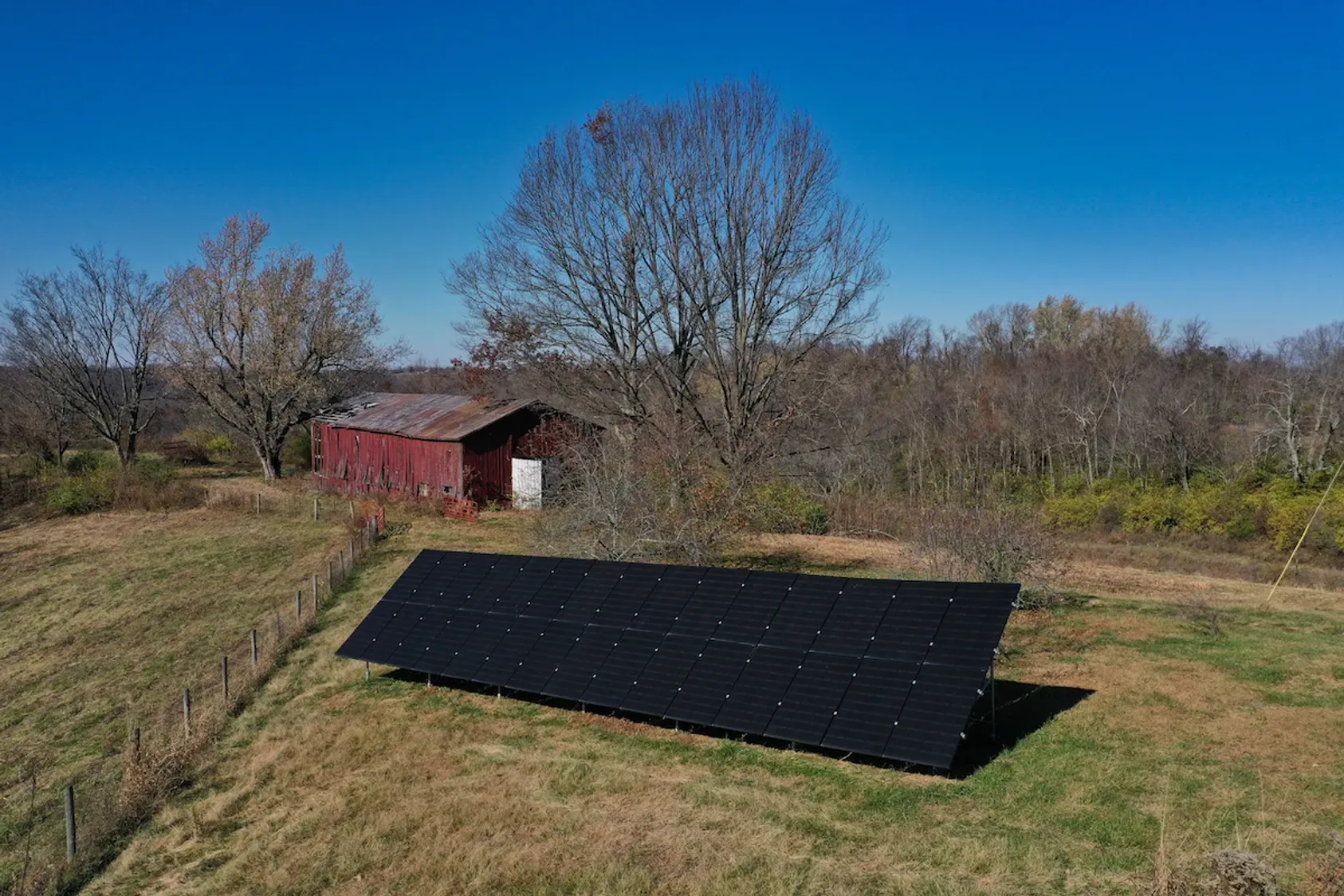
While owning and operating a solar panel farm isn’t something you do on your own, leasing your land out to utility corporations is an ever-increasing practice. The solar farming industry is growing, and according to Blake Shelby, a Whitetail Properties Land Specialist in Arkansas, your land just might qualify. Here’s what you should know about the solar panel farm industry.
Solar Panel Farms Defined
Solar farming is a relatively established practice. The concept kicked off in 1982 in California. It made the way forward possible for nationwide expansion.
Solar energy land leasing opportunities arise from the development of utility-scale photovoltaic (PV) solar energy systems typically designed to generate more than five megawatts (MW) of electricity,” said the University of Missouri Extension Office. “A utility-scale PV solar energy system connects to a substation that raises the voltage and sends electricity directly to the transmission grid. Utility-scale solar energy systems are increasingly being planned with battery storage to store electricity.”
Key Land Factors in Solar Farming
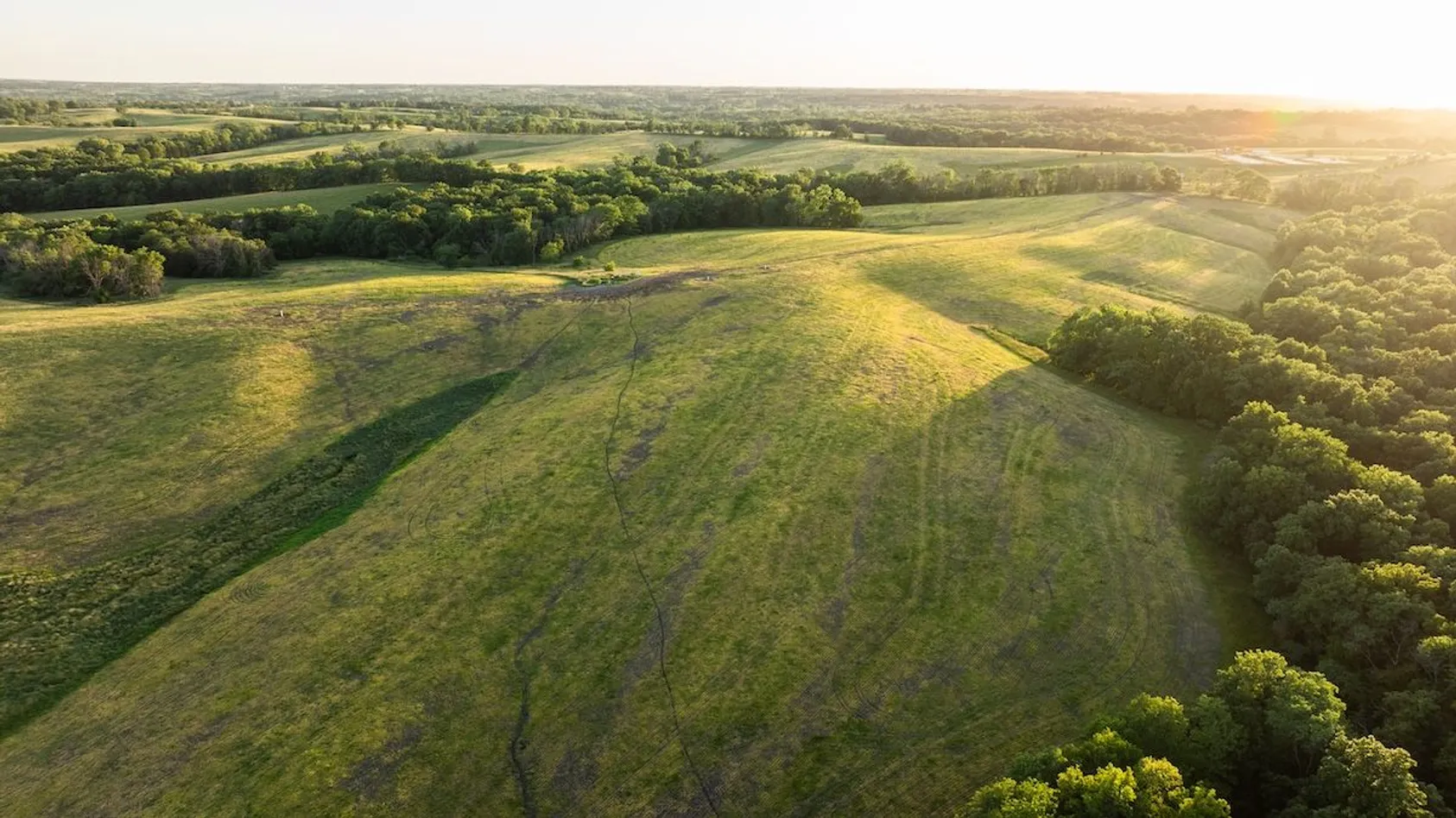
There are important factors in solar farming. Landowners must meet certain criteria to be considered viable candidates for solar energy leasing. For example, operations prefer larger acreages, especially with standalone landowners. While 30 to 40 acres might attract a utility solar company, 50-plus acres should draw ample interest. Community solar farms do occur, but these are smaller, different, and less common.
Obviously, direct sunlight is a must-have. However, certain challenges pose issues for solar farming. Excluded areas usually include spots near floodplains, dwellings, waterways, timbered areas, hazardous sites, and more. Even more, rarely are solar farms established close to national parks, state parks, and other state and federal lands. Also, lands with multiple owners, and without clear titles, are often passed on due to associated complications. Obtaining the proper permits can prove challenging as well.
Weather is a significant factor, too. Shelby notes that much of the Southeast is desirable for solar farming. (As are other regions and states.) Such areas draw interest primarily because these are far enough south that it doesn't get big snow loads. Also, the South does not have a lot of mountains. Additionally, solar authorities target locations far enough off the coast to reduce hurricane risks. Tornado-averse areas are also desirable, and historically, this area sees fewer of these.
On the plus side, properties that are near important infrastructure, such as substations and transmission lines, stand to receive priority. Those within 5 miles of a substation are likely within the optimal range. Properties with plenty of road frontage do, too.
Today, solar panel farms are much more prevalent than in past years. There has been a huge increase across the entire East Coast, but especially in the South,” Shelby said. “Louisiana, Arkansas, Mississippi, Alabama — what we referred to as the traditional Bible Belt, has been getting a lot of attention from the solar companies.
We also have a lot of land here that’s been in timber production,” Shelby emphasized. “People are looking for alternative ways to invest in their land. It’s not just timberland, but crop land as well.”
How to Start the Solar Panel Farm Process
For those who have land, do corporations approach them, or do they approach solar corporations? According to Shelby, it works both ways. That said, he advises individuals to be careful who they go into business with.
You have to be careful in this market,” Shelby said. “The government has thrown a lot of money at it. There are a lot of fly-by-night companies that are just going in and trying to make a quick buck on it. So, you have to be really careful with who you're working with, what your goals and objectives are, and what they're going to do.
Whoever you work with should be interested in, and follow through with, meeting your needs. What are you looking for? They need to be genuinely interested in that question and subsequent answers.
There are a lot of ways to get burned in the solar market,” Shelby said. “There are a lot of guarantees that you need in place. For instance, you need to know that, if this thing does not go through (if it goes under or the government pulls subsidies on it), that they don't just abandon your property. That can leave a big mess, and you have to know that, if it falls through, it's going to be returned to its natural state.”
Shelby advises having an insurance policy, which offers protections in the rare event a solar deal falls through. Additionally, he firmly recommends consulting a land specialist. Let them be in charge of it. Being proactive, and having good representation, assists in finding the best solar companies out there.
We'll really take care of you,” Shelby said. “But there are a lot of people out there who will take advantage of you. They'll tie your land up and hope that they can sell the solar rights to somebody else. Then, you really don't have control over it.”
Shelby points to various services out there, such as Land Gate, that allow you to put your property up for people to see. That helps the right individuals to see your interest in leasing the land for solar panels. Even then, be on your toes.
They will reach out to landowners who usually have not dealt with solar and don't have any education on it,” Shelby said. “They don't know the terminology. They don't know what they're getting into. So, hire a good agent who has been involved in solar, and who knows the right people, to handle that for you.”
Understanding Solar Panel Farm Agreements and Timelines
It’s important to know that solar leases aren’t short-term deals. These are long-term projects. These take a significant amount of time to plan and build.
They’re going to tie up your land in options for 5 to 7 years,” Shelby said. “You can make money during those years. They will pay you. But it's a lot less than what they're going to pay you once it goes into production.
Overall, solar leases oftentimes span 25, 30, or even 50 years. Again, this is not a short-term plan. All said, although most agreements are technically temporary, consider these permanent. Plus, after the lease expires, using the land for agricultural practices can be challenging.
As noted, the process begins with an option period. When solar farming started, that period was two years. Now, it’s usually longer, sometimes twice as long (or more). Of course, it takes time and careful planning to determine how the energy you produce will make it into the system.
They're going to hire electrical engineers to scope the project, and to make sure that it can be supported by the grid,” Shelby noted. Where it’s going to go. How it’s going to be stored. This and much more must be figured out.
So, they do that during the option period,” Shelby continued. “They must make sure that it fits. You can have a great piece of property, but if you're fourth or fifth in the queue for that area, time is taken up by other projects. So, your project might never go through, and queue position is really important.”
Although not always true, it’s usually first come first serve. Plus, power lines and substations are just like pipelines — these can only hold so much. If you're not in on it from the beginning, and others fill up that capacity, you might lose out.
Choosing the Right Solar Panel Farm Partners
Choosing the right solar panel farm partners involves numerous elements, including contract verbiage. According to Shelby, the contracts can be very confusing. You really need either a really good agent, qualified legal assistance, or both, before you enter into any of these agreements.
It requires a lot of research into who the company is,” Shelby said. “Are they actually producing solar fields? Do they have projects that have actually gone into production? Are they just prospecting with hopes that they're going to sell it to someone else? You have to be careful and seek good advice on terminology and the companies you're dealing with.”
That and more is a major prerequisite before moving forward. Check the right boxes, be extra diligent, and you can prevent a lot of strife down the line.
The Value of Solar Panel Farm Leases
The value of solar panel farms isn’t a one-size-fits-all deal. Geographic location, proximity to infrastructure, amount of annual sunlight, available subsidies, state taxes, and much more, influence how much landowners can make from solar farming deals.
There is a wide range of offers,” Shelby said. “It can vary greatly on how the deals are structured. So, once again, you need good advice. As agents, we have the ability to go in and see where major transmission lines and substations are located. So, if you're looking to put your property into a solar project, we can look at the important things.”
Oftentimes, with the proper agreements, income generated from solar panel farms can generate more income than typical farming operations, especially from a leasing position. However, while banks might be on board with solar operations regarding debt repayment, lands with solar panel farms are usually disqualified as collateral.
These and more are important things to study and consider before ever getting started. Contact a Whitetail Properties Land Specialist to help find the right property for this venture. Or, if you already own land, consult them for an evaluation of whether or not your property would be a good fit for solar farming.