Farm & Ranch
Profitable Pastures: A Landowner's Guide to Cattle Leasing Agreements
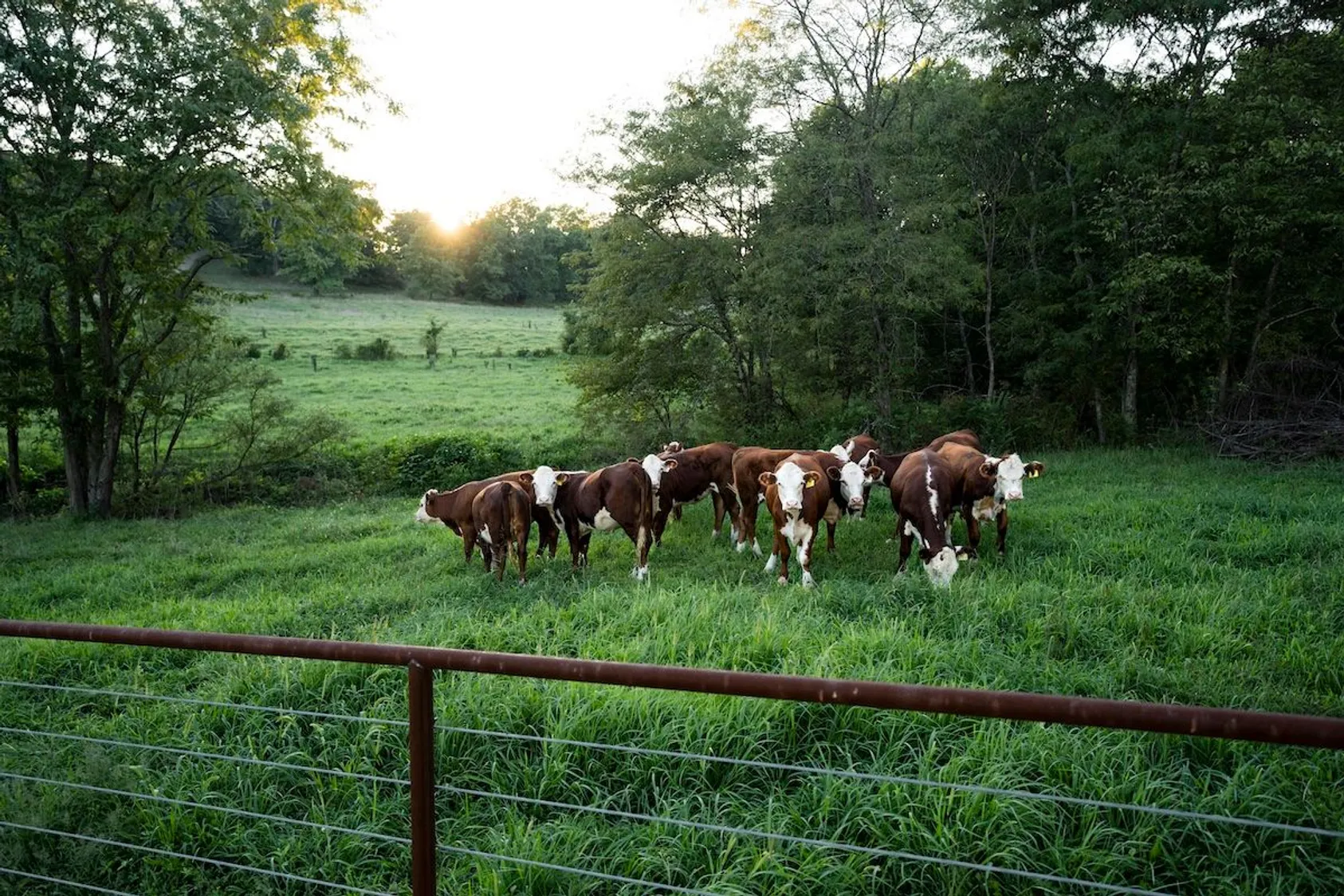
America and cattle are synonymous. The United States of America was built on the backs of agricultural professionals, and many of these were, and are, cattlemen and women. Naturally, cows require grazing lands.
While pasturelands might not be quite as profitable as top-tier tillable ground, these lands still offer significant value. Cattle land leases are common, and popular, throughout livestock country. For those interested in knowing more about pasture land for lease, here are some things to know about grazing lease agreements.
Editor’s Note: This is not financial, investment, legal, or real estate advice. Consult with a financial planner, investment specialist, real estate lawyer, and real estate professional before buying or selling real estate. Consult a qualified lawyer for legal advice and questions regarding pasture land lease agreements.
Is There Much Demand for Pasture Land Leases?
When the discussion of land leases arise, most think about crop ground, hunting land, and other common lease agreements. Pastureland leases are common, too, though.
According to the Iowa State University Extension office, nearly half of Iowa lands are rented to tenant operators. Many of these are livestock farmers.
Leasing cows can be an effective financial strategy for beginning or expanding cow-calf producers,” said the University of Missouri Extension Office. “Lack of capital is often a barrier for new producers and producers looking to expand. By alleviating the capital barriers of high input and start-up costs, leasing provides a less-capital-intensive and lower-risk option compared to purchasing cows, making it especially attractive to new producers or those with limited resources.”
Because of that, those who own pastureland can benefit by leasing land to farmers. Everyone wins.
How Are Cattle Grazing Leases Structured?
Leasing pasture land can be profitable for those who own land and lease it out to farmers. According to Rustin Hayes, a Whitetail Properties Land Specialist in Western Oklahoma, it’s an excellent option for passive income.
Some might wonder, what do these grazing lace agreements typically look like? Cattle leases look different from one to the next. However, these should all include language that addresses the needs of the lessor (landowner) and lessee (tenant).
Generally, there are many important pieces within the lease agreement. According to the University of Missouri Extension Office, these include party names, property description, lease dates, rental pricing, lessor obligations, lessee obligations, expected expenses for each party, allowable actions, permitted practices, right of entry, no partnership expectations, release of liability, arbitration guidelines, dates, signatures, and much more. Consult a qualified attorney with legal assistance and for drawing up contracts.
I've seen them that are one pagers,” Hayes said. “Then, a lot of them are what’s called an CCC-855 form. That’s through the USDA. It's also a one-page deal, but it allows you to turn in grazing and acreage reports through your local Farm Service Agency office.”
According to Hayes, these have numerous elements, but several things are most important. These agreements always include terms and price. Then, these detail what the landlords and tenants are in charge of.
Notably, Hayes leases pasturelands himself. One of the properties that I lease, I'm in charge of water and fence,” Hayes said. “That means pumps and other things like that are my responsibility. The landowner has to have a good water well for me to be able to pump water out of. But if I want a new fence, that's on me.
With these ag leases, I see a lot of them that are 40 years old, and they have a clause at the end of them that says they can extend this at the end of the lease with payment,” Hayes continued. “In Oklahoma, as long as that payment is made on time every single year, that lease continues to be good year in and year out.”
While terms and conditions can vary from one lease agreement to the next, these usually exist on 12-month (one year) timeframes. The type of cattle operation can influence the lease agreement as well.
On cow-calf operations, I generally see 12-month leases,” Hayes said. “I also see month-to-month, especially if you're looking at a stocking rate lease, or a per-head-per-day grazing lease for yearlings and stocker operations. But, generally, it's an annual lease with a few clauses in there.
What Are Cattle Stocking Rates?
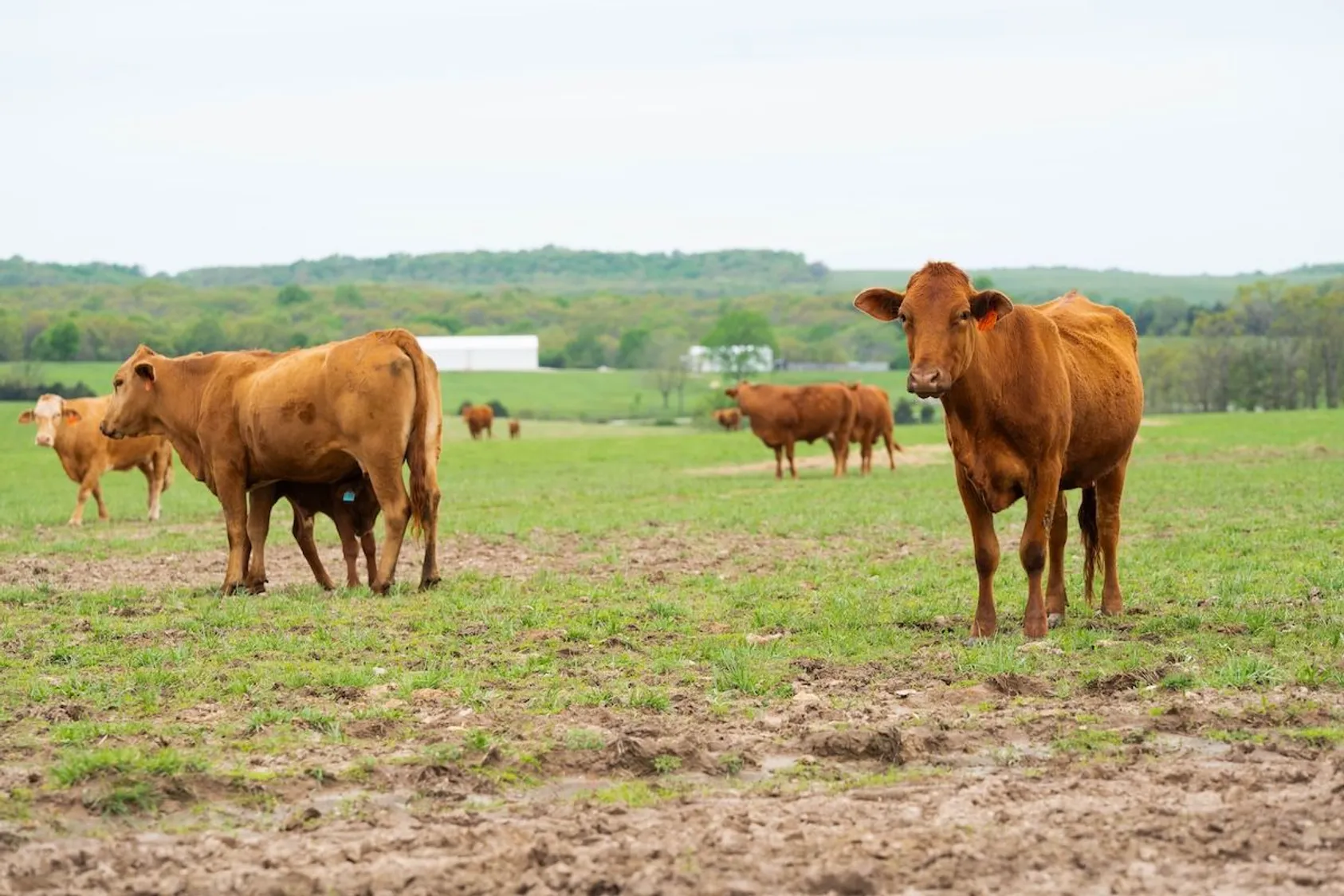
Another important element of pastureland leases is the cattle stocking rate. This is the allowed number of livestock per acre. This is important to regulate, as it impacts the long-term health of the property.
Perhaps the most important aspect of any pasture lease is the stocking rate,” said Purdue University. “Clearly specifying the stocking rate in the lease agreement helps avoid disagreements between both parties and maintains the quality of the grass stand.
When establishing stocking rate by number of head, it is important to designate the type (e.g. bull, cow, yearling, etc.) of livestock and weight of livestock to be grazed,” it continued. “Stocking by animal units is useful for stocking animals that are not necessarily for weight gain, such as dairy heifers, beef cow/calf, and horses. Because the definition of animal unit has changed over time, it is recommended that any pasture lease agreements specify the definition being used.”
Even if a lessee has a 12-month lease, but doesn’t have cattle on it all 12 months, it still works out. With the right deal, and the right agreement, everyone wins.
I can increase the stocking rate (a little bit) based on that,” Hayes said. “So, if I'm going to run one cow per 12 acres on a per-head-per-acre basis, but I'm only going to have cattle on it for eight months, I might bump that up to one cow per 9 or 10 acres for those eight months.”
Naturally, done the right way, and fairly for all parties, you can find a justifiable agreement that benefits everyone. Of course, the timeframe when grass is green is the best time to have cattle on it, anyway.
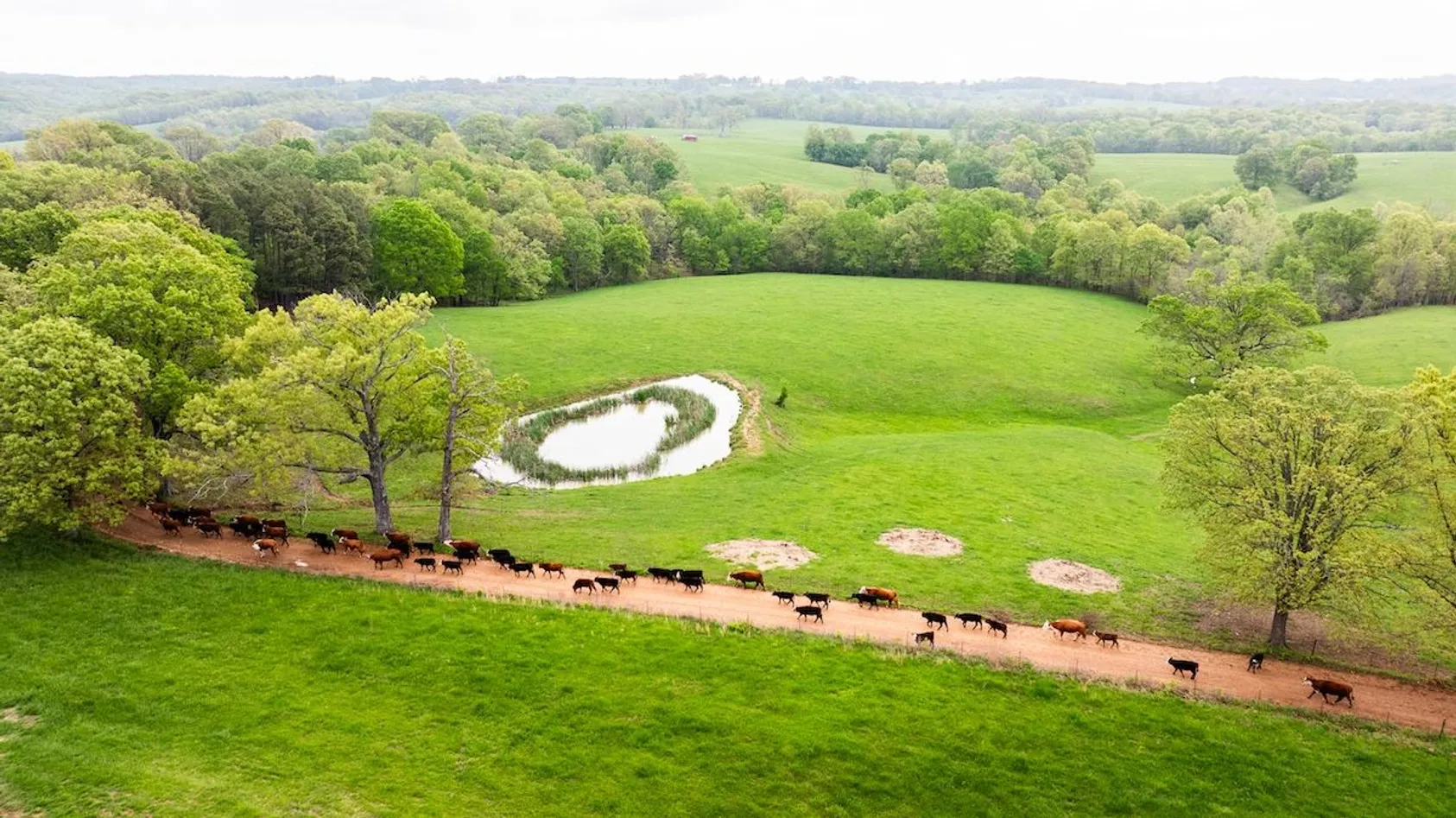
How Valuable are Cattle Leases?
Each pasture land situation is different. The cattle market, weather conditions, and other factors can cause prices to fluctuate. That said, what’s the range typically look like for what landowners can get per acre for pasture land leases?
I see anywhere from $5 per acre in the West to $35 per acre where it rains quite a bit,” Hayes said. “Obviously, it's all about how many animal units you can run on that property. A lot of the ground that I lease, I can run one cow per 12 acres, and it's $10-$15 an acre.
Who leases can impact pricing, too. It varies, and what I mean by that is, you can get more money out of it, but you also need to be aware that the guy that you're getting more money from is also going to use it harder,” Hayes said. “They might not necessarily take care of your ground as well.”
He says, it's almost always worth more for the land to be taken care of versus what makes landowners the most short-term money, especially in more arid climates.
According to Hayes, most of the landowners he deals with are looking at it from the long-term perspective. Who will take care of their land the most? Because putting too much stress on a property can limit future value. They need to be able to continue leasing and preserve the ability to receive lease income long-term.
Therefore, simply leasing to people who can pay the most money right now isn’t always the best (or most profitable) option for the long haul. Oftentimes, those who offer the most money today tend to overgraze pastures. That can limit the value for the future, especially during drought years.
What Are Other Grazing Lease Factors to Watch For?
While this isn’t nearly an exhaustive list, there are other grazing lease factors to watch for. Go into the process with complete awareness. If you work with someone, ask for references. Do your due diligence.
Make sure that you are aware of who is leasing your land,” Hayes said. “I've always been told that, if you take care of the land, it'll take care of you. As long as you have somebody who is willing to take care of your property, and use it the right way, it's good for wildlife, income, and it all can coexist.
Hayes says that a lot of deer hunters seem to forget that pasturelands and hunting ground can overlap. He sees a lot of guys in that part of the world who buy property specifically for recreational purposes. However, that doesn’t mean it can’t have a cow on it ever again.
If you buy specifically for hunting and recreation, understand that you can manage wildlife and still work with cattle farmers. Hayes points to numerous examples of individuals who do this. Incredibly, they're seeing more wildlife yet still able to work with cattle ranchers.
They can have cattle off of their property prior to hunting season,” Hayes said. “Or other times when the landowner wants to use that property for themselves. And a lot of these cattle ranchers are so excited to be able to use it and also make it better for the landowner. That way, everybody can coexist, and it also works well for the greater good of the land.”
Hayes points to one of his own leases as an example. He told the family that, if they wanted to deer hunt the property, he'd be happy to have cattle off prior to deer season. That way, they could get cameras out, and things like that. They wouldn't have to worry about cattle getting in the way.
Looking to invest in pasturelands? Contact a Whitetail Properties Land Specialist in the state you plan to purchase grazing land. They’ll answer questions, address concerns, and help find the right property for you.