Hunting
Bow Shooting Tips: How to Improve Accuracy for Deer Season
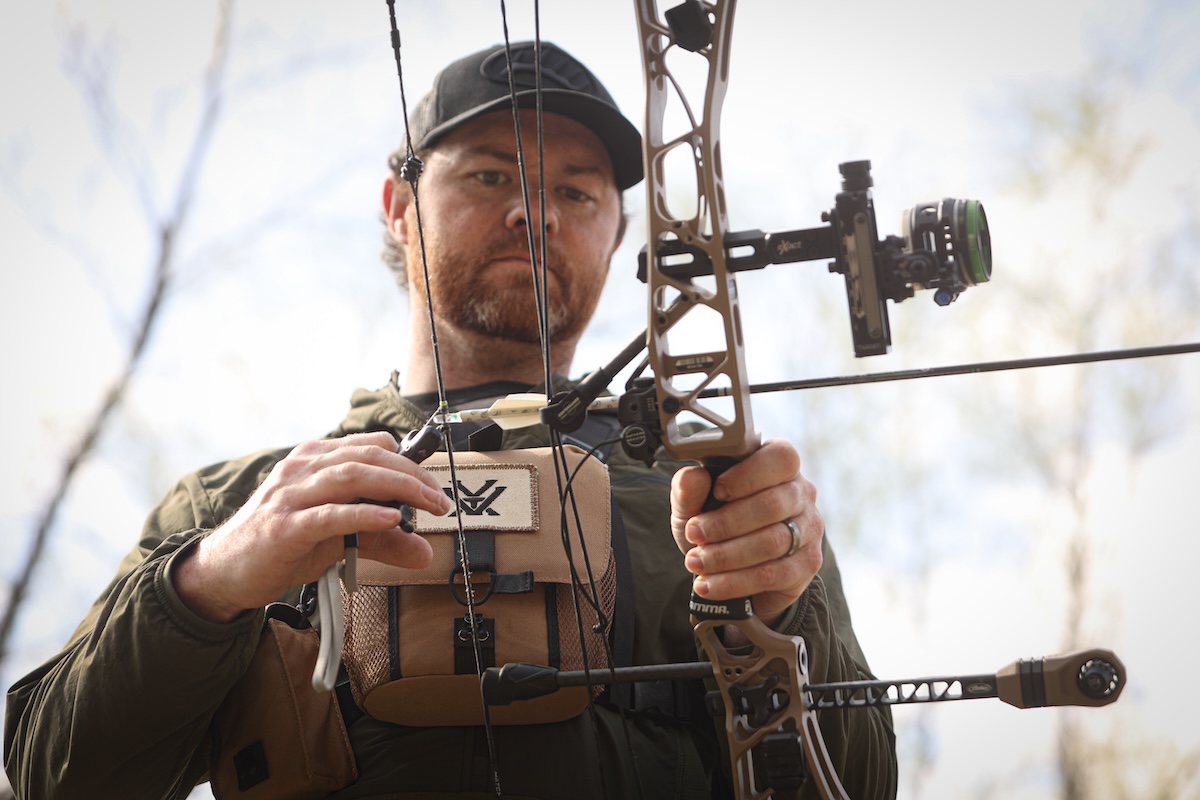
Mathews bow in hand, you hope for improved bowhunting accuracy. With numerous consecutive misses, it’s time to set ego aside, eat humble pie, and realize deer hunting by bow isn’t simple. Read on for bowhunting tips on compound bow accuracy. Get in that archery practice now to improve efficiency with stick and string. Because shooting a compound bow takes work, time, practice, and a bit of skill.
Use a Bow with a Lower Let-Off Percentage
The first step in better shooting is using a bow with a lower let-off percentage. Everyone is all about higher let-off percentages. Without a doubt, these offer notable advantages. However, for those wanting or needing extra holding weight at full draw to keep the pin steadier, consider a lower let-off percentage. Dropping back to 75% or 80% should do the trick.
Buy a Release Aid That Works Best for You
All release aids aren’t created equal. Find a style, brand, and model that works for you. Go to a local bow shop and test drive a few different offerings. Determine which one you’re most accurate and comfortable with and then begin practicing with it.
Buy Straighter, Higher-Quality Arrows
Compound bow arrows come in a variety of qualities. More specifically, they are offered in various degrees of straightness. Generally, these range from +/- .001 to +/- .006, with the former being straighter (match-grade) and latter being less straight (budget hunting) arrows. Of course, any of these will fly just fine. But straighter arrows do offer a slight margin of improved performance.
Use Better (and the Right) Bow Grip, Wrist Strap, and Bow Stabilizers
The most minute and mundane of bow accessories often have significant impacts. For example, install a bow grip with a smaller profile that better fits the contour of your hand. (This decreases the contact surface area between the bow grip and your hand, which reduces the likelihood of torquing the bow.) Next, use a wrist strap (to boost confidence in a relaxed bow-hand grip). Third, install a stabilizer that is best attuned to your setup. (Select the make, model, size, and configuration that optimizes balance.
Optimize Your Draw Weight for Smooth Drawing and Accuracy
Too many bowhunters think they need 80-pound, elk-based draw weight to kill a deer. They don’t. Set the compound bow draw weight to what you can comfortably draw pulling the bow string straight back (without raising the bow) while cold and wearing full hunting gear. An easier draw will lead to improved accuracy.
Micro-Tune Your Compound Bow Draw Length
Draw length places a major impact on accuracy as well. A draw length that is too short, or too long, decreases accuracy and increases group sizes. To remedy this, micro-tune your compound bow draw length.
Set Your Third Axis for Better Shooting in Uneven Scenarios
Setting your third axes is another important method to elevated compound bow accuracy. It’s especially beneficial when shooting in uneven terrain and other challenging scenarios. This added optimization gives archers a better platform and more tools to work with.
Paper-Tune, French Tune, and Walk-Back Tune Your Compound Bow
With the bow set up, it’s time to tune the bow. Archers have an array of available tuning options. The most common of these include paper, French, and walk-back tuning. Each offers a slightly different method for further dialing in the efficiency of the bow.
Fletching and Broadhead Tune Your Compound
In addition to tuning the rest and nocking points to straighten arrow flight, it’s also good to tune the fletching and broadheads. Align these to the same planes. Furthermore, shoot with broadheads to ensure these are flying true. Rank and number arrow setups based on those that shoot best (more consistent) to worst.
Set Your Feet Shoulder-Width Apart
Use proper shooting form to immediately heighten accuracy. This starts with the right foundation, which is in your feet and legs. Set these about shoulder-width apart with a slightly open stance. Play within the acceptable range of form to determine the exact mechanics combo that feels and works best.
Use an Easily Repeatable Grip with Your Bow Hand
Consistency is key, and so is using an easily repeatable grip with your bow hand. Hold the bow with the best and most consistent grip method. Maintain the exact same format from shot to shot. As with all other phases of archery mechanics, this portion must be imprinted into muscle memory.
Use Your Back and Lat Muscles to Draw and Hold
Too many archers use their arm muscles to draw their bow string. Instead, use your back and lat muscles to draw and hold the bow tension. It’s much easier to draw using these muscles and makes for an easier hold when a deer takes its sweet time turning broadside.
Drill Down on a Consistent Anchor Points and Other Mechanics
Establishing a consistent anchor point is pivotal within archery mechanics. Find a groove and stick with it. Oftentimes, archers use one or a combination of repeatable anchor points, such as a kisser button, nose button, pointer finger along the jaw line, knuckle against the ear lobe, etc.
"Practice is key, and we don't do enough of it, especially me, full transparency,” said Dustin Pavelski, a Whitetail Properties Land Specialist in Pennsylvania. “But the ticket that I can come up with is repetitions and back to the basics, such as anchor points, follow-through, all that stuff should be incorporated."
Center Your Bubble Level Before Every Shot
That bubble level might look insignificant, but it’s a pivotal piece of the sight puzzle. Center the bubble level on the sight before every shot. This minimizes odds of torquing the bow and shooting from an off-center plane of operation.
Focus Through the Peep Sight Cleanly (And Use the Right Peep Size)
Most compound bow users run a peep sight. Therefore, choose the right peep diameter size for your eyesight and visual needs. (Some prefer smaller or larger diameters.) Plus, regardless of peep sizing, it’s important to focus through the peep sight cleanly.
Focus Visually on the Target (Not the Pin)
Place focus on the target, rather than the peep or sight pin. This allows you to see the target much crisper. It’s also much easier to visualize a high-quality shot. It’s a seemingly small factor, but one that carries significant weight.
Allow for More Trust in Your Pin Float
It’s common for bowhunters to try to “force” their pin onto the target. Holding the pin on target can seem possible, but in reality, isn’t achievable. In fact, it only creates more anxiety, tension, and leads to poorer archery mechanics. Instead, trust your pin float. It’ll get the job done.
Squeeze the Trigger Slowly and Gradually
While floating over the bullseye, slowly engage the trigger. This gradual increase in pressure will help create a “surprise” shot that produces a crisp trigger break. Proper execution of this sudden and subtle mechanical operation can be the difference in success or failure.
Maintain a Smooth and Consistent Follow Through
The follow through is everything that happens after the trigger breaks. For most, the ideal follow through involves a repeatable post-shot motion. Generally, that’s a slight forward tipping motion of the bow.
Practice Longer Full-Draw Holds
Despite mimicking highly realistic animals, most archery targets sit still and don’t move. Oftentimes, drawing on live game requires significant hold times at full draw. By practicing longer full-draw holds, hunters better equip themselves for potential shot opportunities that test their strength and patience.
Shoot at Greater Distances
It’s never OK to shoot at wild game beyond acceptable, ethical distances. However, practicing at greater distances on the range makes shorter game-time shots easier and less intimidating. Frequent practice out to 60 or 80 yards makes that 20- to 40-yard shot a lot less daunting when a big buck steps into view.
"By practicing those things ... it is definitely going to enhance and boost your success rate, your accuracy, and all that,” Pavelski said.
Practice with Low-Light and Other Hunting Scenarios
Most bowhunters are good about practicing with their bow in the backyard. They might even follow a consistent archery practice routine. But do they practice in low light, from treestands, and other hunting scenarios? Most don’t.
"If you got a new treestand, you should be shooting out of that treestand,” Pavelski said. “If you got a new blind, you should be shooting out of it."
Simulate Awkward Shooting Positions
A lot of people conduct general archery practice standing up, but fewer hunters will actually practice hunting scenarios.
"It is very important to practice in different positions, elevations, inside of a blind, and outside of a blind,” Pavelski said.
It is important to practice different things like sitting from a stand position or twisting and turning into contorted positions that you might be forced to shoot from.
"I bought three new blinds and never shot out of them, only to find out they were too small for me to even draw my bow in because I have a long reach and a long draw,” Pavelski said. “Plus, I love the saddle more than anything else because I feel more anchored and a little bit more comfortable for someone who doesn't like heights.
"When I get up in a treestand, I don't like heights, and my legs are always shaking,” Pavelski continued. “As you get up there and build repetition, you get yourself more comfortable shooting at a target on the ground."
Practice with All Hunting Gear
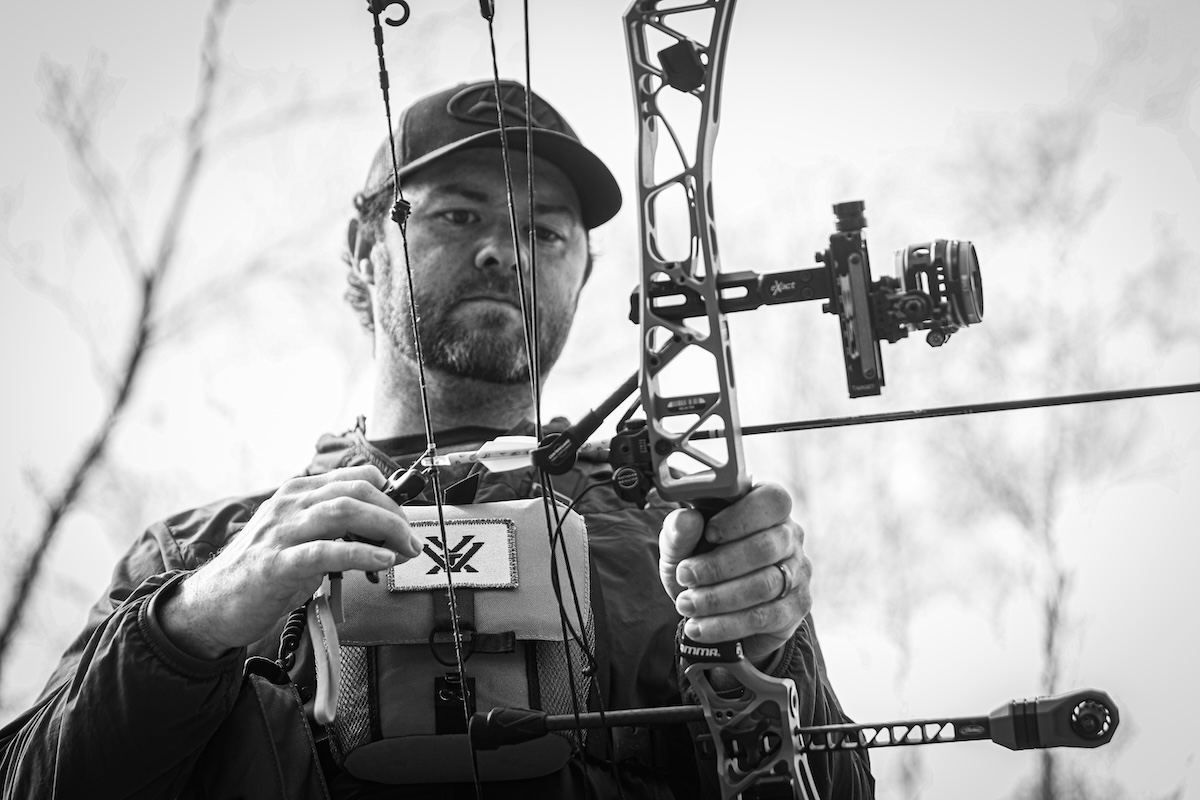
Practice shooting with as much of a real-life scenario as possible. Have all of your hunting clothing and gear on, like your safety harness or bio harness. That gear can sometimes change your stance microscopically, but it can change things.
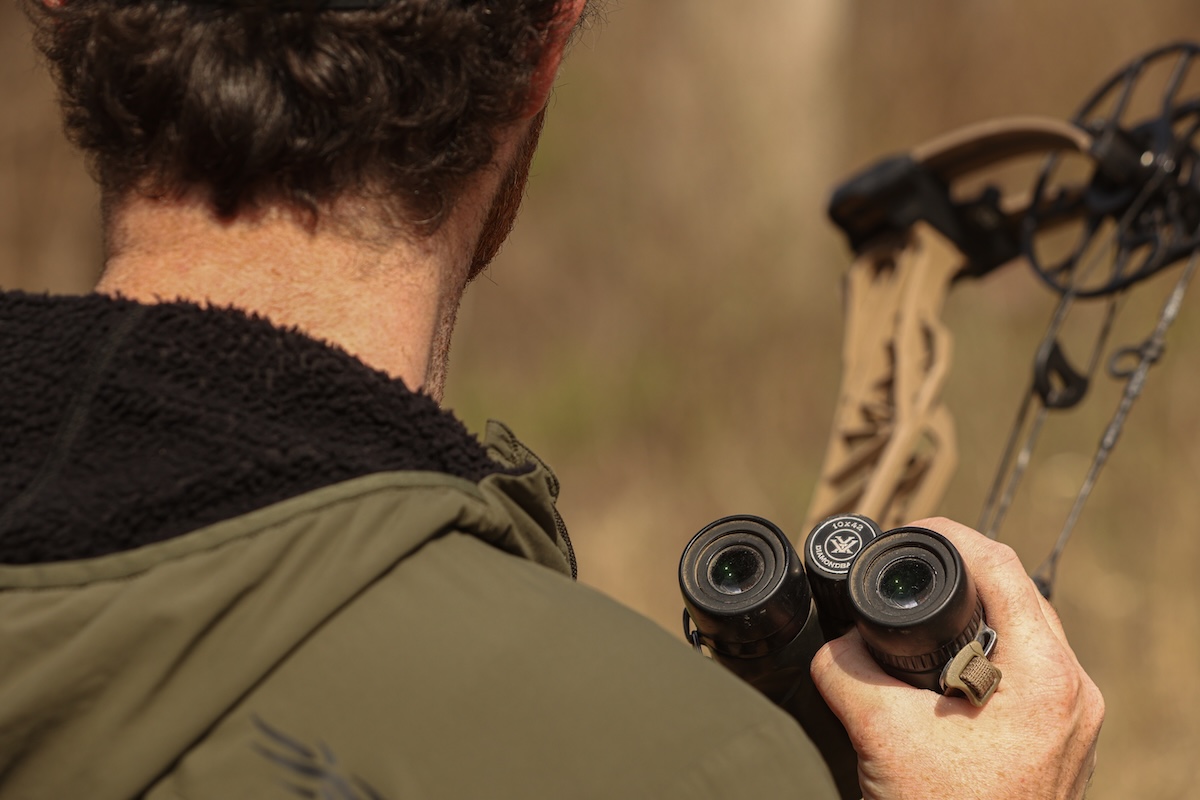
Pavelski emphasizes the importance of realistic practice for bowhunters, noting that practicing in warm weather without gear fails to account for how bulky December clothing and binocular chest harnesses alter your anchor point. Honing these fine skills under realistic conditions is essential for success.
Shoot Single Shots with Adrenaline and Fatigue at 3D Buck Targets
It’s quite difficult to simulate the emotions in play when a buck walks out and buck fever sets in. Bowhunters can simulate this, though. Start with a 3D buck target on the range. Run a sprint or otherwise create fatigue and elevate heartrate. Then, immediately draw and take a single shot. This elevates heart rate, which can closely resemble the effects of whitetail-induced adrenaline. This facilitates practicing challenging real-life scenarios and helps determine effective range on live deer.
But Never Continue Full Practice Sessions When Tired
Full-length practice sessions with mechanically sound repetition are important. But never continue longer practice sessions when tired. Repeated implementation of poor mechanics can introduce bad habits and embed poor shooting form into muscle memory. Before becoming fatigued, hang up all archery equipment until another day.
All things considered, you can implement virtually all of the above steps immediately. By implementing these bow shooting tips, you’ll improve accuracy in no time.
For landowners looking to sell their land, contact a Whitetail Properties Land Specialist today. We can answer questions and help with your real estate needs. For buyers hoping to purchase land, check out some of the available listings near you.