Wildlife Management
Clover Seed for Deer Food Plots: A Staple Food Source for Whitetails

Brassicas, cereal grains, clover, fruit trees, and more — what should deer hunters and land managers plant in their food plots? Perhaps the best answer is clover seed, which is a staple food source for deer.
There’s much to know when planting clover. On the macro level, understand spring food plots for deer. Planting food plots for deer in spring isn’t as popular as fall plotting, but it’s still important.
Of course, fall food plots for deer are more common. But when planting clover, there are major differences in how and what to plant in spring vs. fall.
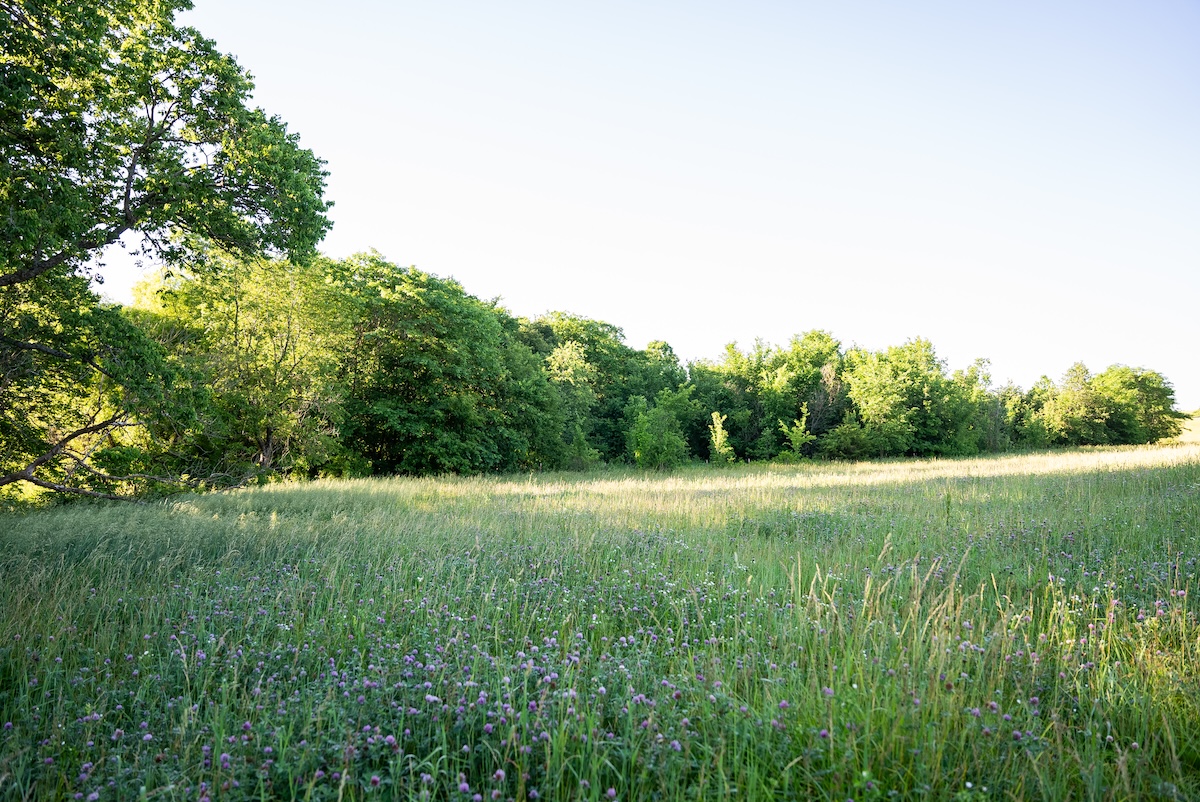
Read to learn the following:
● The best clover species for deer food plots.
● The reasons to plant clover for deer.
● The nutritional benefits of clover.
● When to plant clover.
● Where to plant clover.
● Best practices for planting clover.
The Best Clover Species for Deer Food Plots
It’s important to know the best clover species for deer food plots. There are annual and perennial clover species. Of course, annual clovers (i.e.: Arrowleaf, berseem, crimson) last for one growing cycle and die off. Perennial clovers (i.e.: red, white) generally last three-plus years, depending on specific variety, conditions, maintenance, and more.
ANNUALS
Arrowleaf Clover: A cool-season clover species, this annual does well planted in the fall and lasts until hot weather the next summer. Plant in well-drained soils in areas with 6.0-6.5 soil pH. Despite being an annual, with good management, light overseeding, and productive self-reseeding, you can get several years out of one full planting.
Balansa Clover: A lesser-known food plot option, Balansa clover is another annual clover that food plotters should consider. It can reach up to 3 feet tall and sends tap roots up to 3 feet deep. Because of the plant bio makeup, even the stems are highly palatable for deer, and protein levels can reach 30%. It’s especially hardy in colder climates. Soil pH should be at least 6.0. This variety is commonly mixed and planted with crimson clover.
Berseem Clover: One of the most popular annual clovers, berseem clover (A.K.A. Egyptian clover) is highly attractive to deer. It’s also known for producing large loads of forage per acre. With low to moderate deer densities and adequate acreage planting, it can reach up to three feet tall. Plant with a rather neutral soil pH that’s 6.0 to 7.0. Two popular varieties of berseem clover include “frosty” and “Bigbee.”
Crimson Clover: There are few clover species more beautiful than the rich, deep-red flower of the crimson clover. An annual plant species, crimson clover completes the life cycle in one growing season. That said, it grows significantly faster during the colder months, making it excellent for early spring green-up. It’s also very good at suppressing weeds, which is why some plant this in the spring and then perennial clover in the fall. Protein levels can reach 30% in a properly managed plot.
PERENNIALS
Red Clover: The mighty red clover is the tough guy of the clover family. It’s very drought-resistant and cold-tolerant — notably more so than white clover. It also grows tall, throws numerous clusters of leaves, and produces a great tonnage of forage for deer. Protein levels generally range 20% to 30%. The two most notable varieties of red clover include medium and mammoth clover.
Medium Clover (Red Clover Family): The traditional red clover aside, Medium clover is another red clover variety. Although a perennial, it has a shorter lifespan than most varieties. It’s known for fast growth, high protein, and is highly resistant to mowing and browse pressure. It also thrives at nitrogen production in the soil. It can grow in many soils that are acidic and wet.
Mammoth Clover (Red Clover Family): Another member of the red clover family, Mammoth clover is a biennial perennial. Sure, it’s a shorter lifespan, but sometimes carries over for a third year. It’s notably taller (up to three feet high) than traditional red clover, has a long taproot, but grows back slower.
Strawberry Clover: One of the lesser-known clover species, strawberry clover gets its name from the pinkish-white, strawberry-colored flowers. This is a hardy perennial and does well in wet (or even waterlogged) soils where other clover species won’t grow. It doesn’t grow as tall, stays closer to the ground, but establishes dense coverage. Plant it in wide ranges of USDA planting zones and soil pH ranges (saline or alkaline).
O’Connors Clover (Strawberry Clover Family): A cultivar of strawberry clover, O’Connors clover was made for harsh conditions. It works to bind together soils that are wetter, making it ideal for flood-prone food plots. Benefit from its deep root system.
Palestine Clover (Strawberry Clover Family): Developed in Australia, this is another cultivar of strawberry clover. Palestine clover offers better performance with higher salinity. Again, it has a deep root system and does well in waterlogged soils.
White Clover: The gold standard of the all-encompassing clover species, white clover is an exceptional legume that provides top-tier forage for whitetails. It’s very palatable, drought-resistant, handles browse pressure, and more. It also has a long lifespan lasting up to five years. The two most popular and productive varieties of white clover are Durana and Ladino clover.
Durana Clover (White Clover Family): One of the newer clovers on the market is the Durana clover variety, which is within the white clover family. It was developed by Dr. Joe Bouton. Formerly with the University of Georgia, he is now with the Nobel Foundation in Oklahoma. It was created for advanced browsing tolerance, competes better with grasses and weeds, and more. It’s even more resistant to cold and drought.
Ladino Clover (White Clover Family): Likewise, Ladino clover was bred to be very palatable. The plant can grow up to 10 inches tall and is known for the iconic white flower. It also holds up well to higher-than-average browse pressure. Simply, it’s a staple in the food plot world, and is one of the most-planted varieties on the market.
The Reasons to Plant Clover for Deer and Nutritional Benefits of Clover for Whitetails
Clover is a staple in the food plotting world. There are many reasons to plant clover seed for deer food plots. First, is the palatability of clover. Deer love the taste. They can easily digest it. Deer benefit greatly nutritionally, especially in terms of protein. Different varieties of clovers range from the upper teens to 30%. Most are somewhere between 20% and 28%.
Fortunately, other than sandy dirt, clover grows well in most soil types. As previously discussed, specific varieties do better or worse depending on moisture levels, pH ranges, and other conditions. Match the selected variety to your goals and conditions.
Given its long growing season — up to 8-10 months throughout much of the whitetail’s range — it’s an excellent choice for food plotters. Deer consume it regularly for months, and it gives land managers greater bang for their buck.
To that point, clover is cheaper to grow. Sure, the initial sticker shock is high. And you don’t get big bags of seed for the money. But you don’t need big bags, or very many of them, to establish clover plots. Clover seed is small and goes a long way. Furthermore, well-maintained perennial clover can last three, four, even five years. In contrast to planting even the cheapest of annual food plot plant species, clover is much cheaper.
When selecting a clover (or clovers) to plant, choose options with lower lignin, which is the material that causes stems to be longer, straighter, and more rigid. Higher levels of lignin are common with clover varieties made for cattle pastures and hay crops. In contrast, whitetail-specific varieties have less lignin, more leaves, and increased palatability. Thus, it’s important to be extra mindful and cautious of planting livestock-branded clover for whitetail food plots.
When to Plant Clover for Deer Food Plots
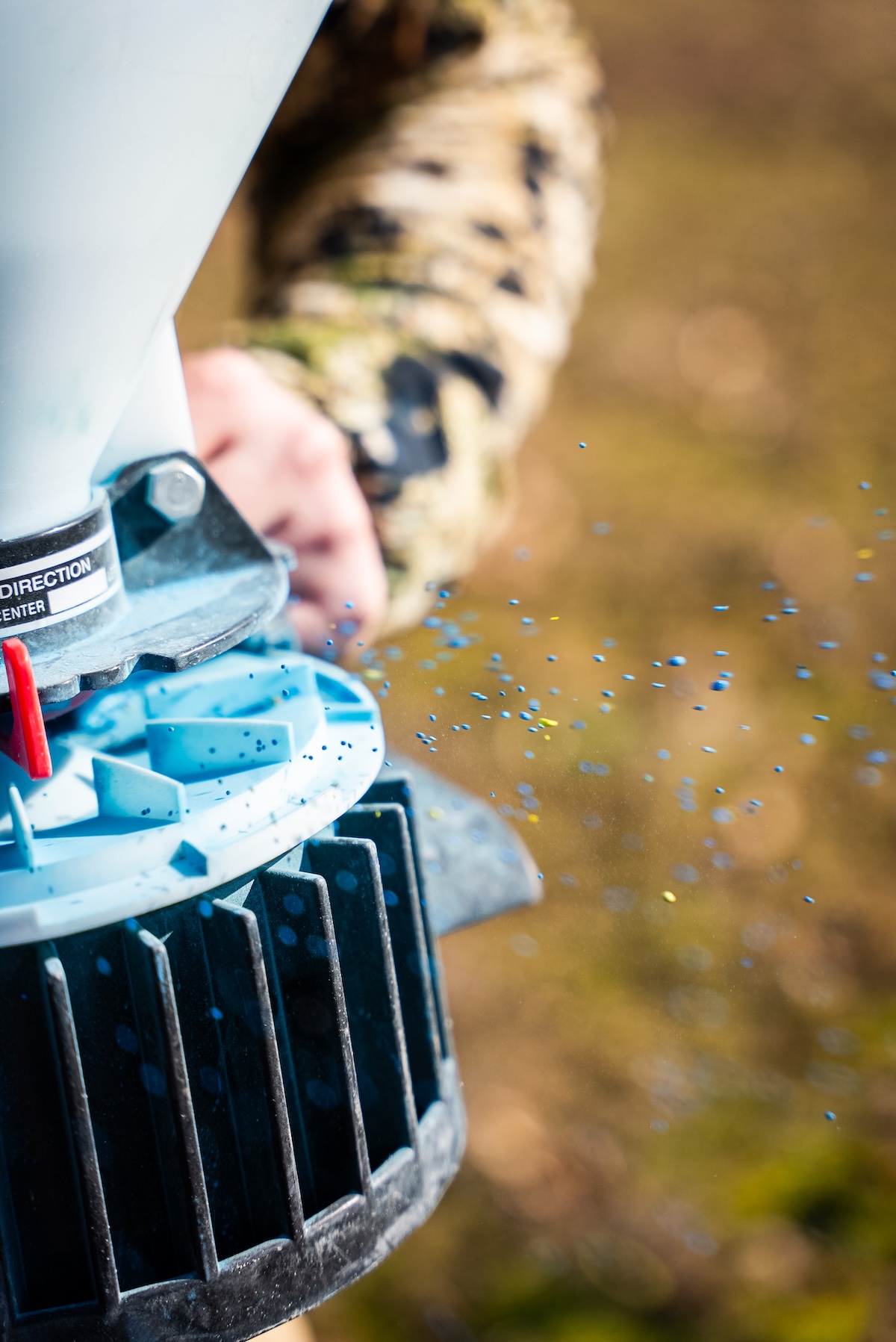
For those new to clover, the big question is when should you plant clover for deer food plots? After all, timing impacts the success of food plots. The broad answer? Spring, fall, or winter.
Spring: Plant clover in spring to have a viable stand in the fall. Most perennial clover species can be planted in spring. However, spring plantings require more intensive weed management.
Fall: Plant clover in fall to produce a great stand the next spring and fall. Annual species must be planted in the fall. Perennial clovers do better in the fall, too. For perennials, plant with a nurse crop of cereal grains for the best results.
Winter: A popular planting method for spring green-up, consider frost-seeding perennial clover in winter. Do this with fresh snow on the ground. Throughout the remainder of winter, the repeated freeze-thaw process will pull the seed into the soil. Medium and Mammoth red clovers are excellent options for frost-seeding.
Best Tips for Planting Clover Plots for Deer
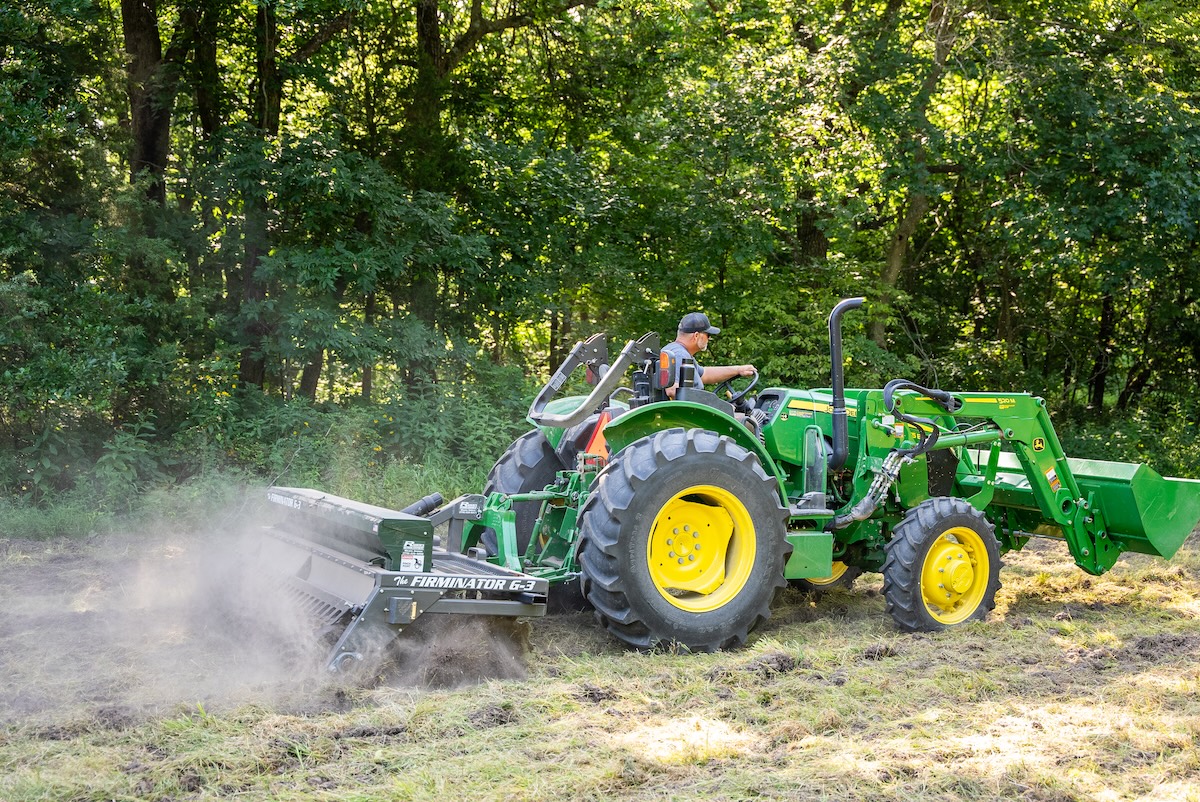
Food plotters should implement certain tips for planting clover plots. First, read the food plot planting instructions on the bag. Follow the directions for when, where, and how to plant clover. Do that, and odds of successful food plots increase significantly. Food plot bags recommend numerous things, most important of which include planting depth, seeding rates, and timelines. It will showcase the proper window for planting based on the planting zone, of which are very nuanced.
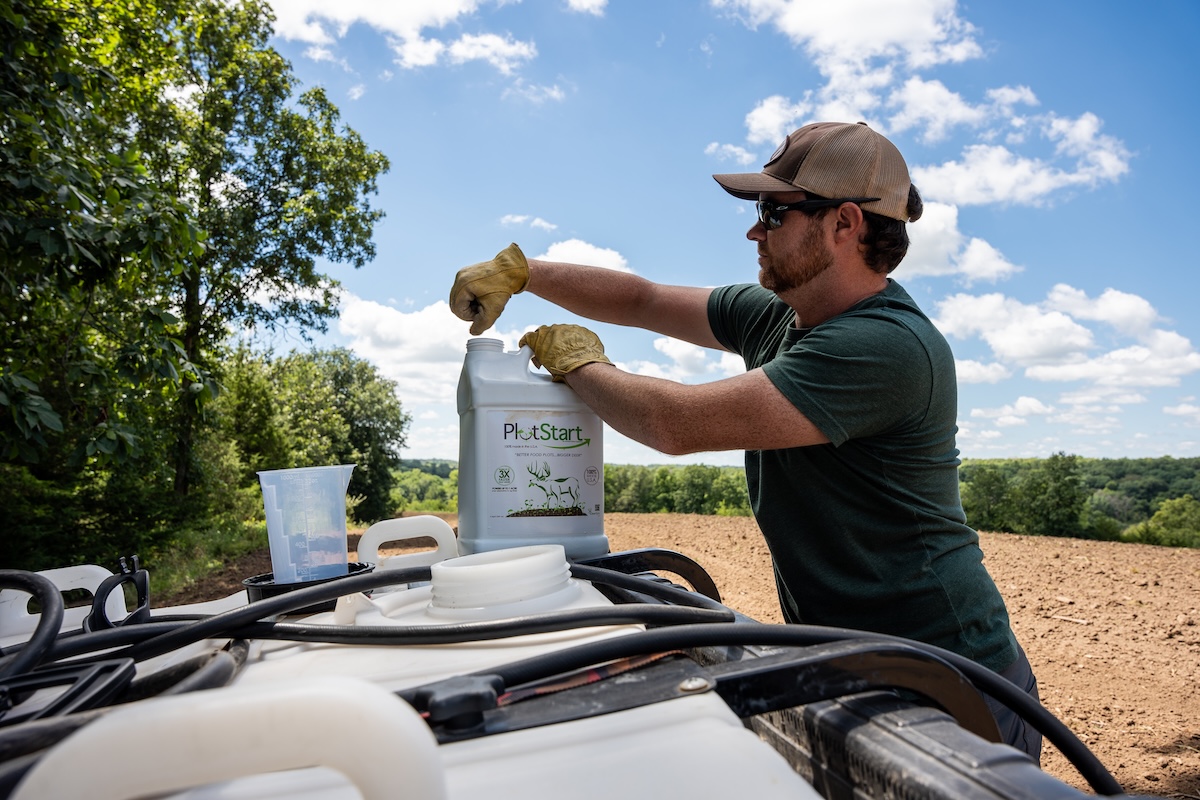
Take soil samples. Determine the right nutrients needed to completely correct the soil. Planting clover without amending soil conditions will minimize food plot yield or result in complete failure. Apply fertilizer and lime as directed by the soil sample test results.
Fertilizer can be applied just before planting, but lime must be applied at least three months before planting, if not longer. In some cases, it can take up to six months to reach full effect. Although clover produces its own nitrogen, and after establishment, doesn’t require this element within fertilizer. That said, new plots — before the clover actually germinates — needs a shot of nitrogen for that first bit of growth.
Find the right spot. Most clovers are hardy and do well in a variety of soil types. However, some clover root systems (especially perennials) are rather shallow, and they don’t do well in sandy soils.
Wait for the right conditions. If it’s dry and/or hot, don’t plant perennial clover. Wait for better planting conditions, even if it’s the next growing season.
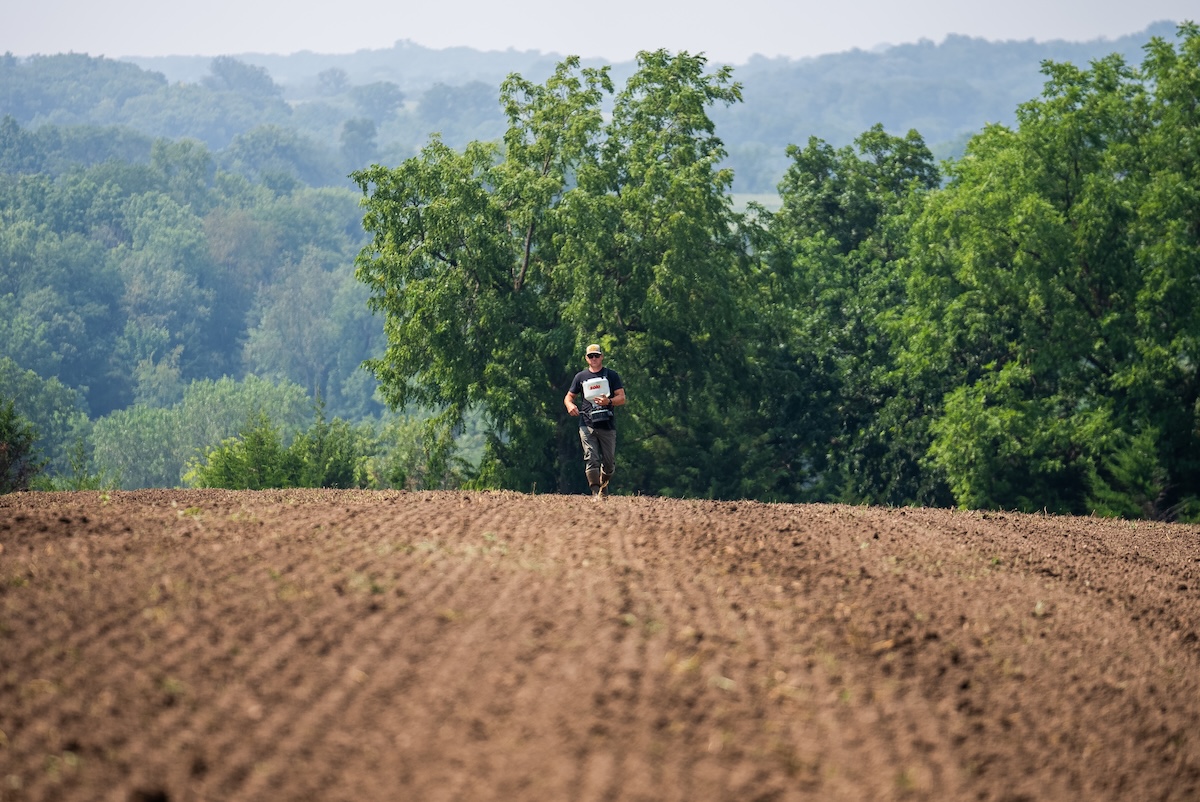
Of course, measure the food plot size. Plant at the proper seeding rate for the area. Don’t sow the plot too thin or too thick, both of which will reduce overall plant yield. Don’t disc in the seed. Rather, run a drag or cultipacker over it.
Want to take your clover plot to the next level? Choose a better food plot shape. J-, L-, T-, Y-, U-, V-, hand-, hourglass-, turkey foot-, and other shapes, create exceptional pinch-points that hunters can camp out over and intercept deer movement.
Once clover is growing, it must be maintained. Contrary to some thought patterns, this isn’t a “set it and forget it” whitetail crop. It needs periodical mowing, spraying, and re-seeding to keep it moving along. Mow two to three times during the growing season to keep weeds at bay.