Wildlife Management
Benefits of Soil Testing for Landowners
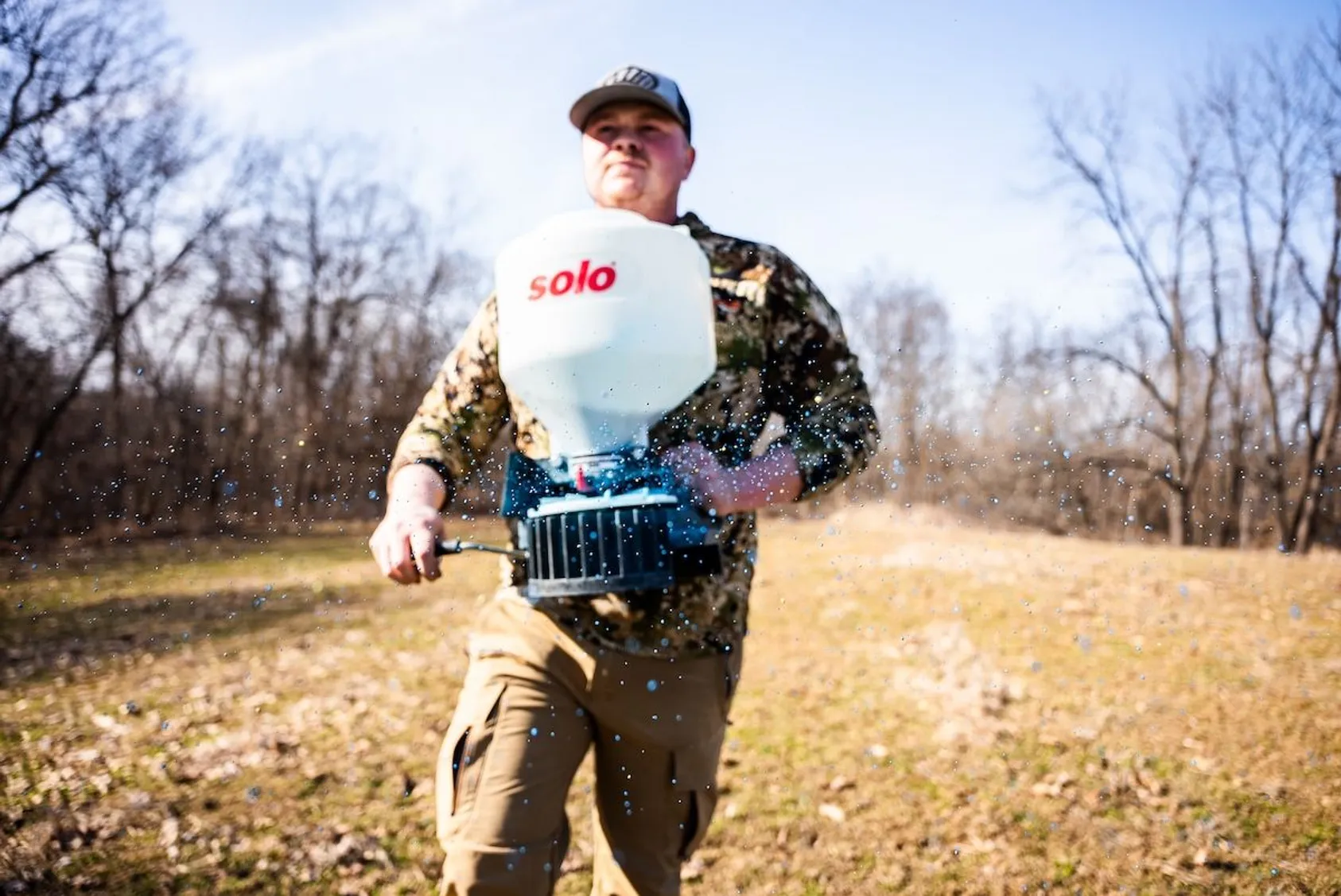
Growing crops and other plants isn’t as simple as watering and letting them go. Producing a great agricultural crop, lush food plot, or even an impressive stand of landscaping, are all challenging feats. These things require extensive efforts to maximize growth potential.
According to Andrew Malott, a Whitetail Properties Land Specialist in Indiana, everyone aspiring to make things grow should know the benefits of soil testing. Here’s some knowledge landowners should bank for their next trip afield.
Editor’s Note: This is not financial, investment, legal, or real estate advice. Consult with a financial planner, investment specialist, real estate lawyer, and real estate professional before buying or selling real estate.
Understanding Soil Composition and Soil Tests
Those planning to conduct soil tests must first understand soil composition. According to Malott, those looking to determine the soil type should consult a soil map of the local area. That should tell you what soil type it offers. Other maps go as far as to display the most recently reported soil quality ratings, which also impact crop yields and land values.
Soil testing offers a number of benefits, too. This is true for those handling ag ground, food plots, and even landscaping. It’s important for landowners to prioritize soil testing — for any type of planting.
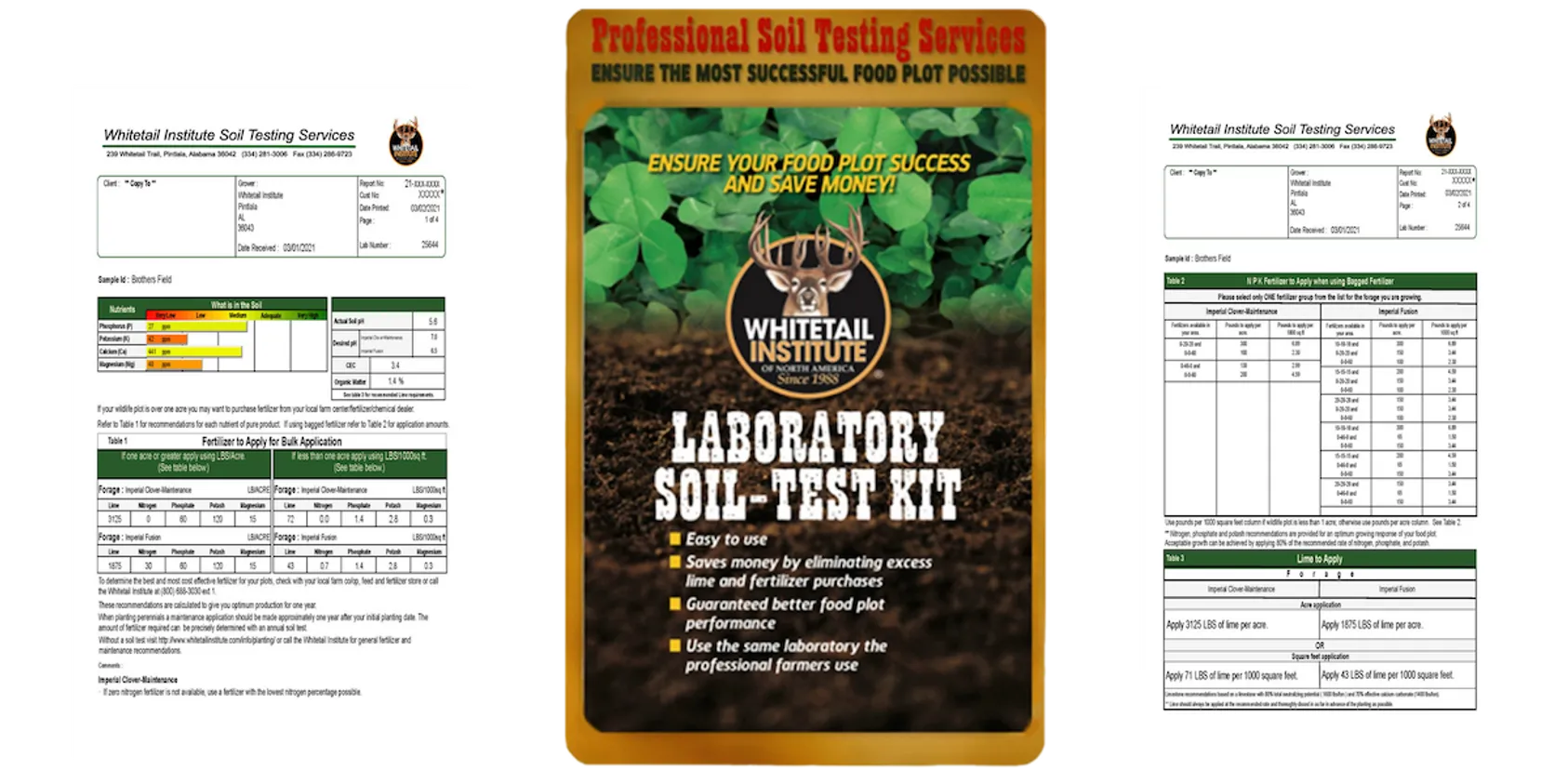
Malott emphasizes the importance of knowing what’s going on below ground. What’s the soil type? What are the nutrient levels? These answers and more give you an idea of the soil composition. But the only way to get these is through a reliable soil test, which also notifies you of what soil amendments are required.
While there’s more to the subject, the most important nutrients in the soil to test for include N, P, and K. These are short for nitrogen, phosphorus, and potassium, each of which greatly impact plant growth.
Oftentimes, for micro and macro nutrients, you must do special order soil tests to drill down and gauge the other areas of soil quality.
Outside of nutrients, other things soil tests do test for include ion exchange capacity (CEC), the percent of organic matter, and pH levels,” Malott said. “Those are very important things outside of soil nutrients.”
Where do you find these soil maps? There are different software programs throughout the web that give you access to soil map surveys,” Malott said. “Surety Soil Maps is one of them. There are other programs, such as Land ID and AcreValue, that offer similar services.”
For those who prefer not to go hunting online, the local farm agencies should have access to these soil maps and data. Malott notes they can get you access to this all-important information. So can Whitetail Properties Land Specialists.
Soil Testing Before Buying Land
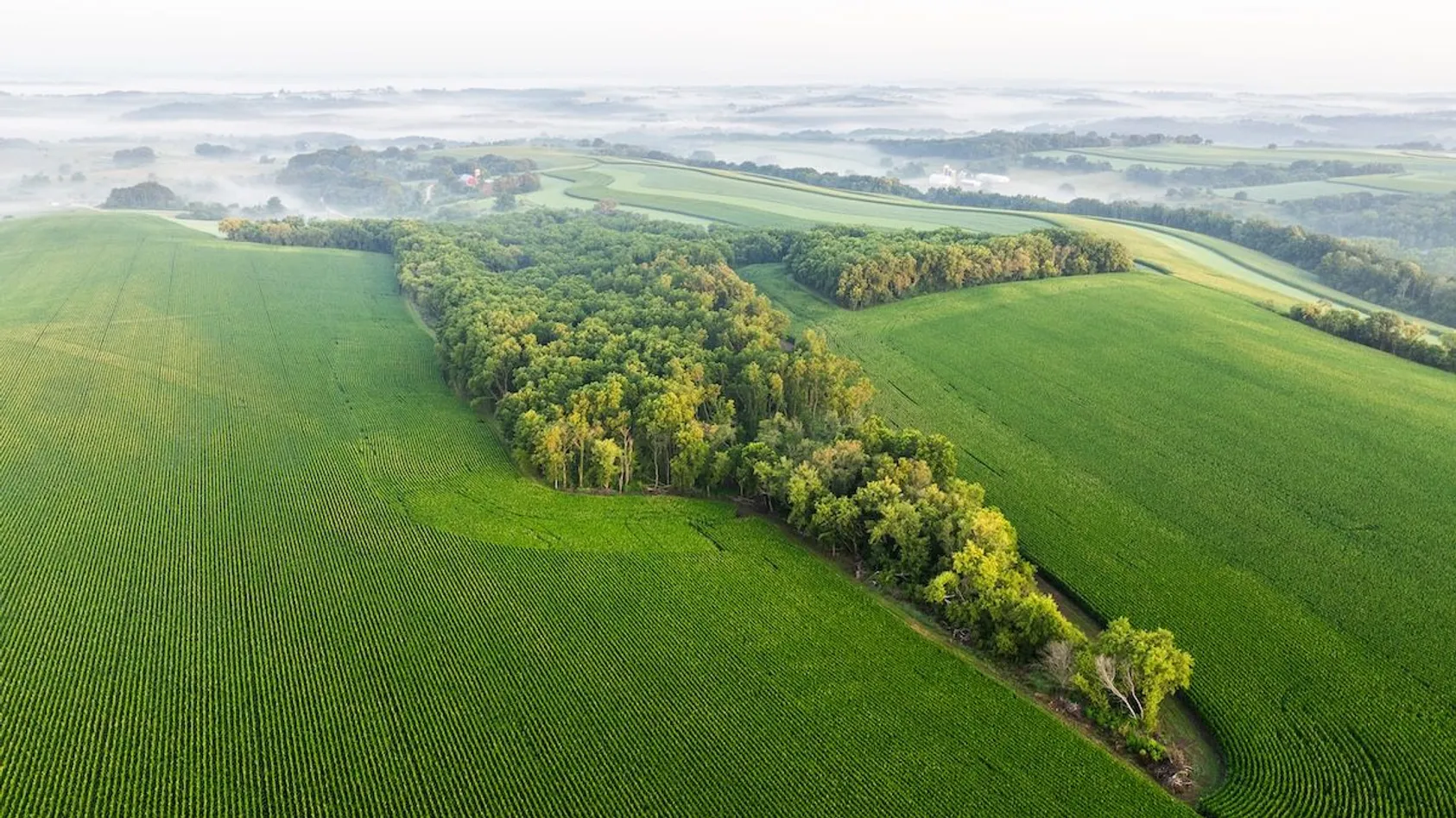
Soil tests aren’t just for those who already own land. If you're looking into leasing or purchasing a property, you should do soil tests before securing the farm. Soil type and quality determine what you can do with the land. Therefore, these impact the value of the ground.
For agricultural purposes, it's very important,” Malott said. “That way, you know what you're dealing with. You know all of your nutrient levels.”
While unlikely, it’s possible that a previous farmer didn’t care for the soil nutrients. That can happen intentionally or unintentionally. Either way, that can wreck the ground, and it can take a long time to recover.
You don't want to assume that’s going on, but there are certain cases where a farmer hasn’t taken very good care of a property,” Malott said. “In the ag world, that’s what we call mining the ground and not putting back into it.”
So, if you're looking to buy or lease a piece of property, do a soil test before you buy the land. If the soil does require something to improve the nutrient levels, you’ll have a grasp on what your input costs are going to be,” Malott said.
Soil Testing for Ag Ground
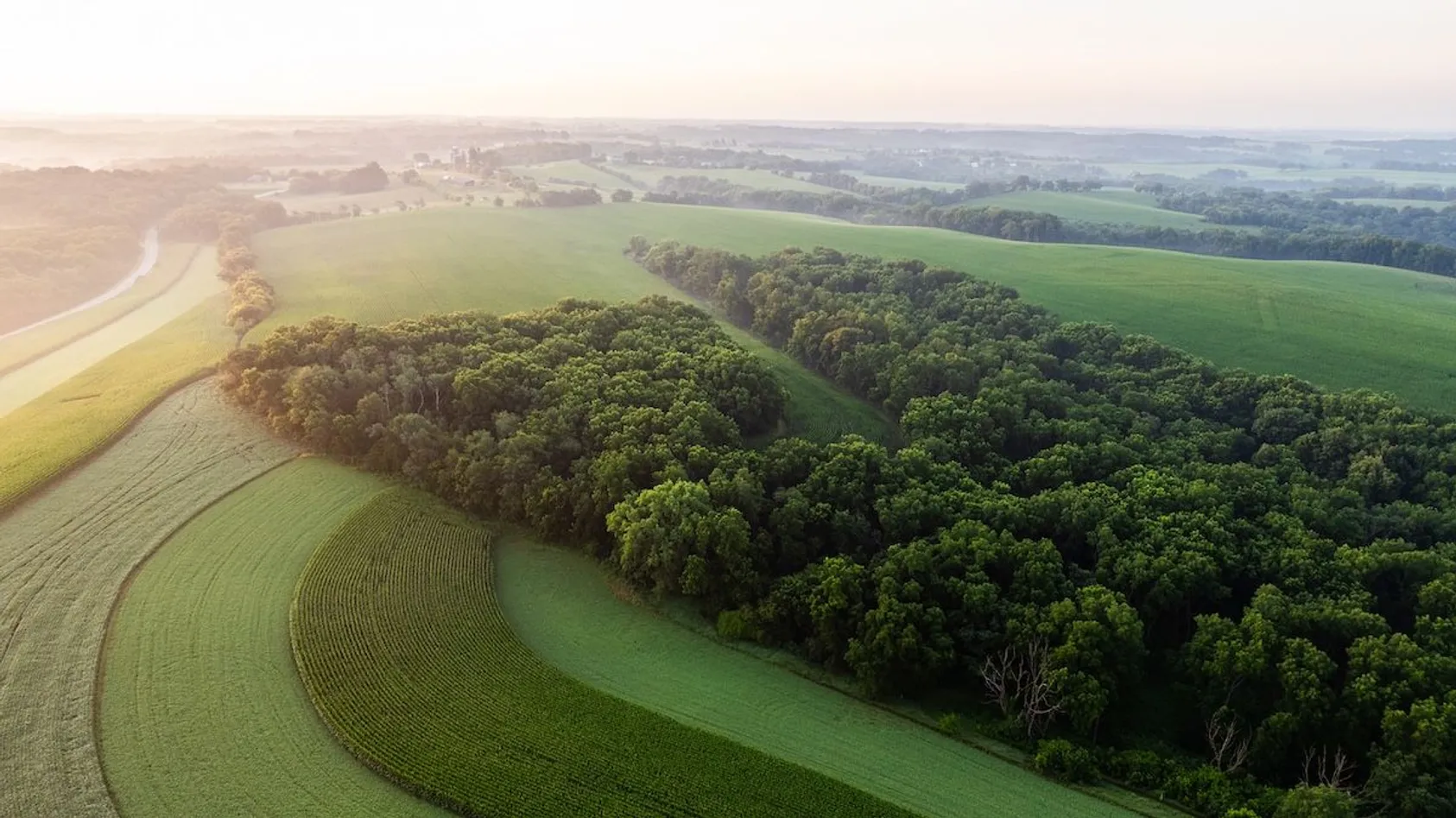
As addressed, soil tests are vital for agricultural success. After buying or leasing farm ground, continue to conduct annual soil tests. Take these each year before planting season. Record the needed number of soil samples and follow directions as outlined.
Then, await results. Oftentimes, it takes a few days to receive results. Expect the data to call for soil amendments for nitrogen, phosphorous, potassium, and/or other macro and micronutrients. The closer you get soil to its needed status; the better off crop yields shall be.
So, never cut yourself short when conducting agricultural soil testing. Soil analysis and farm testing are serious matters, especially if you want a John Deere to have purpose and the Whitetail Institute not to wither and waste away.
Soil Testing for Food Plots
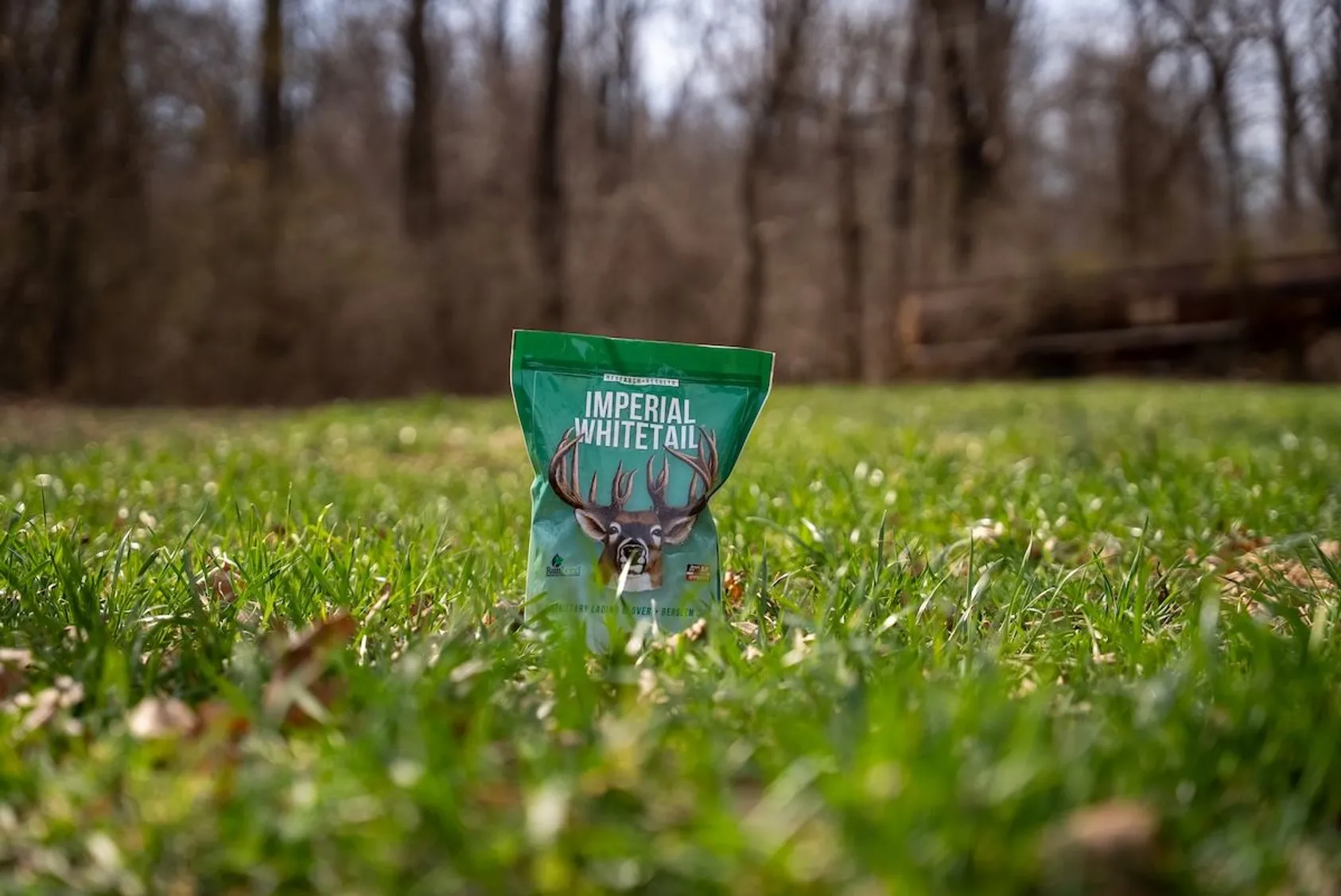
Food plot soil analysis is important, too. Conduct soil tests long before planting food plots. This ensures your time and money aren’t wasted on a poor pH level that isn’t compatible with your seed.
With soil testing for food plots, we’re doing that on a much smaller scale than that of a farmer,” Malott said. “Still, it's just as important. That way you know what the soil requires. If you're going to plant specific crops, especially grains, corn, and soybeans, or even green plots, get a good idea of what’s going on underground and what that plant needs.”
Each crop and food plot species is different, especially in terms of preferred pH ranges. Different plants are optimized for different levels. Interestingly, certain food plot species are less picky, so to speak, and aren’t quite as challenging to meet soil requirements.
Fall green plots are pretty resilient,” Malott said. “They are less picky. When you get into corn, soybeans, and cereal grains, that's where you have to start paying a bit more attention. They are a lot pickier and more labor-intensive as well.”
Those planning to plant food plots should consider a reliable soil test kit. The Soil Test Kit by Whitetail Institute is a proven, time-tested, and cost-effective option. It will help you grow better food plots and save money by buying the fertilizer and lime you need, and not what you don’t.
Soil Testing for Gardening and Landscaping
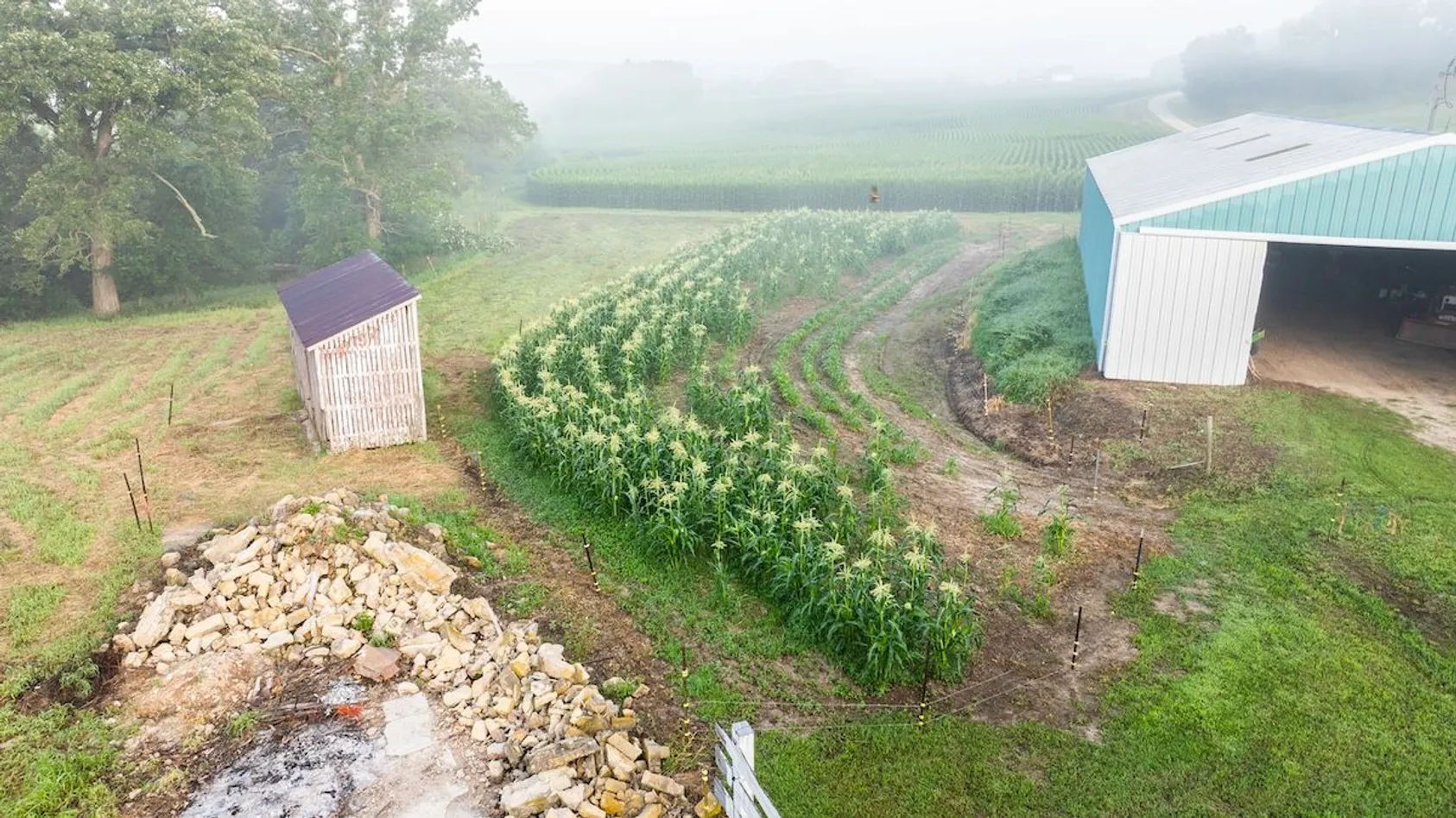
Ag crops and food plots aside, others might consider soil testing for gardens and landscaping. You don't hear about it as often; but there’s a case and argument to do soil tests for medium- to large-scale gardening and landscaping jobs. These aren’t cheap, and require time, but an inexpensive soil test can save you a lot of time, effort, and money.
It definitely won’t hurt anything,” Malott said. “It's not talked about a lot for landscaping, but that would be a great thing to do soil sampling for as well. You're putting just as much money and time into the landscaping as some of these farmers and food plotters are investing. I mean, different plants require different nutrient levels.”
With results in hand, apply fertilizer and lime as needed to correct soil nutrition and maximize gardening and landscaping production. Take care of the soil, and the soil will take care of you.
How to Take Soil Samples
Those who plan to conduct soil samples must learn how to take these. With soil tests, there are proper steps to take. Buy the soil test kit. Collect the sample. Ship it off. Wait for results. Amend soil as directed. There’s more to it than just that, but these are important summations to follow.
You can order your own supplies off the internet,” Malott said. “That includes soil sampling bags and soil probes.”
With the proper tools in hand, it’s time to choose the best soil sampling method. Multiple methods are available. Choose the one that best fits the plans ahead.
There are a bunch of different ways you can take a soil sample,” Malott said. “You can do grid sampling, which is pretty common in the agricultural world. You can do zone sampling, which runs off of elevation and soil types.
With zone sampling, you take three cores in six spots,” Malott continued. “So, you get 18 cores. Put these in bags and mix them. Make sure the soil is dry before you ship it. You don't want it saturated. Once you ship it off to a lab, they should have results within two to three days. If you're unsure about the process, the best thing to do is go to a local co-op. They'll give you supplies and information to get complete soil tests.”
All things considered, there are many benefits of soil testing for landowners. Understanding the nuances of their land and soil is a significant part of growing crops, food plots, and other flora. Learn the nuances of soil sampling, and your hunting and land management are sure to enhance because of it.