Knowledge Center
Understanding Land Use Regulations: A Landowner's Guide
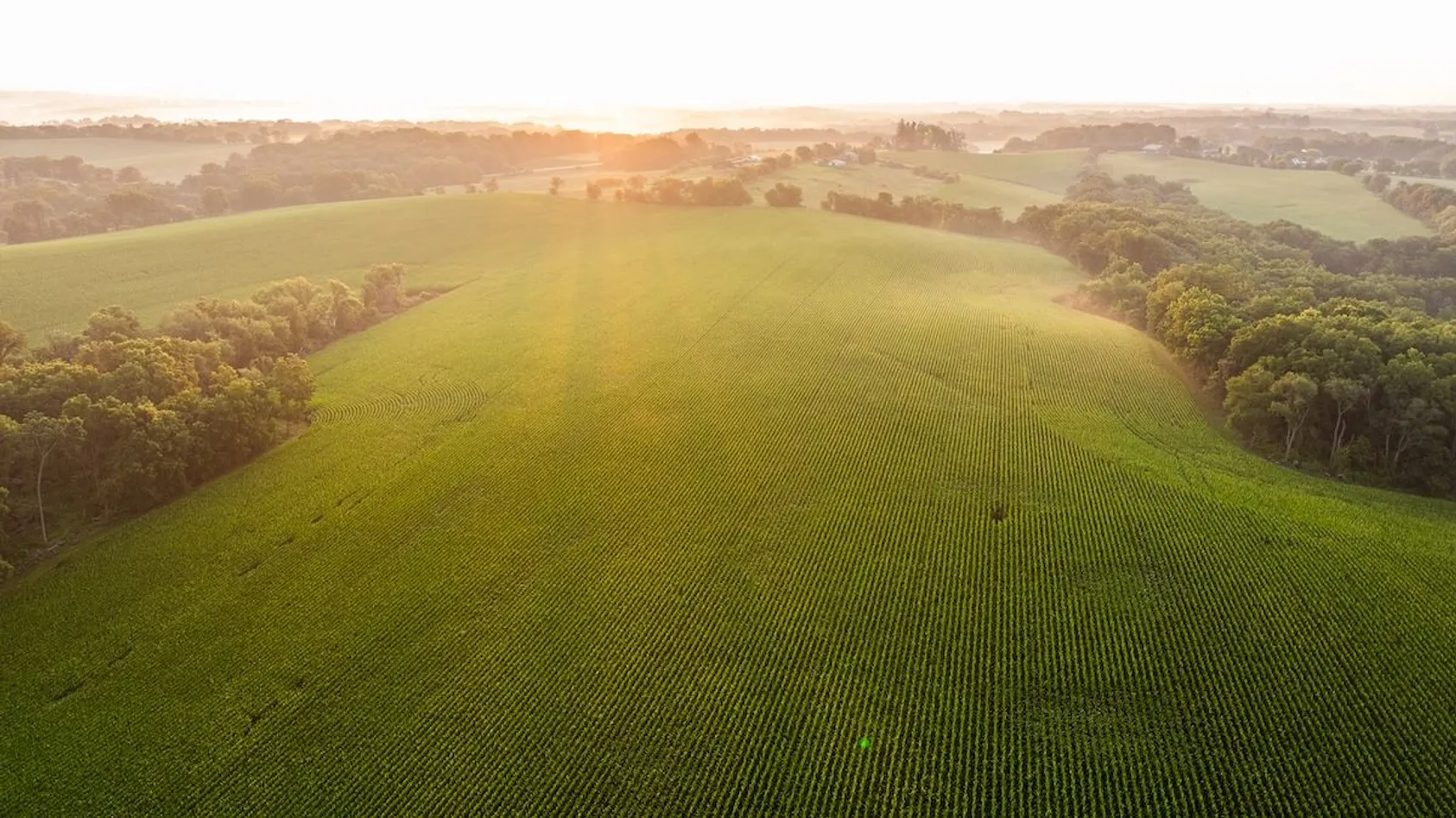
Those looking to buy or sell land should understand land use regulations. Local laws and zoning ordinances are important factors for how land can be used. Land development and other intentions for utilizing the landscape must abide by local zoning laws, and landowners must follow these regulations. Here’s your landowner’s guide and primer regarding zoning and land use.
Editor’s Note: This is not financial, investment, legal, or real estate advice. Consult with a financial planner, investment specialist, real estate lawyer, and real estate professional before buying or selling real estate.
Understanding Land Use Regulations
There are many different aspects of land use regulations. These include zoning, state law, subdivision rules, environmental protections, public input, permitting, and more. Development involves the process of building or making other changes to the land.
According to Scott Hicks, a Whitetail Properties Land Specialist in North Carolina, zoning is largely driven by local governments. “They divide land into zones (residential, commercial, etc.) and set rules for what can be built and how it’s used,” he said.
State law is another significant factor. “A state law can set the rules local governments must follow for land use and planning,” Hicks said.
Next, environmental protections also hold sway over land use. Flood zones, watersheds, and other examples, often come with extra rules and protections to preserve nature and improve public safety.
Subdivision rules factor in, too. They have the ability to regulate ways in which land is lotted off, roads are constructed, sidewalks are designed, utilities are placed, and more.
Public input matters as well. This can make changes to zoning. These often require public meetings, hearings, and even votes.
Lastly, permits are commonly required. More times than not, you need permits before starting construction, building structures, or making changes to the landscape.
Defining Zoning Ordinances
Zoning ordinances mandate what you can and can’t do on a property. These establish clear outlines for what’s allowed. It can even provide details as specific as building height, lot sizing, structure densities, and more.
This also involved looking into written comprehensive plans. Oftentimes, cities, counties, and other regulating bodies have growth plans. These assist with zoning, including development, housing, and more.
Common examples include subdivision regulations, with specifics on how land can be lotted off. This also influences road access design, drainage designs, utilities installations, and other improvements.
Of course, this also involves building codes and permitting. Those new to the land use code and zoning scene might be unfamiliar with special permits. These are required for most construction, remodeling, etc. This achieves multiple things, including elevating safety, maintaining appeal, ensuring compliance, etc. Sometimes, these are even needed to have animals, especially livestock.
Zoning boundaries and restrictions can change. However, this oftentimes doesn’t occur unless areas are re-zoned due to area growth or planning changes. When this does occur, local governments facilitate these alterations.
Following Zoning Regulations
Those looking into buying land must ensure it will work for their intended use. That requires knowing the local zoning ordinances. Hicks says zoning ordinances are derived from local laws. These have the power to control the manners in which land can be used. It even impacts what can be built within these areas. Usually, heavier restrictions remain within towns and city limits, but these can extend beyond those borders, too. Examples of zoning classifications include residential, commercial, industrial, agricultural, mixed-use, special (overlay), and more.
One of the most common is residential zoning. This includes structuring for homes and neighborhoods. Sometimes, it can pose limits on types of housing, housing lot sizes, heights of buildings, and more. It can even regulate housing styles, fence styles, sign usage, distances between structures, and much more.
Agricultural zoning exists in rural areas. Zoned ag lands are intended for farm use. Sometimes, it dictates what type of farming can occur, but more often, applies restrictions on non-farming usage.
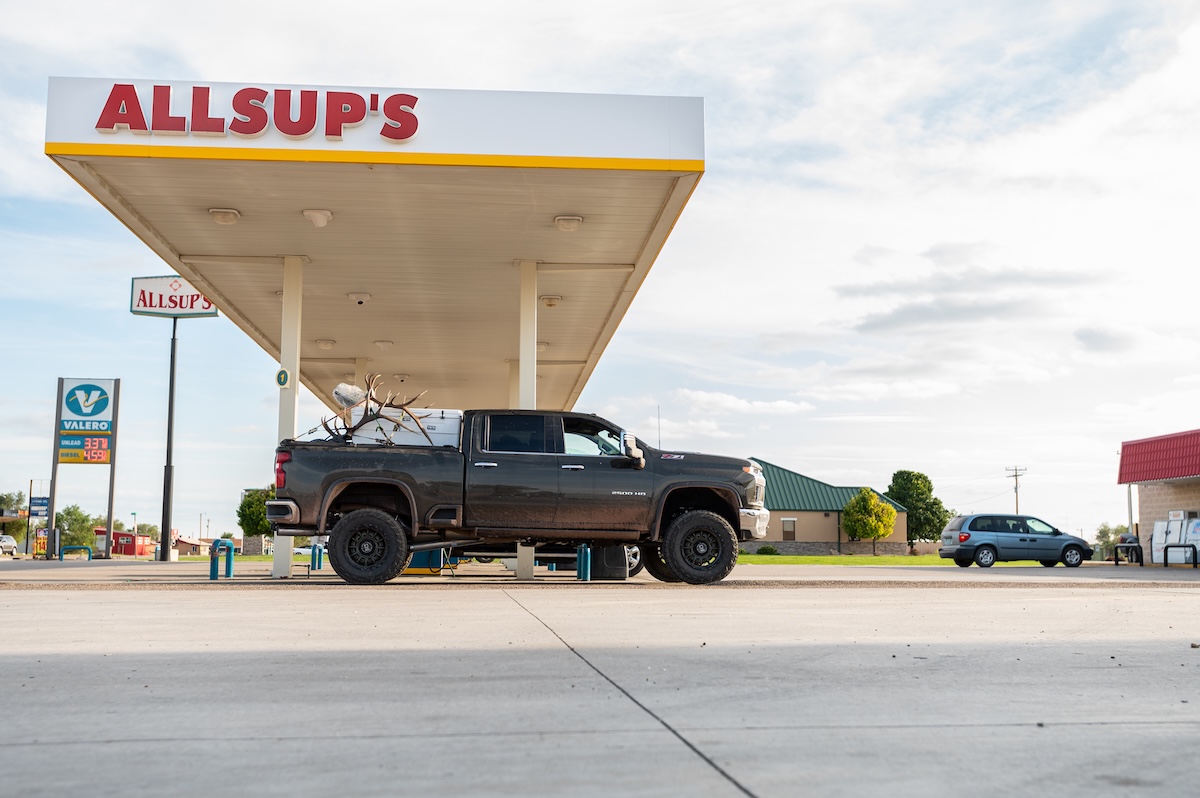
Commercial zoning allows for construction and operation of businesses. General stores, gas stations, grocery stores, office spaces, restaurant establishments, and much more, fall within this category. Oftentimes, these are within city limits and along main roads.
Industrial zoning is designed for larger facilities, such as factories, warehouses, and other large industrial buildings. Oftentimes, these are outside of agricultural areas and away from residential and commercial zoning.
Another common designation is mixed-use zoning. This creates opportunities for residential and commercial uses in the same zones. This is common on the outskirts of towns and city limits.
Some land use regulations relate to preserving natural resources. They do so by creating specific rules that protect wild places and important landscapes. Examples include key waterways like rivers, streams, lakes, marshes, and other wetlands. Flood zones and watersheds are commonly protected for cleaner water, healthier wildlife, and overall revitalized lands. It’s all about conservation of wildlife and wild places for the future.
Lastly, some areas might have what’s referred to as special or overlay zoning. These are usually designated for other area types, such as historical, flooding, etc.
Regardless, be sure of the zoning regulating the land you own, sell, or intend to buy. These can impact values and intended uses for the property.

Looking Up Zoning Restrictions
Start by consulting the city’s or county’s zoning department. They should have a phone number to call and a website to visit. Oftentimes, keywords (along with the regulating body) include: codes, development services, ordinances, planning, and zoning. More times than not, you’ll find the necessary information on the local government’s website.
Usually, these governing bodies provide online zoning maps. Additionally, they implement GIS tools and mapping. These can be used to look up properties, search addresses, determine zoning outlines, read zoning rules, etc.
Generally, you’ll also need to secure permit applications from these same sources. To do this, and to ask questions, contact the local zoning office or local planning committee. They can discuss zoning codes, explain existing restrictions, and otherwise assist with development requirements.
Those in the market to buy land should always consult professional help and assistance. Inquire about codes and zoning. Your real estate attorney, real estate agent, title company, and other relevant representatives, can assist with this process. Generally, they’ll check on land use restrictions for you.
Those working on moderate to large projects should certainly consult a qualified land-use attorney. The same is true for special use cases. These professionals can help interpret laws and regulations and ensure your intended land use qualifies and follows existing codes and zoning restrictions. They also can help handle the permitting process.

Understanding the Relationship Between Zoning and Property Taxes
Another important consideration of zoning is its relationship with property taxes. The zoning has significant sway over property tax rates, which directly impacts how much people pay.
Of course, zoning influences how the land is used. Because land use regulations impact zoning and zoning impacts property values, it’s important to understand these rules for land use, building projects, etc. Again, these rules are present for cleanliness, organization, safety, and property value preservation.
All of the above directly changes the value of the land. Generally, commercial and residential lands are more valuable than agricultural (rural) zoning. Thus, these more expensive zoning areas come with higher property taxes.
Buy the Right Land for You
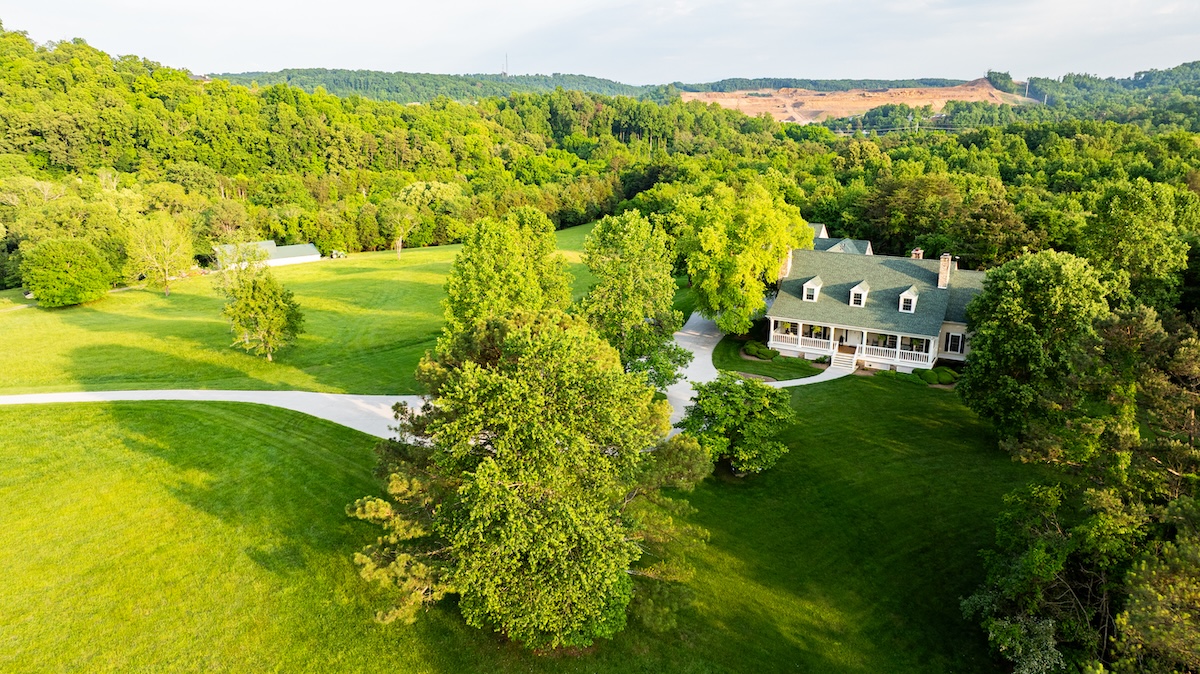
Those selling land should be aware of the zoning their property is located in. This directly impacts the value of the tract(s) and the figure(s) which they can sell land for. Not knowing this can lead to underpriced — and sometimes overpriced — land.
Buyers looking to purchase should certainly know the local zoning, too. It’s crucial to ensure the zoning regulations match the intended use. They must also assess any potential future changes to zoning, to ensure upcoming changes won’t conflict with their intended use.
For landowners looking to sell land, contact Whitetail Properties. We can answer questions and help with your land-selling needs. For buyers hoping to purchase land, check out some of the available listings near you. Contact us with any questions or concerns.