Buying & Selling
A Landowner’s Guide to Navigating Water Rights
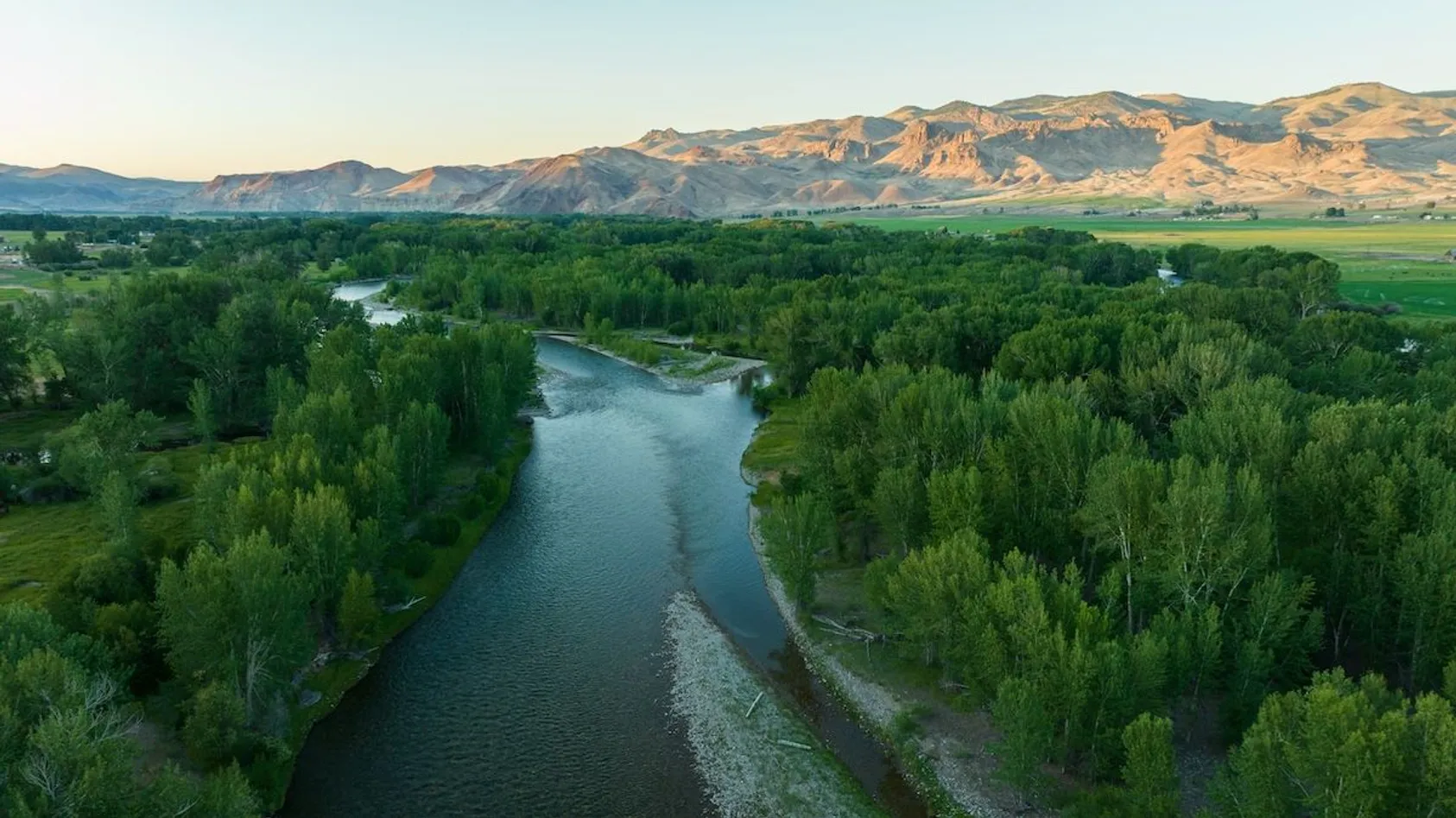
Water rights are becoming more front-of-mind for many landowners throughout the nation. Sometimes referred to as riparian rights, real estate water rights and water rights law, are complex systems. Much like mineral rights, these can be severed or remain attached to a physical piece of property. Therefore, it begs the question, do you have water rights on your property?
Of course, water rights vary greatly between eastern and western states. Because water is much more limited in the West, and therefore regulated more closely, the focus of this article will lean toward the latter.
Editor’s Note: This is not financial, investment, legal, or real estate advice. Consult with a financial planner, investment specialist, real estate lawyer, and real estate professional before buying or selling real estate. Contact a lawyer with questions regarding water rights and water rights law.
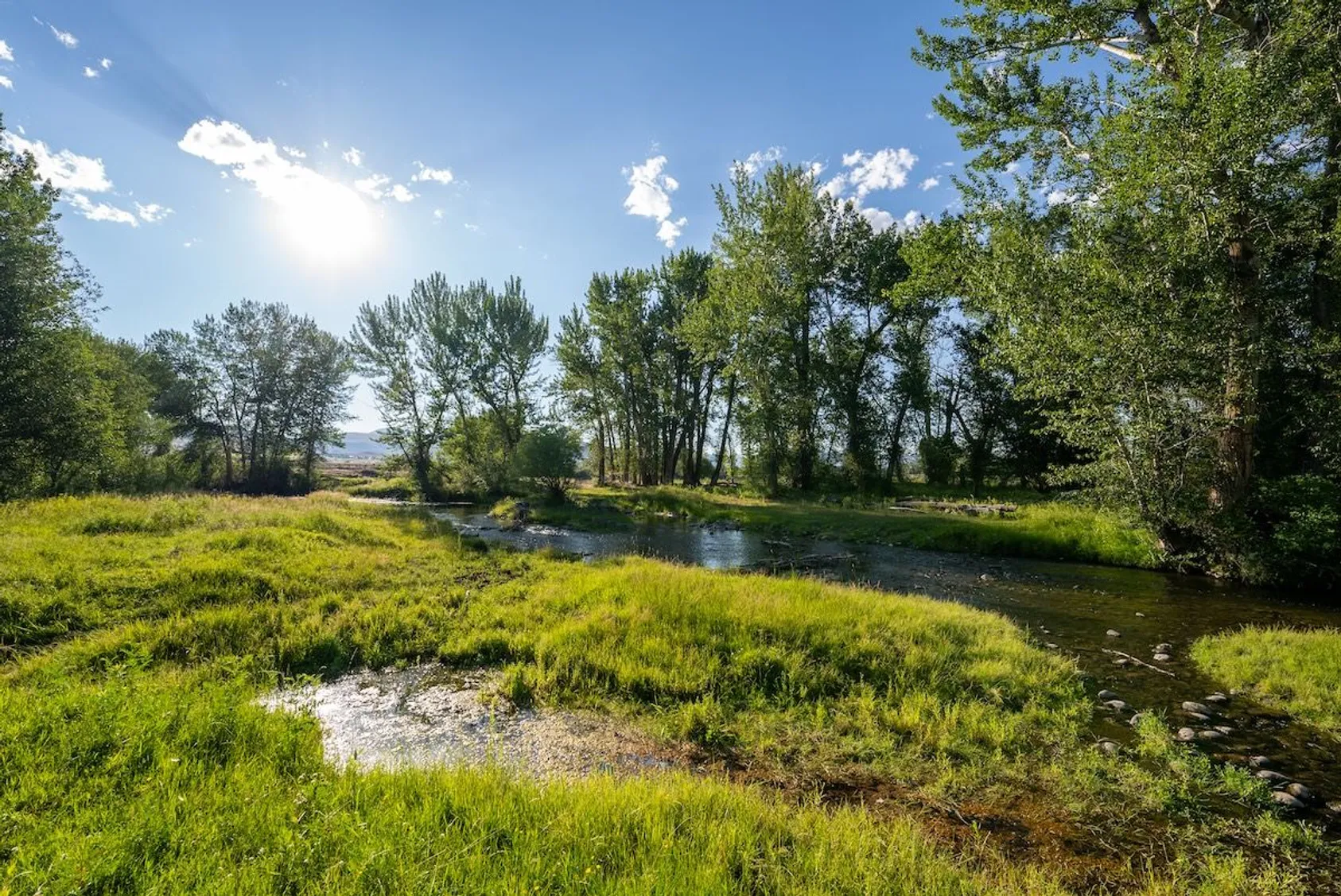
What Are Real Estate Water Rights?
Water rights are best described as the legal right of a landowner to use the water found on, under, and adjacent to the land they own. There are numerous types of water rights, and the details vary from one to the next.
While not the case everywhere, some states place significant emphasis and the regulation of water rights. Oftentimes, where water is abundant, it isn’t altogether discussed as much. However, in more arid regions, it’s a common and expected factor in real estate.
According to Jerrod Meyer, a Whitetail Properties Land Specialist in Colorado, the nuances of water rights law changes from state to state. It’s very in-depth, and sometimes, challenging to understand. Some states have more details than others.
It varies a lot from state to state,” Meyer said. “Colorado is pretty in-depth when it comes to water rights.”
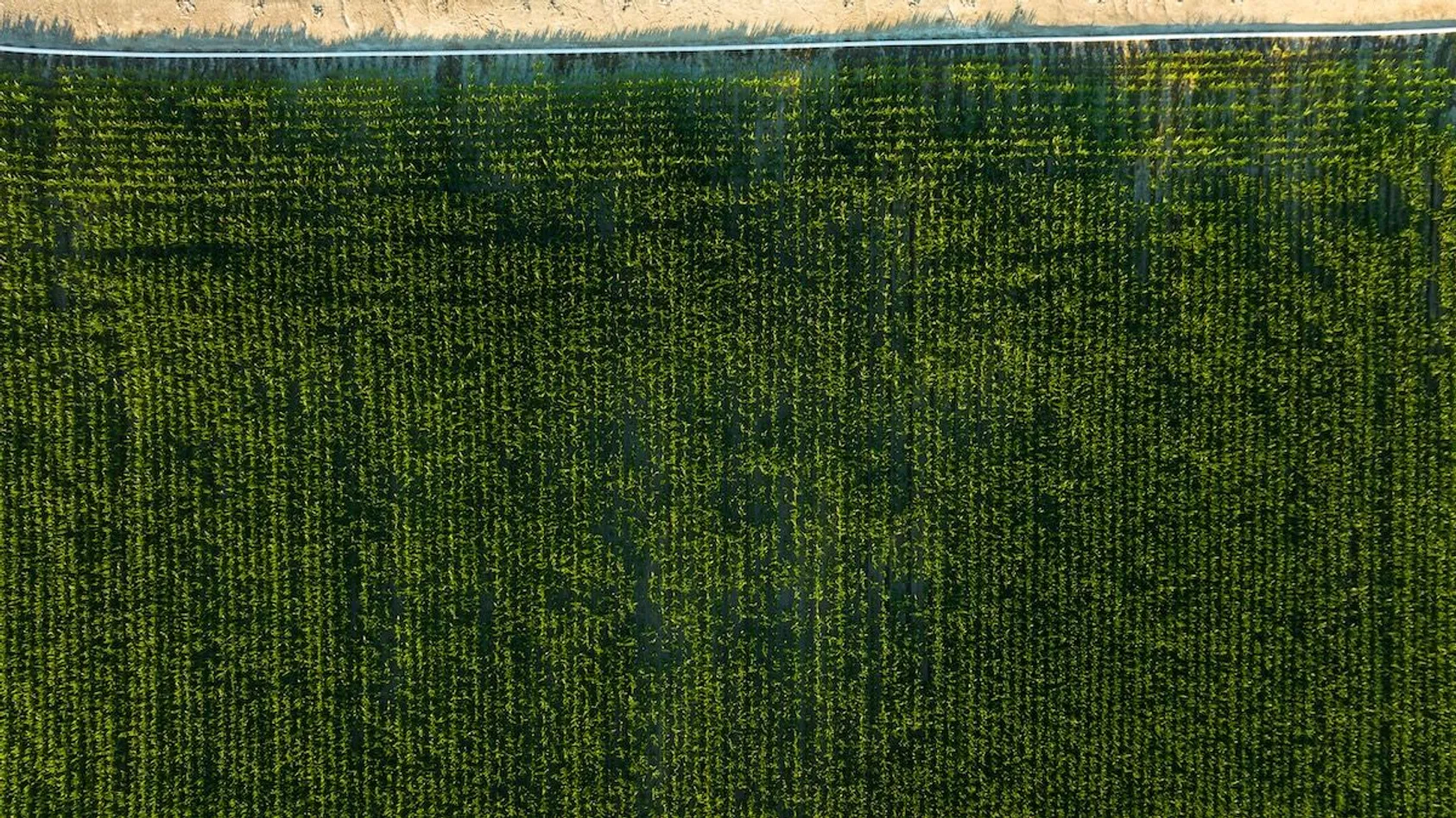
He also notes that people tend to misunderstand the details of water rights. In general, when someone has a water right for this canal or that reservoir, it usually means for irrigation purposes (crops, grass, etc.).
A lot of people confuse water rights with the ability to drill a well, or something like that, and that's not always the case,” Meyer said. “In Colorado, a domestic water well typically requires a 35-acre minimum threshold to qualify for that. But an actual water right would be more of a surface or irrigation water right. Those come from a ditch, spring, creek, river, or reservoir. Typically, you're looking at shares of a ditch from a holding reservoir. Or cubic feet per second out of an irrigation well.”
When we sell a property that has ditch rights on it, or that has shares, there's typically an actual share certificate that needs to change hands physically at closing,” Meyer said. “That said, a real estate water right is the right to use a surface or groundwater right separate from domestic use.”
Meyers says that water rights do cover the surface and sub-surface. In many instances, there are aquifers that sometimes have their own water rights attached to them for a water well.
They have an augmentation plan,” Meyer said. “There are certain metro districts that you can have a water tap or water right for that metro district. But typically, your domestic well is sometimes dropping into an aquifer, and sometimes, those areas do have separate guidelines for allowing household use of those aquifers.”
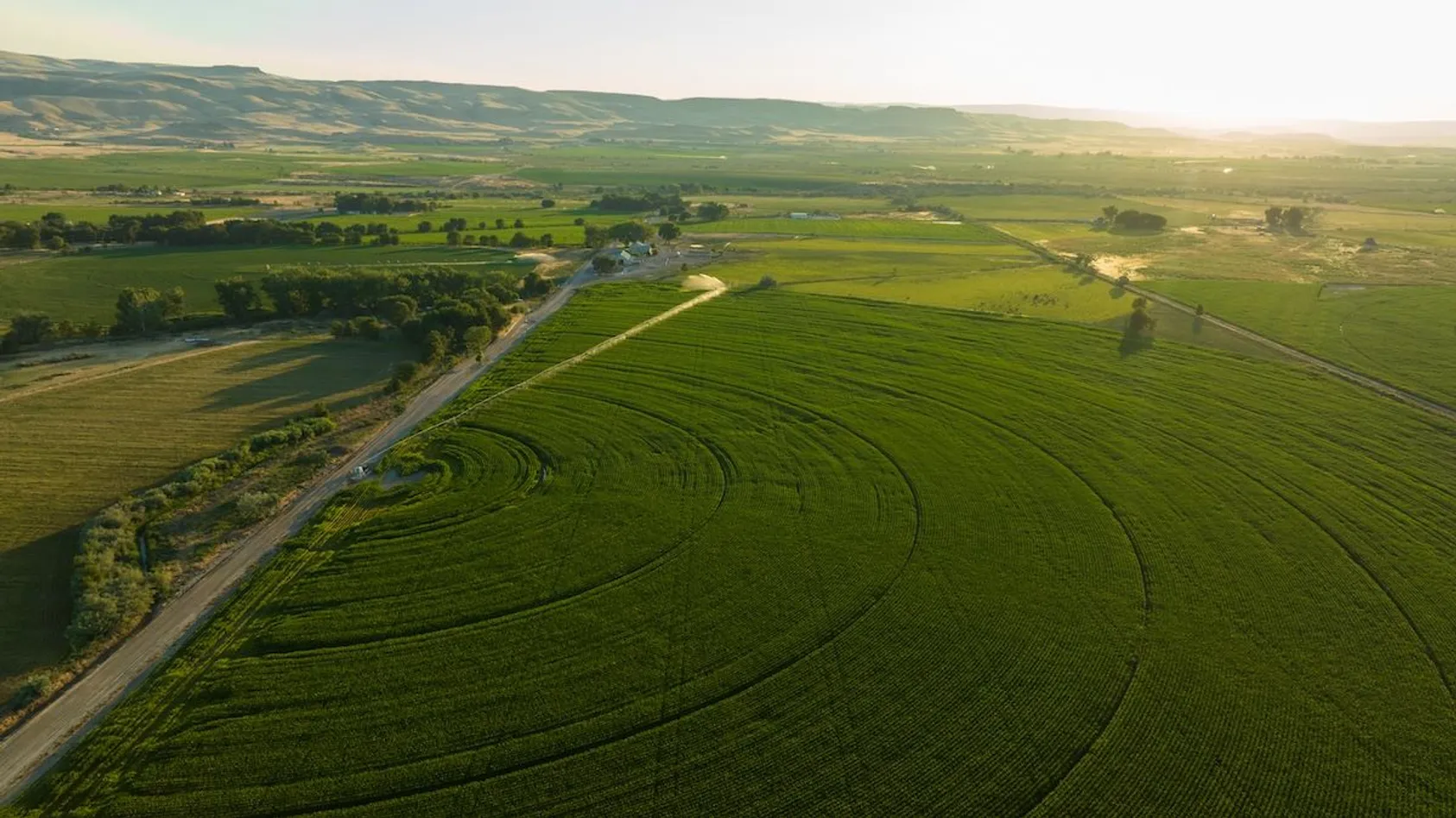
Examining the Water Rights Status
Those unsure might wonder how they can check on the water rights for their property, or one they might be interested in buying.
Meyer says that, as important as they are in Colorado (and other midwestern and western states), a seller usually knows if they have those rights, or not. In the West, water rights are rapidly becoming akin to the importance of mineral rights, perhaps even more important.
They're placing a lot of value on those rights,” Meyer said. “However, anytime dealing with a water right that's not a simple one, I recommend getting a water rights attorney involved to make sure nothing has been sold off or severed, and that it transfers correctly and conveys at closing.”
In Colorado, he points to the division of water resources website. It has mapping features on it with layers for water right diversion locations, and usually, those are well-documented. Regarding rights, diversion locations might not be located on the property in question. Instead, it might be some distance away.
I am in constant contact with the water commissioners, because they know exactly what's going on with every single right,” Meyer said. “And I personally research the rights and get an appropriation date, the diversion location, and how often there's water allocated to it. Things like that help place a little bit better value on those separate rights.”
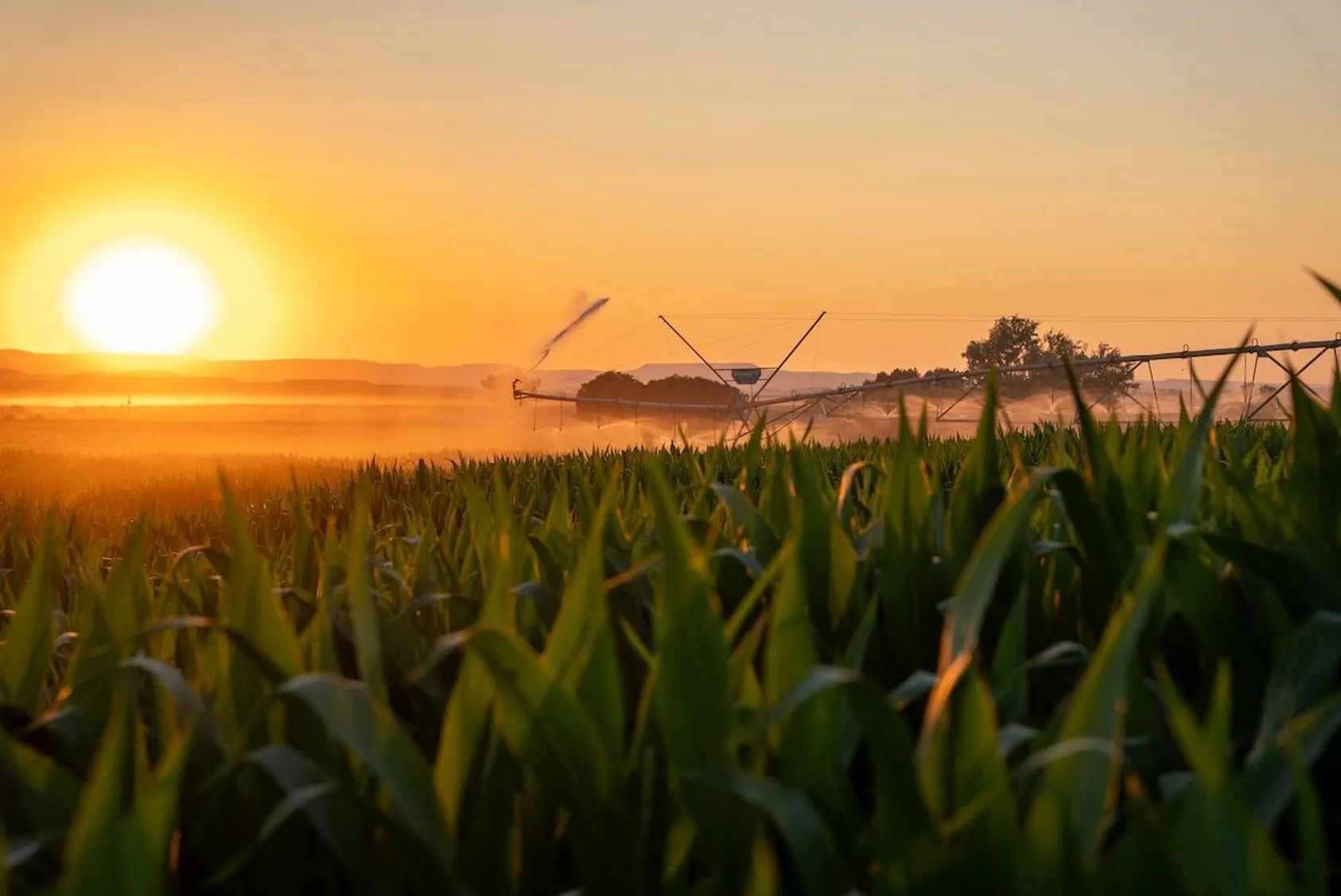
Buying and Selling Water Rights
It is possible to sell some or all water rights, even between two private parties. As noted earlier, shares are common. That said, when someone has water rights, they tend to hold onto these. Furthermore, if the buyer doesn’t have direct physical access, transporting water from one location to the next can prove challenging.
The physical aspect of getting that water to another place can be difficult or complex,” Meyer said. “It's not like you can just buy any water right and put it on your farm. It has to make sense and be able to physically get there, or trade with another right to make sure that water is appropriated correctly.”
Those interested in buying or selling water rights must understand the landscape and take the proper steps. If looking to buy water rights, it often requires buying an entire farm. It’s rare to see water rights only for sale because these are so rare and valuable.
If somebody has water rights on a farm, they typically don’t want to sell off just these,” Meyer said. “The only time that I really see it happening is with these municipalities paying astronomical amounts for the rights.”
Because demand is so high, selling the water rights are oftentimes quite simple, though. Meyer says that, if somebody wants to sell, just call your neighbors and they're probably going to buy it.
The Commonality of Attached and Severed Water Rights
Despite the newfound occurrence of water rights being severed from properties, it still isn’t very common for most properties. Most likely, your land, or a property of interest, still has these attached.
It's pretty rare but becoming a little bit more prevalent, especially on the Eastern Plains along the Arkansas River,” Meyer said. “The municipalities seem to be buying up a lot of these farms that have water rights on them. They strip that water off and take it back to the municipalities. Aurora does that a lot, because they need a lot more of this water for building all of the subdivisions.”
When you sever the water right from a farm, they implement a “dry-up covenant.” According to Meyer, that property can no longer be irrigated. Typically, there are stipulations and regulations for what you have to do after you “dry up” the property.
A lot of times, it involves planting native habitat, native grasses, or something like that,” Meyer said. “But once it's dried up, you can no longer have any irrigated ground on there.”

Know the Nuances of Water Rights
Overall, the most important thing to understand for most individuals is knowing the difference between a water right and the ability to drill a well for a home or domestic use.
One of the first questions I always get is if there are water rights attached to the property,” Meyer said. “You know, it's a mountain property that doesn't have any type of irrigation, crops, or anything like that which would justify a water right. So, I explain up front that surface water rights, irrigation water rights, and sometimes livestock-only water rights are separate from a domestic water well, or anything like that.”
So, for most buyers and sellers, water rights won’t matter, anyway.