Country Living
Creating Privacy on Your Property with Landscaping
Quirky neighbors feeling the need to watch your property. Busy highways serve as big-time distractions. A need to feel increased levels of security. These and many more are reasons to install privacy screens and natural fences along your property borders.
According to Todd Henry, Illinois Whitetail Properties Land Specialist, the importance of privacy is a significant priority, especially for some home and landowners.
“I mean, I can see putting up a solar field, because no one will ever want to look in your direction again,” Henry chuckled.
Jokes aside, he is all about creating privacy on your property with landscaping. Check out the many different ways that you can achieve this, with professional input from Henry himself.
If you're thinking of a long-term solution, it's definitely going to be an investment,” Henry noted.
Here are some selections to consider, from budget-based to expensive options.
Use Existing Natural Vegetation
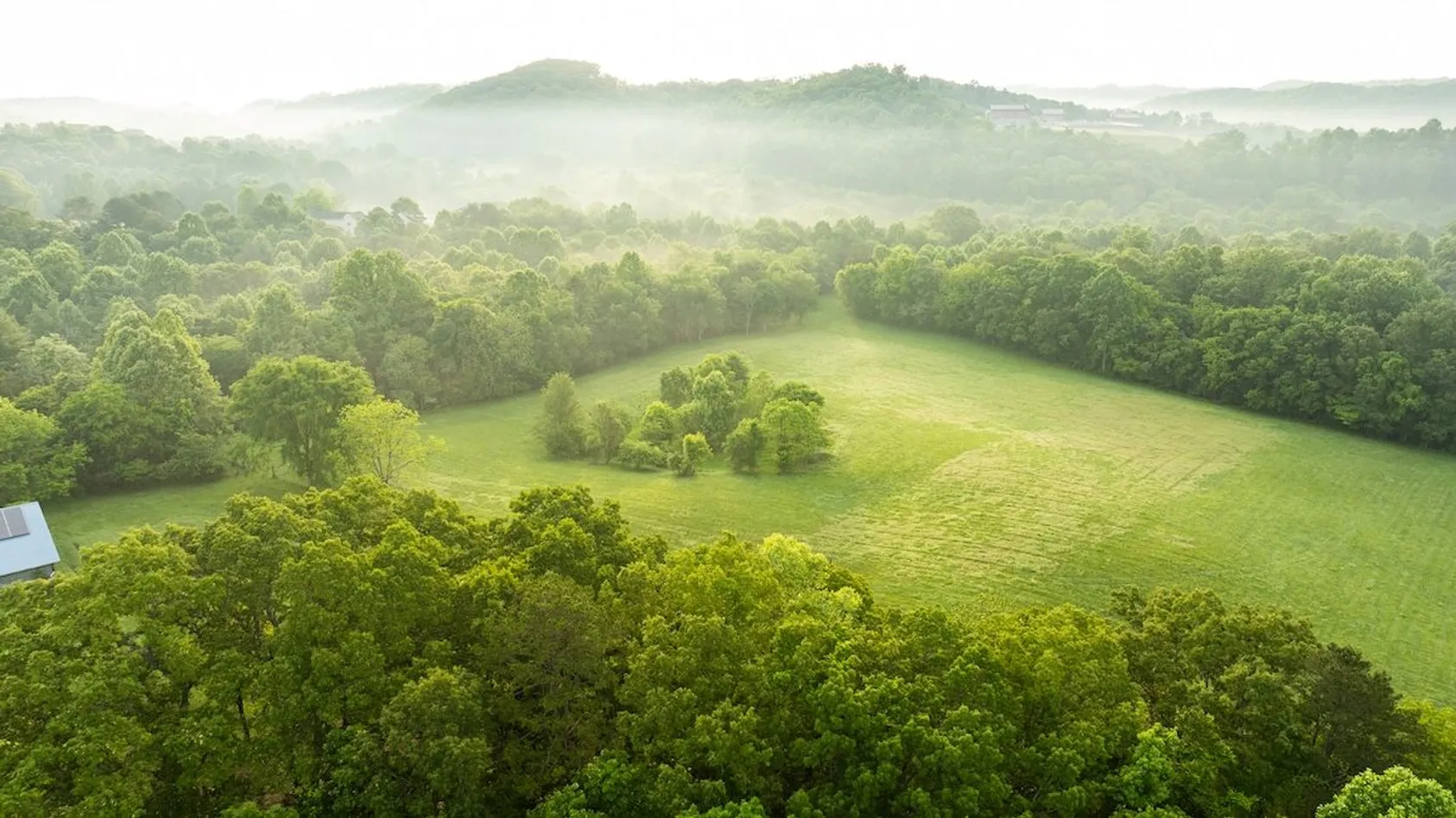
One of the best privacy barriers is nature itself. When possible, use existing natural vegetation to create a barrier along property lines. Rather than cutting everything down, consider leaving trees, shrubs, and other plants around the perimeter. This offers immediate concealment that already exists and costs nothing.
Additionally, some prefer to build inside of existing timber. A dense layer of towering trees can shield onlookers from seeing into the property, especially closer to homes and buildings. Plus, it’s aesthetically pleasing to the eye, especially compared to some manmade options.
Let Natural Vegetation Grow
If the current natural vegetation isn’t already tall enough to provide cover, just let it grow. Stop mowing everything down. Within a couple years, you’ll have tall grasses, moderate shrubs, and small trees. That’s enough to give you significant coverage and a strong sense of privacy.
According to Henry, some people want everything to look like a golf course. They immediately go through and start hacking away at the vegetation. That said, if you allow some of the undergrowth to remain, or allow it to grow, that alone can provide more privacy.
You can keep it manicured up by the house,” Henry said. “But when you go in and you start taking out fencerows and mowing everything down, it opens the property visually.” That's the opposite of the desired effect.
Install Privacy Fence
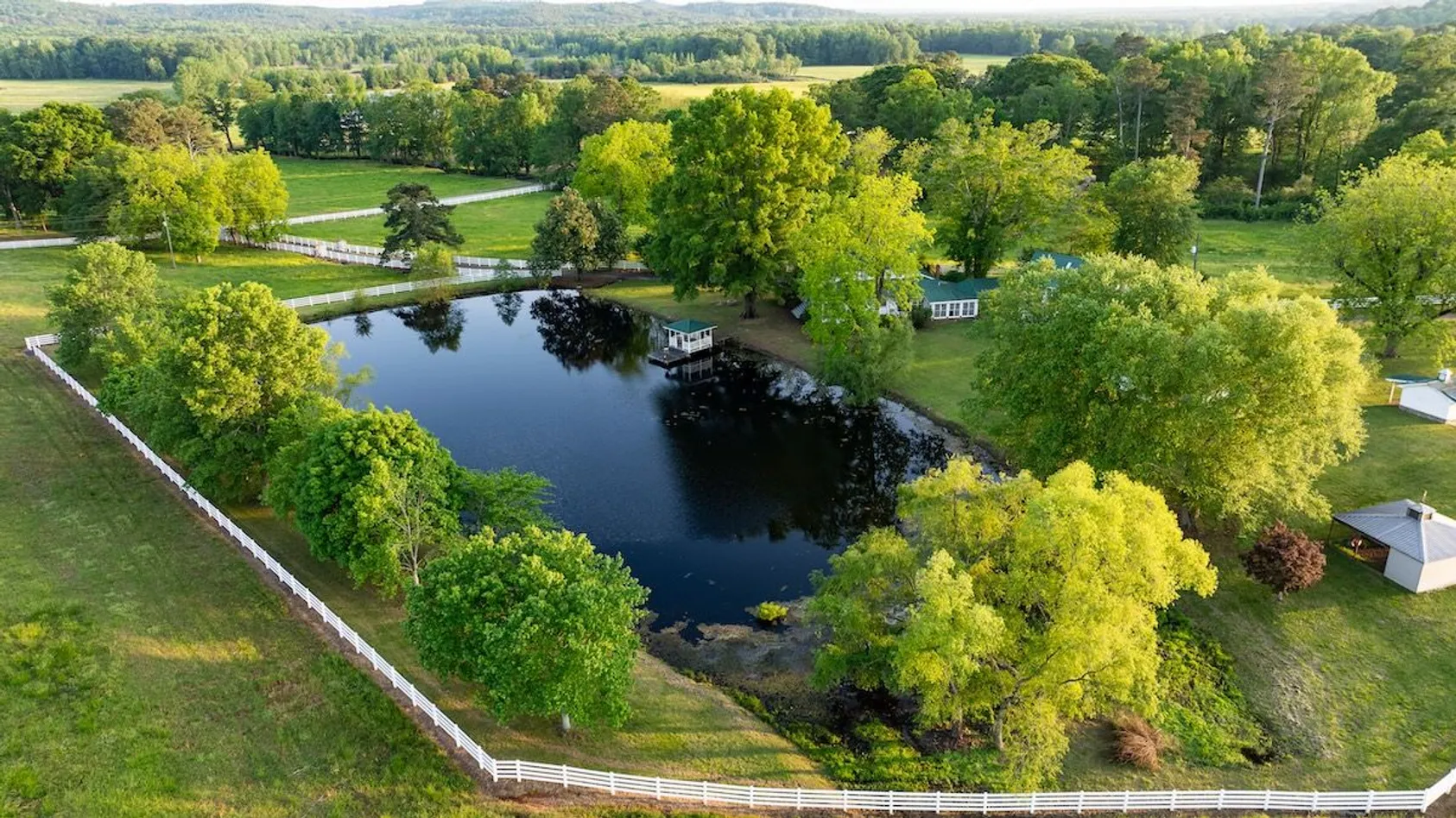
Perhaps the most common option, some choose to install privacy fences. Generally, these are crafted from wood or synthetic materials. Select the right route for you based on budget and what looks best to you and for your property.
There are always a lot of options with a privacy fence,” Henry said. “Whether you go wood or do vinyl, these are low maintenance.”
Depending on circumstances, and if there are houses a little bit close to the property line, you might fence one boundary, or multiple boundaries, as needed. Regardless, the only real maintenance is replacing the occasional board and weed eating along the bases.
Deposit Soil Berms
Those needing very large privacy barriers might opt for large soil berms. Bringing in dump truck loads of soil can build up a long and tall visual shield. It also provides a unique opportunity to plant beautiful ground cover that is visually appealing.
Establish Trellises with Climbing Florals
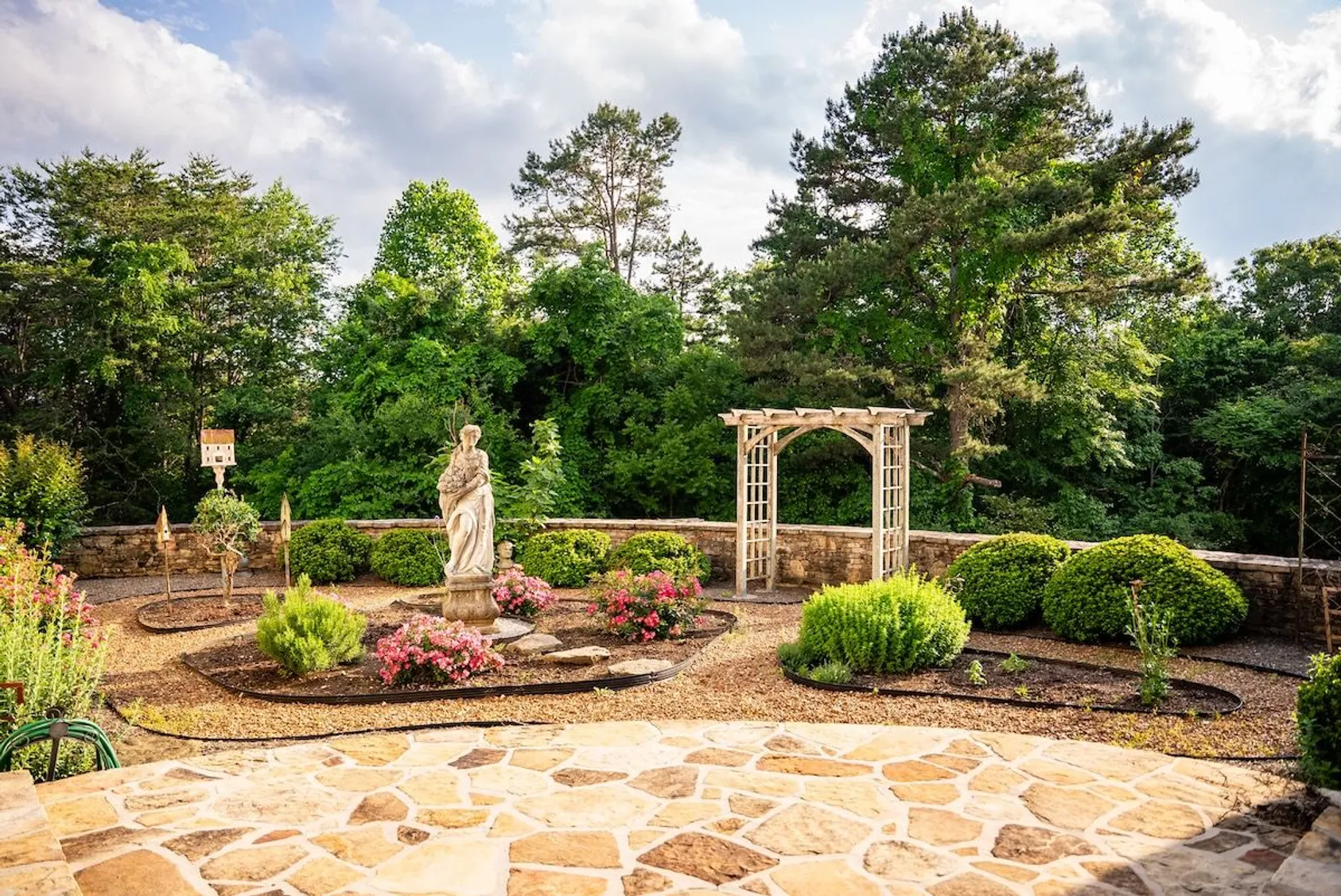
A classier option, build trellises along the boundary. Plant climbing plants and vines at the bases of these. Then, allow time to create a floral-based boundary that’s sure to impress. For example, Boston ivy is a great choice. Rose bushes and various species of vines are especially attractive, too.
Plant Large Flowering Plants
Sticking to the flower theme, consider planting tall-growing flowering plants, even without trellises. Hydrangeas, rose bushes, and other tall species that can support themselves. These are especially good for areas where you don’t need much plant height to achieve the desired privacy.
Implement Tall Shrubs and Other Plants
Dense hedges and shrubs, such as beech and privet, are great options as well. According to Better Homes and Gardens, don’t overlook black-eyed Susans, dwarf globe blue spruce, or variegated hostas. It also recommends wisteria. Spaced correctly, boxwood shrubs are great for privacy, too. Bamboo is also an option. However, it spreads rapidly and requires management to keep it in check.
Plant Deciduous Trees
Deciduous trees are those that lose their leaves each winter. While this reduces the quality of screening cover for months out of the year, these can still be used along boundaries. By planting multiple layers, and staggering the trees, it’s certainly effective. Of course, redbuds are especially appealing. Japanese maples are common privacy trees, too. Sugar trees, among other species, serve as excellent choices as well.
Plant Coniferous Trees
Most who plant trees as screening cover choose coniferous species. Also referred to as evergreens, these retain their leaves year-round. These are excellent for maintaining good screening 365 days per year.
A lot of people plant arborvitae, because they grow relatively quickly,” Henry said. “Or they plant some sort of cedar or pine tree. This gives you a wind break, too. Within five to 10 years, you have that privacy established.”
Utilize Crops
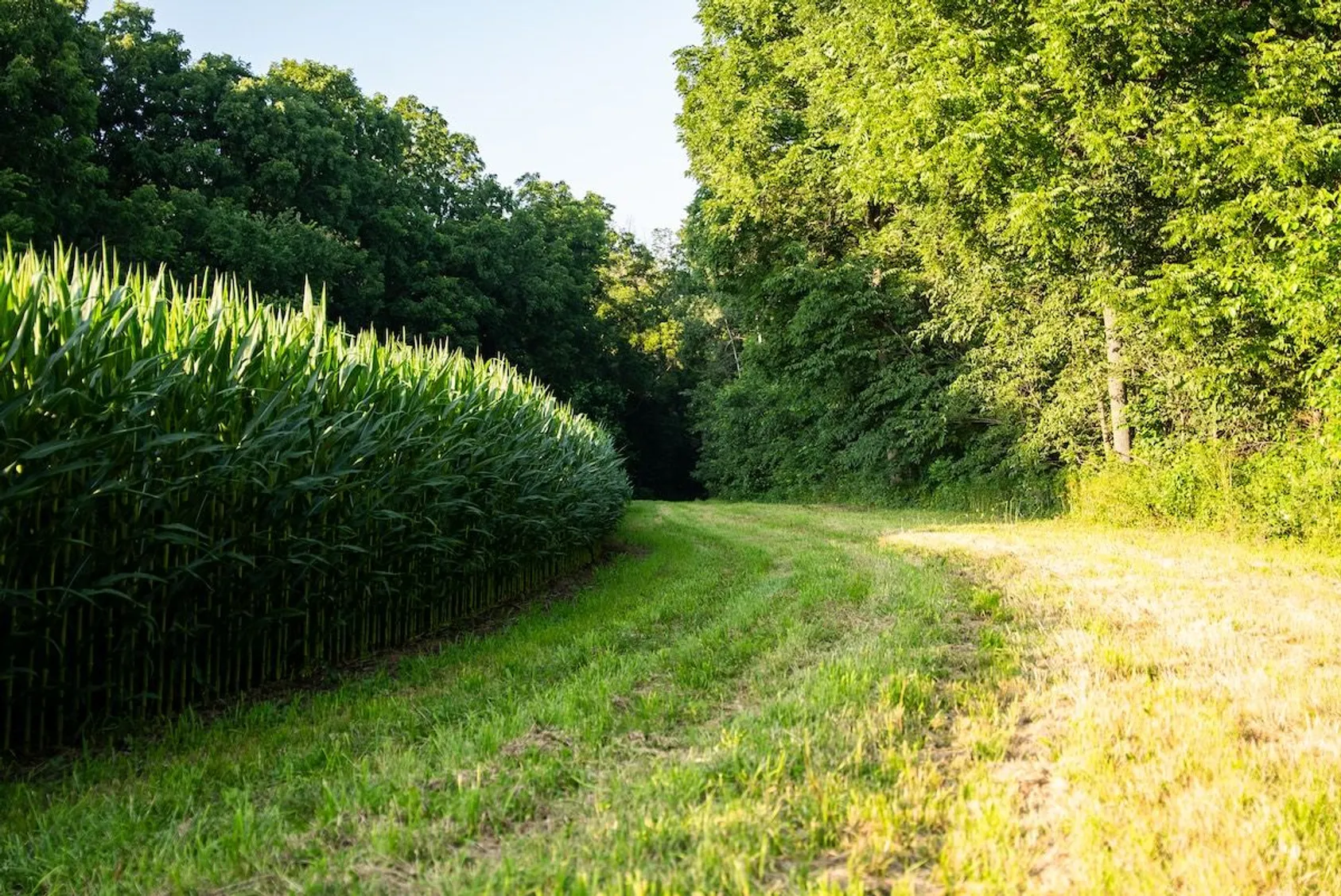
A common option that also provides income, planting crops can deliver a great source of revenue and establish a privacy screen. Of course, it only lasts about half the year.
Obviously, you can plant crops along a boundary,” Henry said. “These fields can block for a good portion of the year (summer and fall).”
Plant Egyptian Wheat
A popular food plot screen species, Egyptian wheat can serve as another ideal option. That said, as an annual plant, this is not a permanent option. It must be re-planted each year. Given that it can grow upward of 8-10 feet within months, it can serve as a great short-term screen while more permanent options become established.
Plant Giant Miscanthus
Similar to Egyptian wheat, giant miscanthus is a tall-growing grass species. In contrast, it’s a perennial, and comes back each year. This allows landowners to utilize an aesthetically pleasing grass species with a flowering head. It requires minimal maintenance, does not spread, and stands quite hardily against the elements.
Know You’re Property Lines
You’ve decided what type of privacy screen to implement on the property. However, those installing privacy screens — especially expensive, permanent options — must know the exact locations of their property lines. Knowing these ensures they place screens on the actual property line. That way, they're not cheating themselves or their neighbors.
So, what should a landowner do before installing a border? How should they approach their neighbors and talk to them about the subject? Is a property survey even necessary?
Henry recommends conducting a survey, especially if there isn’t a recent one on file. Even if you think you know where lines are located, it can be a really good idea to have those checked by professionals. This can clear up any confusion and prevent confrontations.
In my opinion, everything breaks down to communication,” Henry said. “Have an open communication line with that neighbor. One person might think the property line is on the right side of that tree. Another might think it's on the left. But if it's been 40, 50, or 100 years since that property was surveyed, that's a lot of time for that line to get blurry.
If it were me, and I'm putting up this privacy fence, I’d talk to the neighbor,” Henry continued. “Explain that it’s nothing personal or against them. You just want to break up visibility a bit. Let them know you will reach out to a surveyor. So, if they see someone poking around, they're going to mark property lines and put some extra stakes along the boundaries.”
Fortunately, if someone's trying to find a surveyor, they can reach out to their local Whitetail Properties Land Specialist. They can hook them up with the local surveyor that’s best for them.
They will point you in the direction that’s right for your budget,” Henry said. “They can use surveyor A, B, or C. If it's more complicated, such as a river or a lot of infrastructure, you might not want a certain person. But a Whitetail Properties agent has experience in working with these people and can help you find the best fit for your project.”
With consultations and surveys complete, move forward and create privacy on your property with landscaping. It’s time to get your hands dirty and spice up your property lines.