Buying & Selling
What Landowners Should Know About Property Easements
Right of access. Right of way. Access easements. Utility easements. These are important terms regarding legal access rights. Understanding the ins and outs of property access is crucial. Here’s what landowners should know about property easements.
Editor’s Note: This is not financial, investment, legal, or real estate advice. Consult with a financial planner, investment specialist, real estate lawyer, and real estate professional before buying or selling real estate.
Easements Defined
There are multiple types of easements. These include prescriptive, implied, express, and public. According to FindLaw.com, “Prescriptive easements are made over time when someone gains a right of way that is continuous. This can come up under adverse possession. Implied easements exist where it is reasonably necessary for neighboring properties to function as intended. Property owners create express easements through deeds or legal documents that set out the terms of the easement. Public easements benefit government interests for the public good. They include accommodation in private lands for public roads and utilities. For example, utility easements allow utility companies to run plumbing and power lines through the private lands of homeowners.”
The way I think of it is, with a legal easement, you don't own the land, but you have the entitlement to cross a piece of land along that marked easement,” said Spenser Bradley, a Whitetail Properties Land Specialist in Alabama. “So, you don't own the land, but you can't be stopped from accessing the easement to reach your property.”
Important questions to ask regarding easements:
- Where is the easement?
- How long is the easement?
- How wide is the easement?
- Is the easement clearly defined and marked?
- How many properties does the easement cross through?
- What is the easement type?
- Is the easement for access and/or utilities?
- Is the easement written into all relevant deeds?
- How does the easement’s legal description in the deed read?
- Has or is anyone contesting the easement?
- Do any utility companies have easements through the property?
Access is one of, if not the most important part, of a property’s value,” Bradley said. “It's not just necessarily road frontage.”
Does it have an easement? How wide is the easement? Even if it does have road frontage, is it accessible frontage?
Here, I've seen where it has road furniture but there’s a cliff there, so access isn’t an option,” Bradley said. “So, access is such an important part of the property value.”
Unless stated otherwise in the legal description, easements are created with the assumption that they are permanent.
Easement Type: Access Easements
The most common type of easement is for access. These are established so that landowners can access their property, of which might not have road frontage and is blocked by other parcels of private land.
The common term is ‘runs with the land,’” Bradley said. “So, if you purchase a 40-acre piece that doesn't have road frontage, if it comes with a perpetual easement, that means it runs with the land. You'll always have that easement. If you sell the property down the road, the new owners will have that.”
Easement Type: Owner Utility Easements
Just because there is a legal easement for access, doesn’t guarantee the easement is good for installing utilities. In many cases, this is a completely separate discussion.
Of course, most people Bradley talks to want to know if they have the potential to build. If they can’t, that’s typically looked at as a negative.
Easements are viewed and handled differently by state. For example, according to Bradley, in Alabama, you can have an easement, but it could be just for access, and it doesn't include utilities access. That should be written into the deed whether you can run utilities back there, or not.
That's two separate issues,” he said. “Again, the property would be more valuable if the utilities are in place or have the potential to get utilities out there.”
Before buying, be sure the easement permits the installation of utilities, or you might be in for a surprise down the road.
Easement Type: Utility Company Easements
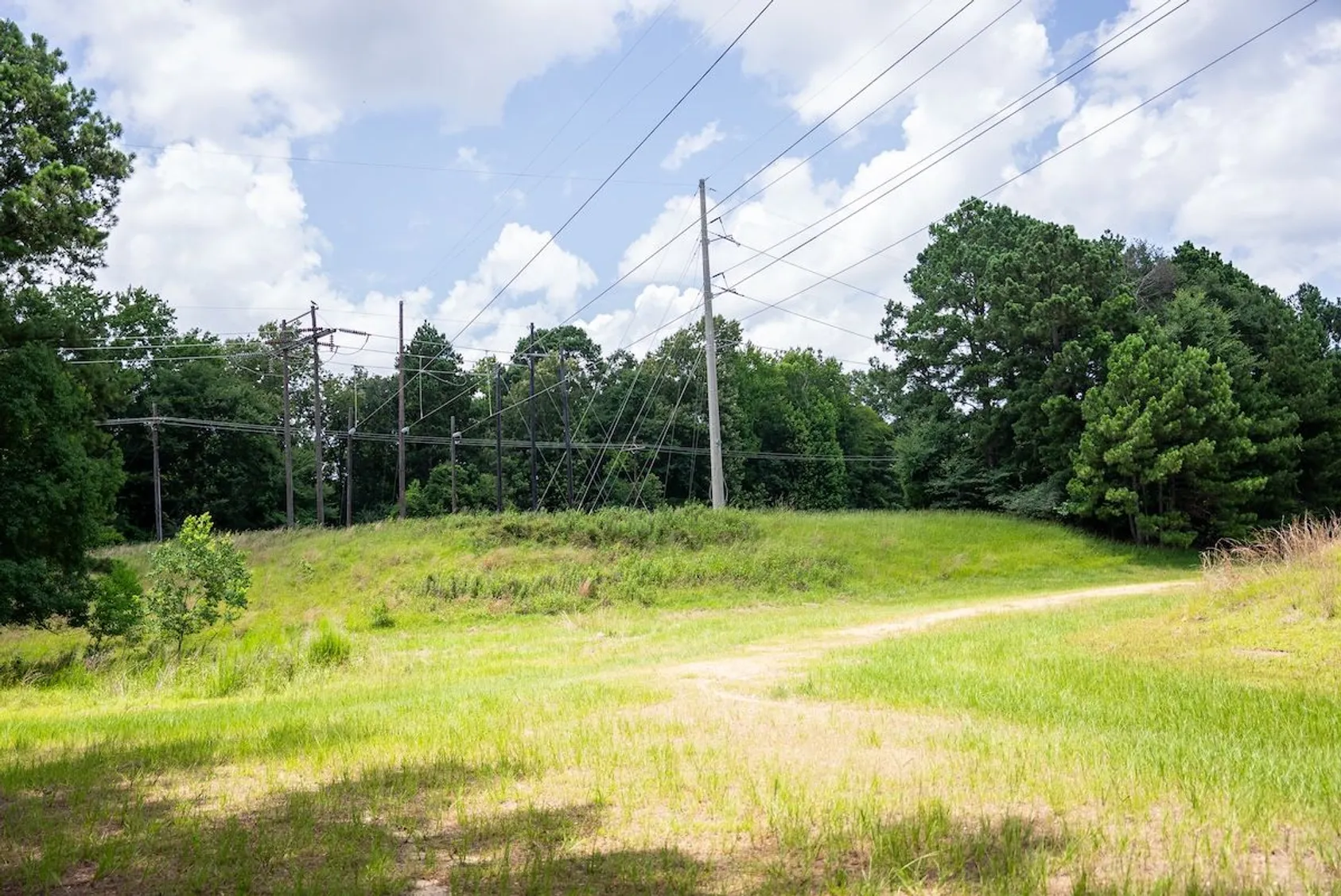
Utility companies also have easements that run through properties. Power (gas, electric, etc.) companies commonly have easements that access through land. Landowners can’t do anything about that. It’s something they must live with and work around.
These are typically maintenance easements,” Bradley said. “For example, if a power line runs through the property, you know they'll have an access easement to maintain the power line.”
Sometimes, this works in your favor. Obviously, you can’t pull electricity off large transmission lines. However, small to medium-sized utility lines might work in your favor, as this can make it cheaper to establish electricity in locations you need it.
With larger utility lines, in most cases, hunters can plant food plots along these. In fact, according to Bradley, in Alabama, most individuals are encouraged to plant.
You can hunt on, and you can plant food plots on, those utility lines,” Bradley said. “Alabama Power actually encourages food plots. It’s less ground that they have to pay to maintain.”
Two Sides of the Easement Coin
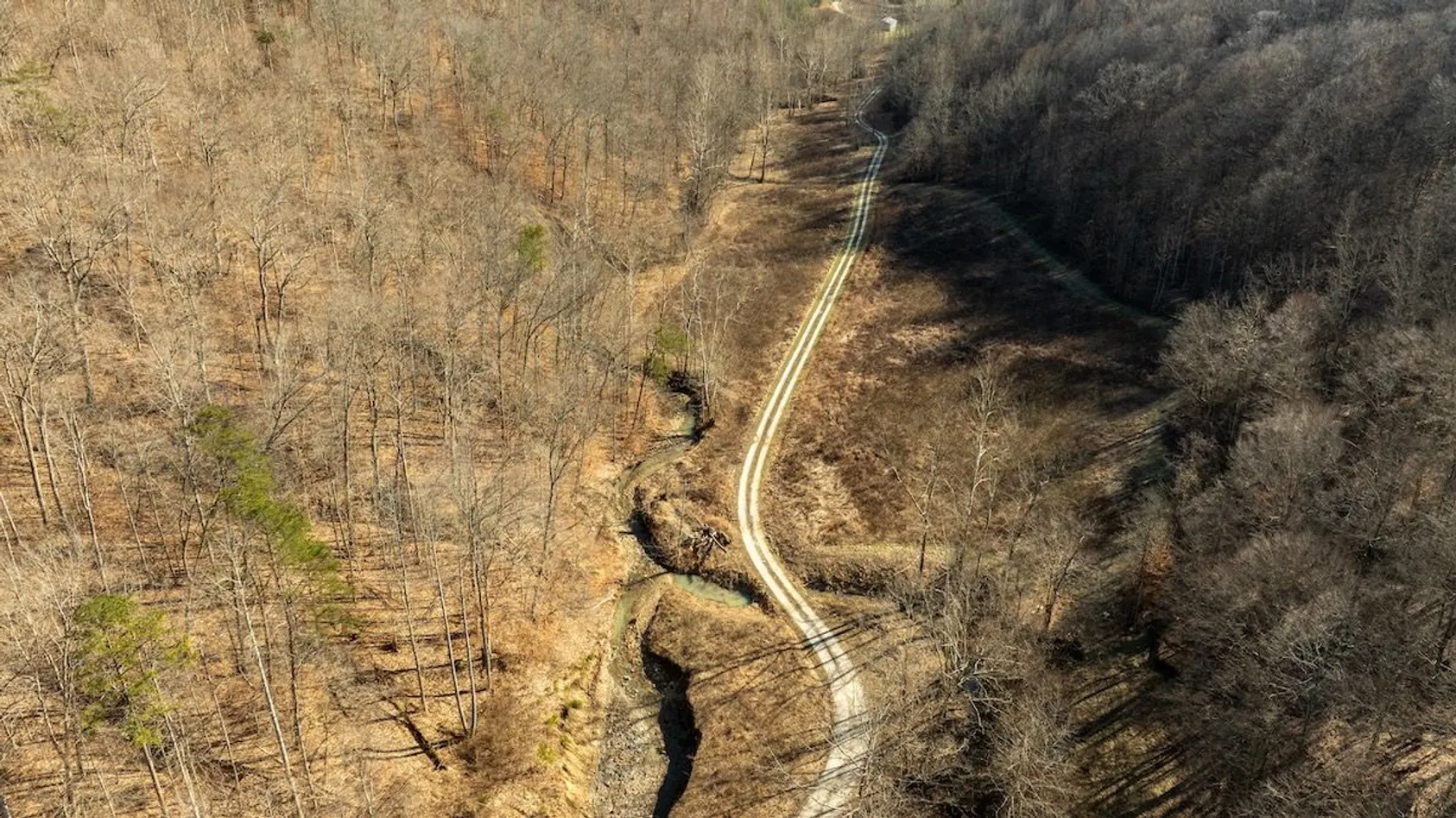
There are two sides to the easement coin. It works both ways. If you own a piece of land, and you have an easement to get to that tract of ground, that's great for you. Obviously, it can work the other way around, too. You might own a piece of land and somebody else can have an easement that goes through property that you own. Either way, these legal easements must be respected.
Obviously, if that easement runs right down the middle of your property, that's gonna be considered a negative,” Bradley said. “The more people that are crossing through the property, the more negative it's going to be considered.”
These are things to keep in mind when buying land. If a lot of people, or even a few, have the legal right to access through the property, that might not work for your intended use, especially if hunting is primary.
Land Easements and Values
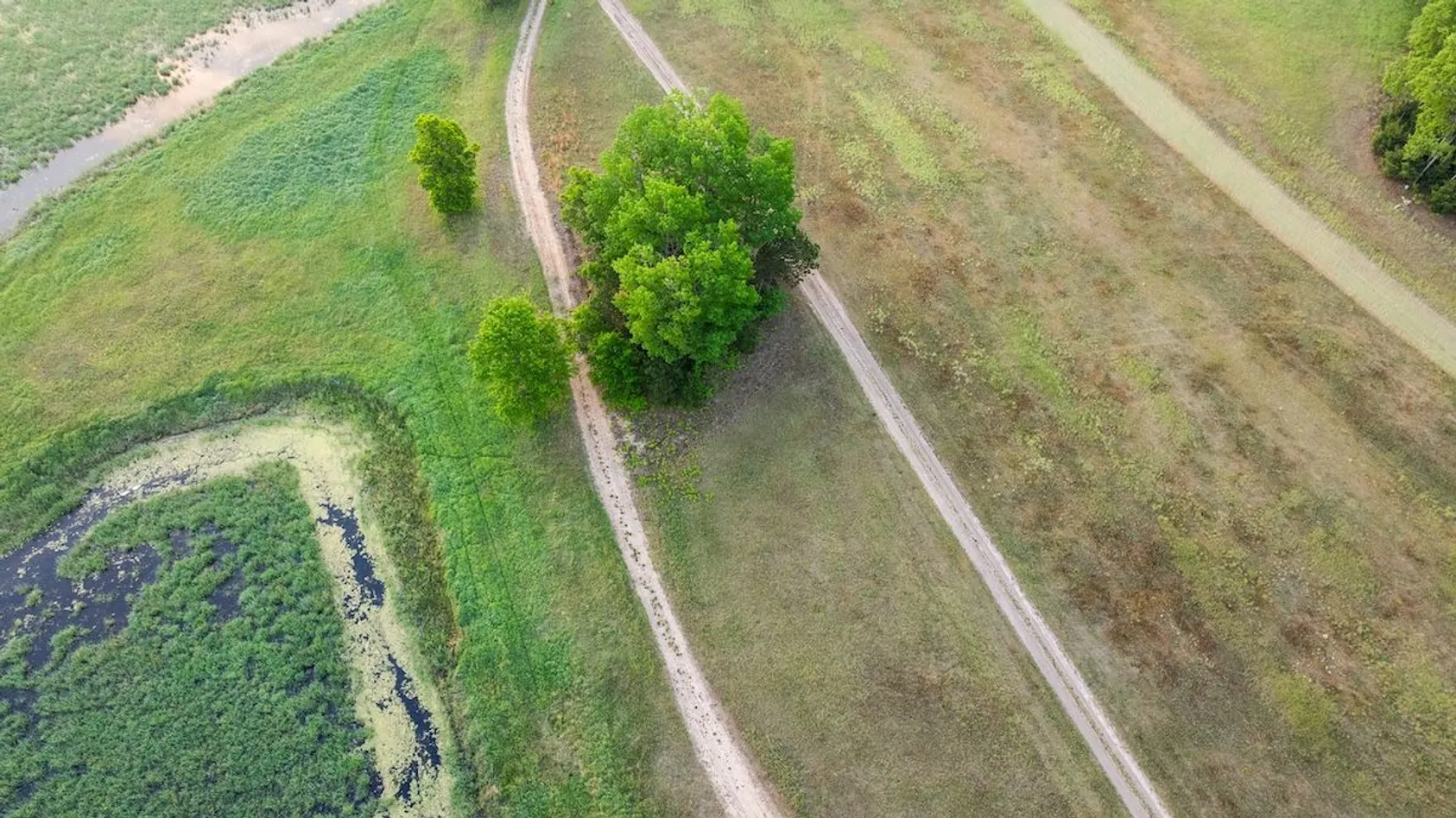
Land easements tend to have significant impacts on land values. Sure, securing an easement to a land-locked property can increase its value, but not like road frontage would do. Without question, the latter is superior. An easement is the next best option, though.
It's not as good as having road frontage, especially regarding the value of the property,” Bradley said. “You want good access and good road frontage. That’s the best-case scenario. Right behind that is the easement for access.
When I discuss all of this, I'm talking about from the perspective of property value and future re-sale value,” Bradley continued. “Plus, from a hunting standpoint, you don't want somebody to drive through your property when you're trying to hunt.”
So, it’s crucial to keep everything in context, especially regarding what the property use is going to be and whether or not the easement in question will work with the intended use.
From a general ownership and land use perspective, the relationship between access quality and land value is more obvious. It’s true from a hunting perspective, too.
That’s a very important part of hunting,” Bradley said. “Being able to access the property to make improvements, to harvest timber, for prescribed fire, planting food plots — then you start thinking about access even more. If you're looking at deer hunting, start thinking about access regarding getting to where you want to hunt without blowing your scent all across the property.”
Don’t Trust Handshake Easements
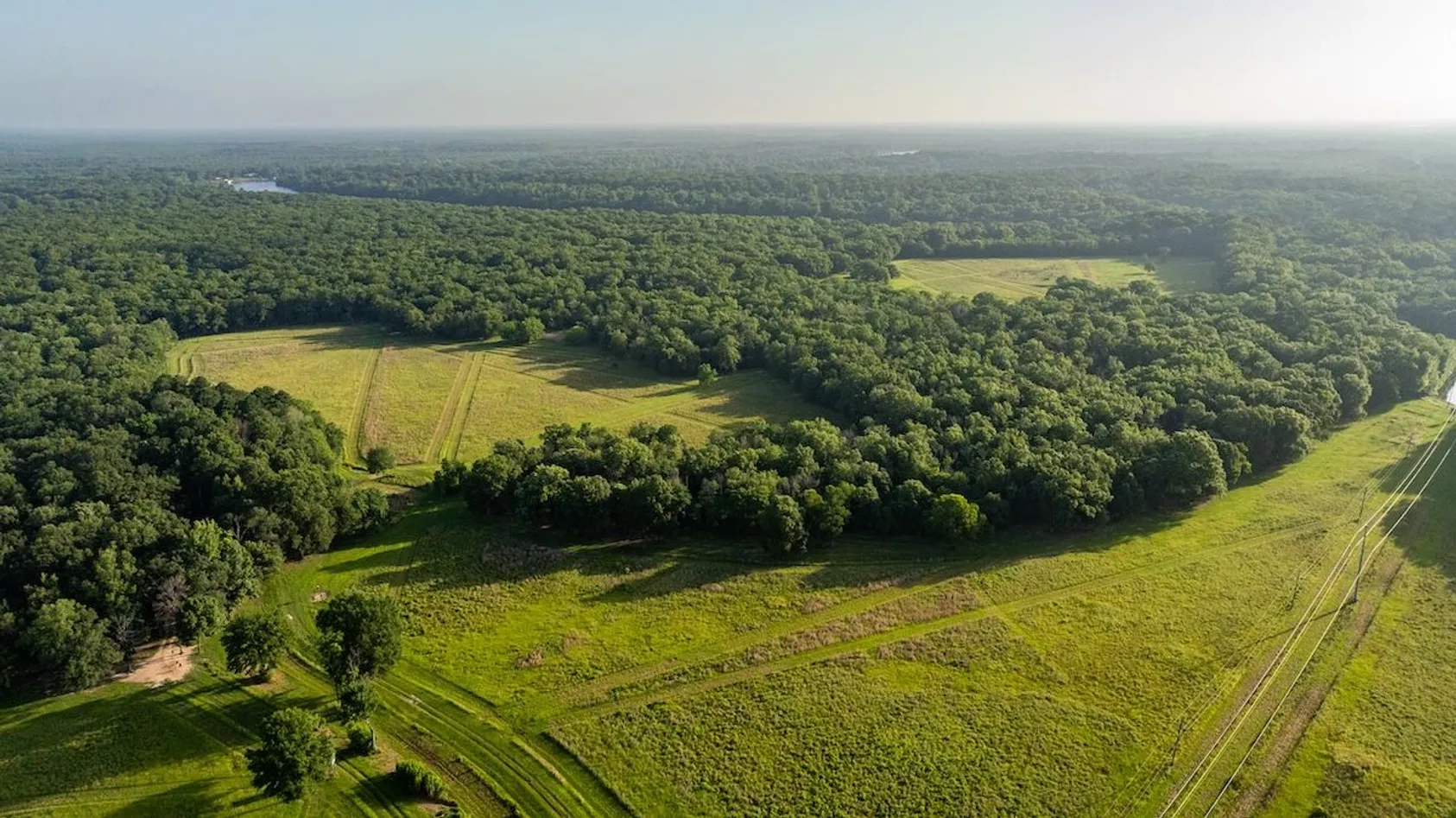
Handshake easements don't work. Even if that’s allowing for successful access for the current ownership situation (on each side of the agreement), that doesn’t guarantee it will continue to do so. Plus, there’s no guarantee it will continue and transfer if either party sells.
A handshake agreement is just that — it's as good as a handshake,” Bradley said. “I run into it all of the time. I'm speaking to a seller that's maybe interested in listing the property. We discuss the access, and they say the access is here — it's so and so neighbor and he's always let me through. That's worked for that seller for a long time, but it's a big problem for potential buyers. I've seen it happen where a new person comes in and they don't let them through. Or the neighbor who is open to letting them, sells his property or passes away. Then, the next owner doesn't allow anybody to cross through there. You're not totally out of luck, but you're looking at hiring an attorney to start the easement process. It's a big, complicated process.”
Trust Legal Deeded Easements
The only reliable easement is one that comes with a definitive legal description within the deed. A title and deed with a properly outlined legal easement is a right-of-way that you can trust.
Those easements are always going to be written into your deed,” Bradley said. “Sometimes, we don't know about an easement until we look at the deed. If we don't have access to the deed, you have to find that at the courthouse. Usually, that deed references a page that goes over the legal description of the easement. That’s how to figure out the deed situation.”
So, do you need to know if a property has a legal easement? Conduct a title search. Study the deed. Read the legal description. That should turn up the information you’re looking for.