Wildlife Management
Food Plot Maintenance: Watering, Fertilizing, and Weed Control Tips
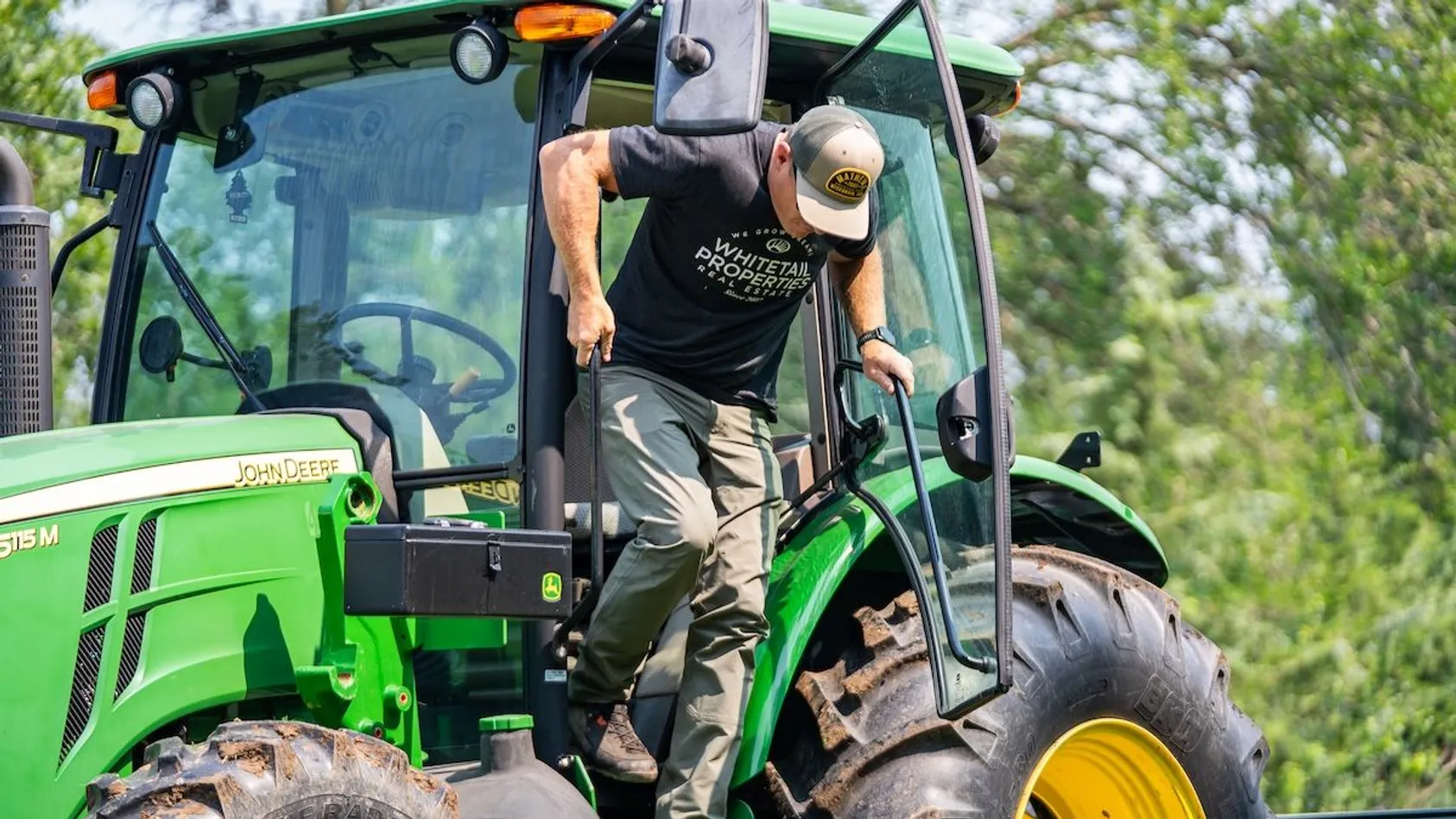
Food plot maintenance is a significant part of growing healthy plots each year. Knowing key watering, fertilizing, weed control, and other important tips can make the difference in growing a successful food plot, or not.
General deer food plot maintenance. Learning how to water food plots. Recognizing food plot fertilization schedules. Conducting proper lime or pH testing for food plots. These and more can take your Whitetail Institute food plots to the next level. So, slip on those Lacrosse boots, fire up that John Deere tractor (http://deere.com/en/), crank that Turtle Box speaker, and make the most of food plot season. Do that, and you’ll have giants on your Reconyx cameras in no time.
General Food Plot Maintenance
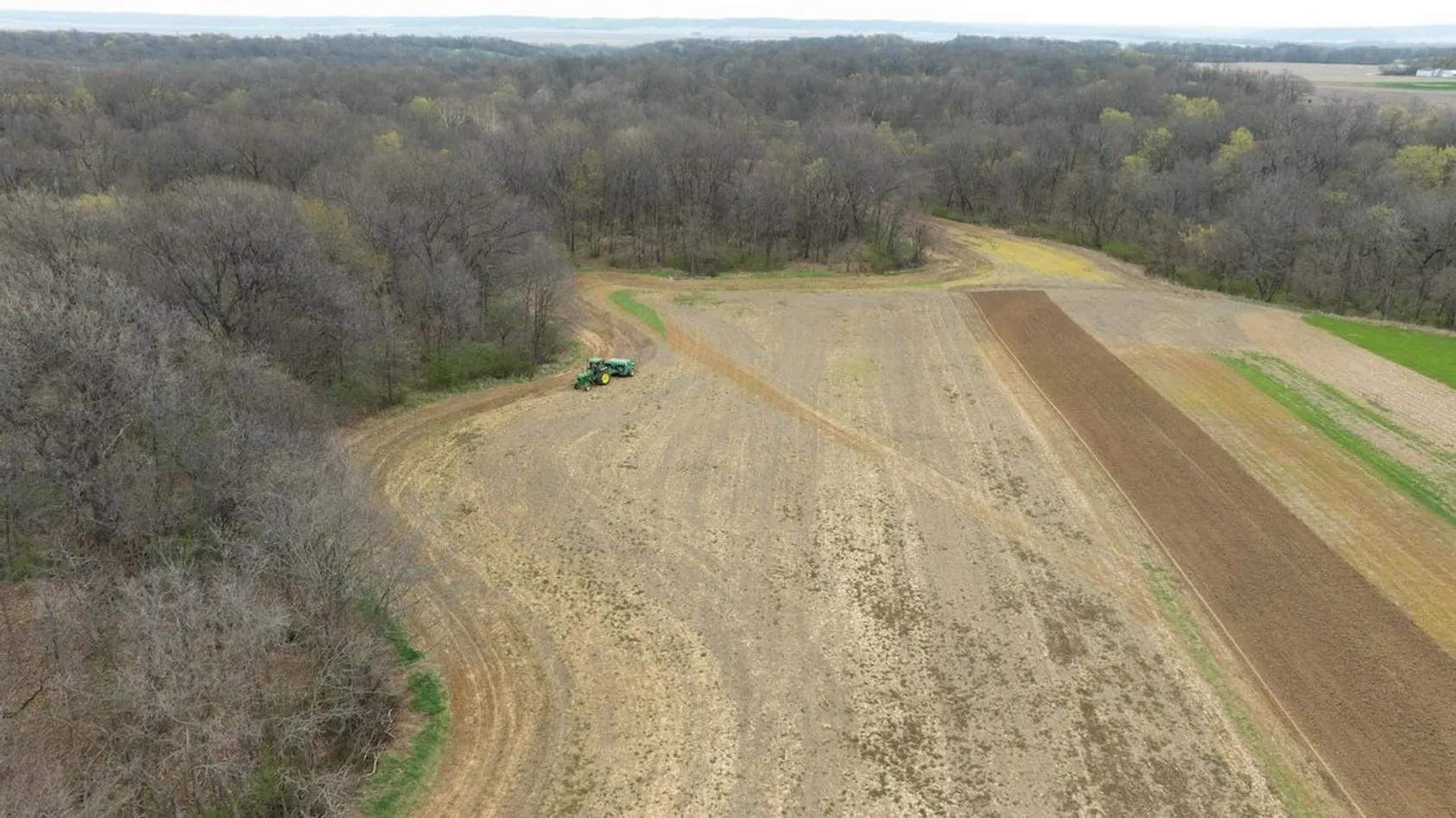
General food plot maintenance is an important part of food plot management. This includes pre- and post-planting maintenance. What does that include? Quite a bit, actually. Examples include weeding, fertilizing, watering, and otherwise maintaining food plots. Read on for specific tips in each maintenance category.
Tips for Weed Control in Food Plots
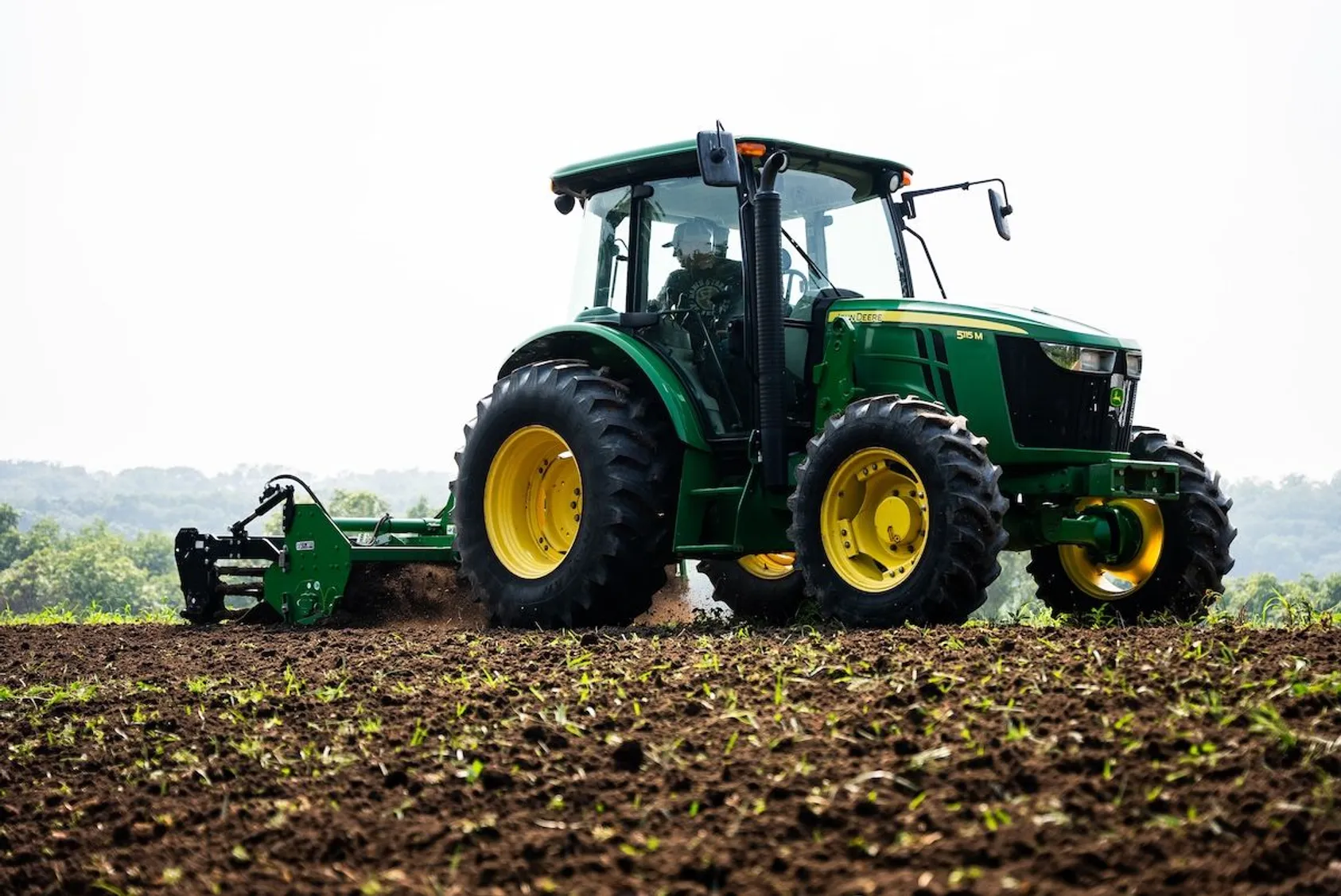
Food plotters must control the competition. At the most basic level, there are pre-emergent and post-emergent sprays. Pre-emergent chemicals are active in the soil. These prevent weeds from germinating. Post-emergent chemicals are applied directly to the growing plant and kills according to the spray type.
Certainly, pre-planting maintenance is important,” said Andrew Malott, a Whitetail Properties Land Specialist in Indiana. “Being able to keep up those plots all throughout the spring and summer months — you don't want to wait too late and decide two weeks before you want to plant it that you need to start prep work for that food plot. That’s spraying, mowing, and working the ground. Stay on that plot continuously. As soon as that vegetation starts coming up in the spring, keep maintaining it throughout the summer. Keep mowing, if you want. Keep it sprayed, that way you're not running into a mess with extremely tall weeds and thick vegetation right before you decide to plant.”
So, what about weed control? How would somebody go about taking care of weed control before and after planning? Generally, this is done via herbicides.
We control most weeds prior to planting,” Malott said. “That's probably the most important thing — a clean seed bed. So, at least a week before planting, you need to spray it off.
Regarding herbicide types, non-selective herbicides kill all plants they contact. These are great for killing off an entire plot before planting. It also works for spot-spraying problem weeds.
There is a wide variety of chemicals that you can use, including glyphosate,” Malott said. “That usually does a pretty good job, depending on what weed you have in your food plot. More commonly now, glufosinate, which is commonly known as Liberty, is a really good product. It is taking the place of, and has a little bit more knockdown power than, Round Up.”
Other sprays are broadleaf selective options. An example is 2,4-D, and it kills broadleaf plants but doesn’t kill grasses. For example, it’s great for oats and wheat.
You can run 2,4-D, but you have to be careful of which 2,4-D you’re spraying,” Malott said. “Certain 2,4-Ds have residual 10- to 14-day periods where you don't want to plant anything (after spraying 2,4-D).
Still, grass-selective sprays kill only grasses. They don’t harm broadleaf plants. Many food plotters use these for spraying brassicas, clover, and soybean plots.
According to Malott, if you happen to get some grass pressure growing in plots, especially in rape, turnip, and radish plots, you can control that with clethodim. If you happen to have broad leaves in your cereal grains, such as wheat, cereal rye, or oats, then you could come in with 2,4-D,” he said. “But hopefully you won't need any post-planting weed maintenance.”
Regardless of what spray you use, always read the directions on the bottle. Follow these carefully and fully.
Tips for Fertilizing Food Plots
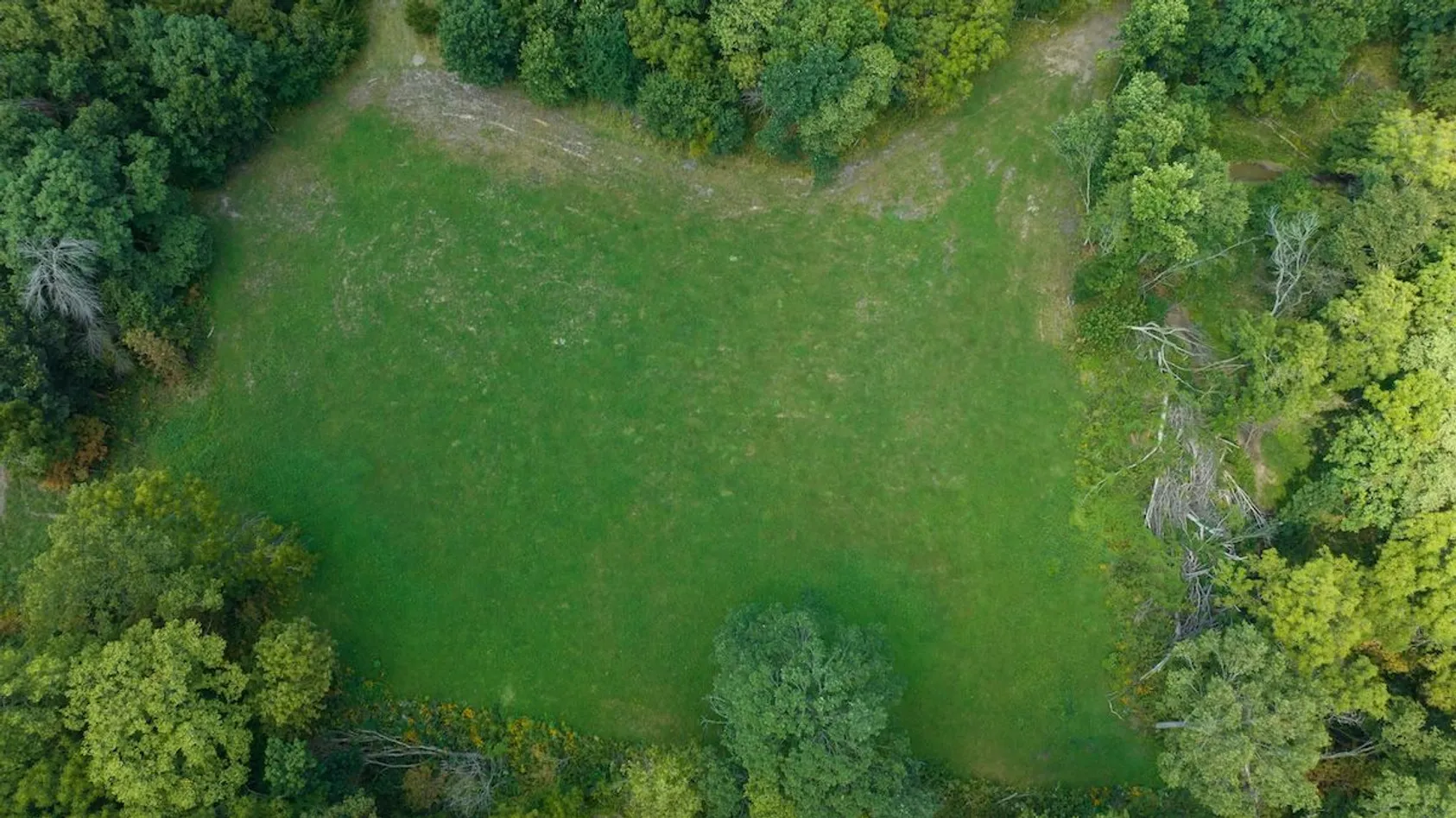
Fertilizing is an important part of food plot maintenance. Of course, there are important things to know. For example, most food plot species will do fine with a soil pH of 6.0 to 7.0. Legumes (i.e.: clover, soybeans, etc., put nitrogen into the soil). High-analysis fertilizers (i.e.: 0-46-0 phosphate) can solve severe soil deficiencies. Liquid fertilizers can solve problems deep into the backwoods where it’s more challenging to deliver traditional lime.
With fertilizing, people often inquire about proper fertilizing practices. Do you put it down before or after planting, or both? Generally, the best practice is before planting, but there are exceptions.
A soil test tells you what you need,” Malott said. “Generally, fertilizing after you plant isn't necessary if you get plenty of fertilizer up front before planting. But getting a soil test a couple weeks prior to planting is probably the most important thing. Soil testing is going to tell you what you’re lacking and what you need as fertilizer.”
Use a Soil Probe to pull soil samples. Use the Soil Test Kit or downloadable version to know what fertilizer and lime is needed for each food plot.
Tips for Watering Food Plots
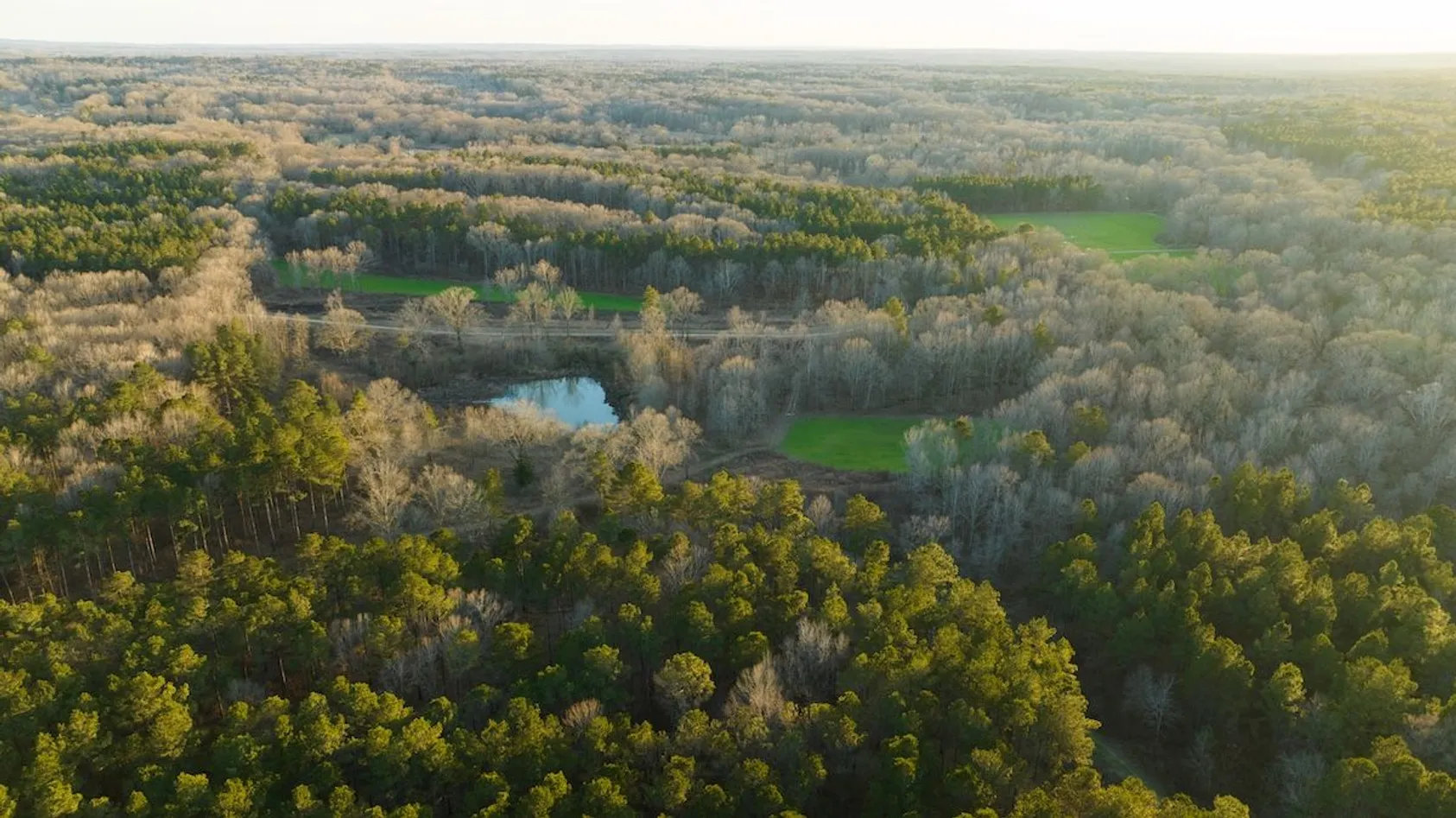
Watering food plots can be a laborious task. Fortunately, it usually isn’t necessary. Mother Nature handles that step.
Specifically with green food sources, you know, cereal grains, rape, turnips, radishes, there isn’t much to do,” Malott said. “Depending on how much rain you get, if you have access to water, you can get water on the food plot. If there's some weed pressure — specifically grass pressure — coming up in those plots, you can spray them, but there's really not a lot of post-planting maintenance.”
If somebody does need water, some might wonder how they should go about doing that.
If you have access to a pond or creek nearby, you can run a pump and maybe a sprinkler,” Malott said. “That would be your best option. But I have seen guys with nurse trailers, nurse trucks, water trucks — I've seen it all. But not everyone has access to that. So, if you have a pond or creek nearby, that's about the best way that you can do it.”
Interestingly, he points out that it takes a significant amount of water to make a difference. According to Malott, it's more than 27,000 gallons to create 1 inch of rain on an acre.
Tips for Over-Browsing of Food Plots
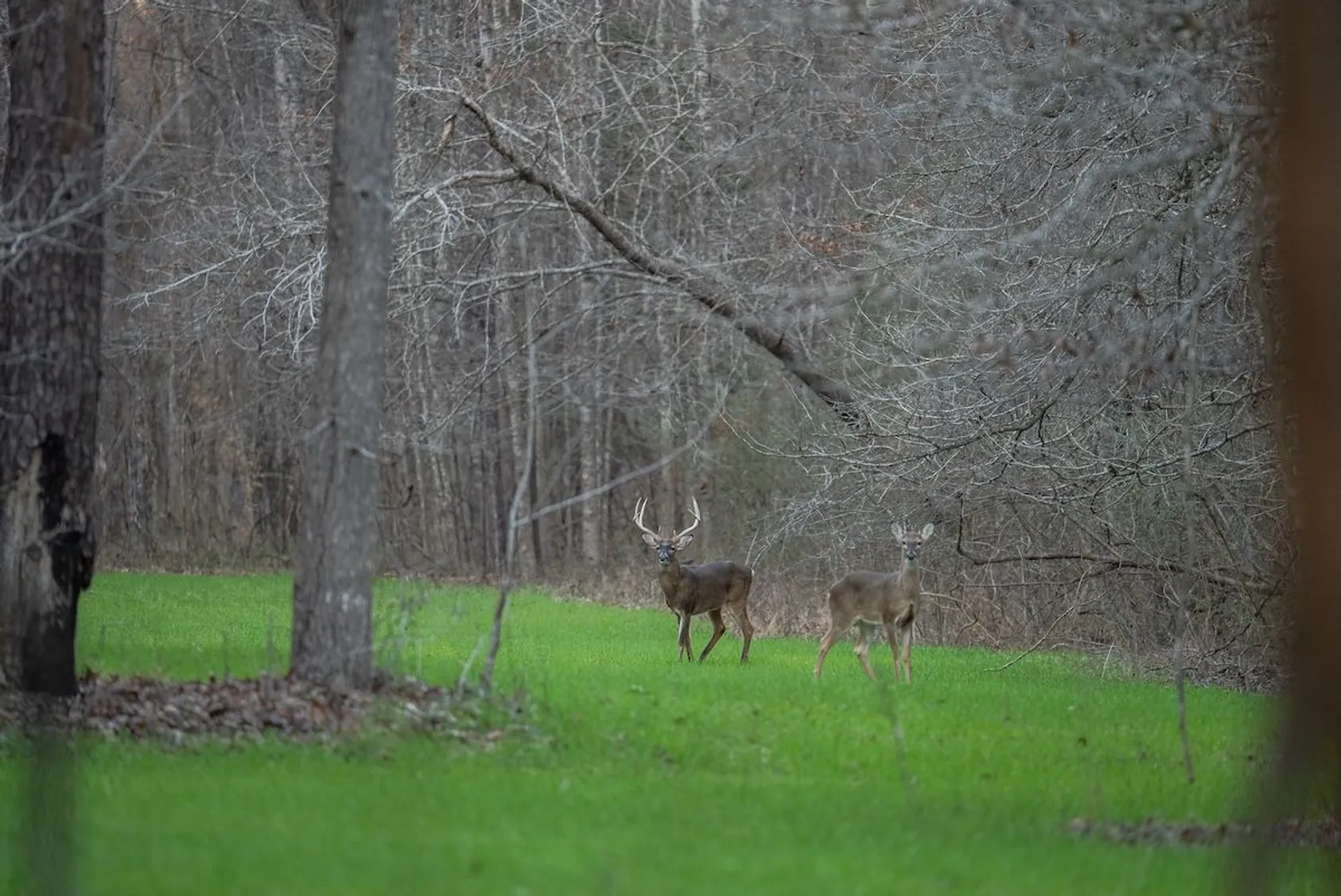
In areas with higher deer densities, and with smaller food plots, it might be necessary to combat over-browsing. Although not always needed, when might someone go about using an exclusion fence?
I like an electric fan, and I do this on all my plots,” Malott said. “I use these throughout the summer and throughout the growing season. Just before deer season, I'll pull my electric fence. But if you have a high deer density, small micro plots, and you don't want heavy browse pressure, that's the best time to use an electric fence.”
There are numerous brands and types of electric exclusion fences. Malott recommends piecing your own kit together at a local farm store. If you can get hands on a Gallagher solar charger, that's probably the best way to go. Then, just get the plastic step fence posts and wire.
Some people might ask how deer jump a farm field electric fence (such as for cattle), but not food plot fences. What allows them to cross the former electric boundaries but not the latter?
With food plot fences, you have to get a little bit more creative,” Malott said. “You have to mess with their depth perception. So, run two different strands of fence. I've seen it done a bunch of different ways. But if you run two strands on the inside fence closest to your plot, and run one strand of fence outside of that, it messes with their depth perception. They are less likely to jump it.
If you get extremely serious, there is a fence netting that can get up to 8 to 10 feet tall,” Malott said. “But you're talking a little bit more expensive, too.”
Other Food Plot Maintenance Tasks
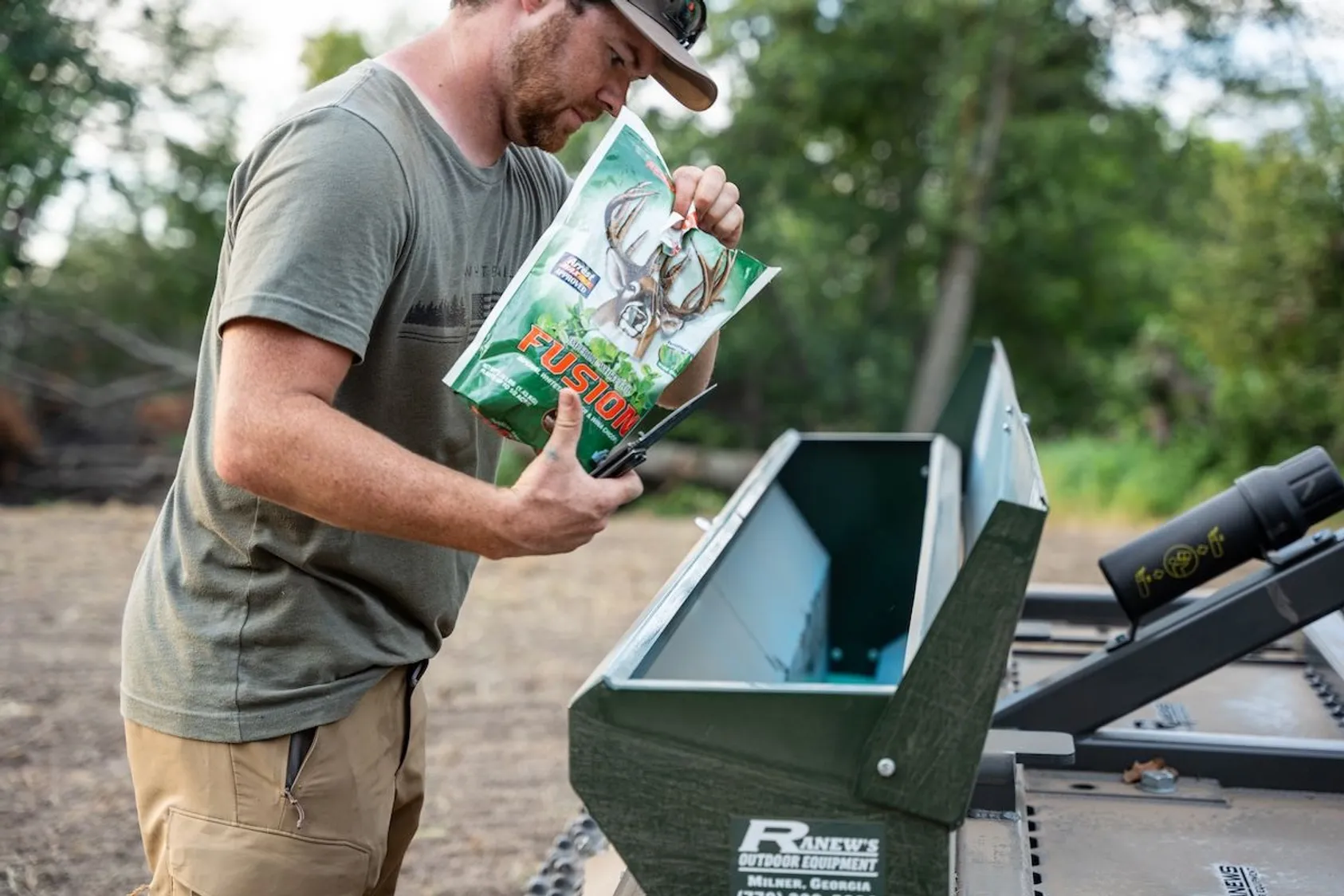
In addition to the primary points above, there are other food plot maintenance tasks. First, study the soil health (beyond pH and lacking nutrients). For example, if there isn’t much topsoil, consider no-till drilling rather than discing the plot.
Improve the organic soil matter. When lacking, consider disking the live green plants into the ground. This does a better job of building organic matter than dead plants. This also boosts soil moisture, too. Additionally, some improve food plot health with the Impact soil amendment.
Then, consider ways to increase deer usage of the plot. Maybe that’s planting a screen around the plot with Whitetail Institute’s Imperial Whitetail Conceal.
You might even spice up those plots with some extra incentives. Examples include attractants, such as Apple Obsession, Kraze, and the Magnet Mix Block.
Beyond that? I don't know, get on your knees and pray for rain,” Malott said. “I know that's what I'm doing right now.”