Wildlife Management
Top Deer Food Plot Mixes for Every Season (Spring, Summer, Fall, and Winter)
Planting food plots is a major part of land management. It’s an important step in improving habitat, retaining deer, and improving hunting quality.
Hold more deer. Grow bigger bucks. See more whitetails from the stand. These things are possible with the right food plot programs.
Beets, brassicas, cereal rye, chicory, clover, corn, oats, radishes, soybeans, and many more, are excellent food plot choices. Some hunters plant singular plant species. Others use blends and mixes.
Regardless, successful planting involves planting the right deer food plot seed at the right time. It also requires understanding the best food plot mix for spring, summer, fall, and winter. Here are the top options for every season. Plus, stick around to see some of the best options from Whitetail Institute.
It’s time to strap on your Lacrosse boots, dust off the John Deere, break out the Turtle Box speakers, and turn some dirt.
Editor’s Note: Study food plot bags for the most accurate food plot planting directions and planting timing for your growing zone.
Why Should Food Plotters Plant Mixes?
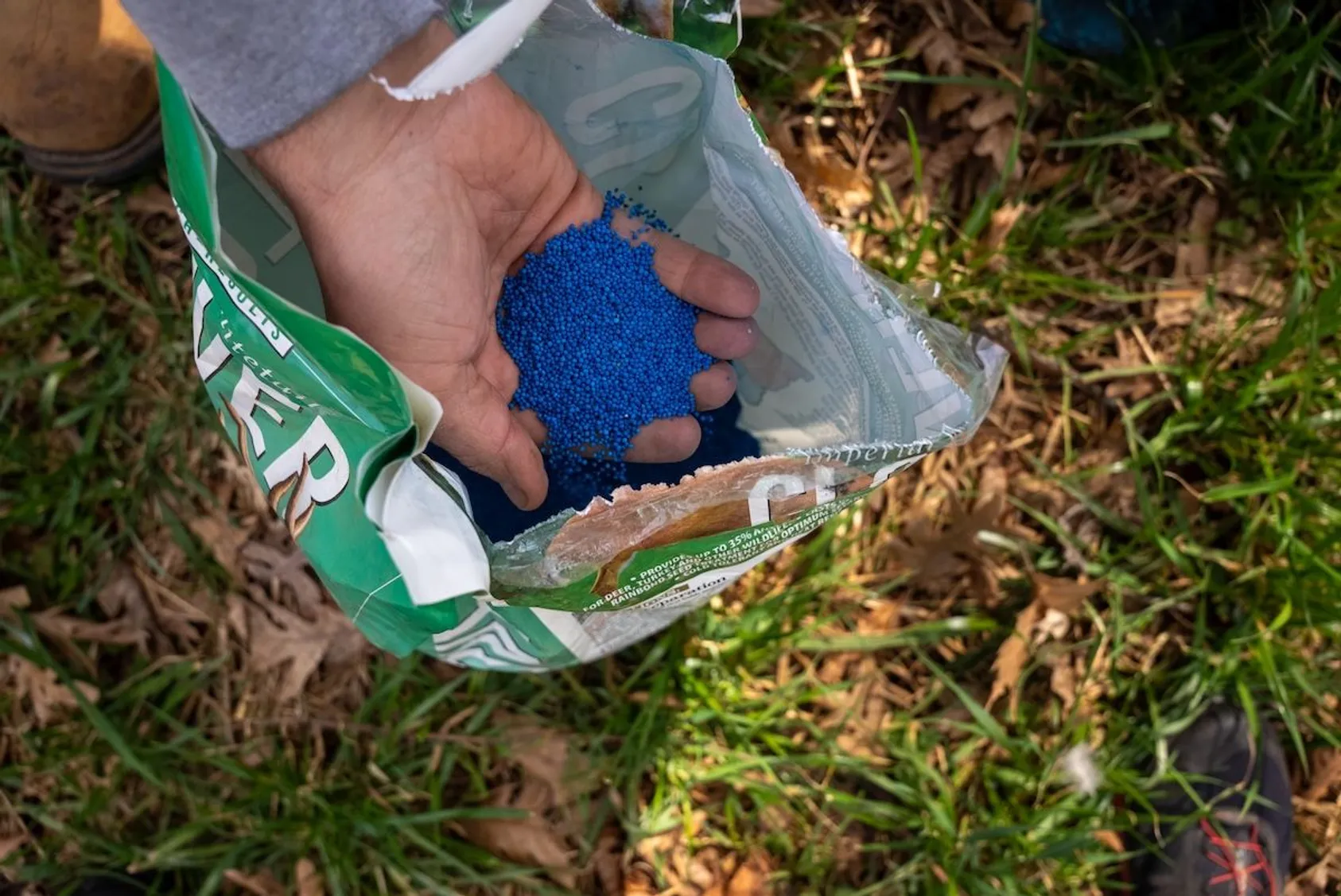
Most individuals prefer either singular plantings or mixes. Others use one or the other depending on the scenario. Consider the situation and choose the right option given the circumstances.
I will try stuff down here that's different,” said Clay Mervar, a Whitetail Properties Land Specialist in North Carolina. “I’ll try turnips, radishes, and different brassica blends. But if I'm planting something that's individual, it's usually clover or oats.”
It’s all about variety, though. Offering multiple food plot species to deer increases the odds they’ll spend time in your food plots. After all, the goal is to have healthier and more deer, and that helps accomplish this.
Sometimes we'll do everything broadcasted out in the same area altogether,” Mervar said. “I think those oats give a nice nurse crop to let the others come up. I prefer mixing them together.”
Other times, we're planting them separately but in the same plot,” Mervar continued. “But we have it divided into different things.”
Top Food Plots for Spring
Those targeting spring-time food plots should think about the plant species that work best for this timeframe. Also, they should think about what deer need, and tend to target most, at that time of year.
I’m thinking ahead,” Mervar said. “I'm planting something the fall before. Or I’ll overseed or frost seed clover. But a lot of times, I know where I want this spring food plot to be. I'm going to specifically put that in that fall before. I'm putting a clover blend in there so that I know, next spring, it's going to come up. By thinking ahead, and planting it that fall before, it works a little bit better.
For the most part, with our weather, you have something that's going to work for the entire year,” Mervar continued. “When the clover goes dormant, and when we get the frost, the oats are usually on fire — and the first thing to green up that next spring.”
Oftentimes, deer focus on these areas that are first to green up. These offer them important nutrients needed to carry them out of the winter months and into the warmer spring season.
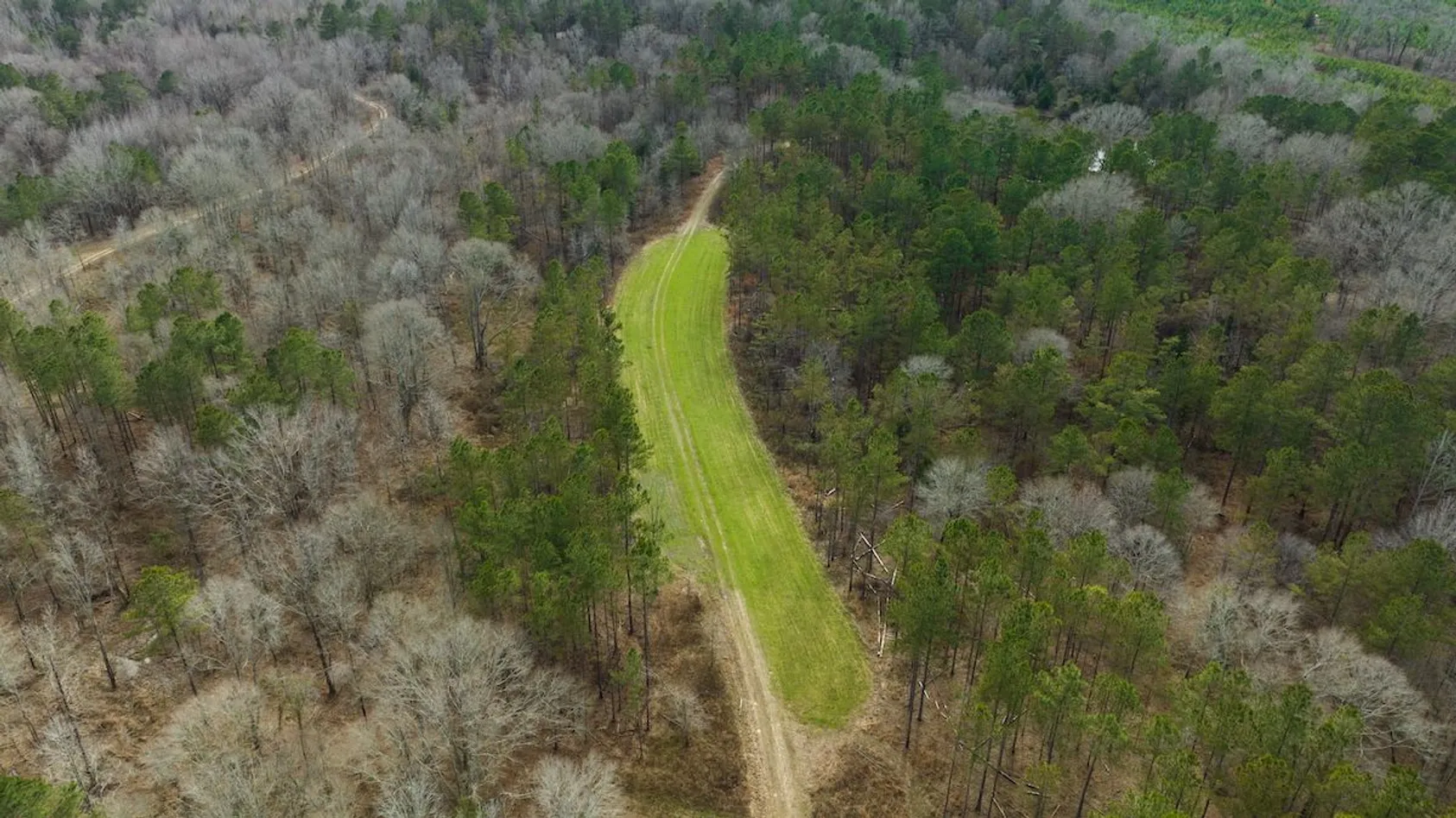
Most of these pots that I'm speaking of are smaller secluded areas,” Mervar said. “I'm not planting 5 acres of clover. These are typically quarter-acre or half-acre plots in secluded areas. They're gonna grow well, hold deer, and hold turkeys. And they are places where we could kill them. A lot of times, where we're in the country, if you have too big of a field, and decoying doesn't work as well, it's nice to get them 40 yards away.”
Small food plots accomplish that.
Seed offerings to try for spring attraction include Alfa-Rack, Alfa-Rack Plus, ChicMagnet, Edge, Fusion, Imperial Whitetail Clover, Fusion, Revive, and Summer Slam.
Don’t forget a spring planting of Conceal to create screens and soft edges around food plot boundaries.
Top Food Plots for Summer
As spring fades, and summer arrives, nutritional needs shift again. Deer require higher levels of protein to produce antler growth for antlers and milk for fawns.
As far as summer goes, it’s soybeans,” Mervar said. “If you could get beans somewhere, that'll work. From May through September, you can't beat that. Growing their racks, I don't think anything is better.
Of course, certain plants are more challenging to grow. Alfalfa, soybeans, and others are on this list. It requires special equipment and extra attention. Even so, these are certainly worth growing. Plus, with Whitetail Institute’s advanced offerings, these are hardier and simpler to grow than more traditional seed productions.
If you can get a farmer to plant beans, that is by far the best thing,” Mervar said. “If not, we're renting drills from the NRCS.”
While clover, oats, and other plant types can do well in smaller plots, others like alfalfa and soybeans will not. Planted in smaller acreages, deer will overgraze these plants soon after germination and there won’t be anything left to grow.
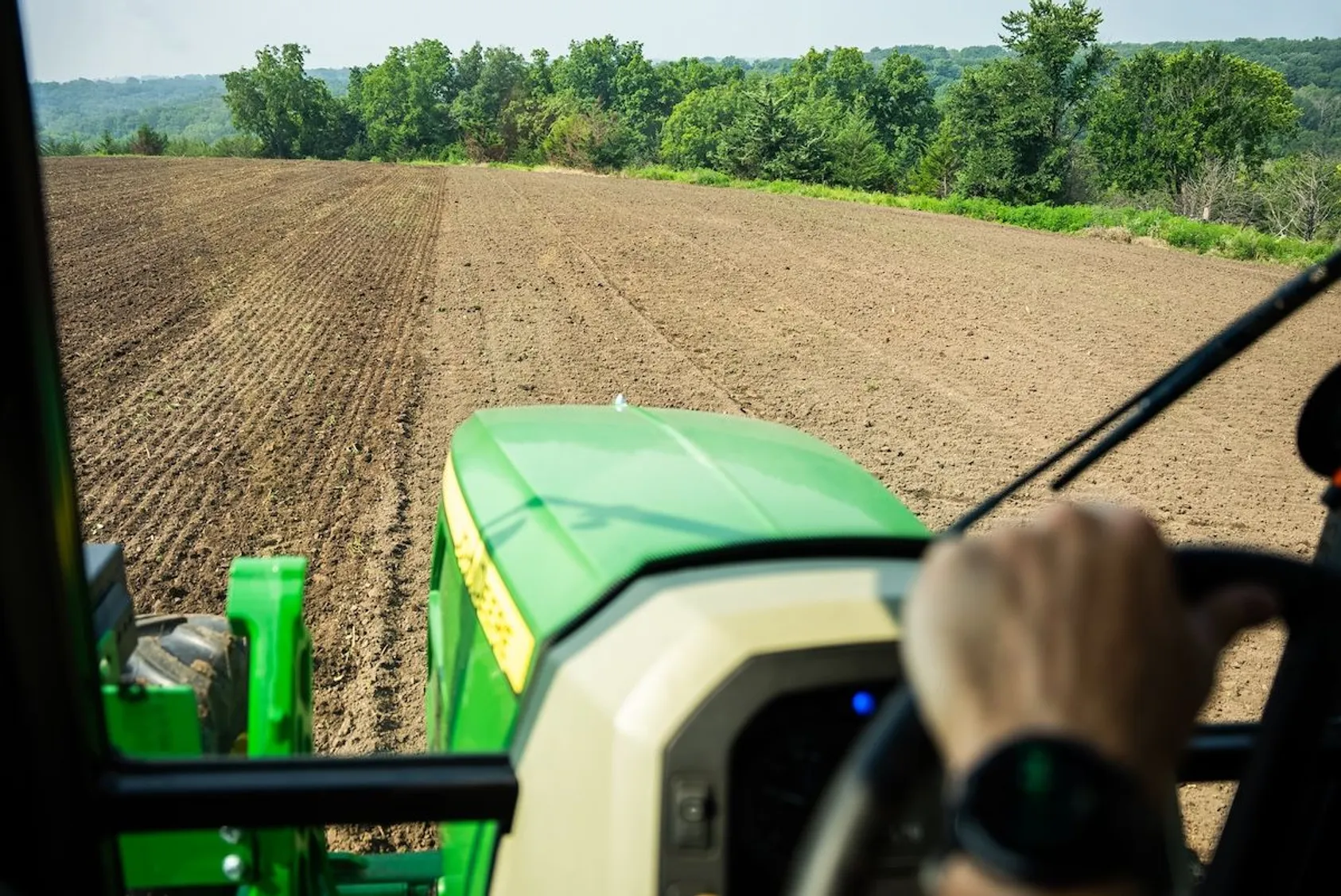
We’re planting a pretty good size,” Mervar said. “I've never run electric fences. So, down by us, if you can't plant 5 acres of beans, there's no way they have any chance of coming up over 6 inches. Deer are going to kill it off way too early.
He usually gets beans into the ground in early May. Then, he prays that they don't get overgrazed early on. Again, planting larger acreages helps. So does installing an exclusion fence.
If you have soybean fields here in the summer, they're going to take that over everything else,” Mervar said.
Seed offerings to try for summer production are Alfa-Rack, Alfa-Rack Plus, Summer Slam, etc.
Top Food Plots for Fall
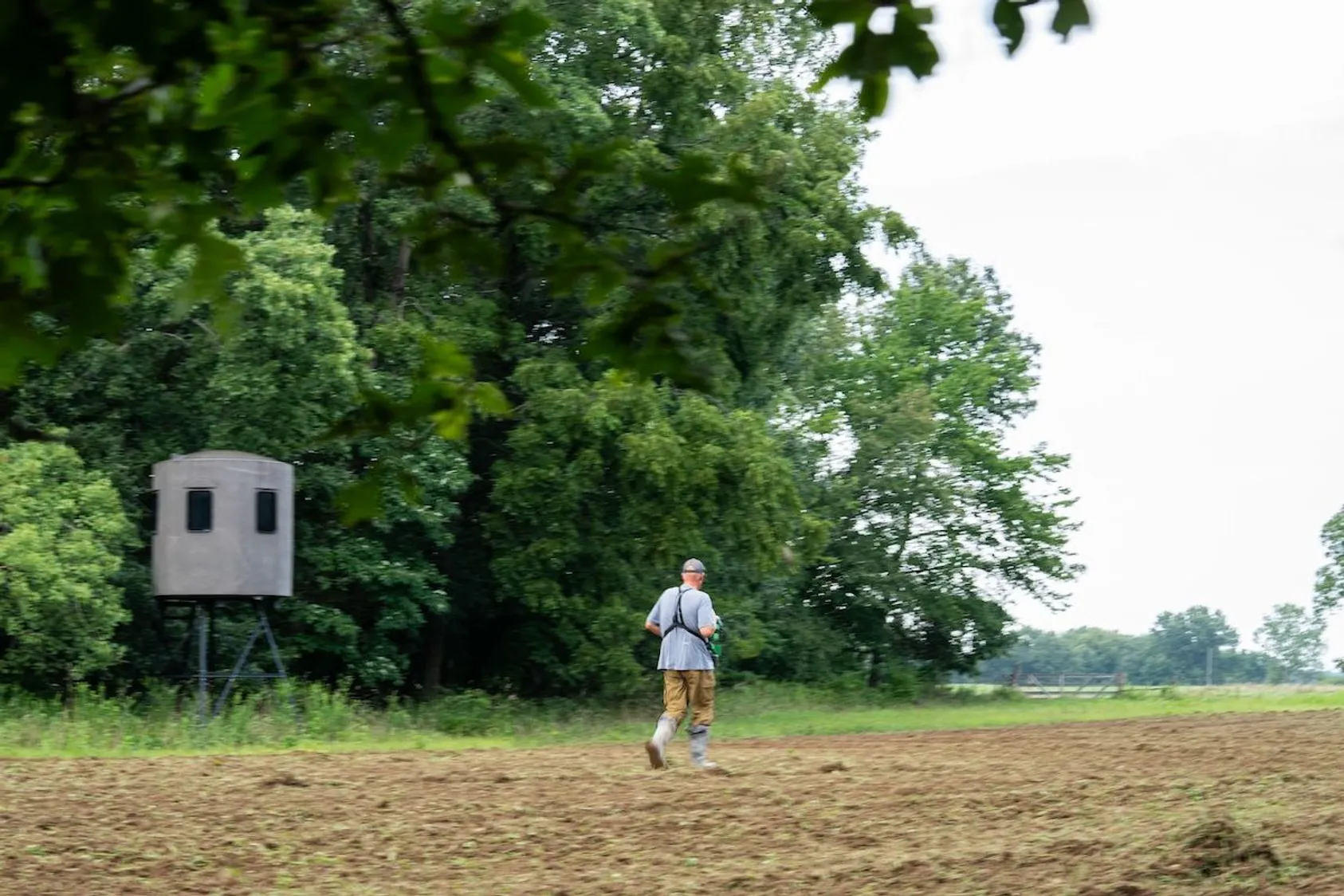
Most deer hunters hope to tag their buck in the fall. To hold deer during this window of deer season, and increase the odds of shooting a target buck, check all the right boxes. Plant at the right time. Plant the right things. Do food plots the right way.
Some people prefer to plant fall plots in early August. With enough rain, it can lead to lush, green food plots by early September. However, that comes with risk of drought, especially in mid- to late-August, and if that occurs, re-planting might be in order.
If you plant too early, you're probably going to get hit with that drought,” Mervar said. “It's going to kill all of that seed and you're going to end up re-planting the plot. So, we'll go later and still have the same effects. As soon as that seed gets in the ground, and you get one good rain, it's going to start germinating and you're going to have deer there. I'd rather be two weeks late on the food plot then two weeks early and ruined by drought.
In fall, it’s still pretty hot down here,” Mervar continued. “It's the middle of August now. We just got all of our plots mowed and sprayed. We’ll let those kill off the next 10 to 14 days. We'll start planting in the first week of September.”
Seed offerings to try for consumption in fall include ChicMagnet, Destination, Fusion, Imperial Whitetail Clover, Pure Attraction, Tall Tine Tubers, Whitetail Oats Plus, and more.
Top Food Plots for Winter
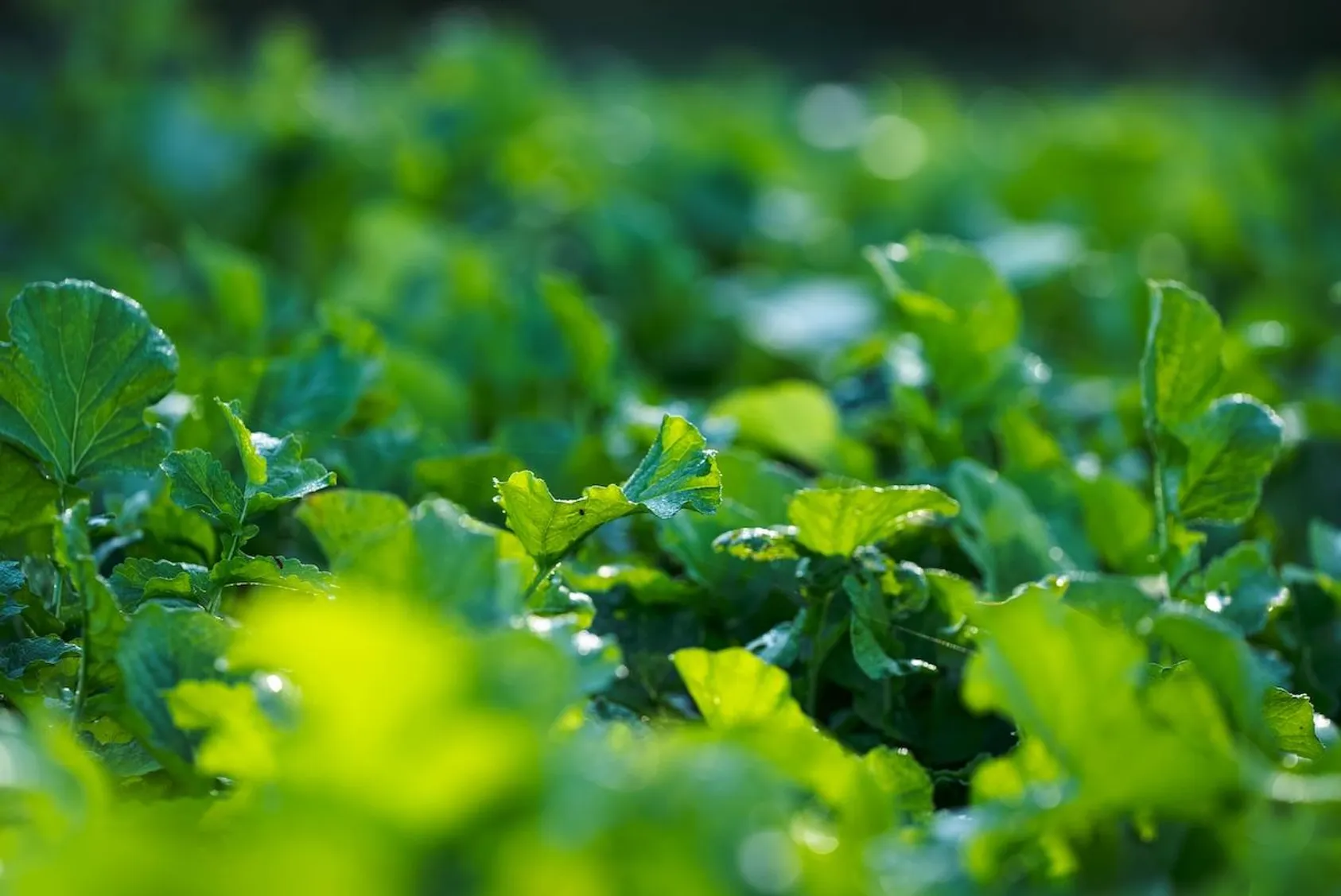
Eventually, fall weather gives way to the brutality of winter. This is an especially vulnerable time for whitetails. They need quality forage to carry them through the harshest months.
For winter, our best stuff to hunt over in winter is oats,” Mervar said. “It's never getting too cold. Over the last 15 years, I've not hunted down here with snow on the ground.
If you have a green field here in December, or even late November, you’ll do pretty good,” Mervar continued. “Those acorns have already been eaten. There's no more apples or persimmons. If you have something green, that's the ticket now. You're still fighting baiting (North Carolina is a bait state). So, you have people with corn piles out, and it's hard to draw off corn piles. But if you have acres of lush, green food, you’ll hold the majority of the deer on you, at least in daylight hours, which is what we care about.”
Geographic location matters, too. Certain species grow better and/or are better received by deer, depending on location. Brassicas is a great example of this.
I do a lot of hunting up in Ohio and Pennsylvania, and brassicas do great up there,” Mervar said. “I'm running mostly some type of clover-chicory blend and oats for fall, though.”
Because of that, in milder climates, green fields tend to be better for late-season action. That said, grain-based food plots (standing corn, soybeans, etc.), offer much-needed carbohydrates. Consider planting both food plot categories for deer to experience the maximum food plot effect.
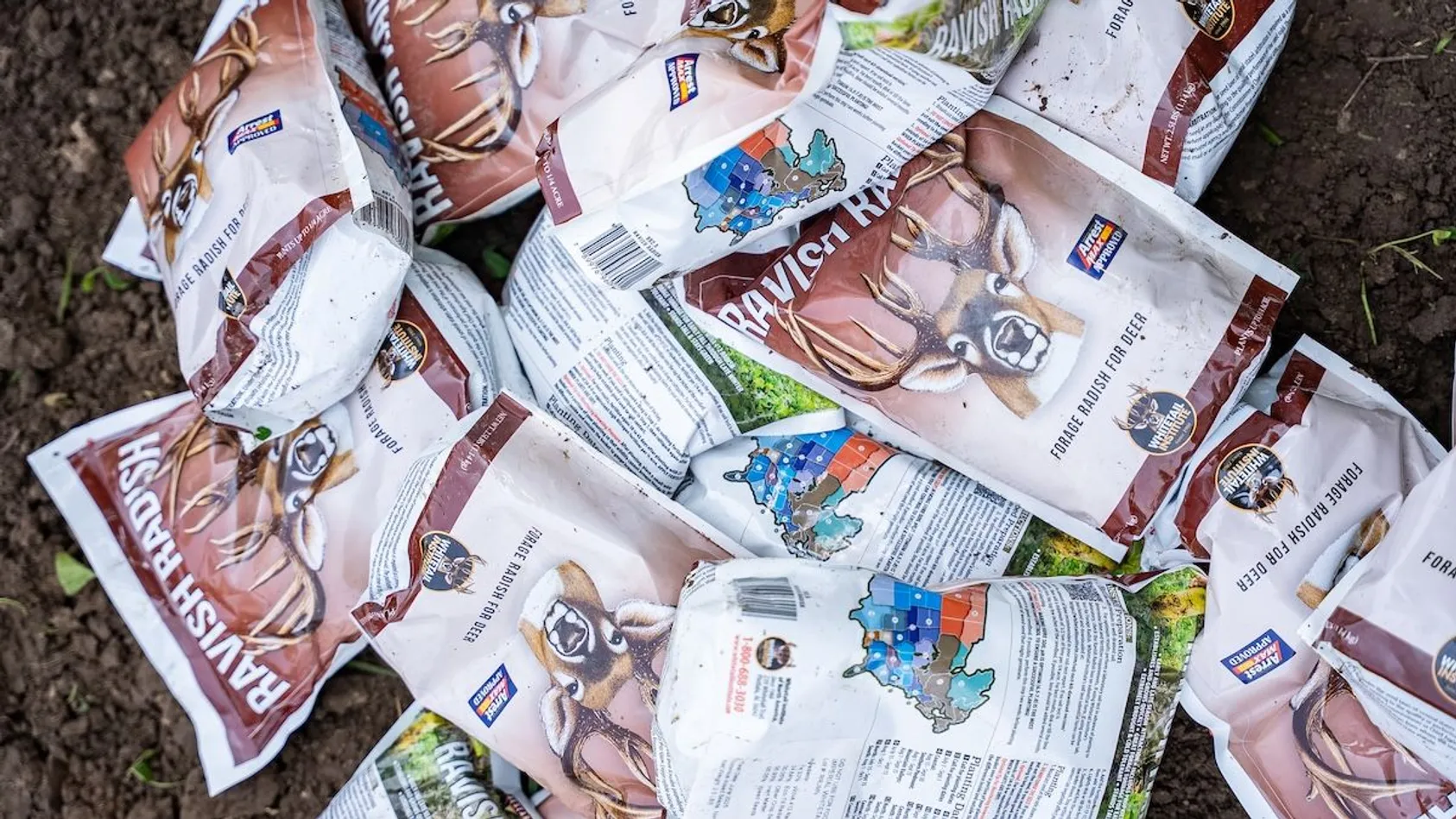
Seed offerings to try for winter food plot performance include Beets and Greens, Pure Attraction, Ravish Radish, Tall Tine Tubers, Vision, Whitetail Oats Plus, Winter Greens, and Winter Peas Plus.
Great Food Plot Offerings to Consider
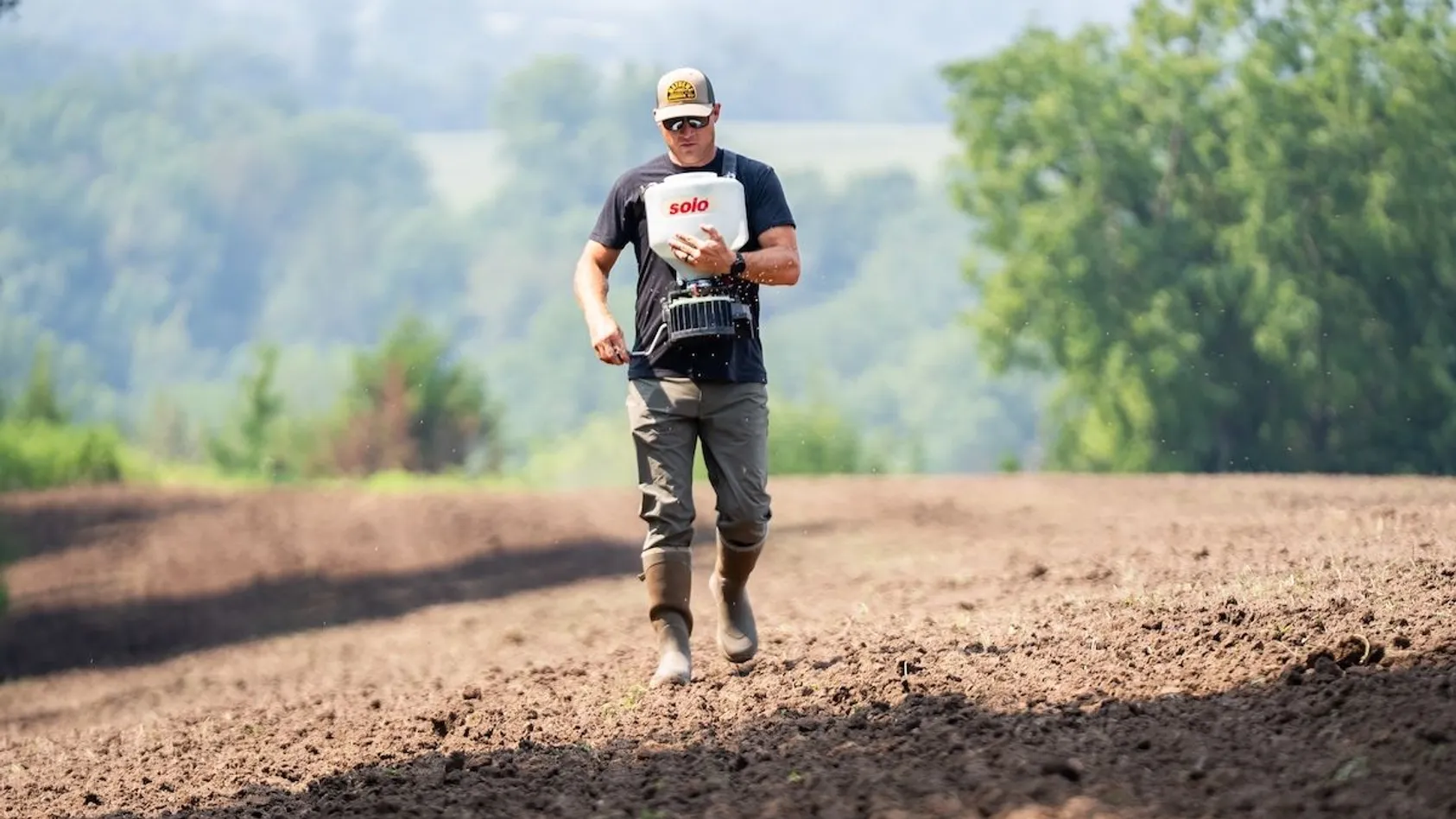
Those looking for the right food plot blends should consider a proven food plot brand. Go with experience, and you can trust the seed that’s planted in your soil.
Where we're at, by far, I'm running oats,” Mervar said. “We use a lot of the Whitetail Institute stuff. The Pure Attraction is on fire down here. If you have that in an open field, and you have any cover around it, you could have 20 to 30 deer out in the field. That stuff's coming up good in early September through the end of our season here.
I like to put Fusion in a lot of my plots,” Mervar continued. “A clover and chicory blend usually doesn't come up that first year as good. But that second year, and to hunt turkeys out of that following spring, that's usually my go to. I'm typically putting some type of perennial in every plot so that I do green up for the next year.”
Other Specific Whitetail Institute blends to try? Consider BowStand, Extreme, No-Plow, Secret Spot, and more. Also, consider their heat-tolerant seed offerings, which given the current drought, sounds like a pretty smart food plot play.