Farm & Ranch
Forest Management Secrets That Improve Timber and Wildlife
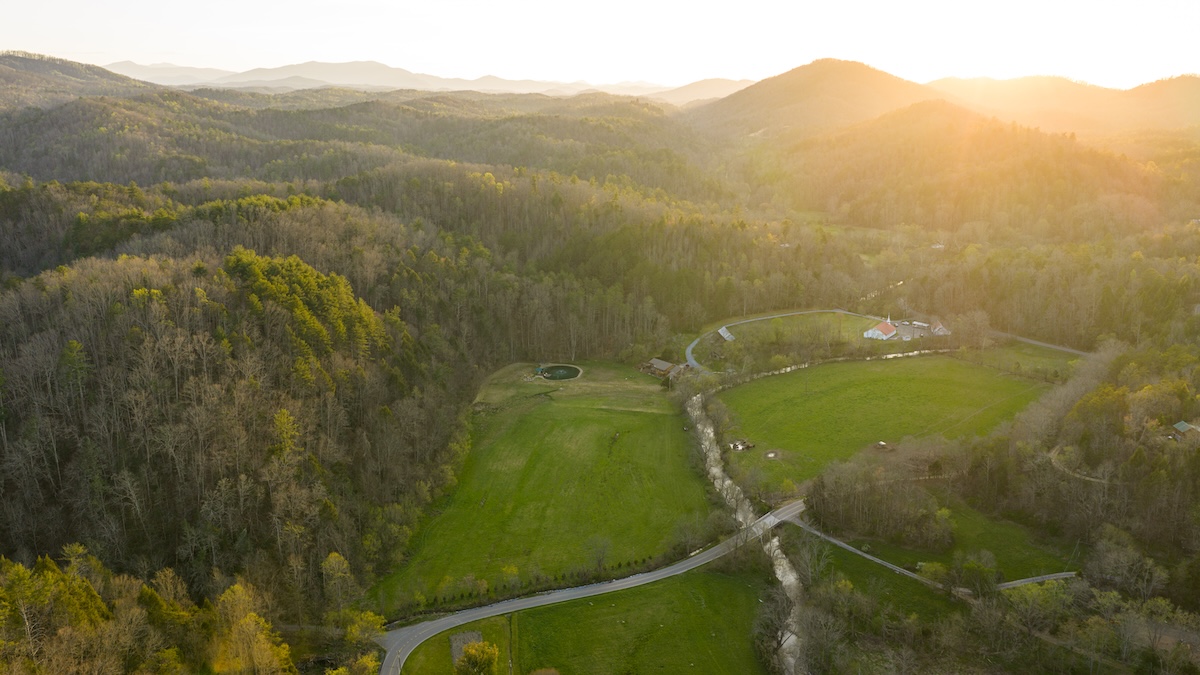
Owning land requires regular maintenance of the trees and other plant life that grows on it. Forest management is of significant importance for keeping land in proper shape. This process includes timber management plans, which often incorporate timber stand improvement (TSI), prescribed burning, property logging, and more. Read on for key forest management secrets that improve timber and wildlife.
Editor’s Note: This is not financial, investment, legal, or real estate advice. Consult with a financial planner, investment specialist, real estate lawyer, and real estate professional before buying or selling real estate.
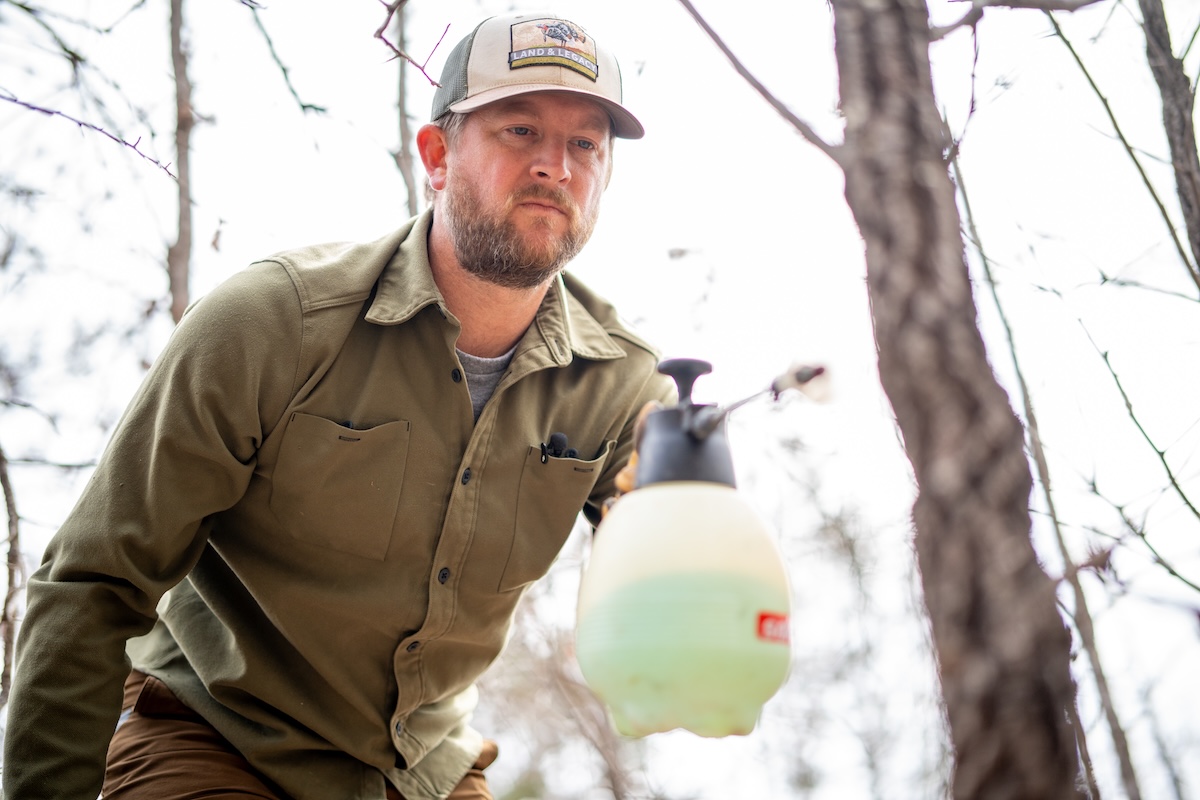
Reasons to Implement Forest Management and Timber Stand Improvement (TSI)
There are many reasons to implement forest management and TSI. Timber, like all living species, has a lifespan. Once trees reach a certain point, it’s beneficial to harvest the mature timber. Waiting too long can lead to dying, decaying, and falling timber that’s altogether wasted.
Over time, trees mature, canopies fill out, and forest floors get shaded out. This too prevents ground-level plants from receiving the needed sunlight and other things necessary to grow. This reduces low-level browse and other food sources that whitetails, turkeys, and other wildlife need to survive. Of course, retain den trees commonly used by bats, birds, squirrels, and other small animals.
TSI is the standard for removing bad trees and releasing desirable ones. The process is notably effective for releasing mast trees, such as well-structured oaks that could use extra nutrients. This process requires cutting down other nearby trees to free up additional sunlight, water, and soil nutrients to go to the lone tree. Typically, all standing timber is removed within a certain radius of the released tree. Oftentimes, this is reserved for higher-value trees, such as red oak, white oak, walnut, and more. Doing this accelerates growth, increases crown size, and boosts mast production.
Overall, by implementing good forest management practices, landowners and managers can capitalize on TSI and improve their overall timber quality. By reducing the midstory, understory forage receives the sunlight and nutrients needed to flourish. This process ensures a healthy ecosystem for your land.
As expected, it’s crucial to think about timber management if selling land is on the horizon. Timber harvests impact prices per acre.
“In my area, most landowners do a good job of maintaining the timber,” said Bob Stalberger, a Whitetail Properties Land Specialist in Minnesota. “Meaning, they generally don’t sell it with a lot of timber value on it. It’s in-between cuttings. Timber properties selling after three or four years of being selectively cut might run $5,000 to $7,000 per acre. Again, it depends on location, access, neighborhood, and more.”
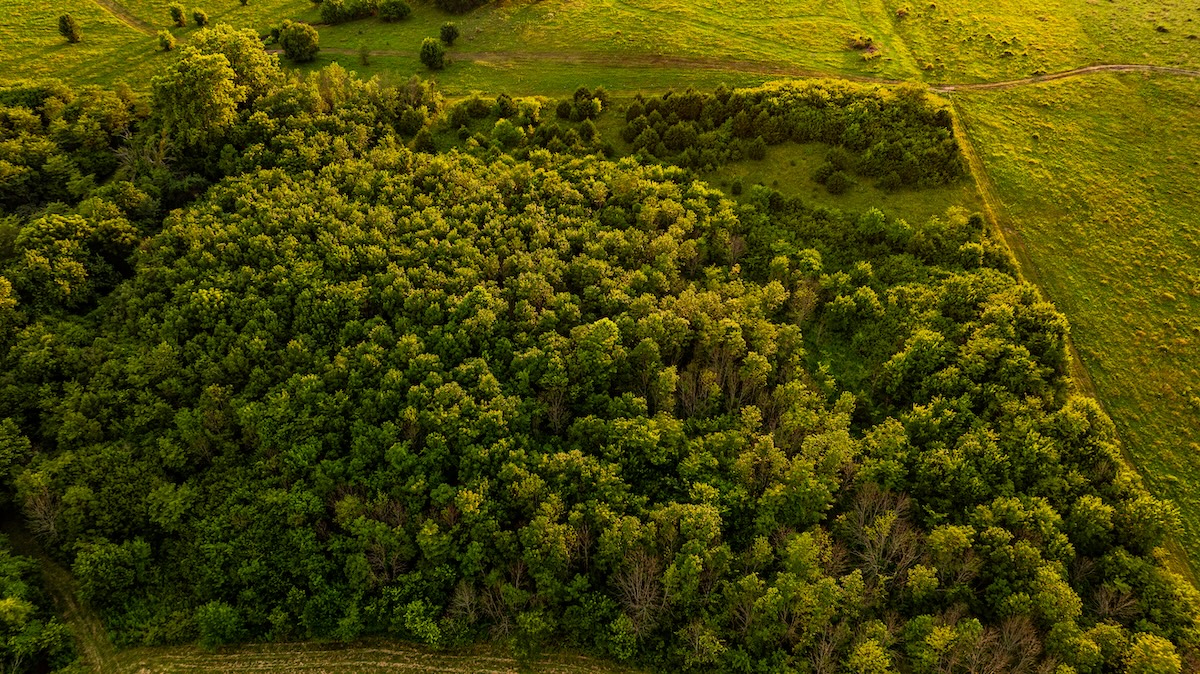
Forest Management Method No. 1: Deploying Timber Stand Improvement (TSI)
Timber stand improvement comes in several forms, including tree cutting, hinge-cutting, hack-and-squirt, etc. The hack-and-squirt method is a highly impactful method of timber management. This process involved cutting a shallow depth into the trunk and injecting herbicide. The tree remains standing and dies in time.
This option is especially beneficial for targeting midstory trees that are large enough you don’t want to cut. The tree dies, remains standing, but the lack of canopy cover allows sunlight to reach the forest floor, effectively promoting herbaceous plants, such as forbs and other crucial regeneration. This is beneficial for deer, turkeys, and other animals.
This method is especially useful for certain “useless” tree species. Some of these include hackberry, sweetgum, and others that offer no timber or wildlife value. These are trash trees, more or less, and serve no viable function for your wallet or the environment.
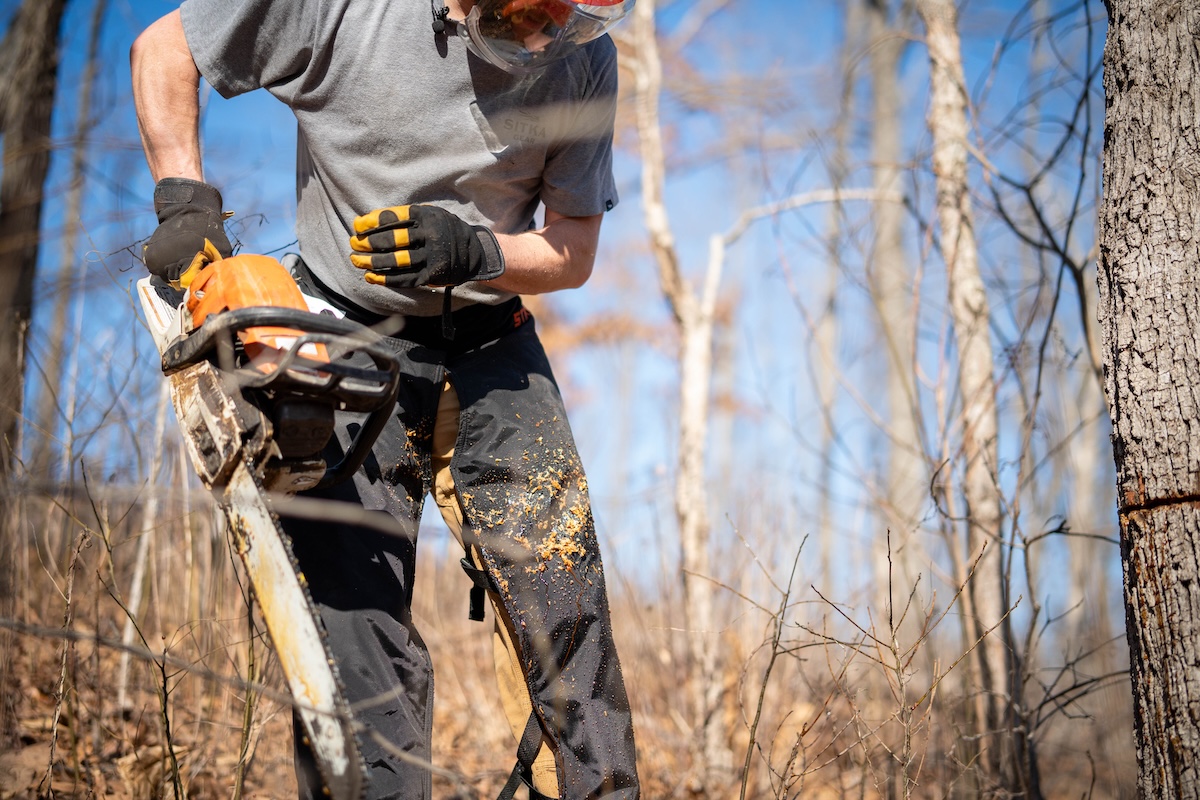
Forest Management Method No. 2: Implementing Property Logging
Generate revenue and create openings through the implementation of logging. This is a viable means of removing valuable crop trees, which can greatly boost revenue. It’s also good for creating strategic wildlife openings, food plots, and scenic settings.
“With timber harvests, you can get some money,” Richardson said. “You can use that money to pay down on the mortgage, put toward another land purchase, make improvements to the property, save for a rainy day, and more.
“Additionally, logging efforts can open beautiful views on hillsides,” said Ben Richardson, a Whitetail Properties land specialist. “In mountain and hill country, this can establish incredible building sights.”
Some properties for sale have been logged. Others have not. Additionally, some looking to sell consider logging it first, or leaving it standing to increase per-acre value and attraction. Everyone must decide for themselves what’s best.
“If looking for a recreational farm, I search for something that has mature timber where I can do a timber harvest,” Richardson said. “That does several things. You create a diverse habitat, open roads and trails for free (the logging company will come in and open those roads for you). You can often dictate where those are located. This helps with clearing food plots.”
Those in the logging business, or who want their own equipment for habitat management projects, should consider John Deere’s offerings, such as skidders, knuckleboom loaders, tracked feller bunchers, specialized attachments, and more.
Forest Management Method No. 3: Using Prescribed Burning
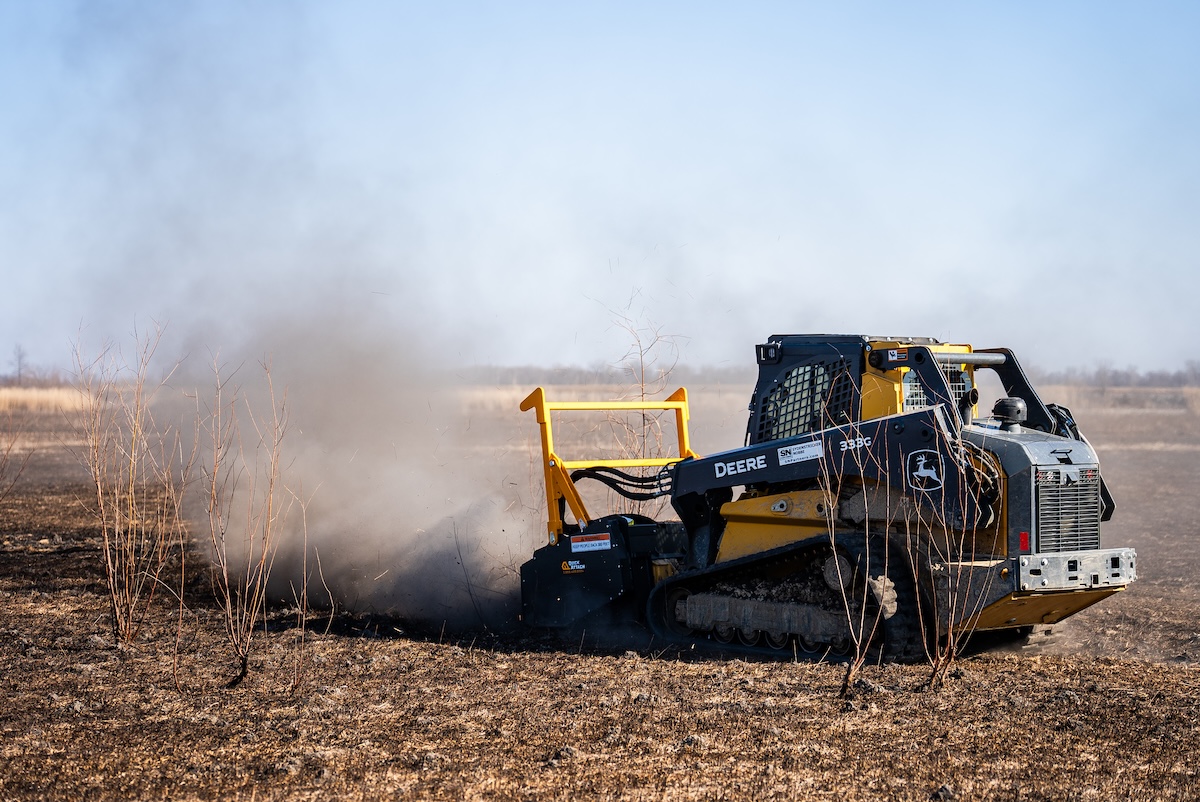
Prescribed burning, which is also commonly referred to as prescribed fire or controlled burns, is exceptional, even necessary, for managing land. Even naturally occurring fire is a common benefit to stands of timber.
Incredibly, fire restarts the biological clock. When conducted responsibly, this tool is ideal for hitting the reset button on local ecosystems. This removes leaf litter, overbearing brush, and other forest duff. It paves the way for new growth, including native grasses, forbs, and other seeds in the soil bank that are long dormant.
The use of prescribed fire also prevents unruly wildfires. Routine use reduces the likelihood of dangerous wildfires that often lead to significant property damage and even loss of life.
“You see the stuff that’s happened in California,” said Cade Taylor, a Whitetail Properties Land Specialist in Southeast Louisiana. “The more fuel that you have on the ground, the worse it can get. If you can eliminate or deviate that fuel from time to time, then you're going to prevent those wildfires.
Of course, this tool requires extensive training, qualifications, and classifications. It also involves permits and precautions, such as notifying local fire departments and creating firebreaks.
“Do this with a licensed forester, or somebody who can handle it,” Taylor continued. “But make sure that you have all your barriers around the property, your fire breaks, and stuff like that. But that's a big thing, especially down here in the South. We do a lot of burning.”
Choosing the Best Management Times for Reforestation and Other Projects
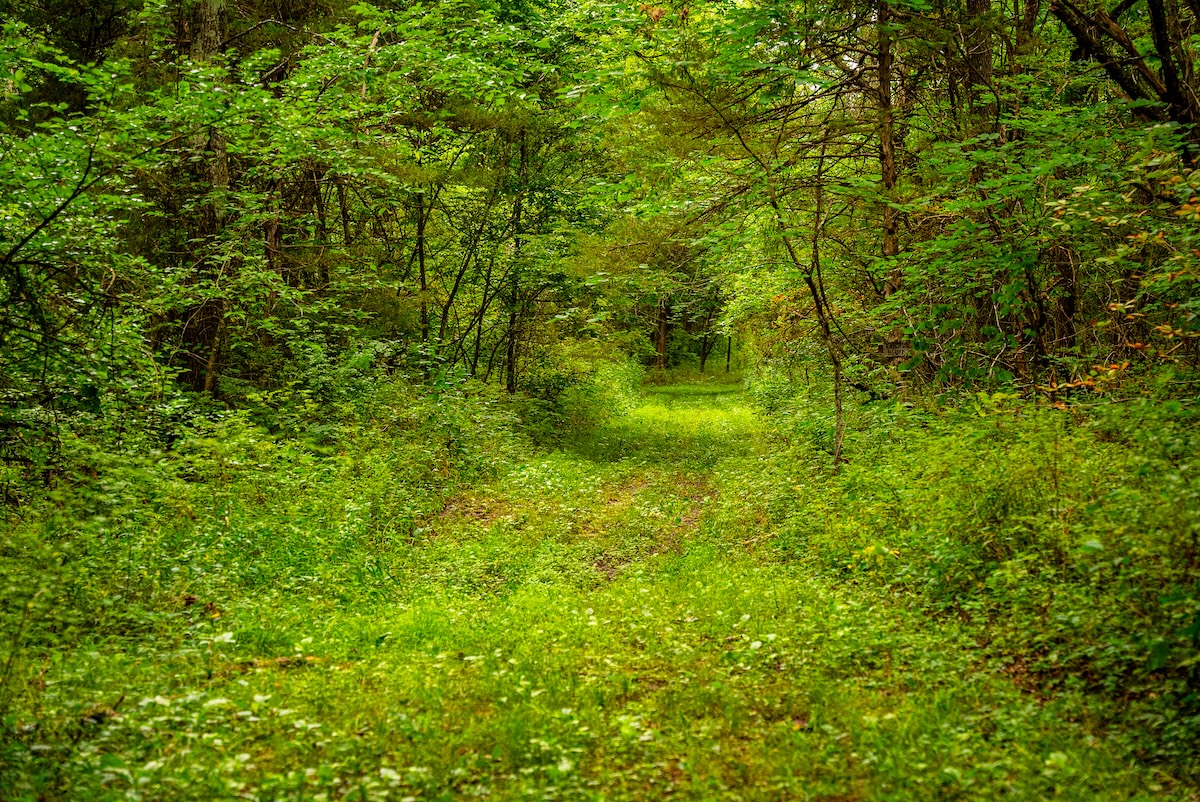
There are certain times that are better than others for each respective forest management method. For example, the best time to use hack-and-squirt is late summer through early fall. Logging is best completed in late fall through winter. Prescribed fire is most effective from early February through mid-April, but this can vary depending on the exact desired outcome.
Regardless, reforesting projects and timelines might vary depending on the specific objectives at hand. It’s always prudent to make timeline decisions based on specific goals.
Create Forest Management Plans for Your Property
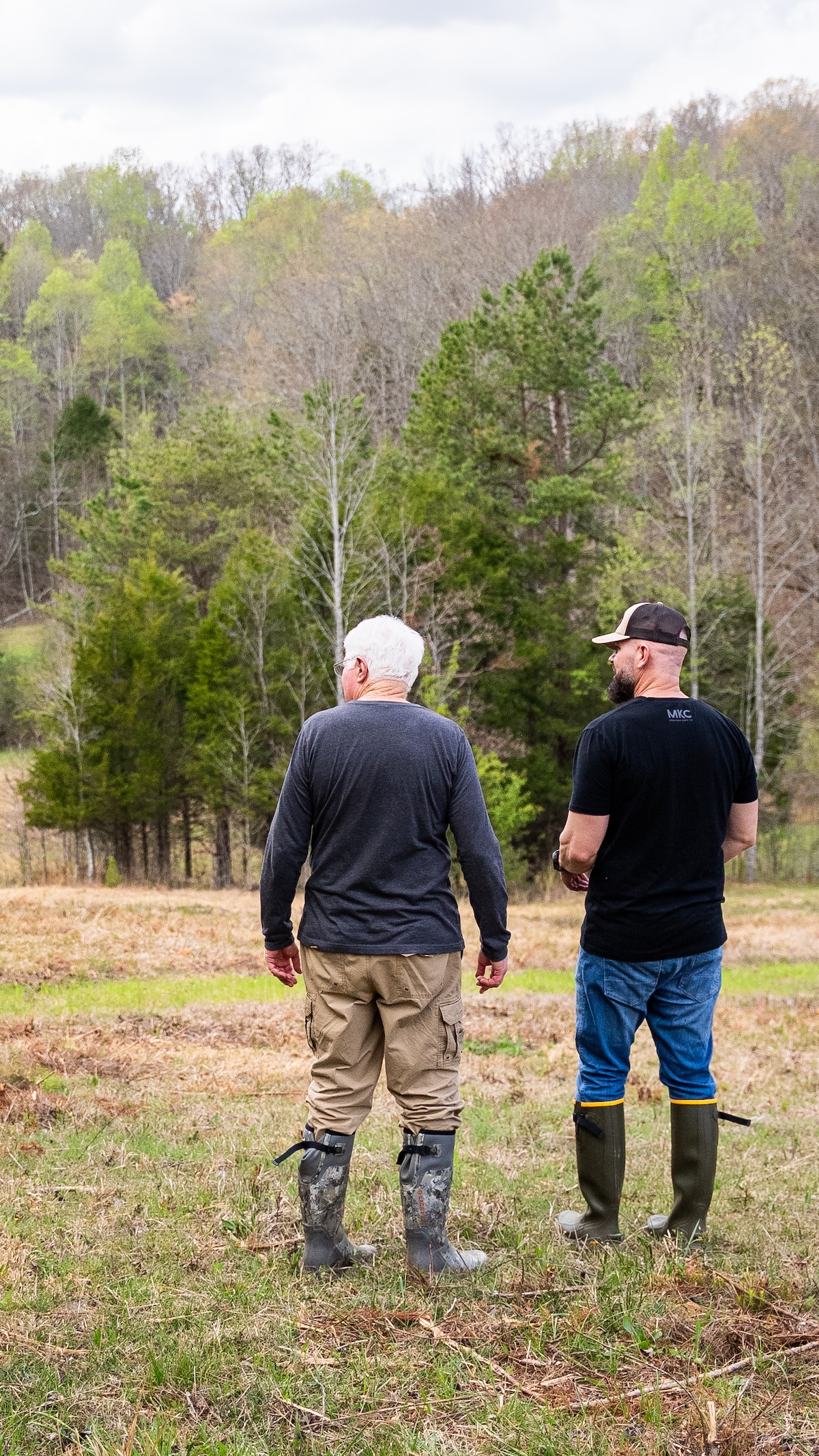
Anyone who owns forestland should establish timber management plans. By creating forest management plans for your property, it’s possible to effectively enhance the flora across the landscape. When necessary, work with a certified biologist to establish these roadmaps.
More often than not, a major component of forest management is removing undesirable trees and invasive plant species. According to Adam Keith with Land & Legacy, buckthorn is native to Europe and parts of Africa, and it's highly invasive. It’s a shrub or small tree in the north, northeast, and Great Lakes regions. It's more of a northern climate invasive. We don't see it a lot in the lower Midwest or mid-Atlantic, although it's not completely out of those areas.
“We see guys who are pulling with skid steers and tree pullers,” Keith said. “If we're talking about small trees and large shrubs that are 15 feet tall, with a trunk or stump that is 3 to 6 inches in diameter, hack-and-squirt is probably the most effective way.”
Managing invasive tree and plant species is an ongoing commitment. Oftentimes, seeds in the soil remain viable and germinate within two years. Your plan will depend on how much time you have and how dense your buckthorn is. Of course, check for additional seeds, which can be introduced to the site by birds and other wildlife.

Consult Professionals About Government Programs
Some might consider implementation of government programs and similar opportunities. For example, many landowners capitalize on carbon credit programs.
“Essentially, carbon credits are values that are associated with sequestering carbon in the soil,” said Whitetail Properties Land Specialist Cody Larson.“There are companies paying for those carbon credits with landowners or farmers who are implementing the practice changes that encourage carbon to be stored in the soil.”
According to Conservation International, and other sources, a carbon credit is also described as a “tradeable certificate that represents the removal or avoidance of 1 metric ton of carbon dioxide (CO2) or equivalent greenhouse gas from the atmosphere.”
Have Timber Management Safeguards and Contingencies in Place
Those who own and manage timber should implement key safeguards and contingencies. These can aid in protecting your valuable forests and property. This includes insurance and taking certain timber management precautions.
“All these fires that happen seem to be happening more frequently,” said Jake Pennington, a Whitetail Properties Land Specialist in Southeast Texas. “Have coverage for that. I'm down here on the Coast, and fires aren’t as prevalent here in East Texas, but we still recommend prescribed fires to reduce fuel load.”
“Get all the dead snags and everything away from fences before anything happens,” Pennington continued. “That's an annual deal. Ease around fence lines and cut down limbs and trees away from fences.”