Hunting
How Food, Weather, Hunting Pressure, and More Affect Deer Movement
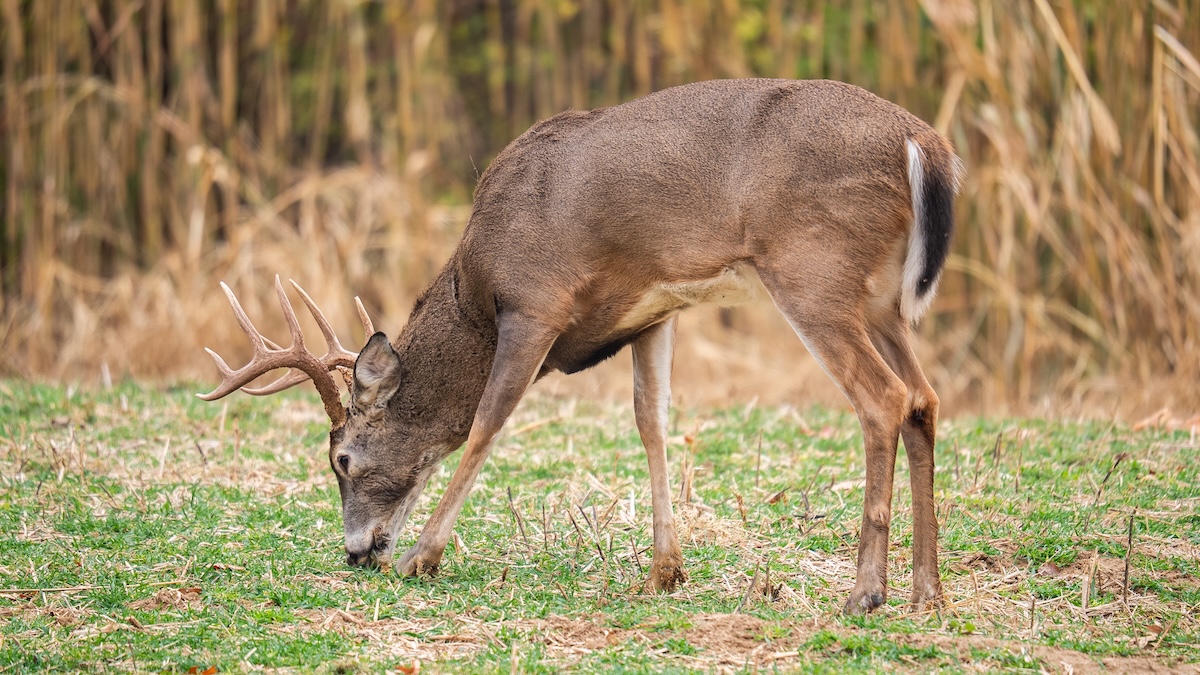
The best time for deer movement varies depending on numerous factors. Deer and weather. Deer movement and hunting pressure. Overall deer movement patterns. These and many more influence when, where, and how whitetails move on your hunting land. To fully understand the deer movement today, hunters must grasp all relevant details that impact when deer get on their feed, and where they go once in motion. Read on for a full guide on deer movement times and places.
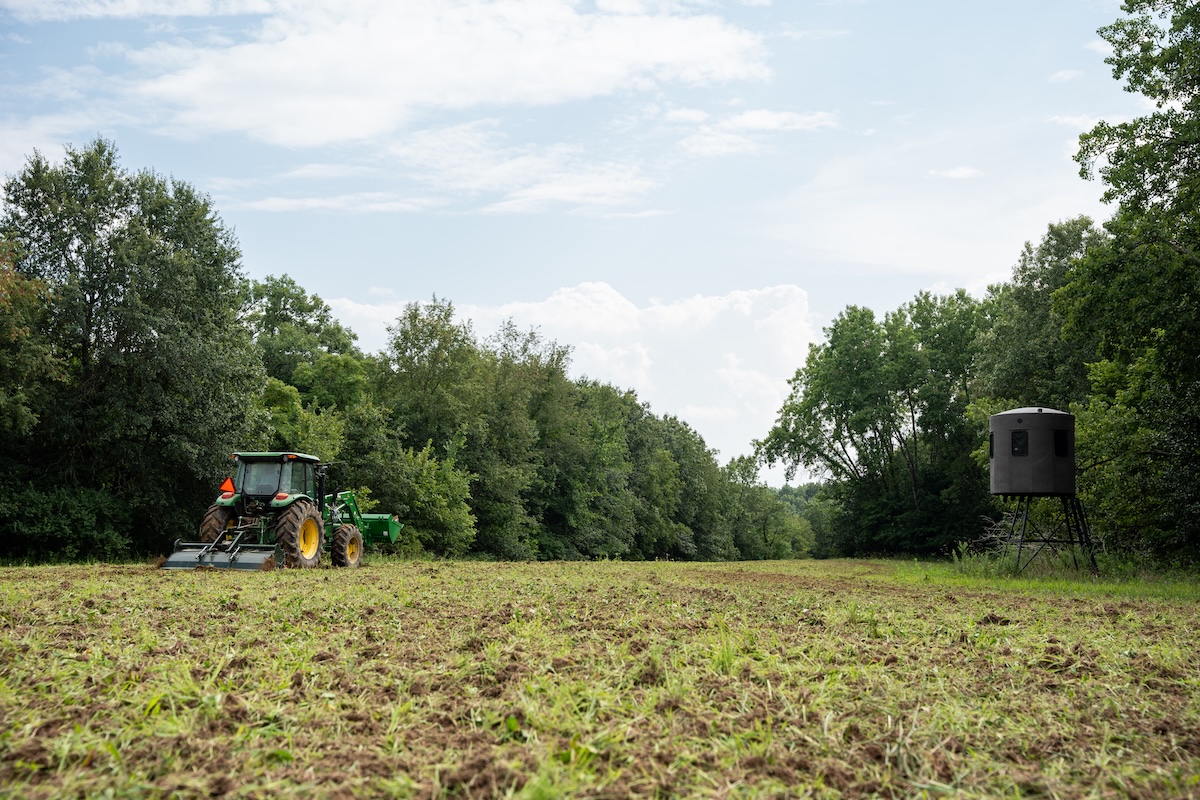
FOOD SOURCE MOVEMENTS
Early Season Bed-to-Feed Movements
Whitetails on early season bed-to-feed movements are highly predictable. Spend some time scouting and patterning, and you’ll find a buck to hunt. Learn these heavily traveled routes, and it’s a gamechanger.
"How you position your food plots in reference to bedding areas (all the way down to rut activity) has a huge impact,” said Blake Shelby, a Land Specialist with Whitetail Properties. “
Especially with natural food sources this time of year during the early season, deer are not going to be moving very far from where they are bedding to where they're eating.”
Pre-Rut Bed-to-Feed Movements
As the pre-rut arrives, deer are still on heavy bed-to-feed patterns. In that way, it’s much like the early season. However, bucks are starting to move a bit more. They’re hitting rubs and scrapes, too. They know the rut is approaching.
“They really tighten up their patterns right now and become very predictable,” Shelby said. “A lot of times, you'll find those deer bedding close to the food sources. But that begins to change. Still, they aren't roaming a lot. They want to slip in to eat and get right back. So, it’s incredibly important that you have those places specific, strategic, and very well identified."
Rut-Centric Food Source Factors
The rut changes everything. Bucks are moving heavily in search of estrus does. Finding these receptive females becomes their primary concern. Even food, and oftentimes safety, take back seats to their overwhelming urge to breed.
"When you start getting into the fall, and especially toward the rut, things change,” Shelby said. “Not only do the food sources change (moving from primary browse to acorns and agriculture) but the deer start to move and roam a lot more.”
Late-Season Bed-to-Feed Movements
With the rut over, deer revert back to bed-to-feed movements. Bucks lost a lot of weight chasing does. The does need to bulk up to carry recently conceived fawns through the winter and spring. These tasks require a lot of calories, energy conservation, and specific movements.
Jake Meyer, a Land Specialist with Whitetail Properties, notes that heavily pressured deer during the late season on public or private land become "slaves to their stomachs," echoing Mark Drury's sentiment. When the right cold front and food source align, even mature, pressured bucks will make abnormal moves to feed.
Hard and Soft Mast-Crop Food Source Shifts
Deer live on long-, mid-, and short-term patterns. One cog in that wheel of motion? Mast-crop food source shifts. During the early season and pre-rut, when white oak acorns start falling, rest assured deer are moving to these areas. Later in the fall, when red oaks drop, they shift again. Other soft masts, such as apples, pears, persimmons, plums, and more, as well as other hard masts, also impact deer movements.
Agricultural Planting and Harvest Food Source Shifts
Agricultural harvests play significant roles in deer activity. Shelling corn. Running soybeans. Planting wheat. Crop plantings and harvests influence where deer feed. Shelled cornfields are deer magnets. Standing soybeans bring deer in droves. Newly emerged wheat draws deer for miles. These are but a few examples of how farm fields impact deer movements.
Green vs. Grain Food Source Selections
Whitetails are very in tune with their bodies. They know what nutrients are needed and when they’re needed. Those who plant food plots must do so with an understanding of the correlations between deer movement and food plot plant species. For example, when cold weather strikes, deer target grain-based food sources for energy. When temperatures warm up, they focus more on green food sources.
WEATHER, TEMPERATURE, BAROMETRIC PRESSURE, AND MORE
Cold Fronts with Temperature Drops
Deer are crepuscular, meaning they move most at dawn and dusk. Barring major weather changes, they follow these movements virtually every day. However, cold fronts with big temperature drops really spur deer activity.
"My favorite time to hunt is late bow season, specifically late October,” said Zach Holt, a Land Specialist with Whitetail Properties. “Usually here in Southern Indiana, the rut is around that time. We often get cold fronts in late October, and that is a magical time to be in an oak flat. You pair all those things together, and that cold front is a big part of it."
Dropping Barometric Pressure
A declining barometric pressure signals that a weather front is incoming. Deer can feel that. They know a weather change is imminent. Oftentimes, this creates a short but noticeable increase in whitetail action as they move to feed before the front arrival.
Rising Barometric Pressure
In contrast to a falling barometric pressure, rising barometric pressure signals to deer that the weather is gone. This occurs post-front, and deer activity spikes once again. Oftentimes, the first and second days after the front passes produce excellent action.
"If you can be in the woods leading up to it or after a cold front, there's usually a time where they seem to hunker down,” Holt said. “Going into it, there's typically a collective movement. Coming out of it (I'd say definitely that second day after) they're always moving, especially if it turns to high barometric pressure and a bluebird sky. They'll run all afternoon, starting right in the late morning. They've been cooped up, so they just have to get out."
Sudden Warmups After Stagnant Cold Temps
Cold weather isn’t the only thing that boosts deer movement. Sudden warmups after stagnant cold temperatures can accomplish the same. This proves that whitetails don’t just react to colder weather. Rather, they react to weather change.
Severe Heat Waves
A sudden heat wave most certainly influences how deer move. It also impacts where they move. For example, they routinely bed in cooler areas, such as near water, low-lying areas, and on north-facing slopes. Furthermore, they target water sources quite heavily.
"The main thing you're contending with in the early season is that they don't move until after the sun goes down,” Holt said. “A cooler evening or afternoon gets them out of their bed so much earlier, which is why it's so big for us.
"Whenever it's hot, I'm hunting over water,” Holt continued. “A lot of guys don't really look at water in situations like that, but it has proven to work in the evening close to bedding. They will hit that water first. That's usually where I'm at whenever it's hot."
Bitter Cold Snaps
An onslaught of cold temperatures has the means of sparking deer movement. Deer feel better with the cooler temps. Furthermore, they need to move to find food consumption for energy production. Without that, they struggle to maintain enough body weight to make it through the winter months.
Light Afternoon Rainstorms
A light afternoon rainstorm can produce a sudden and unexpected flurry of action. Just after the rain subsides, deer routinely get on their feet and mill around. It can even lead to deer reaching staging areas, or even destination food sources, earlier than they otherwise would have.
High Wind Impacts
Wind speed is a notable factor in the overarching equation of deer movement. In fact, Penn State’s Deer Lab conducted research that showed bucks moved greater distances on days with higher wind speeds. That goes against conventional wisdom that deer do not move with higher wind speeds.
Light Snow Cover
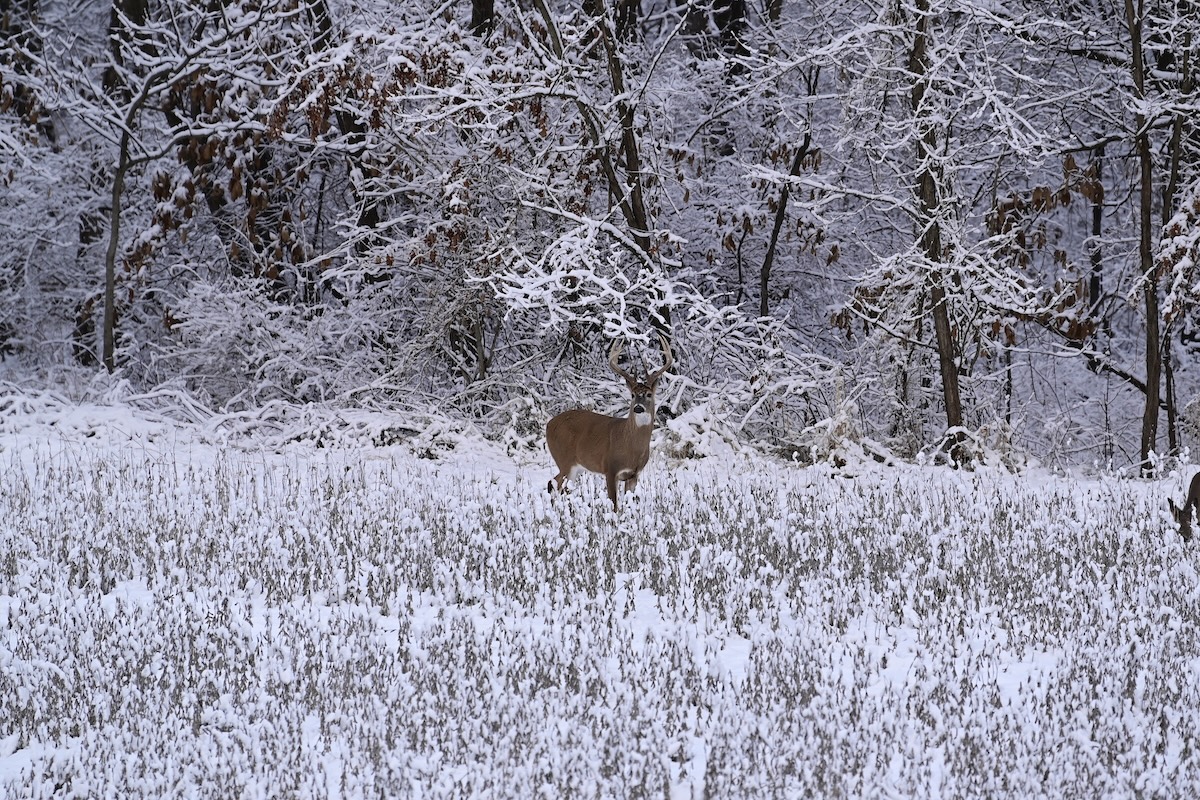
A deep layer of snow typically hinders deer movement. In contrast, a light covering of snow can produce the opposite effect. Oftentimes, a dusting, or thin layer of snow, can boost afternoon deer movement as they get up and search for available food.
WHITETAIL BIOLOGICAL IMPACTS
Age-Influenced Movements
The age of a deer impacts how much they move. It also plays a role in where and how far they do so. For example, older mature bucks tend to express smaller home ranges and core areas. They move shorter linear distances during daylight. Older animals also know where to live and travel to avoid hunters and other predators.
Bachelor Group Movements
Bachelor groups of bucks tend to showcase specific movements. These summer and early season deer bed close to food sources. They stick close to seasonal grub. The bed-to-feed patterns, and vice-versa, become highly predictable. Oftentimes, these are some of the simplest deer to hunt.
Social Displacement by Dominant Bucks
Whitetails do not fight over territory. They aren’t like coyotes who defend an area. However, whitetails do fight over and defend their status in the hierarchy of the deer herd. Oftentimes, after losing confrontations with more dominant deer, this sometimes leads subordinate bucks to strike out in search of a home where they can be the boss.
Maternal Displacement by Does
Each year, whitetail does “run off” their male offspring. While does rarely show aggression toward their female young, they will not tolerate button bucks or yearlings remaining close by. Typically, this occurs sometime in late winter or early spring before the doe gives birth to its next set of fawns. This is a biological response to prevent inbreeding and to protect their next set of fawns from the presence of a potentially aggressive male.
THE RUT
(Some) Bucks Moving to Rut Ranges
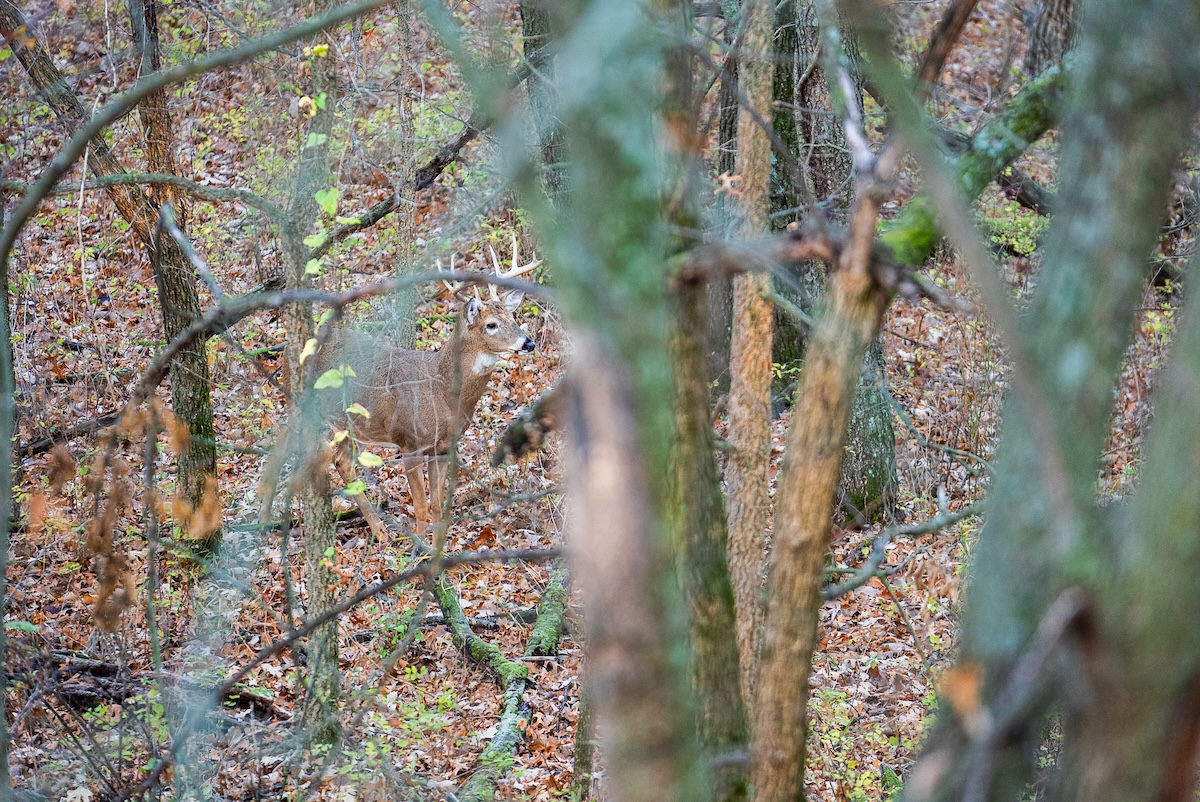
Some whitetail bucks display behaviors that lead them to spend the summer and early season in a different location as their pre-rut and rut range. Therefore, as the rut approaches, it can spur deer to move to their fall haunts.
“I find that their bedding becomes a lot less specific,” Shelby said. “They will kind of bed wherever they are because they are roaming so much; they aren't using a specific, planned-out bedding area like they were earlier in the year. What is important to them changes, and finding does becomes a buck's top priority.”
Increased Buck Movements in Search of Does
According to Meyer, the rut operates like gambling or roulette, noting that a buck might chase a doe into an unexpected open field where a hunter would never guess to set up. He describes the rut as a complete "free-for-all" before the arrival of the late season.
“While bucks will mess up their own patterns, the does are still going to be much more reliable,” Shelby said. “I always say: hunt the does in the fall, because that’s where you’re going to find the bucks."
The “Lockdown” Phase of the Rut
During the “lockdown” phase of the rut, whitetail bucks spend 24-48 hours (sometimes longer) with receptive females. These estrus does hold their attention, and unless another buck steals her away, they’ll remain bedded and close to that doe for extended periods. That can lead to a temporary, short-term decrease in deer movement from that specific buck. Of course, not all bucks are “locked down” at once. But during the peak rut, there can be a lot of overlap, especially in deer herds with higher doe population densities.
HUMAN INTRUSION, HUNTING PRESSURE, AND OTHER PREDATOR IMPACTS
Predator Impacts on Deer Movements
Predators most certainly impact deer movements. Bears. Bobcats. Cougars. Coyotes. Wolves. Lynxes. And many more. There are no shortages of predators that kill whitetails. These routinely change where deer live and how deer navigate their home ranges.
Unpressured Predictability in Deer Movements
Unpressured deer herds express more patterns and predictability in their daily deer movements. These whitetails are easier to hunt and much simpler to learn.
"When you're hunting a deer herd that is significantly pressured, the best time to hunt them is during the early season, especially if you've got them on a consistent feeding pattern,” Meyer said. “Because there is typically minimal human intrusion all summer, the deer are comfortable and locked into their daily routines. That is one of the absolute best times to target a specific animal.”
Generalized But Unexpected Human Presence
Not all human intrusion classifies as hunting pressure. In fact, some human presence isn’t hunting at all. If it’s new, deer might misinterpret that sudden influx in human activity as hunting pressure and react negatively accordingly. Of course, over time, they might learn it isn’t a threat and resume normal whitetail operations.
“Once pressure exponentially increases, those predictable patterns can go out the window,” Meyer said. “After that, your next best bet is going to be during the rut. It becomes a bit of a free-for-all, and bucks are simply on the move looking for their next doe."
Reactions from Intensifying Hunting Pressure
Hunting pressure is the single most influential factor in fall and winter whitetail behavior. Each year, it causes bigger changes in action than anything not directly related to whitetail biology.
"Hunting pressure is one of the most critical elements impacting deer behavior, dictating where they stay and where they flee,” Meyer said. “Aside from the breeding season during the rut, a deer's number one priority is survival. Ultimately, pressure is the primary factor that determines when, where, and how a deer moves to feel safe."
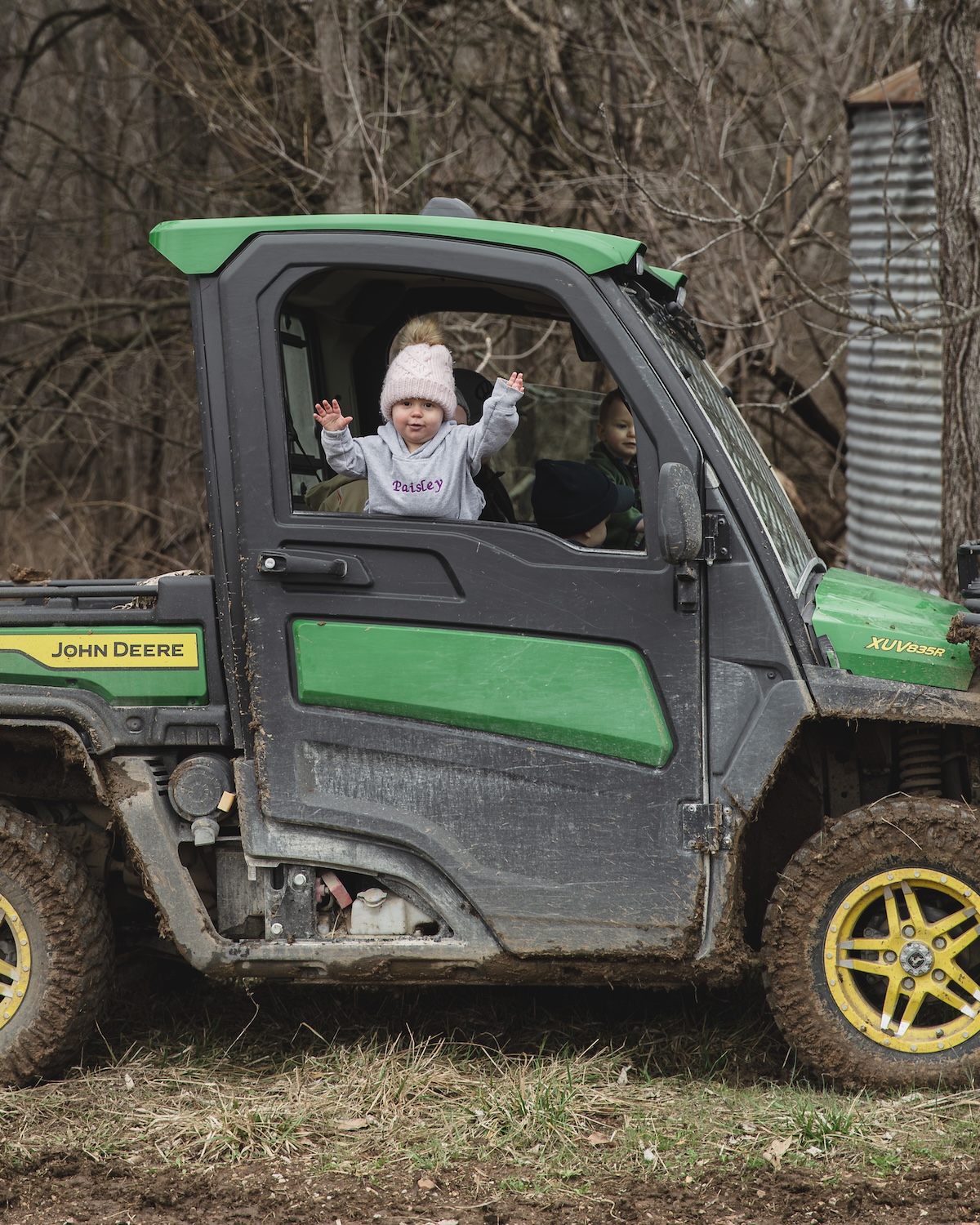
In areas that don’t offer great entry and exit routes for walking in and out, it’s a much better and safer play to have someone drive a John Deere Gator in to pick you up. Or, on farm ground, drive in a tractor to retrieve the stranded hunter surrounded by deer.
Deer Using Known Escape Routes
Lastly, when the pressure ramps up, whitetails use escape routes to evade hunters. Knowing this, and where these escape routes are located, can help you capitalize on the mistakes of other hunters. However, to minimize your own hunting pressure and stay successful year after year, Meyer emphasizes the importance of stealthy access. By using favorable winds, timing your entry, and utilizing natural pathways like creek banks or canoes, you can reduce noise and scent exposure. If deer remain unaware of your presence, you can hunt a spot more frequently with greater success.
Contact a Whitetail Properties Land Specialist Today
For landowners looking to sell their land, contact a Whitetail Properties Land Specialist today. We can answer questions and help with your real estate needs. For buyers hoping to purchase land, check out some of the available listings near you.