Buying & Selling
How to Check if Land Is in a Flood Zone Before You Buy
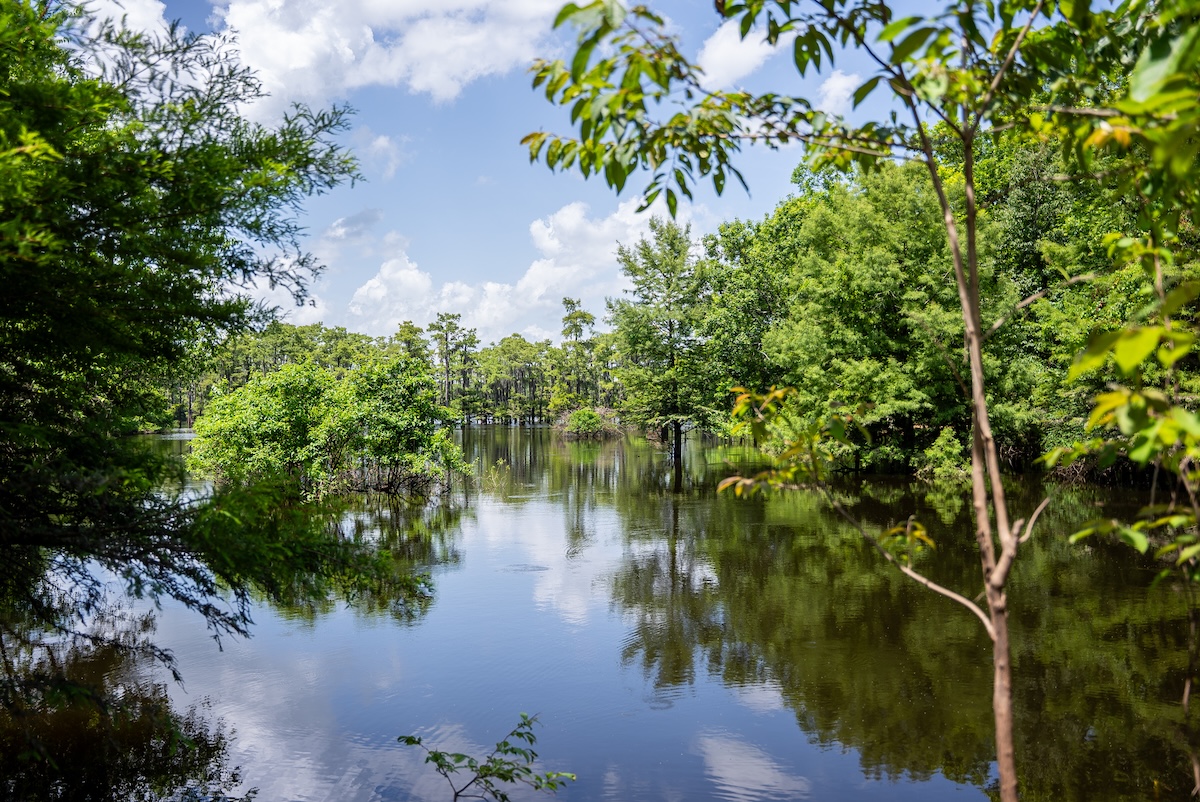
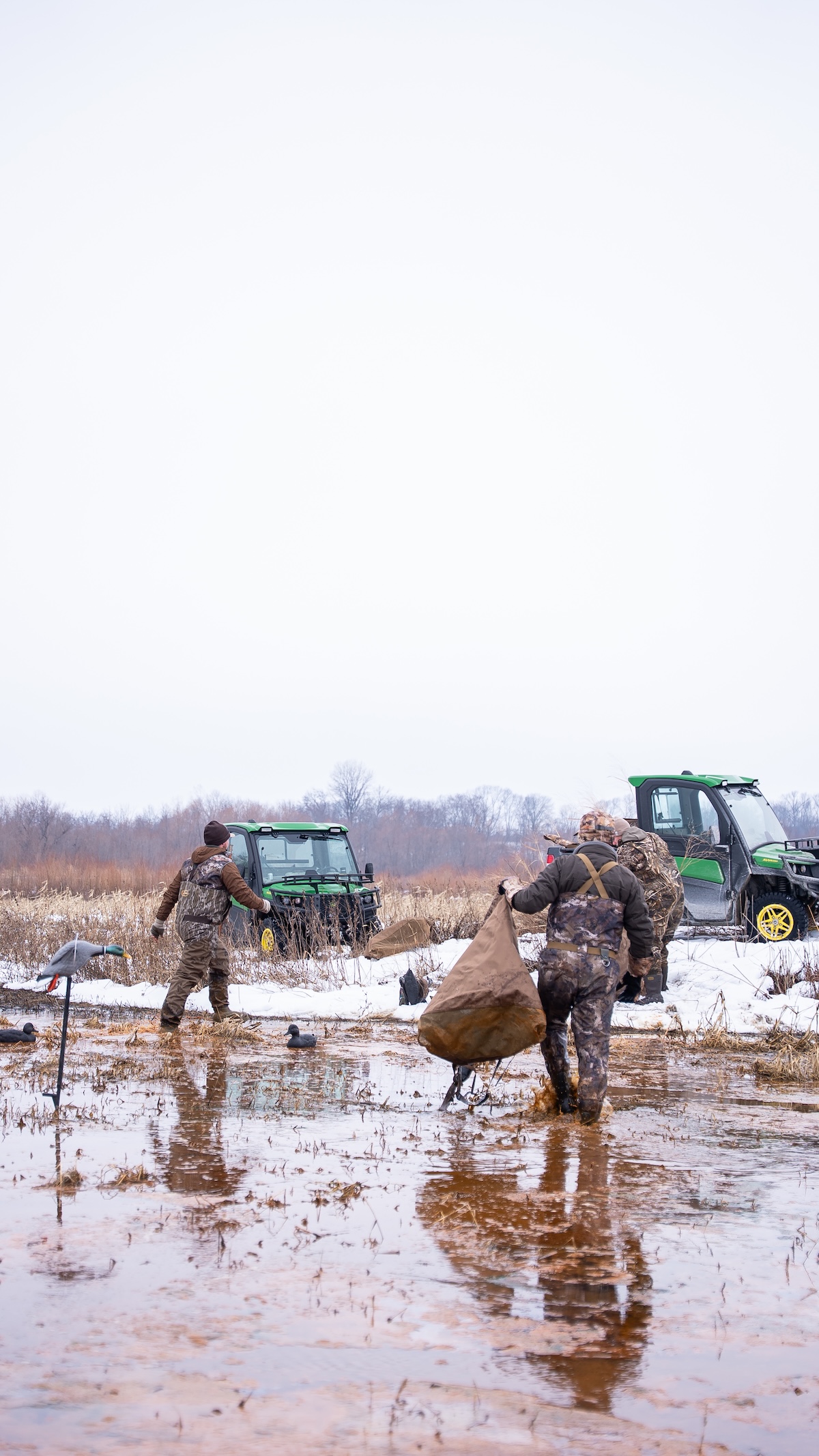
It looks like a great piece of ground. The soil looks promising. Planting conditions are pristine. All seems well in this real estate deal. Then, the rains come, flooding ensues, and the entire area is under water for months on end. You didn’t sign up for that, and there’s now an entire list of problems to deal with. Sure, duck hunting might be incredible, but for those who bought it for farming or development, it’s back to the drawing board.
A property that floods is a piece of land with limited uses. Not to say it’s useless, or even not valuable, but it comes with limitations. Prospective buyers of land should always check if tracts in question are in a flood zone, or not, before buying. Read on for more information on flood zone lookup, FEMA flood maps, flood zone maps by address, and other land research tools.
Editor’s Note: This is not financial, investment, legal, or real estate advice. Consult with a financial planner, investment specialist, real estate lawyer, and real estate professional before buying or selling land at auction.
Check Out Private Climate Risk Tools
Start your property flood zone inquiry via private climate risk tools. One example is Land ID, which Whitetail Properties Land Specialists frequently use to study floodplain maps, among other things.
"That information is readily available,” said Blake Shelby, a Whitetail Properties Land Specialist in Arkansas. “The first thing that we do is look at several sources, such as Land ID and other websites, that will show you very clearly if a property is in a flood zone."
The First Street Foundation Risk Factor is another useful tool for reviewing flood risks. These tools provide independently reviewed reports on current and future flooding projections. These don’t just rely on historical data. Rather, it combines that information with current changes and future projections. (Note: Use this as a single data point, and not a deciding indicator.)
Examine County GIS and Parcel Maps
Another method is examining county GIS flood maps. Look over the local county GIS map for available details on flooding. Toggle between available layers and study those focused on flood plains. The most beneficial is the FEMA flood hazard layer. Determine how this aligns with tracts and property lines of interest.
Study Available Official FEMA Maps
Next, study available official FEMA maps. There is no shortage of sources for flood mapping. Check flood zone status via nationally available tools.
"There is a national registry that details exactly where the flood zones are, and you can check those resources to give you a registry of what's in these and which properties are not,” Shelby said.
Search for the property by using available information associated with the land in question. Property names, landowner names, property address, pin drop, or even GPS coordinates, can be used to research and answer key questions.
When studying FEMA maps, pay close attention to the shading across the map. Areas of higher risk show darker shading. These locations are labeled Zone A or Zone AE. Each of these zones have the highest risks of flooding. Zone X areas (lighter shading) come with low to moderate risks of flooding. Those who opt to keep digital or physical records of flood zone reports can do so by saving the FIRMette snippet.
Contact Other Watershed Authorities
Private lands risk tools and FEMA maps aren’t the only assets. Many places have local departments that oversee watershed management. Consulting with these floodplain managers can produce the most up-to-date information. Oftentimes, these sources work with newer data and surveys than federal groups.
Hire a Professional Floodplain Expert
After consulting publicly available resources, consider taking things to the next step. For some, it might be prudent to hire a professional floodplain expert. It costs money, but can be money well spent if it helps identify a good buy, or a poor purchase to avoid.
"Flood zones tend to be really broad, and they blanket a whole area,” Shelby said. “Well, you might have a high ridge within that flood zone. You could do an elevation survey on it, and have it not been zoned in a flood zone, even though it looks like it on a map.
"If you really have questions, the second step is to do what's called an elevation survey,” Shelby continued. “They will go to the property and give you exact elevations, which will affect whether it is actually in the flood zone."
Additionally, oftentimes, licensed land surveyors can assist with flood plain reports. They request elevation certificates, which measures the land in relation to base flood elevations within the respective area.
Work with a Whitetail Properties Land Specialist
In conclusion, work with Whitetail Properties. Land Specialists are trained experts in real estate sales. If they don’t have the answers, they know who does. At best, they can offer advice and provide required info. At worst, they connect potential land buyers with a professional (e.g.: floodplain surveyor) who can assist with important pre-purchase information and decisions.
Overall, it’s vital to understand the varying degrees of flood zones. It impacts more than how you can use the land. This even extends to insurance, loans, and more. Everything is connected, and whether the property floods or not is of crucial importance to know.
"There are degrees of flood zones that will affect insurance rates and build-ability on a site, so not all flood zones are created equally,” Shelby said.
To prevent headaches and potential issues down the road, conduct your due diligence today. Be completely aware of property risks, including potential flooding, well before signing the dotted line and handing over your hard-earned cash. Be completely confident in your land buying decisions, and you’ll sleep easy knowing it was the right move.
For landowners looking to sell their land, contact a Whitetail Properties Land Specialist today. We can answer questions and help with your real estate needs. For buyers hoping to purchase land, check out some of the available listings near you.