Wildlife Management
How to Improve Deer Habitat on Your Property
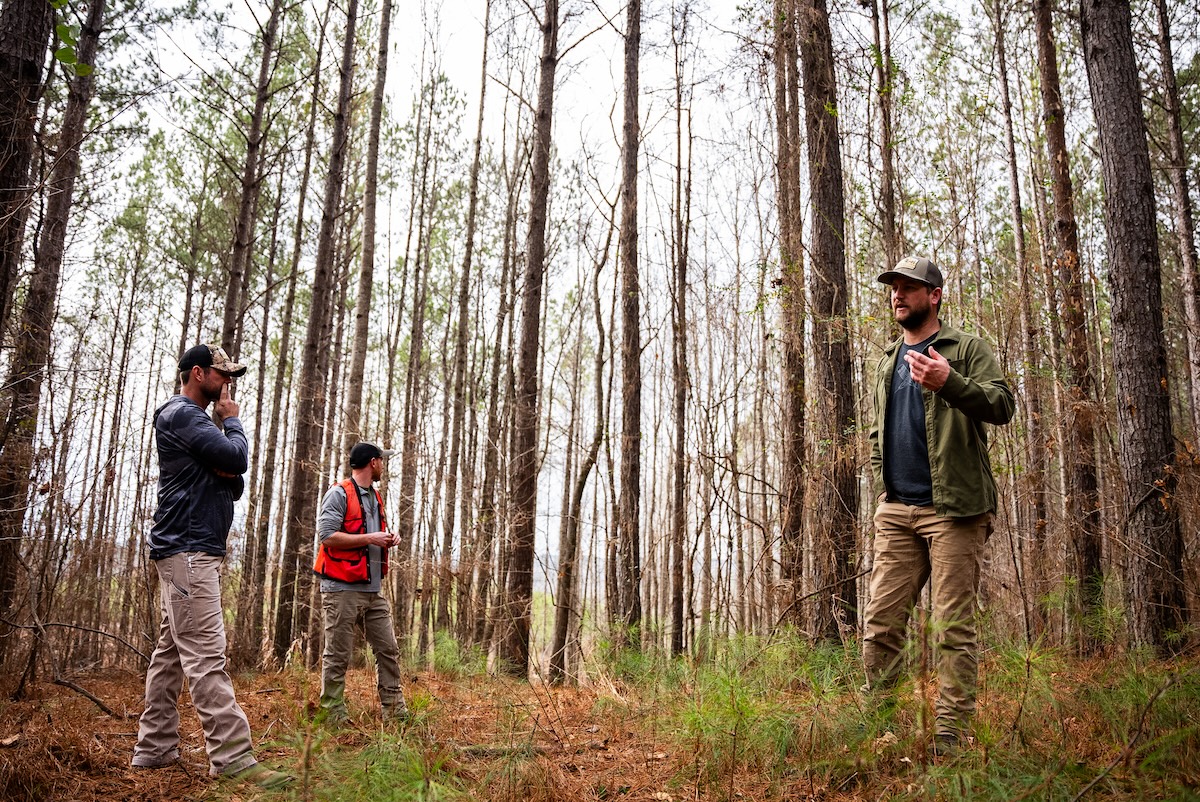
Whitetails have been known to eat upward of 700 plant species, and they’ll sleep in a lot of places. They handle the many stresses thrown at them like champs. Fortunately, by providing food, water, and security, you can minimize their stress and make your farm better for deer.
Managing land for whitetails is a very rewarding endeavor. Understanding how to improve deer habitat on your property is a highly nuanced subject, though. Read on to learn more about deer habitat improvement, and subsequently, deer habitat management. Get excited, because it’s time to fire up that John Deere green machine and get to work.
Editor’s Note: This is not financial, investment, legal, or real estate advice. Consult with a financial planner, investment specialist, real estate lawyer, and real estate professional before buying or selling real estate.
Step 1: Boost Available Food Sources for Deer
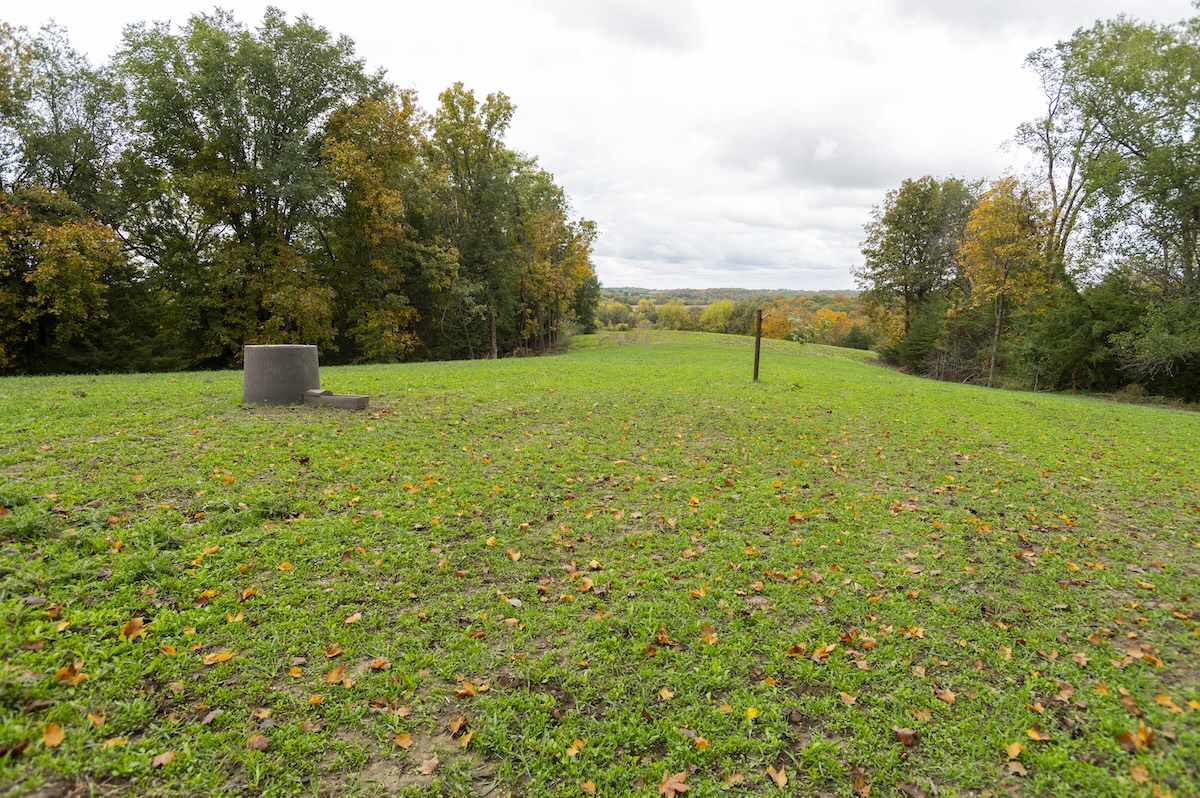
The first step in improving the habitat on your farm is boosting available food sources for deer. Accomplish this by offering a variety of food source types, including hard mast, soft mast, greens, grains, and more. Plant warm-season food plots like soybeans, cowpeas, and clover. Manage native browse, including woody plants and broadleaf weeds. Create mineral sites with calcium and trace minerals. These are but a few of many examples.
Don’t be afraid to try something new. Clay Mervar, a Whitetail Properties Land Specialist in North Carolina, encourages it. Try turnips, radishes, and different brassica blends. Plant something that's individual, like clover or oats.
Mervar also says to think ahead. Use that John Deere and its implements to plant some clover the fall before. Maybe broadcast into (overseeding) a nursery crop of cereal grains. Or, consider frost-seeding with clover. He’s a big fan of planting oats for deer. According to him, that stuff grows easily, and comes up well in early September through the end of deer season.
Dave Skinner, a Whitetail Properties Land Specialist in central Kentucky, encourages landowners to time food sources with the time of year they plan to hunt the area. For example, don’t put an early season food source next to a bedding area on a south-facing slope.
Positioning small, secluded food plots between bedding areas and destination food sources is a great play. It’s especially great early and late in the season. But as fall arrives, and deer season progresses, soft mast (acorns, persimmons, apples, etc.) and hard mast (red oaks, white oaks, etc.) begin to drop. This creates a major shift in the action.
Step 2: Secure Reliable Water Sources for Whitetails
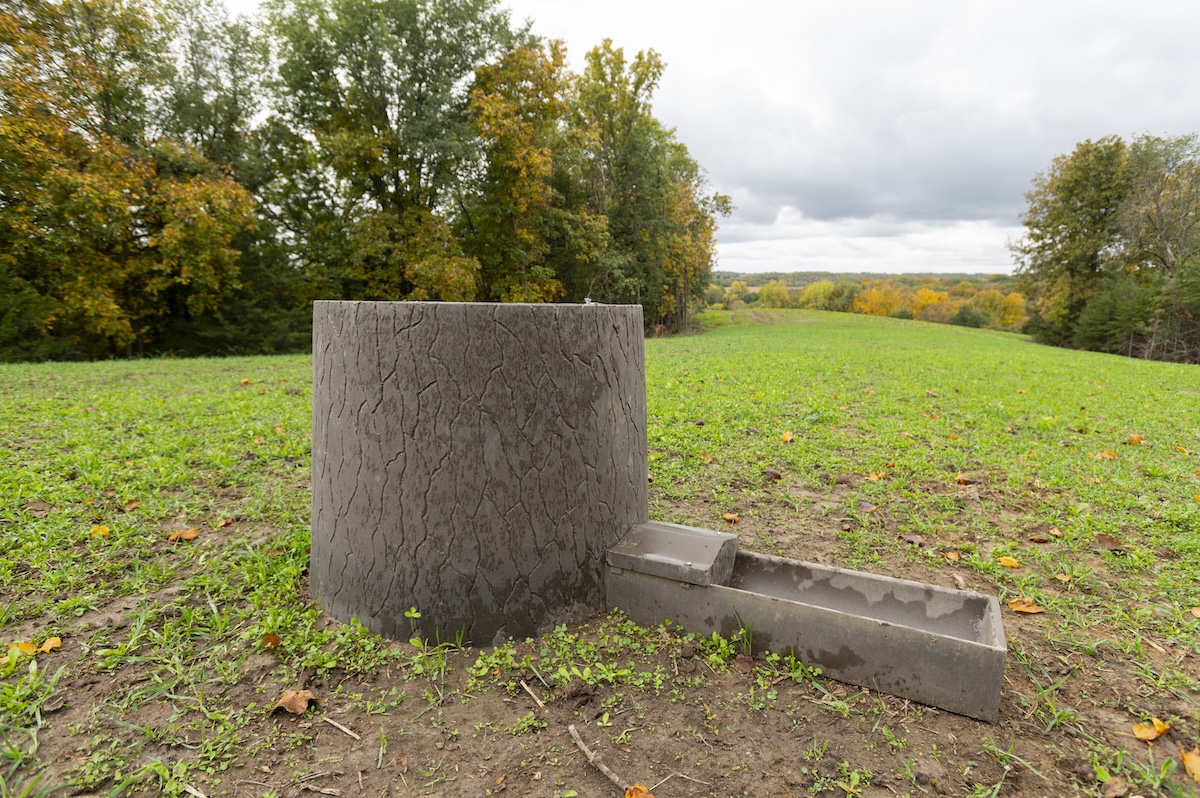
Whitetails need water as well. Clean out existing ponds or creeks. Set up shallow wildlife water tanks or troughs. Place water near thick bedding areas to reduce travel stress. Position some near stand locations to position deer for shot opportunities. We recommend the Banks Wild Water 100.
Step 3: Enhance Bedding Areas for Deer
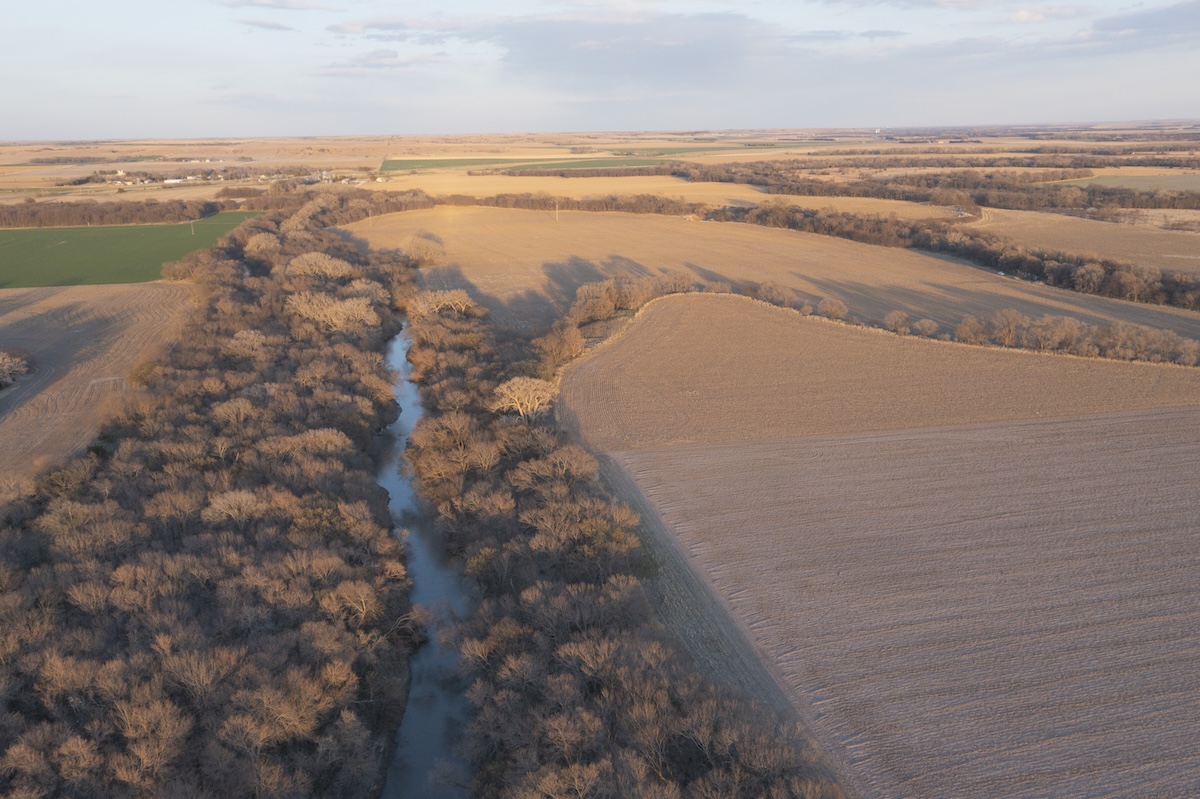
The next phase is enhancing bedding areas for deer. Think about where deer might bed on northern slopes (warmer months), southern slopes (colder months), etc.
Mervar notes that bucks almost always bed at higher elevations, such as ridge tops, ridge endings, knobs, etc. This is for several reasons, including visibility, consistent winds, rising thermals, and more.
The best case scenario? The cover adjacent to the bed consists of native woody and herbaceous plants. These serve as a browse-based food source that deer snack on throughout the day. Greenbrier, red osier dogwood, brambles (blackberry), grapevine, ragweed, pokeweed are just a few Mervar rates highly. Deer need these spots closer to bedding cover, so they don’t have to venture far during daylight.
As noted, deer need multiple escape routes, too. If a buck detects a predator, it needs to have two to three exit strategies. This is true for the exact bed and overarching bedding area. Without this element, whitetails feel blocked in and don’t use these bedding areas.
To establish this type of bedding on your land, create dense thickets through hinge-cutting trees. Leave buffer strips around fields to make deer feel safer. Minimize human intrusion in core bedding and sanctuary zones.
Remember, bucks won’t bed in the same spots all season long. Levi Rentzel, a Land Specialist serving Maryland and Pennsylvania, makes the important point that weather, pressure, habitat cycles, agricultural operations, herd dynamics, hormonal changes, and much more, impact these changes throughout the year. This can lead to monthly, weekly, or even daily changes in bedding area usage. Thus, offer a variety of bedding types in different spots to maximize the time deer spend on your land.
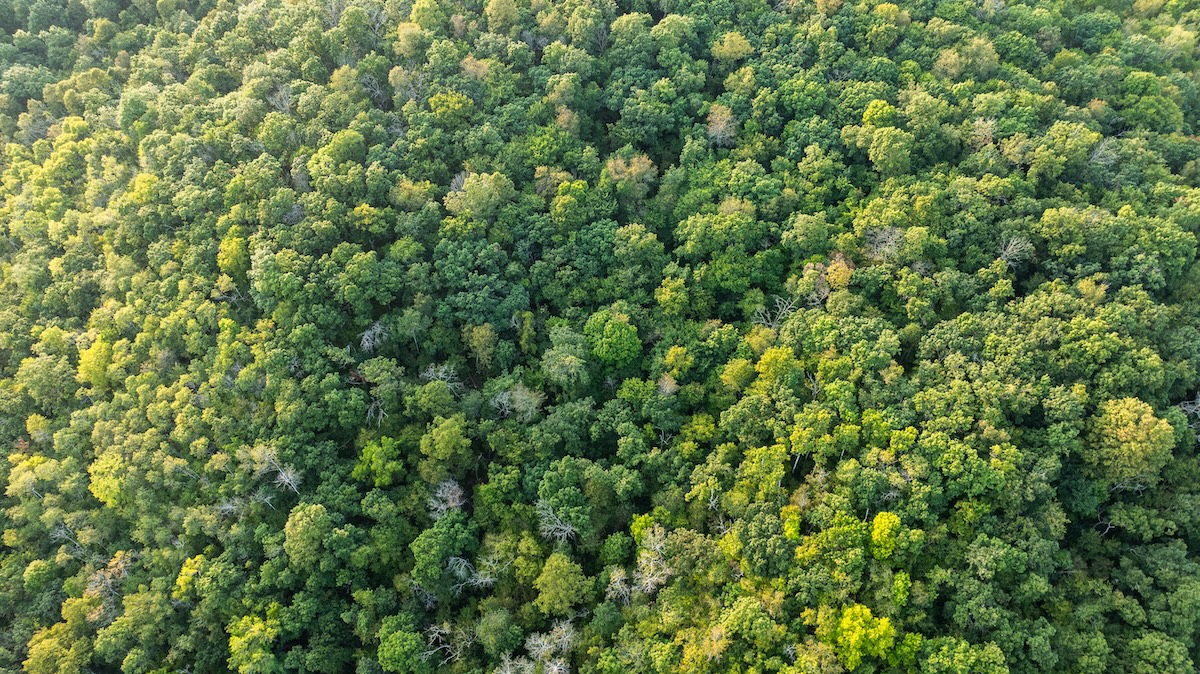
Step 4: Establish Designated Bedding Sanctuary Security Cover
As already alluded to, it’s important to establish designated security cover. These are zones that humans never enter except to recover dead deer. One post-season scouting mission and/or shed hunt gets a pass, too.
Neil Hauger, a Whitetail Properties Land Specialist in northwest Wisconsin, points to how bucks core areas shrink over time. They retreat into tighter areas that feel safer. Thus, it’s crucial to make your property feel safer by adding much-needed security cover.
Wyatt Rentzel, a Land Specialist in eastern Pennsylvania points to mature bucks needing three key things from their bedding areas. These include security, browsing and the ability to escape. Bedding areas help them hide from predators. Still, deer can see, hear, and/or smell them coming from a distance. Bedrooms also have plenty of vertical and horizontal cover that’s 4 feet and below. These locations also require consistent wind directions, as deer tend to bed with the wind at their back while watching downwind.
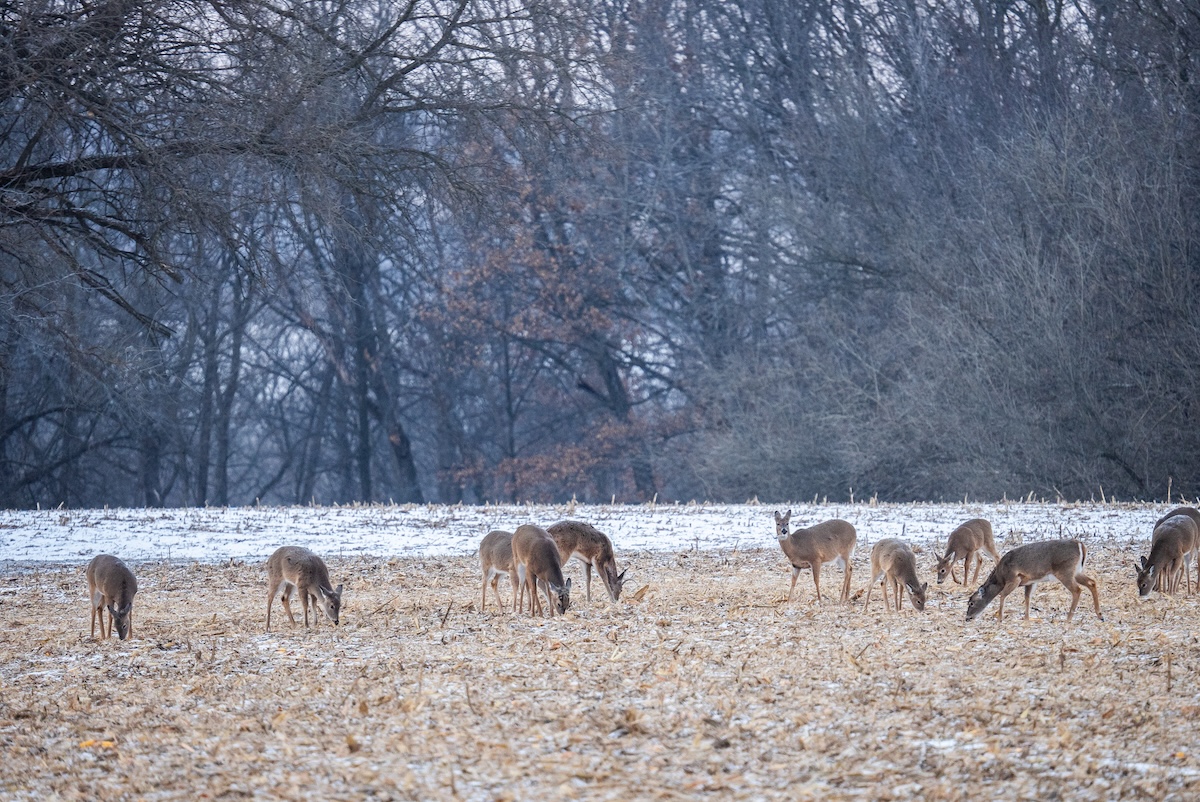
Step 5: Protect Does and Fawns
Good land managers also do whatever they can to protect does and fawns. That includes planting and promoting habitat types that serve does and young fawns well.
For example, avoid mowing fields during peak fawning season (early summer). Keep predator access low by clearing thick escape cover. Maintain zones where does feel safe to raise fawns.
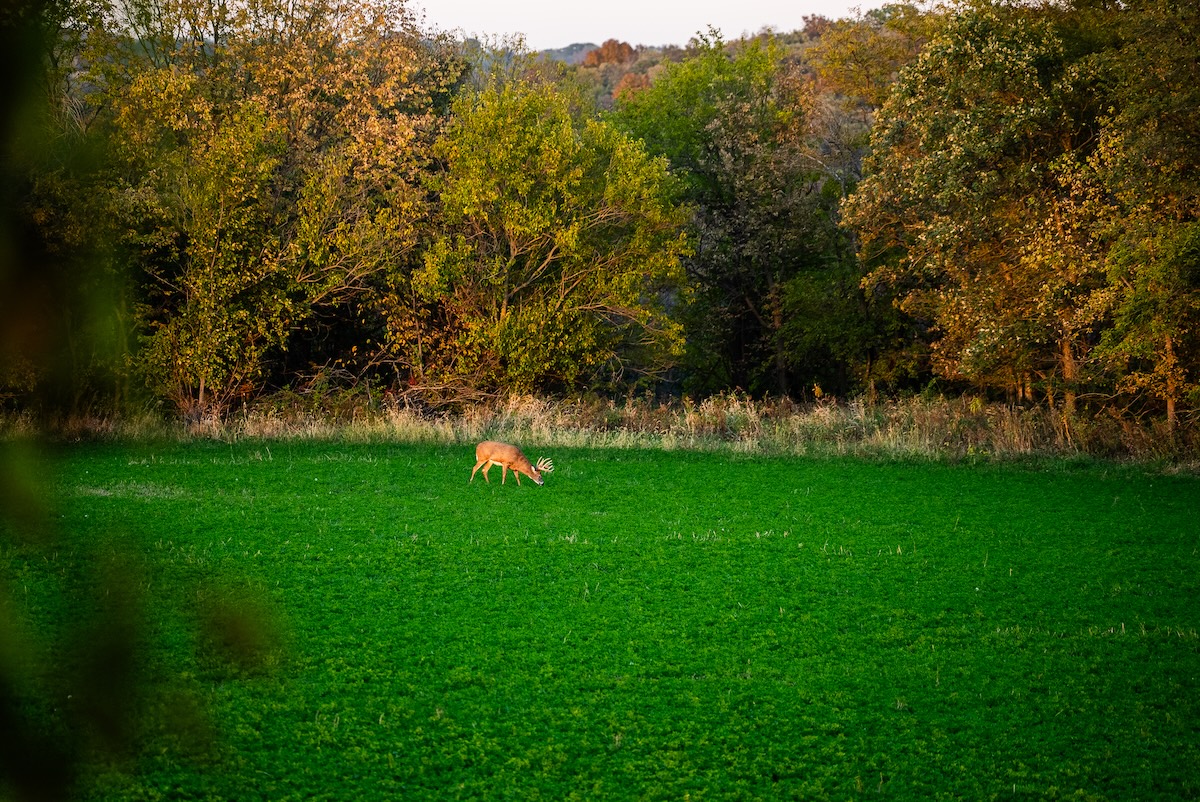
Step 6: Give Bucks and Does More Room
Have you ever heard the term: “Can’t live with them and can’t live without them.” It’s often used by men or women of the opposite gender. Meaning, they love them, but sometimes, during relationships, the road gets rocky.
While deer don’t have relationships in the human sense, they do spend a lot of time around each other. Bucks don't like to spend too many overlapping hours, though. Outside of the rut, they rarely bed in the same locations as does. Instead, they remain somewhat segregated.
To improve your hunting land, consider giving bucks more room. Create various pockets of bedding where they can spread out and be off to themselves. This reduces stress within the herd and improves overall health. It can even help hold more (and bigger) bucks on your hunting land.
Hauger agrees with this mentality as well. Generally, he positions buck bedding areas downwind of doe bedding. This way, bucks can remain bedded and still scent-check the does upwind of their position.
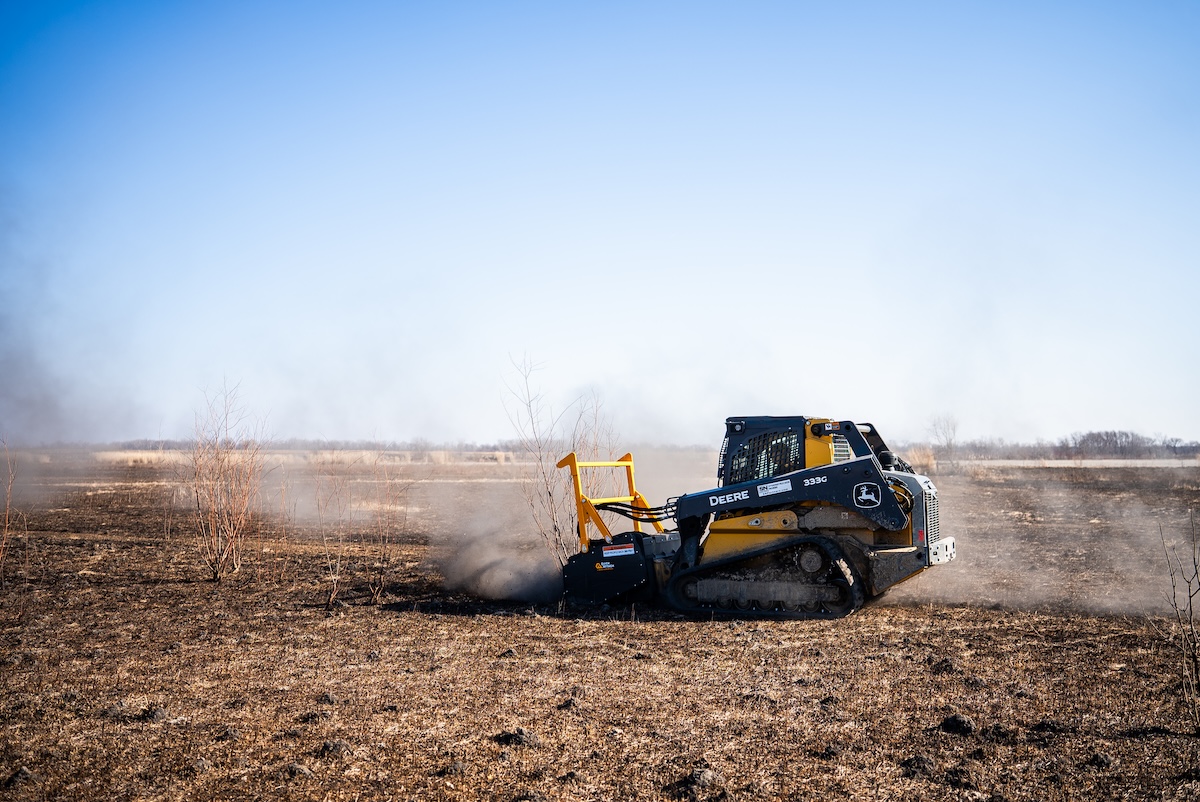
Step 7: Remove Nasty Invasive Plant Species
Some plants are good. Other plants are bad. Invasive plant species are almost always really bad. That’s why so many landowners prioritize removal of invasive species. It improves the natural flora and fauna alike.
For example, autumn olive is a nasty invasive that wreaks havoc on the landscape. According to Matt Ross, National Deer Association (NDA) director of conservation, it can make thick cover for bedding. Still, it outcompetes other highly beneficial native species.
Other big invasives to remove include Bermuda grass, bush honeysuckle, Chinaberry, Chinese climbing fern, Chinese privet, Chinese and Japanese wisteria, Cogan grass, English ivy, European buckthorn, Japanese barberry. Japanese knotweed, Japanese stilt grass, kudzu, multiflora rose, sericea lespedeza, tree of heaven, winged euonymus, and many more.
Hauger says red cedars are also important to remove, at least, in moderation. These can quickly overtake an entire area. So, remove red cedars if they’ve overextended. That said, it’s beneficial to leave some of these in bedding areas. The catch? Hauger trims limbs up the trunk enough so that deer can stand and bed underneath them.

Step 8: Work with a Whitetail Properties Land Specialist
Can’t or don’t want to do the work yourself? It’s time to speak with a Whitetail Properties Land Specialist. Most are National Deer Association (NDA) certified Deer Stewards, meaning they know how to go about managing land for deer.
If you don’t want to make large-scale, landscape-wide habitat improvements, it’s time to find a turnkey hunting property. Once again, Whitetail Properties Land Specialists can assist with that, too. They have an array of available listings that meet your needs.