Country Living
Hunting Cabin Essentials: Power, Shelter, and Other Practical Systems for Your Cabin
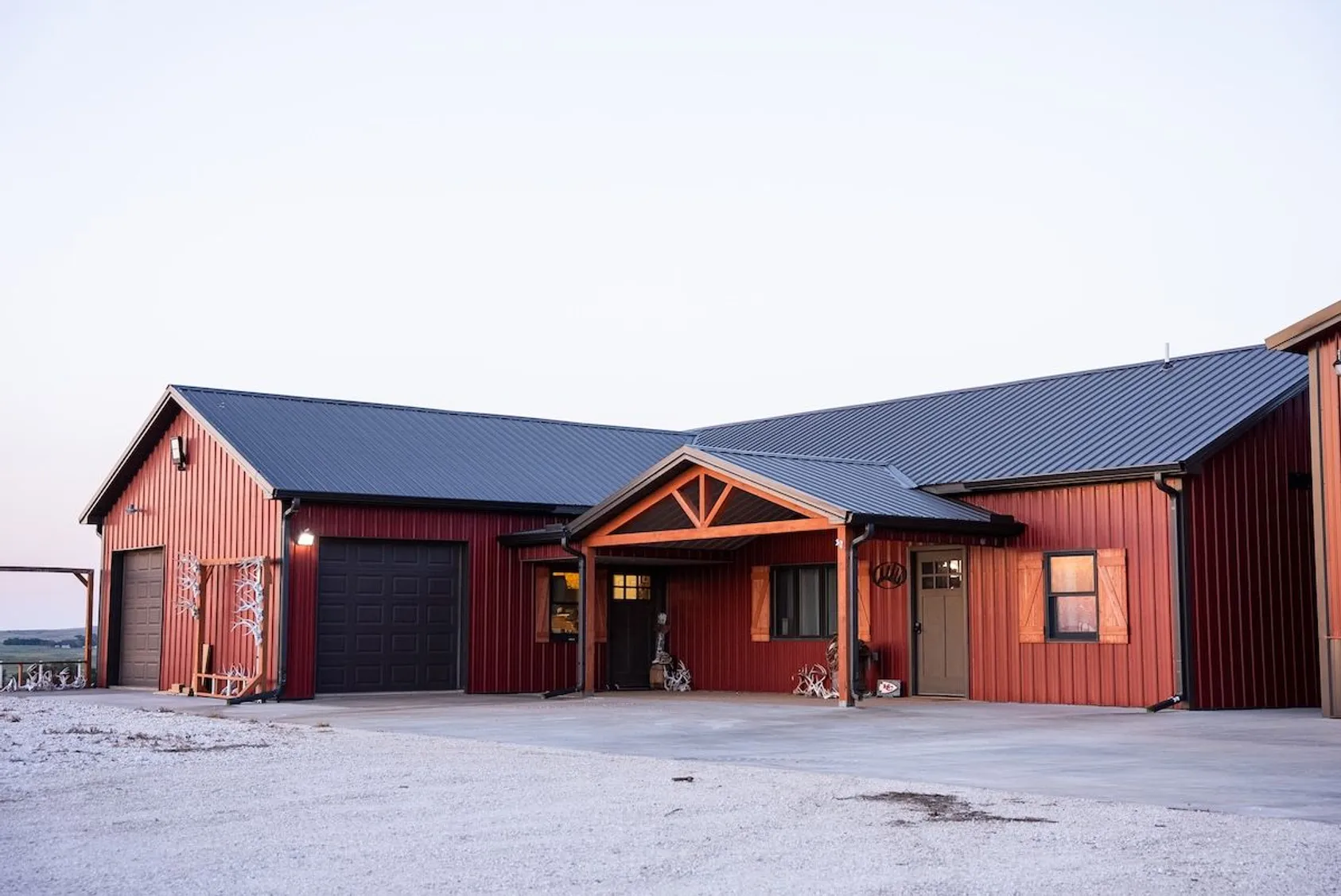
A lot of individuals, hunters and non-hunters alike, enjoy hunting cabins. Whether building a deer hunting cabin at their hunting camp or searching for hunting cabins for sale on the real estate market, it's important to know about all hunting cabin essentials. Electric, water, and much more — there's plenty of hunting camp equipment to incorporate into your little piece of heaven.
Tim Kent, a Whitetail Properties Land Specialist in New York, has a lot of experience in buying cabins, fixing them up, and re-selling these. That's garnered him much experience in what's needed, and what isn't, in a good cabin. According to Kent, some of the most important things include insulation, heat, and definitely sound construction. There are many considerations to factor in, though. As such, here's your guide to choosing essentials that support remote living, with input on gear, solar solutions, rainwater catchment, and more.
Ensuring a Sound Foundation and Construction
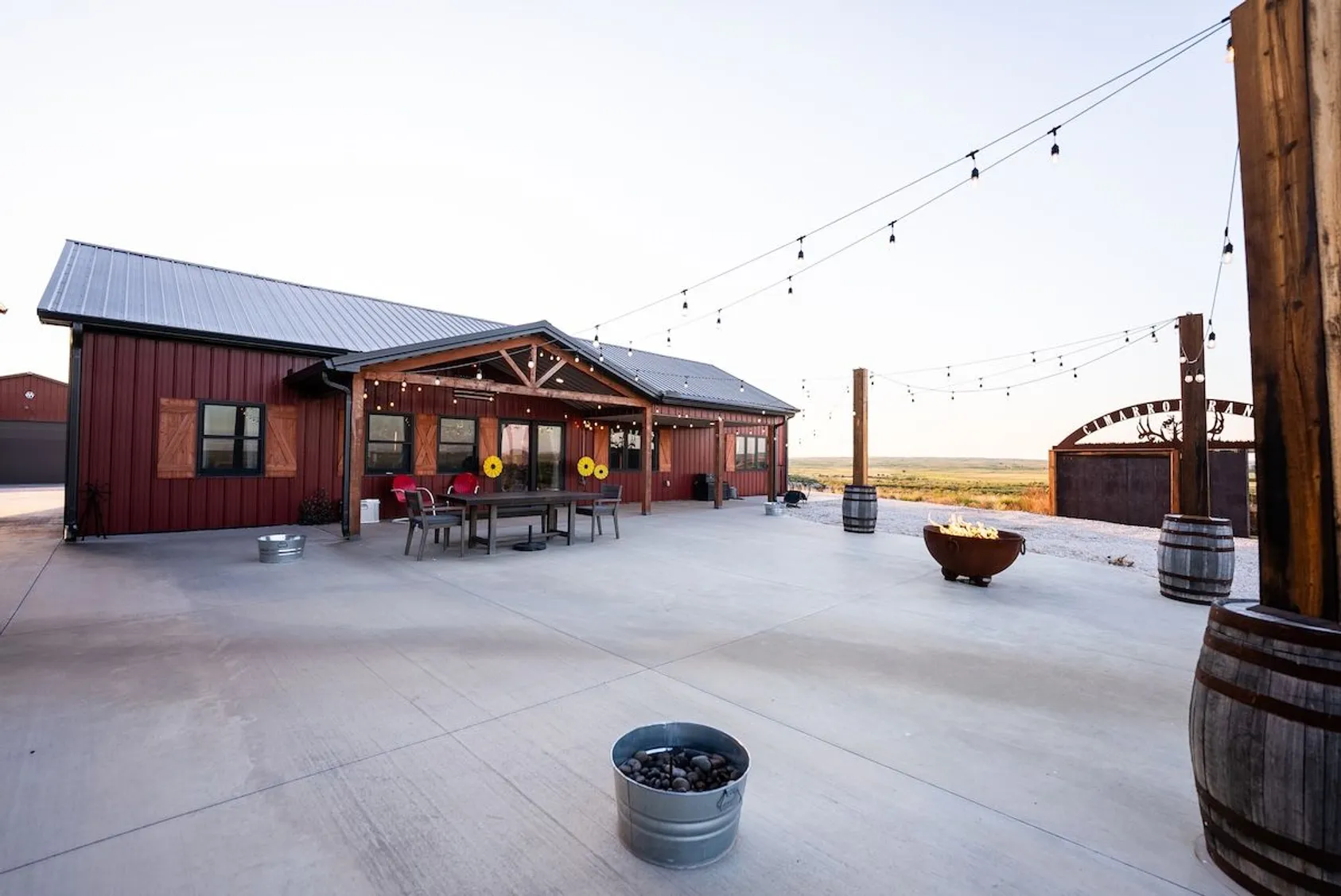
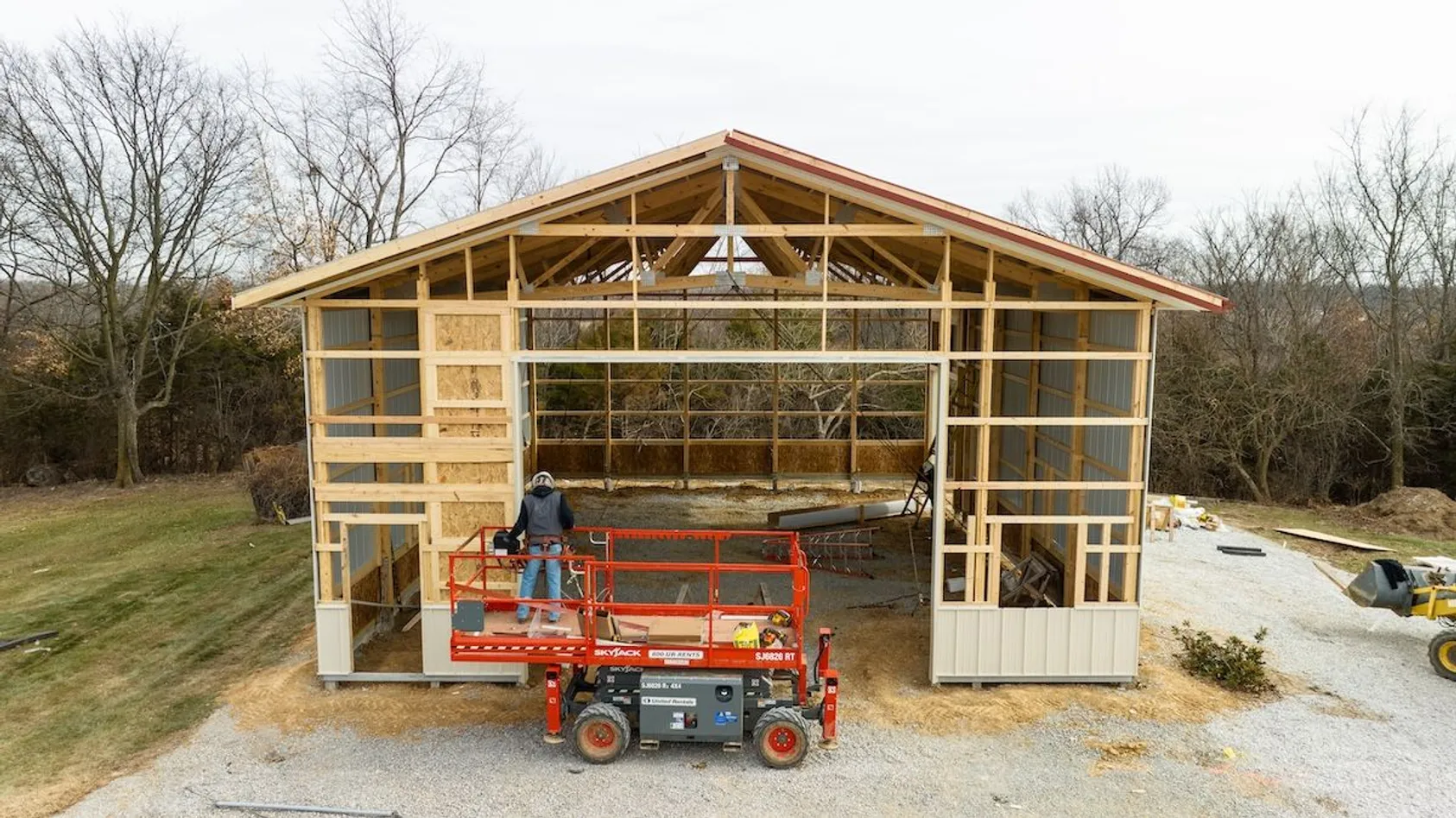
The first and foremost factor in a good hunting cabin is ensuring a sound foundation and construction. If buying a used cabin, Kent says to inspect foundations, study sturdiness, and be sure it still has structural integrity. If building a new one, prioritize each of these things. Additionally, consider its location. Ensure the cabin is planted in a spot that's free of risks, such as flooding.
"You don't want to buy something and have it fall apart on you," Kent said. "And you need a viable roof. Those are my top pics and highest priorities. But as far as the actual structure is concerned, those are things that I have personally found to be quite important."
Applying Insulation in Your Cabin
Most cabin stays are in the cooler months, especially if hunting is the aim. That calls for applying insulation in your cabin. This will help regulate temperature both during the warmer and colder months. Additionally, good insulation keeps the temperature regulated which in turn protects everything else inside the cabin, especially water systems.
Heating Your Cabin
Most individuals will want to heat their cabin. Some use wood stoves. Others prefer pellet stoves. Furthermore, propane heaters are commonly used as well. Regardless, heat your cabin with a proper heat source of your choice. With a proper installation, you can enjoy a warm cabin after returning from each hunt.
Hooking Up an Electrical Source
Individuals also need to consider options for getting power to a cabin, especially if they don't already have a direct electrical hook up. This requires alternative power solutions. Luckily, there are multiple options available to cabin owners.
"You can run a generator, and you can have that wired in," Kent said. "Obviously, you could do solar or a combination of the two. Or, if you want to keep it really simple, you could do a little 12-volt system — something that will run off of a deep-cycle battery, almost like a boat or a camper."
Mounting Interior and Exterior Lighting
If the cabin has electricity, and the power source is large enough, mount interior and exterior lighting. At least have interior lights for indoor use and one exterior light for deer processing and other outdoor tasks after dark. If these aren't wired in, at least have portable lights that run on a generator or lithium batteries.
Installing a Water System
Water is even more important than electricity. Some choose to run water lines directly to their cabins. Others don't have that luxury. For them, it's important to have other practical systems in place. It's crucial to install some sort of water system, especially if you don't have a city water line hook up. So, what kind of water catching system, or other options, are available?
"My cabin actually has a rainwater collection system," Kent said. "The gutters run into a well crock. It's a dug well, but the water goes down into that well crock. A lot of guys that I see will do systems that collect rainwater. Or they have the ability to bring water in, like in those big farm tanks used for watering crops."
Prepping Sleeping Arrangements
Those who plan to spend many nights, or even just a few, should prioritize preparation of sleeping arrangements. If there's enough room, consider beds with easy-to-clean mattresses. Do not leave beds outfitted with pillows, sheets, comforters, and blankets. That's a recipe for mice, insects, and other infestations. Instead, keep the mattresses bare, and store bedding in large zipped or vacuum-sealed bags.
For those who don't have room for larger beds, or who want to save room, or who wish to minimize potential mouse risks, consider installing cots instead. These are easier to maneuver, clean, and otherwise use. Merely bring sleeping bags when you arrive, or store them in sealed bags, to use once there.
Regardless, be sure you have viable bedding and sleeping arrangements. This will help keep you fresh throughout the duration of the hunt or general overnight cabin stay.
Caching Important Supplies and Game Processing Equipment
We're not talking doomsday prepping or anything eye-raising, but it doesn't hurt to have a good cache of supplies. General items like soap, Duct Tape, rubber gloves, and much more. Additionally, maintain game processing equipment inside the kitchen area, such as knives and saws. Also, keep kitchen utensils, such as cups, plates, forks, spoons, knives, etc. on hand. Storing each of these important items, and maintaining inventory as needed, is a part of cabin planning.
Storing Non-Perishable Foods and Water
Most short-term cabin stayers bring food with them. However, it doesn't hurt to store non-perishable foods in the cabin. Keep these items in sealed, airtight jars, and lock them up in a safe compartment to keep animals, mice, and other pests from messing around. Likewise, store jugs of sealed water, even if you have a primary water system. It's best to be prepared.
Stashing Extra Clothing
Hunters, and people in general, commonly get dirty, sweaty, and wet in the field. You'll pack clothes for the cabin trip. That said, it doesn't hurt to dedicate a few outfits as emergency backups. Of course, in certain instances, you or a guest might need these dry, warm, extra clothing.
Maintaining Fire Starting and Cooking Equipment
More times than not, you'll need to start a fire for something. A bonfire outside. Lighting a stove indoors. Burning a candle. Whatever it is, maintain multiple fire starting methods, such as matches, lighters, and even old-school flint and steel.
Keeping Safety and First-Aid Gear
Everyone should always keep safety and first-aid gear on hand. Safety gear includes fire extinguishers, emergency blankets, etc. Keep typical first-aid kits with the usuals, including bandages, disinfectant, braces, tourniquets, and more. These items are rarely needed, but so important once they are.
Maintaining Insect, Pest, Mouse, and Rat Repellant
A commonly forgotten element of cabin management is maintaining insect, pest, mouse, and rat repellant. Kent stresses the importance of mouse repellent even beyond other things that might be thought of before it.
"Definitely some repellent or mouse killer," he said. "Home Depot has your front and back with mouse traps."
That said, it begs the question, do you go with the old-school spring traps, new-school stickies, or tried-and-true poison? Or do you hit those nasty rats with an armada of all three?
"Man, I'm old school," Kent said. "Buddy, do I love those old school snap traps? They're my go to. I just put a little peanut butter on them."
In other words, he likes to see those necks break. He's a hunter at heart.
"My wife laughs because, although she isn't a hunter, she does love killing some mice," Kent said. "We will get a mouse in the house, or in our cabin, and she loves hunting them."
It's important to remember, though — the pinch-point game is just as strong in mouse hunting (trapping) as it is in chasing big whitetails.
"You just line them up against the wall and make it so they have to lean up against the wall," Kent said. "Or create a little funnel there. That's good stuff. But seriously, that's a legitimate thing that we see everywhere — mice."
Bonus: Don't Forget to Winterize Everything
While the above list isn't an exhaustive one, it's certainly a starting point. Additionally, don't forget to winterize everything. That process will be different for every cabin based on the particular setup. That said, ensure everything is ready for use and stabilized for cold weather. Winter is coming.
Design Your Own Cabin
Looking to build your own cabin? Consider Morton Buildings, which is a company that specializes in rural construction, including cabins. Study its 3D studio program, which helps you design your own dream cabin or building. The best part? You do so right there on their website. It's the first step in having the perfect cabin on your piece of land.