Farm & Ranch
What’s Actually Driving the Price of Land So High?
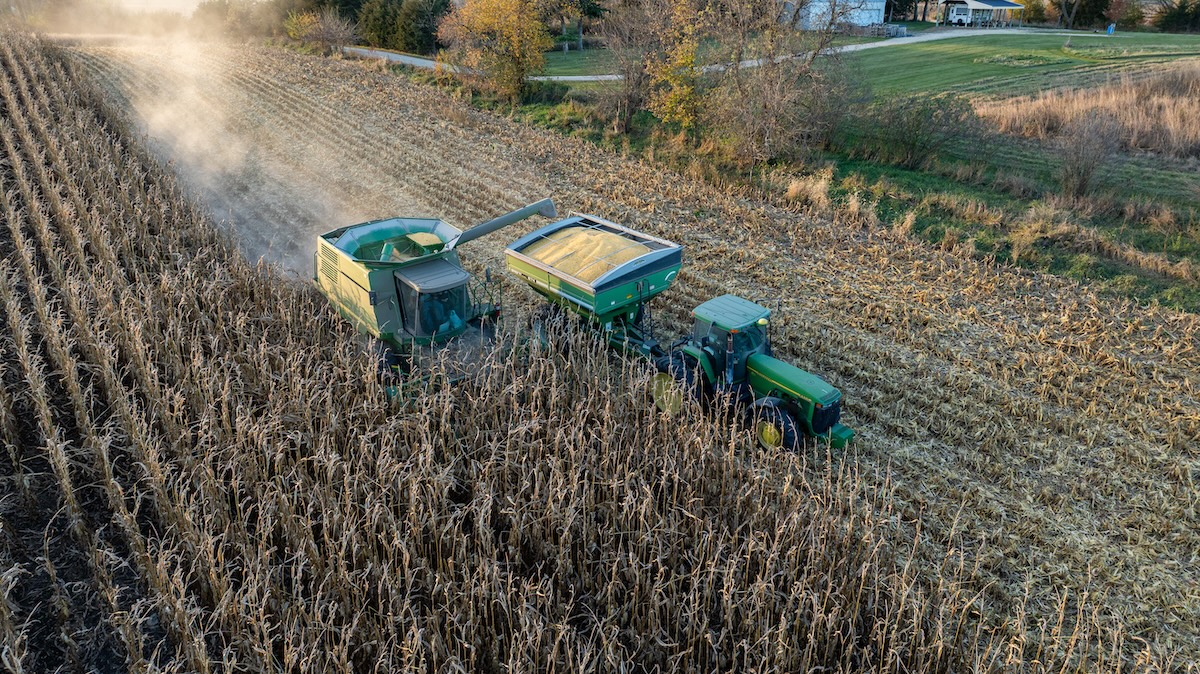
Those new to real estate who ask a land buyer how much it cost to purchase ground (any ground) five, 10, 20, or 30 years ago, and it might come as a shock. Without a doubt, we all have a right to wonder, what’s actually driving the price of land so high?
"In my territory, I have seen an increase in the price per acre in recent years,” said Camron Stover, a Whitetail Properties Land Specialist in Ohio and West Virginia (https://www.whitetailproperties.com/agents/camron-stover). “I have seen it grow a lot. In just a few years, I'm seeing sellers that I represented at the start of my career, and now I'm reselling their property at a higher price.”
The question remains, why? Read on to learn what’s actually driving the price of land so high. Here are 15 factors that continue to push land prices higher.
Editor’s Note: This is not financial, investment, legal, or real estate advice. Consult with a financial planner, investment specialist, real estate lawyer, and real estate professional before buying or selling real estate.
1. Changes in the Agricultural Landscape
The modern agricultural landscape isn’t what it was 10, 20, or 30-plus years ago. It’s changed drastically. That’s true for both the row crop and livestock sectors.
"The cattle market has driven ranch land over the last two years, as well as the competition coming out of Texas,” said Rustin Hayes, a Whitetail Properties Land Specialist in Oklahoma. “The Texas market is pushing some of the locals out of Texas into Oklahoma."
2. Relocations Centered on Income Taxes, Property Taxes, Cost of Living, Etc.
Many individuals continue to relocate for reasons centered on income taxes and property taxes. Other factors, such as cost of living, play major roles as well.
"South Dakota has benefited from being a state that does not have a state income tax,” said Katie Graeb, a Whitetail Properties Land Specialist in South Dakota. “A lot of people from states that do have an income tax are interested in owning property and establishing residency so that they can enjoy those benefits. Maybe we don't have an extensive paved bike trail network like our neighbors to the east in Minnesota do, but we're a very small government state. Maybe, sometimes our roads don't get plowed as frequently as maybe they do other places, and maybe we don't have some of the cool things that some of the bigger-budget states have, but a lot of people that appreciate American freedom feel like that resonates with them.
"South Dakota is what I would describe as a very small government state,” Graeb continued. “We don't necessarily offer a lot of public services, but we're a very small government state and a lot of people that appreciate American freedom feel like that resonates with them. A lot of people are attracted to South Dakota because they feel like they'll just be left alone, and so that can be really appealing.”
3. Relocations Centered on Personal Freedoms
Similar to taxes and rising costs, many individuals are relocating based on personal freedoms and preferences. This, too, continues driving real estate price increases.
"Private property rights are paramount in South Dakota,” Graeb said. “There is a 'don't tread on me' feeling, and that's very true here. South Dakota is much lighter on regulation and much more protective of individual landowner rights and personal freedoms.
"A landowner has the right to basically use their property however they want to within the bounds of the law,” Graeb continued. “There's not a lot of extra regulation and red tape in South Dakota that you experience in some other states.”
Some states even allow for more modification of the landscape. In contrast, other states require navigating many hurdles, hoops, and other red tape.
"If you look at our neighbors to the east in Minnesota, if they own property at a lake and want to do anything to modify their shoreline, even just to smooth out the land to make it more accessible,” Graeb said. “They're going to have to go through a pretty extensive permitting process. In South Dakota, that kind of regulation is almost nonexistent. If you want to make your shoreline more accessible or more user-friendly for your family, go for it."
4. Emerging Data Centers and Other Newly Emerging Land Uses and Needs
Despite the risk of triggering someone, it must be stated that emerging data centers, and other newly emerging land uses and needs, play their own roles in land prices.
"Data centers are the main driver that I've noticed,” Hayes said. “Right now, I have people running away from them ... I think it's going to happen sooner than later. I have had multiple Texans calling saying that they've got data centers moving in and they're looking at their next options, but this is the only one that I've actually seen [push them out], moving their whole ranch and operations out of Texas.”
5. Rising Interests in Recreational Properties
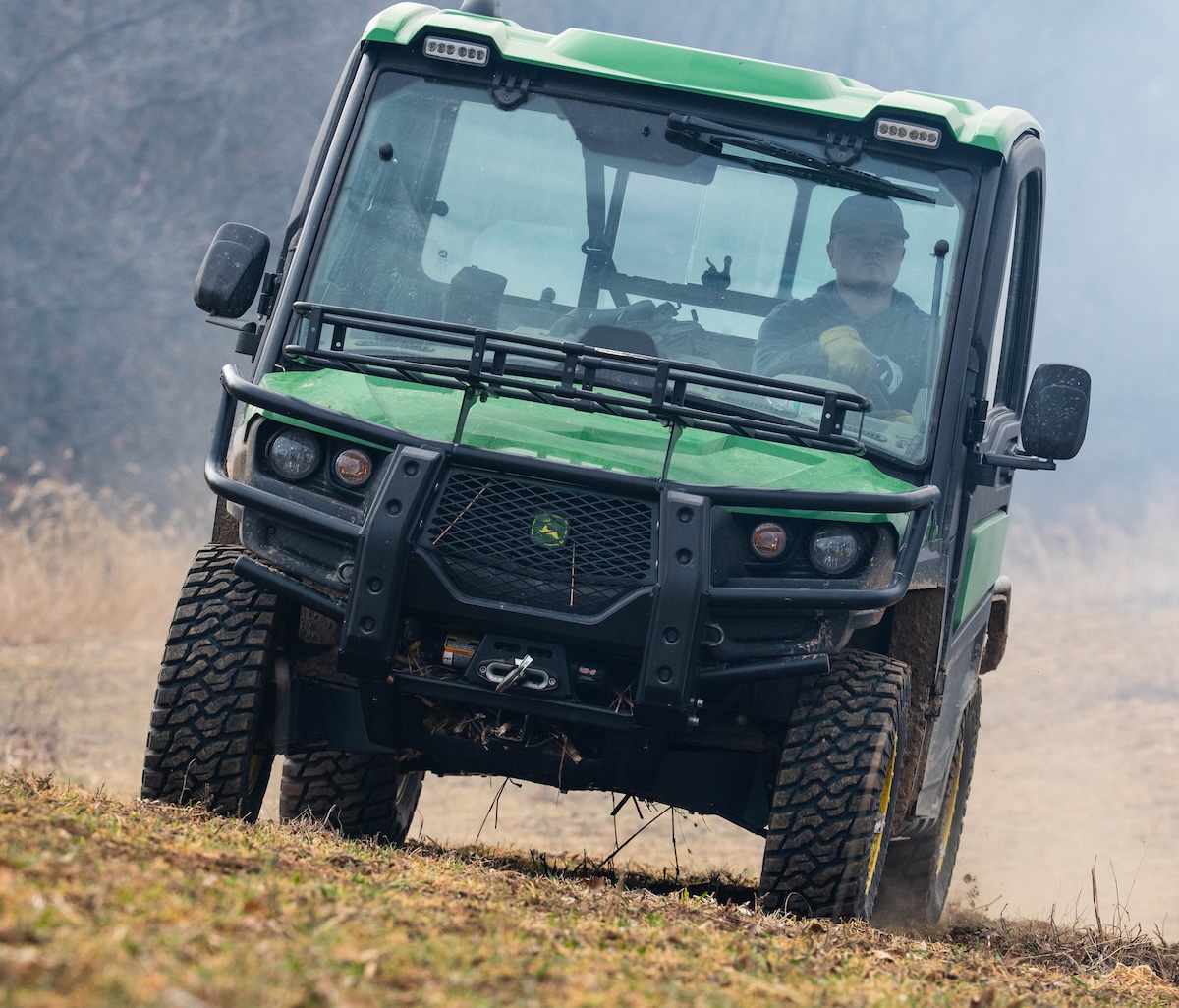
Before 2000, few land buyers’ primary interests were recreational. Today, it’s a dominant percentage of the market.
"My favorite thing in my territory of Southern West Virginia is the usability and accessibility of the property,” Stover said. "A lot of buyers who have the extra funds and resources to buy recreational property don't always want to walk and rough it. They're looking for a turnkey property that they can get into right now.
"They want to buy right before deer season and start hunting it, rather than cutting roads in and doing that type of thing,” Stover continued. “To me, it's about the usability and accessibility of the acreage itself."
This isn’t a regional factor, either. It’s a common occurrence throughout the nation, effectively impacting land sales in the Northeast, Southeast, Midwest, and West.
"Things driving up land values in South Dakota, though, [includes] recreation, bringing our brand to bear on what previously would've been considered waste for hunting purposes,” Graeb said. "We've really taken some things that maybe previously would've only been worth $500 an acre, and now they're bringing more like $1,200 an acre because of the recreational value that didn't used to be realized.”
6. Shifting Human Demands
America is among the few countries in the world where we celebrate cultural differences as a common thread. We’re all very different, which has been the foundation of our society. Even so, America today continues to see even greater differences. That has led to continued shifts in human demands for land.
7. Structural Scarcity of Prime Real Estate
Ground often has a “best use.” Properties are either suitable or not suitable for certain uses, such as crops, livestock, hunting, housing, commercial, etc. There’s a difference between poor, good, and great land. That translates to a structural scarcity of prime real estate, specific use case depending.
8. The Holding of Premium Parcels
Many landowners are holding and not selling prime real estate. Furthermore, because some of the best land is hard to come by, it’s driving up the price of properties that are available and on the market.
9. Supply and Demand of Area Preferences
Often referred to as the “Situs Effect,” available supply and demand continues to change based on where people choose (or not choose) to buy real estate. Because certain areas are more attractive, these property values appreciate at greater rates.
"Properties that were sold prior to being inherited by me, I'm reselling those properties at a higher price now,” Stover said. “A lot of that comes from attracting the right buyer, but also from supply, demand, and accessibility."
10. The Covid Relocation Effect
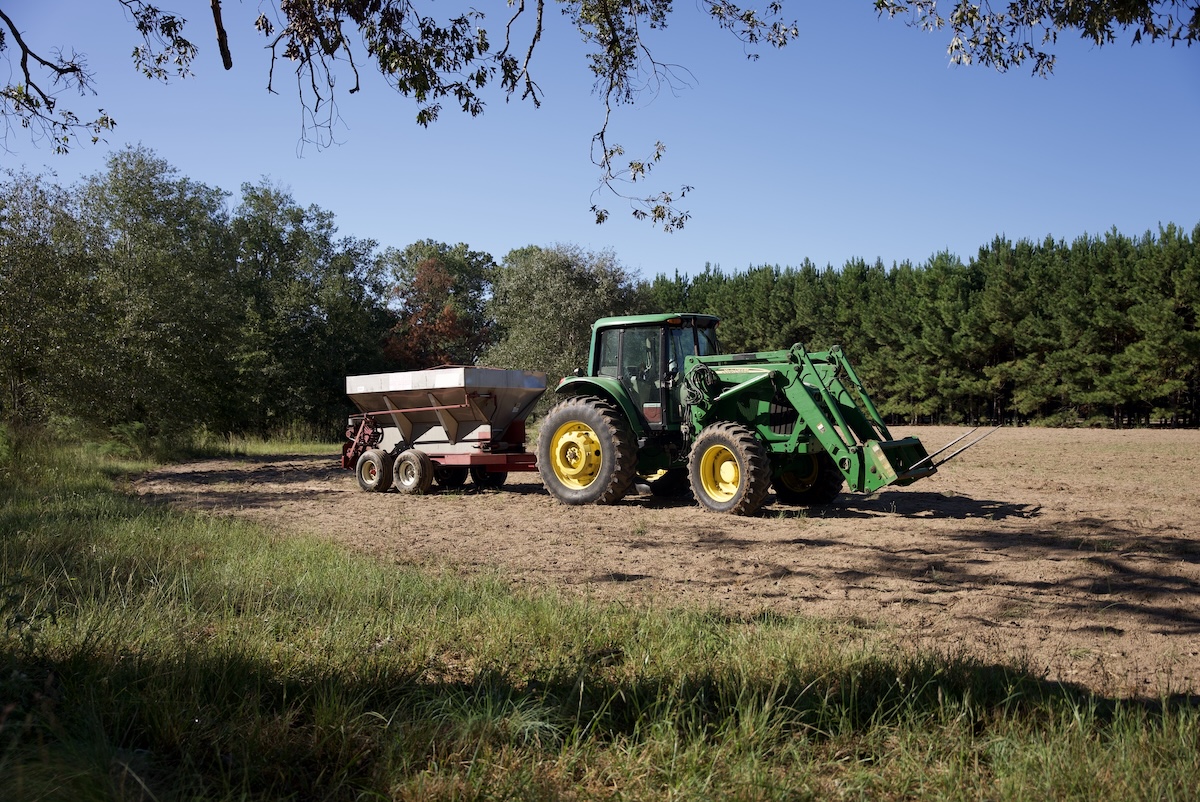
Covid forced or encouraged a lot of people out of the cities and into rural areas. This produced a very real and sudden spike in land prices. While the overall market (in some areas) has cooled from that timeframe, the real estate market is still feeling those fast changes.
11. Once-Low Interest Rates
Part of the Covid bump in land prices was induced by lower interest rates. For several years, rates were at or near all-time lows. That led to a surge in buyer interest, and despite rising interest rates now, some of these past effects continue today.
12. Changes in Zoning and Other Bureaucratic Guidelines
Zoning laws and boundaries are ever-changing. Other bureaucratic factors play roles as well. These things and more impact land prices throughout the nation. In most areas, it’s producing increases, and not decreases, in overall land values.
13. The Increasing Financialization of Real Estate
Investment markets continue to place increased weight and prioritization on real estate. Institutional capital. Sovereign wealth funds. Private equity. Portfolio diversification. These and more are but a few examples of how modern investors are increasing the financialization of real estate.
14. The Declination of Lesser Assets
In contrast to the increasing financialization of real estate, other assets are declining in value. Current examples include the bond market, crypto, precious metals, and more. For some assets these are likely mere short-term downturns. But the markets are unpredictable, and who knows what the future holds.
15. Rising Inflation
Lastly, accelerated rates of rising inflation continue rearing its ugly head. The numbers vary by source, but inflation is raging. At least, that’s true for some areas. In others, it’s somewhat lower.
"We have had a pretty slow and steady appreciation rate over the last 48 years,” Graeb said. “Our average appreciation rate is between 8% and 9% on farmland, tillable, and pastureland.
"Other states around us actually experience much more rapid growth than that, and that can be true,” Graeb continued. “We tend to be a lot slower and steadier in South Dakota, so we don't necessarily get those big, exciting jumps, but just kind of consistent growth over longer time scales."
Other Micro- and Macro-Economic Shifts
While the above statements are most of the primary drivers of increasing land prices, it’s never as simple as a bulleted list. The real estate market is a highly nuanced sector of the economy. No one has all the answers, but at Whitetail Properties, we do take pride in sharing the knowledge we have and guiding buyers and sellers alike in their respective real estate journeys.
“To be honest, I think it's a variety of different things,” Hayes concluded. “Competition is [driving it] more than anything. Western Oklahoma is still one of the cheapest lands out there on a per-acre value. People are finding that out, and that has driven our market."
Overall, be resourceful, do research, and work with a Land Specialist who takes your goals seriously. This is important in market conditions like this. There are plenty of good investments and wise purchases to be had.
For landowners looking to sell their land, contact a Whitetail Properties Land Specialist today. We can answer questions and help with your real estate needs. For buyers hoping to purchase land, check out some of the available listings near you.