Wildlife Management
16 Common Food Plot Mistakes That Hurt Deer Hunting and Land Value
Creating a successful food plot requires far more than simply throwing seeds on the ground and hoping for the best. From neglecting a critical initial soil sample to hunting over a plot at the absolute wrong time, hunters frequently make critical mistakes that inadvertently damage their deer hunting land. These land management mistakes hinder deer habitat improvement and damage hunting land value.
To help you avoid these common pitfalls, we sat down with an expert to break down the biggest errors across the entire management spectrum and learn how to optimize your acreage for a better season. Read on to prevent deer food plot mistakes, eliminate failed food plots, improve food plot maintenance, choose good food plot locations, and much more.
Editor’s Note: This is not financial, investment, legal, or real estate advice. Consult with a financial planner, investment specialist, real estate lawyer, and real estate professional before buying or selling real estate.
1. Failing to Consider the Property’s Limiting Factors
Most properties have limiting factors. For some, it's a lackluster bedding cover. For others, it’s poorer or there are too few food sources. Maybe it’s water. Other times it’s heavy hunting pressure. Every tract has something. Failing to consider the property’s limiting factors and addressing these is a mistake. That’s especially true if removing more cover to increase food plot acreage when cover is already the limiting factor.
2. Creating Food Plots Without a Firm Understanding of Whitetail Lines of Movement
A prerequisite to planting food plots is understanding the whitetail lines of movement on that property. Never create new food plots, or plant existing ones, without that baseline of information. It’s like trying to paint without understanding paint colors or brush strokes. It just doesn’t work.
3. Selecting Food Plot Spots With Poor Entry and Exit Routes
Selecting food plot spots with poor entry and exit routes is a recipe for disaster. "Another big one is not in the planting, but in engineering the food plot,” said Wyatt Rentzel, a Whitetail Properties Land Specialist in eastern Pennsylvania. “If it's something that you hunt on a regular basis, you have to have your access absolutely dialed in. I see it time and time again, especially in places where the deer get pressured a lot. If you don't conceal yourself, whether they smell you in the tree, in the box blind, or just smell your boot tracks from where you were getting in and out, those deer, especially mature bucks, are going to learn quickly.”
4. Choosing the Wrong Food Plot Locations in Terms of Best Uses for the Land
Many properties are highly diverse. Sometimes, an area is great for food plots. Other times, an area isn’t. Refrain from choosing the wrong food plot locations in terms of best uses for the land. Use each acre based on its ideal potential. But once you find the right locations, use that green John Deere and Quick Attach implements to open up the best possible food plots.
5. Over-Customizing for Hunting and Damaging Multi-Use Recreational Properties
Some properties lend themselves well to hunt, and others are better suited for other things. For the latter properties, over-customizing for hunting can damage multi-use recreational properties, prevent other activities, and decrease overall property value. To preserve land value, keep other activities in mind.
6. Clearing High-Value Timber Stands for Food Plots
It can be tempting to clear high-value stands of timber for new food plots. Don’t do that. This immediately reduces the value of the property. Never cut down viable cherry, oak, walnut, and other valuable crop trees to put in a patch of brassicas or clover that won’t make money back for you.
7. Blocking or Otherwise Negatively Changing Natural Water Drainage and Flow
Without the proper knowledge and plan, at best, blocking or otherwise negatively changing water drainages and flow can hinder property value. At worst, it might even be unlawful. Never change the flow of water without the required permits and expertise.
8. Placing Food Plots Too Close to or Too Far From Bedding Areas
Food plots must be located at the proper distances from bedding areas. Too far from or too close to bedding cover creates entirely different but equally problematic issues for deer hunters. “If I'm working on a food plot, especially in an area where I'm trying to target bucks, I'm making sure access and location are absolutely dialed,” Rentzel said. “Otherwise, it's going to end up being a doe plot. Something that is only going to feed your bucks hours after you're already gone."
9. Skipping Out on Food Plot Soil Tests and Soil Amendments
Never skip out on food plot soil tests and soil amendments. "The No. 1 mistake, without fail, is not taking a soil test,” Rentzel said. “If your soil is not right, and if your pH and your nutrients aren't right, you're never going to have a stand that's going to produce any sort of tonnage. It's not really going to move the needle in terms of being a productive plot. Food plots come in all different shapes and sizes, so there's no single thing that's going to make or break a food plot, but a soil test is a big one."
10. Depleting Available Soil Nutrients and Quality
Failing to maintain soil quality leads to the depletion of available soil nutrients. Optimize and protect the nitrogen (N), phosphorus (P), and potassium (P) in your dirt. Not doing that will handicap your current, but especially future, food plot endeavors. Not to mention the reduction in property value.
11. Using Fertilizer and Lime Without Food Plot Soil Tests
Using fertilizer and lime without food plot soil tests can lead to imbalanced soil nutrient levels. That can lead to permanent, or at least lasting, soil quality issues. And once soil quality issues arise, tillable land values plummet.
12. Focusing Too Much on Summer Plots, Fall Plots, Winter Plots, Etc.
Never focus too much on summer food plots, fall plots, winter plots, etc. "The only other mistake that I see people make frequently, and that I've made in the past, is putting all their eggs in one basket in terms of what they're planting,” Rentzel said. “When we're in August and talking about what plots we're planting right now for the fall, sowing a single seed variety is a mistake."
13. Avoiding Weed Control Measures
Weed control is a needed element of land management. Without it, over time, the value of tillable ground degrades. Thus, avoiding weed control measures leads to diminished rural real estate value. Why? Because it will take time and money for potential buyers to remedy this (and other) issues.
14. Over-Spraying Persistent Food Plot Herbicides
The use of herbicides is a heavily regulated industry. In many cases, it’s unlawful to spray more often than the allotted scheduling. That’s because over-spraying food plot herbicides too persistently can degrade soil quality and create an entire host of problems for landowners. Therefore, always be mindful of responsible chemical use.
15. Allowing Erosion to Continue and Worsen Around Food Plots
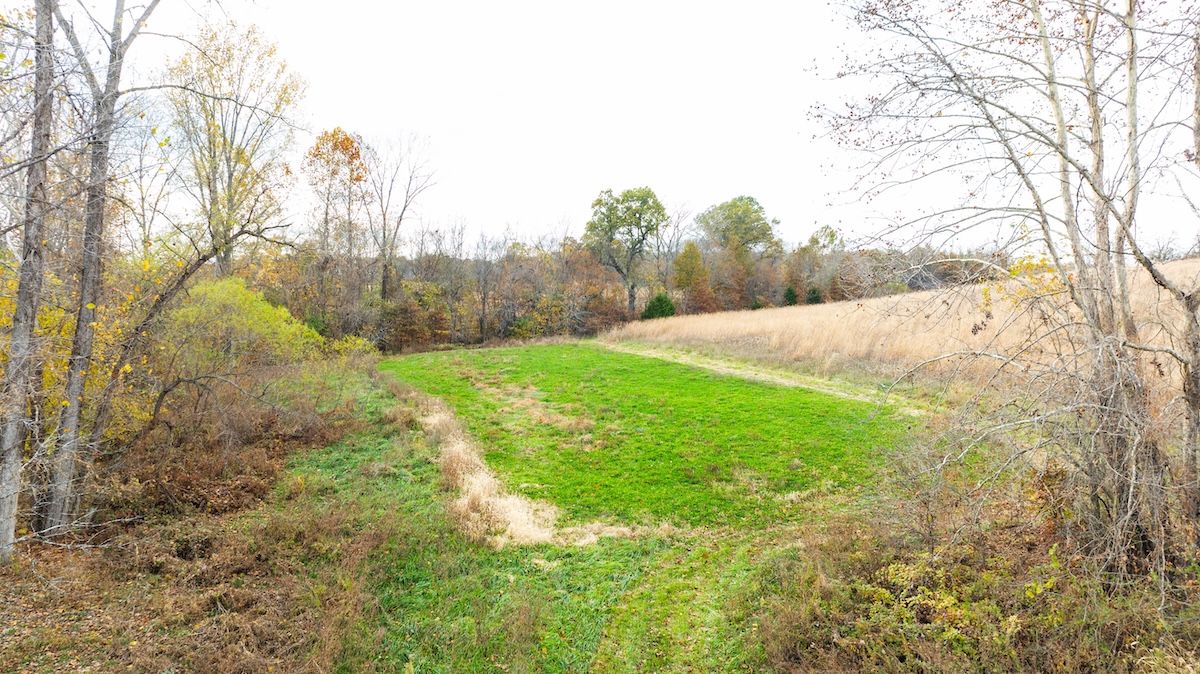
Erosion follows when poor soil management emerges. Allowing erosion to continue and worsen around food plots can lead to negatively impacted land values. To prevent this, it’s pivotal to keep an eye out for these figurative landmines and remedy as needed.
16. Overhunting the Food Plot and Pressuring Deer Off the Property
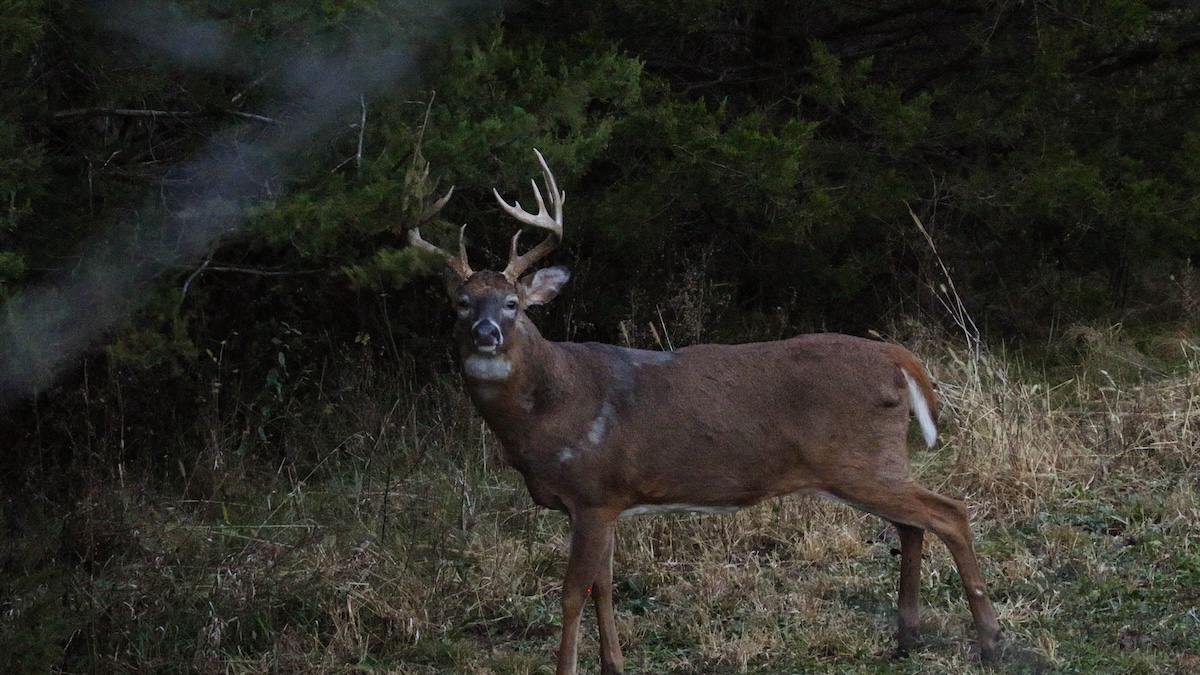
Lastly, hunting food plots too often applies unnecessary hunting pressure on the local deer herd. At best, it can minimize daylight usage by whitetails. At worst, this repeated action can pressure deer off the property entirely.
Contact a Whitetail Properties Land Specialist Today
For landowners looking to sell their land, contact a Whitetail Properties Land Specialist today. We can answer questions and help with your real estate needs. For buyers hoping to purchase land, check out some of the available listings near you.