Hunting
How Mowing Can Improve (Or Hurt) Your Hunting Property
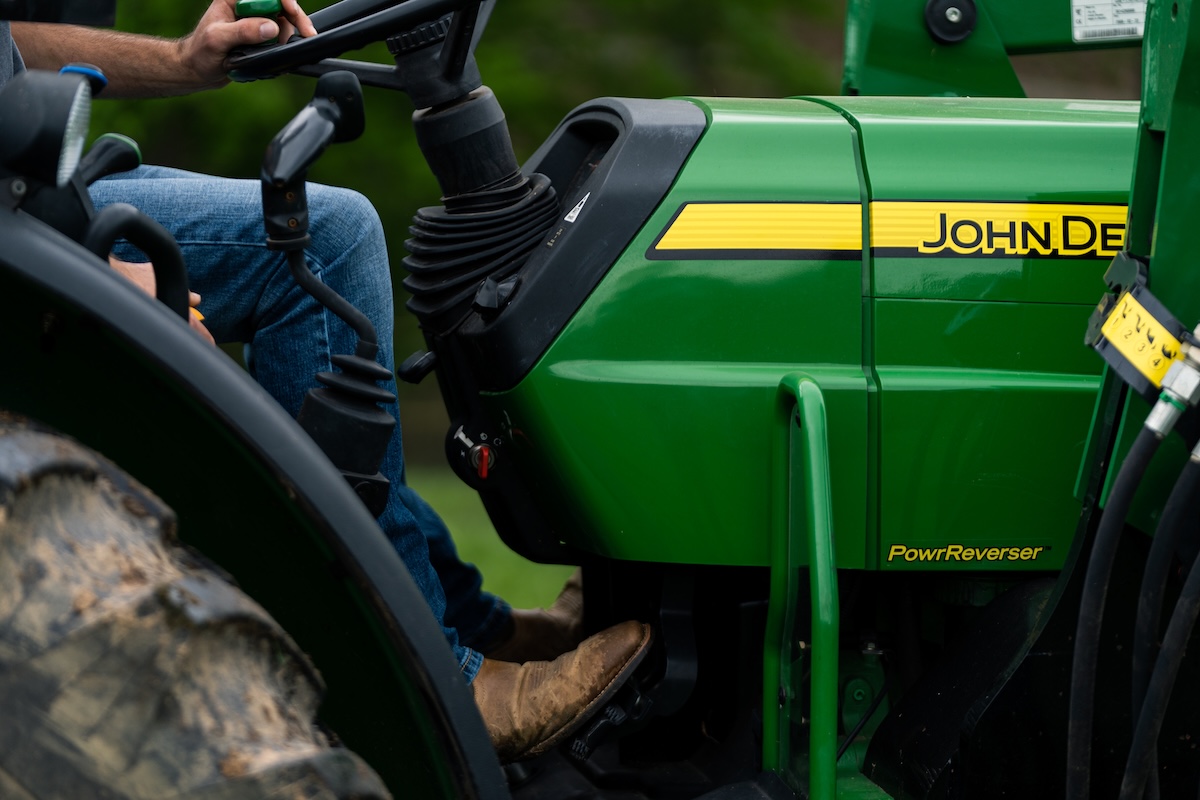
Commonly referred to as “bush hogging” or “brush hogging,” mowing is an important element of land management. Hooking up the tractor and bush hog is a long-held practice in the agricultural and hunting land management spheres. For those considering implementation, here’s how your mowing can improve (or hurt) your hunting property.
Editor’s Note: This is not financial, investment, legal, or real estate advice. Consult with a financial planner, investment specialist, real estate lawyer, and real estate professional before buying or selling real estate.
Mowing vs. Not Mowing Your Hunting Property
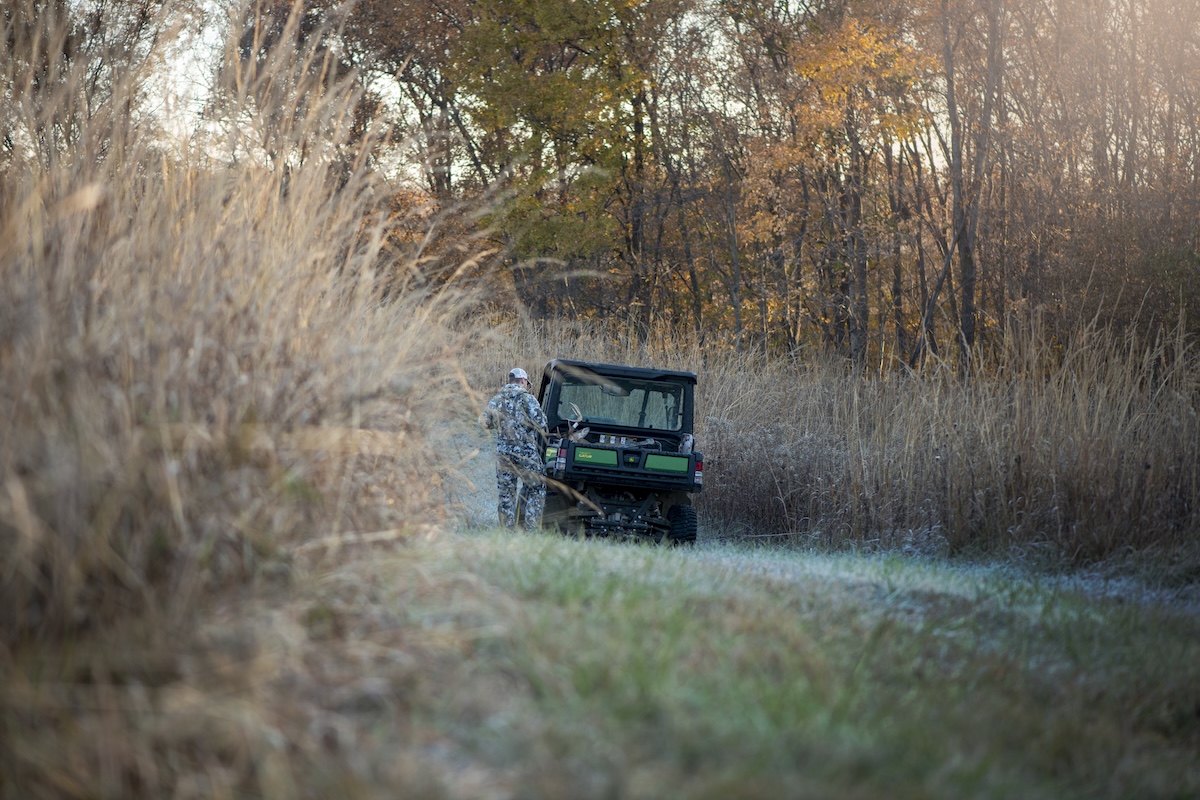
Mowing can be a useful habitat management tool for your hunting land. Oftentimes, it’s the desired method for completing important land management objectives. It can be used for numerous good things, such as:
● Mowing before planting food plots.
● Mowing clover and other food plots for weed management.
● Mowing quiet hunter access trails.
● Manipulating deer and other wildlife travel.
● Managing invasive, non-native plant species.
● Resetting the plant life biological clock.
● And more
These are all positive implementations of mowing on your hunting land. However, there are instances where mowing can become problematic. Without proper planning and deliberate use, mowing can create serious problems.
“You can keep it manicured up by the house,” said Todd Henry with Whitetail Properties in Illinois. “But when you go in and start taking out fencerows and mowing everything down, it opens the property visually.”
That's the opposite of the desired effect. Whitetails, wild turkeys, and other animals need early successional habitat. They require cover and concealment. Moving in and removing all of that via mowing will have undesirable effects on hunting land.
Mowing Before Planting Food Plots
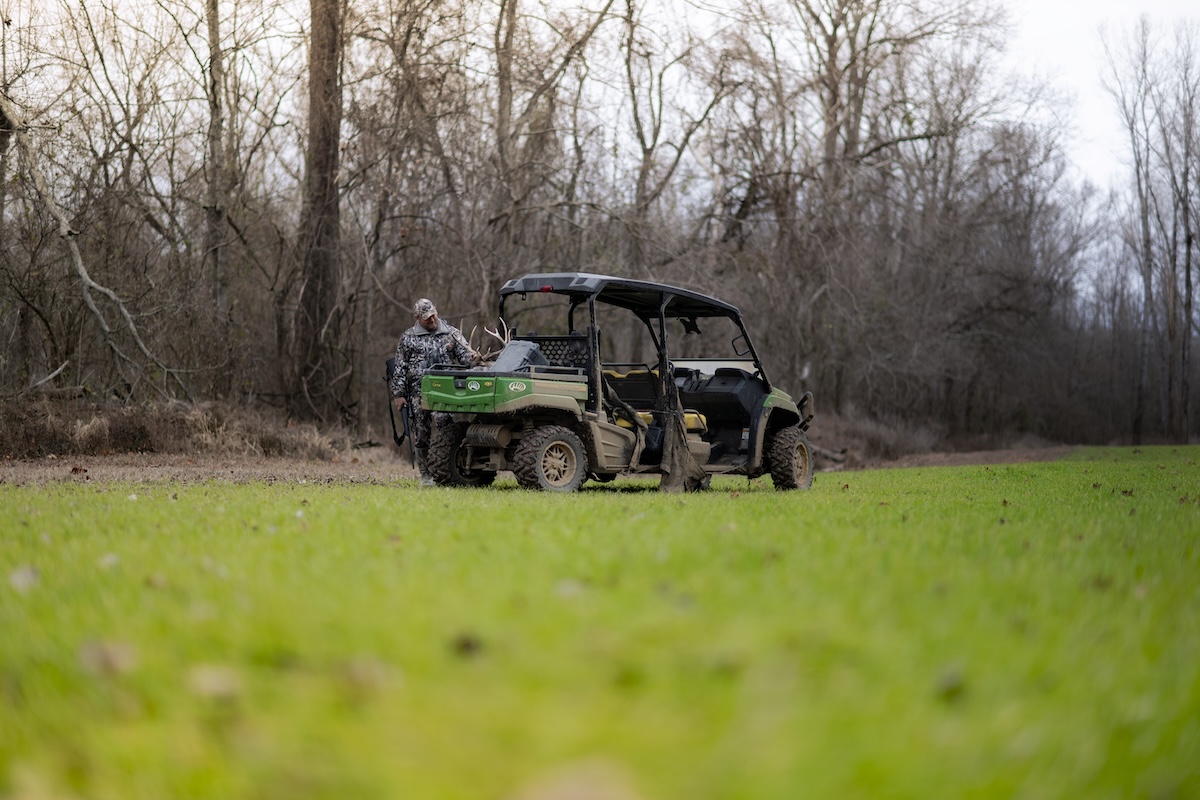
Most land managers mow food plots during the plot prep process. Mowing knocks back the vegetation, helps manage weeds, eases the tilling process, and more. Simply, unless using herbicides and a no-till drill, or frost-seeding clover in winter, mowing before planting food plots is a necessity.
“Certainly, pre-planting maintenance is important,” said Andrew Malott, a Whitetail Properties Land Specialist in Indiana. “Being able to keep up those plots all throughout the spring and summer months — you don't want to wait too late and decide two weeks before you want to plant it that you need to start prep work for that food plot.”
Mowing Clover and Other Food Plots for Weed Management
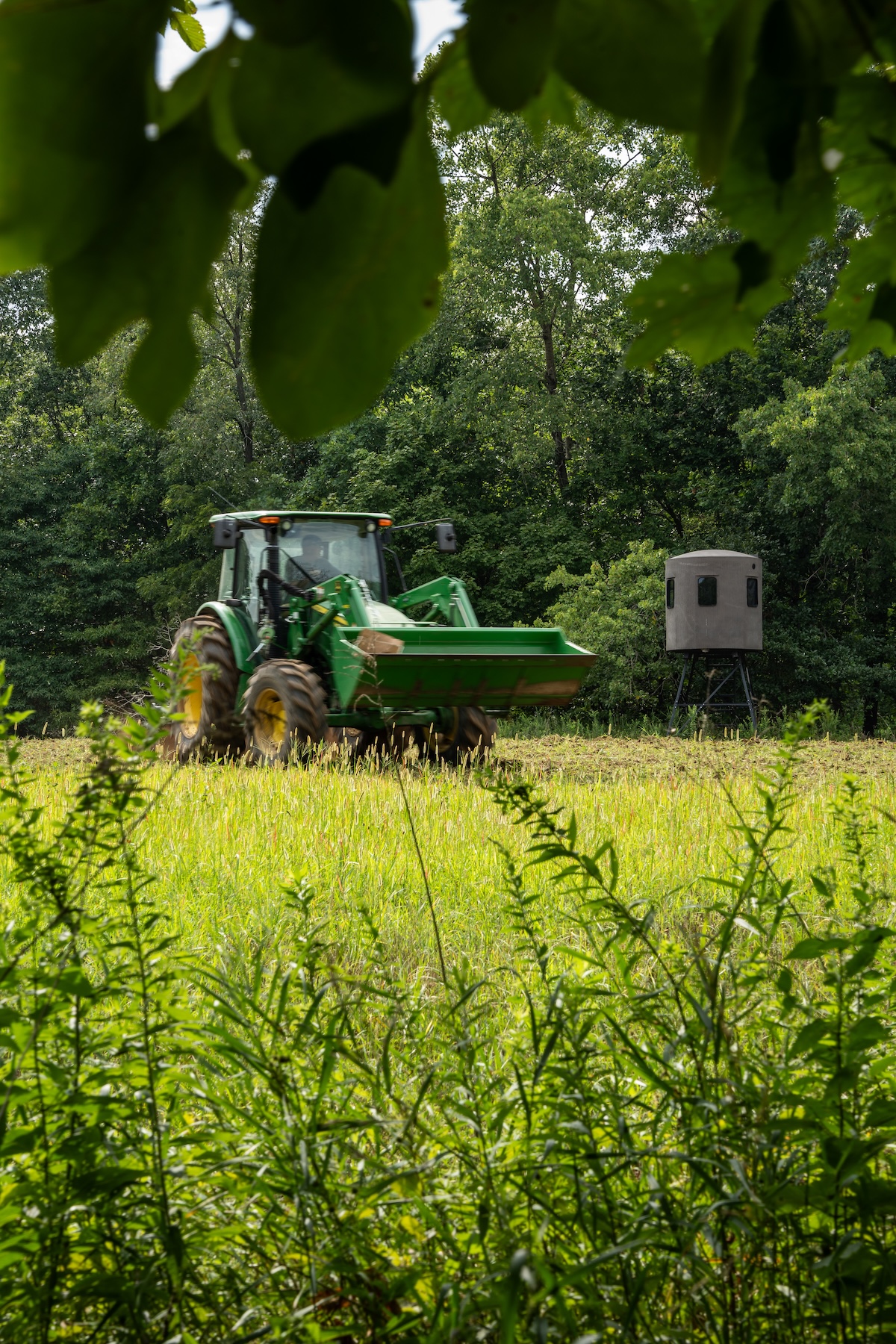
As alluded, mowing food plots (e.g.: clover) assists with weed management. This is especially beneficial in situations where herbicides aren’t permitted or desired. In some situations, mowing can serve as an alternative.
“That’s spraying, mowing, and working the ground,” Malott said. “Stay on that plot continuously. As soon as that vegetation starts coming up in the spring, keep maintaining it throughout the summer. Keep mowing, if you want. Keep it sprayed, that way you're not running into a mess with extremely tall weeds and thick vegetation.”
Of course, it’s important to avoid mowing clover too often, and at the wrong times, to avoid stunted growth or all-out killing of the food plot. Never mow during periods of drought, extreme heat, and other periods of stress. Doing so can lead to poor growth or failed plots.
Even with proper conditions, don’t mow clover too often. Recent research by the University of Tennessee suggests that this practice greatly reduces overall food plot yield, resulting in less tonnage of forage and cover for deer and other wildlife. Only mow when absolutely necessary to maintain weeds, and don’t mow the clover down too low. Mow just high enough to manage the grasses and other unwanted broadleaf plants.
Mowing Quiet Hunter Access Trails
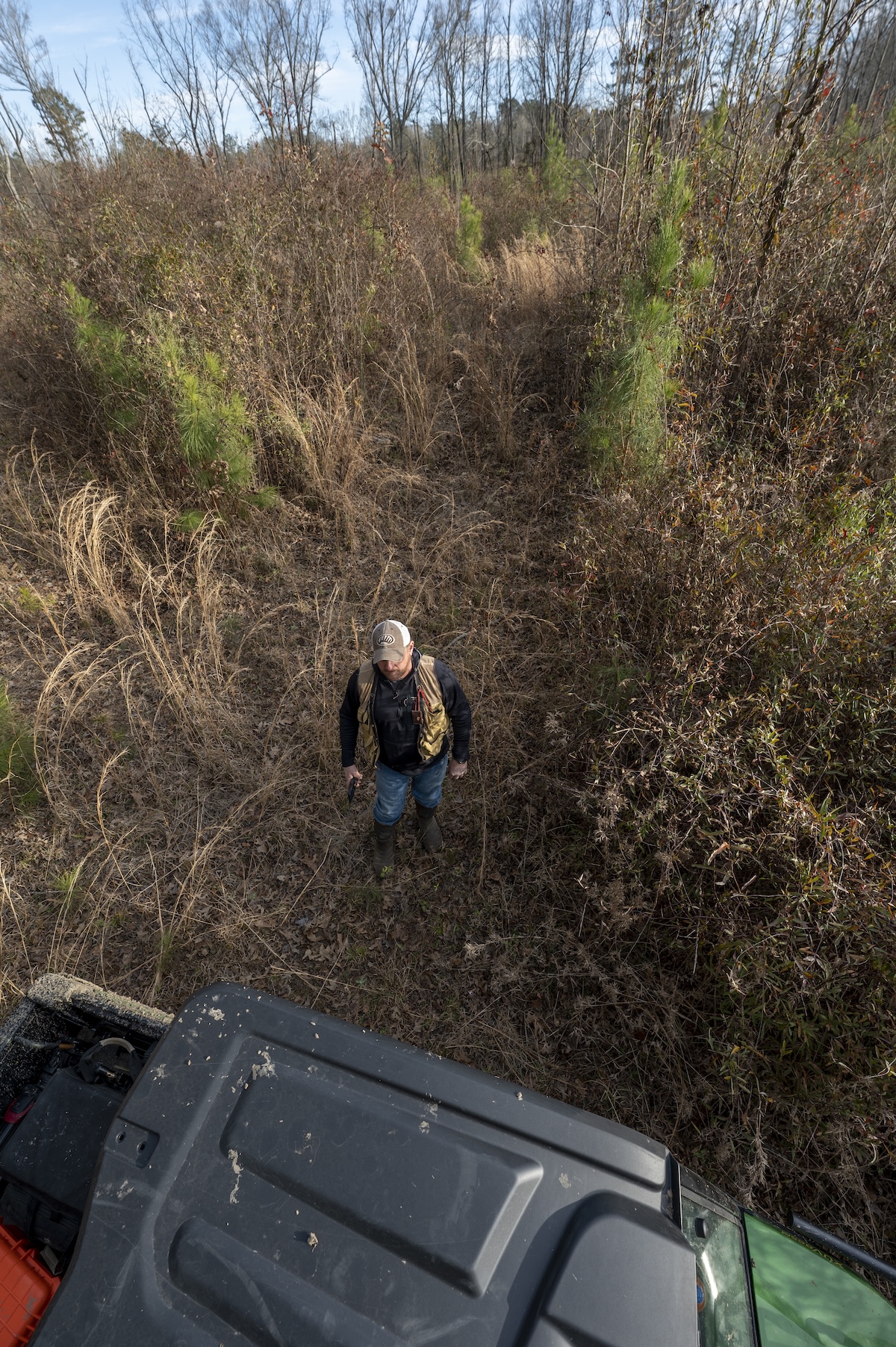
Use mowing to create quiet hunter access paths. Mow hunter access trails in late summer to early fall. Mowing these just prior to hunting season reduces the odds of these growing back to undesirable heights. This makes it easier to navigate hunting properties, quietly reach blinds and treestands, and leave behind less ground scent.
Manipulating Deer and Other Wildlife Travel
Mow strategic paths to steer deer along desirable lines of movement. For example, mow 15-ft wide trails for deer to use along routes that are advantageous for your hunting efforts. Use these paths to connect bedding areas with destination food and water sources. Making these in organic, winding shapes that feel more natural to deer. Do not create hard angles and geometric shapes.
Managing Invasive, Non-Native Plant Species
Mowing is a great method for preventing unwanted plants from seeding out and creating more of them. Well-timed mowings prior to plants producing viable seeds minimizes the likelihood of these producing more undesirable plant life.
“People see some invasives and think they make really thick cover for deer bedding,” Ross continued. “And that's true. There is nothing to say that you can't manage some pockets of your property that actually have that stuff. It's just a matter of realizing what they're taking away.”
Just a few common invasive, non-native plant species to watch for include: autumn olive, Bermuda grass, bush honeysuckle, Chinaberry, Chinese climbing fern, Chinese privet, Chinese and Japanese wisteria, Cogan grass, English ivy, European buckthorn, Japanese barberry, Japanese, knotweed, Japanese stilt grass, kudzu, multiflora rose, sericea lespedeza, tree of heaven, winged euonymus (burning bush), and much more.
“There is a lot of information about these and how to manage them,” Ross said. “I know there are always discussions about invasive plants and whether or not we can truly remove them all.”
“A lot of these plants are just a fact of life,” Ross continued. “They're here. It shouldn't be perceived as a realistic thing that you will completely remove them permanently, and they're naturalized now. They're here. It's just a matter of life managing them so that they are not at a level where it prevents some of the more beneficial plants from being there.
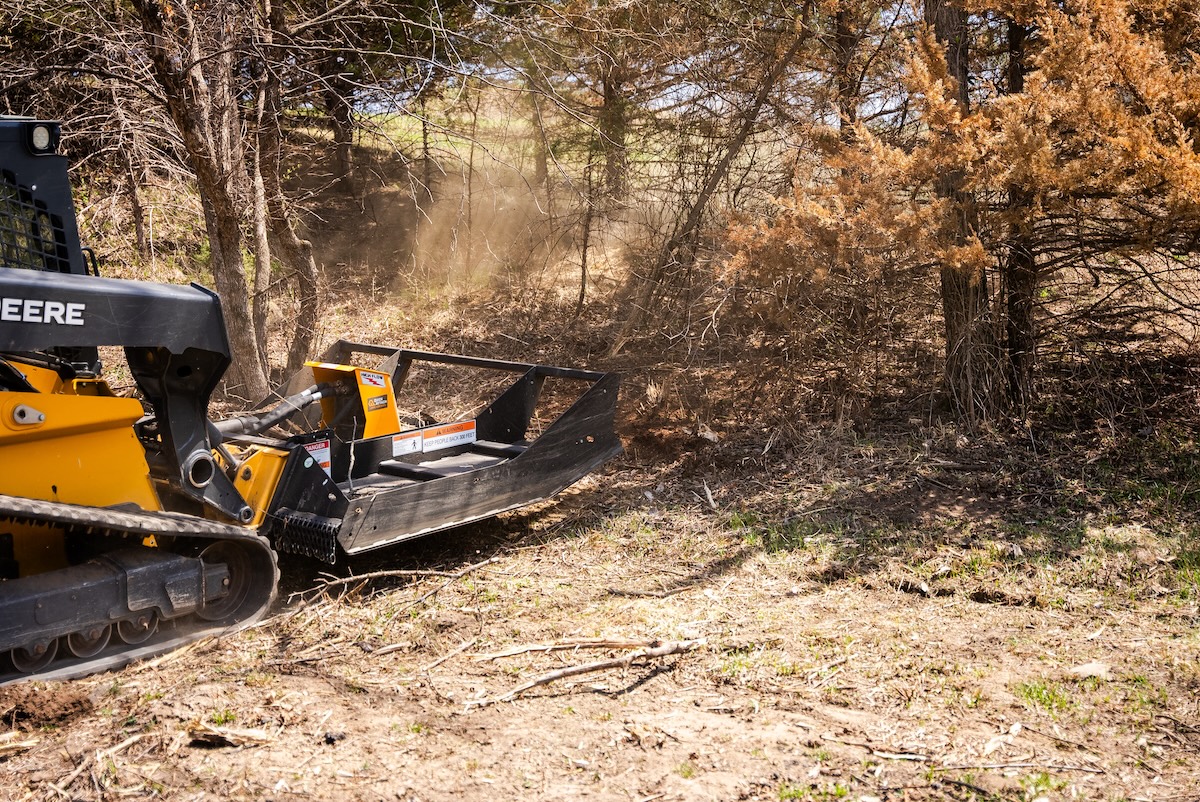
Those looking to conduct their own land management projects need durable equipment. Quick Attach has an entire new lineup of durable offerings, including its brush mower, box blade, disc harrow, cultipacker, rake, grapple, high-capacity bucket, etc.
Resetting the Plant Life Biological Clock (When Needed)
Use mowing to reset the plant life biological clock. When needed, this is a viable way to maintain early successional habitat on your property. This maintains a percentage of your acreage in ground-level habitat that deer, turkeys, and other wildlife need to survive and thrive.
When, Where, and How NOT to Mow Your Hunting Property
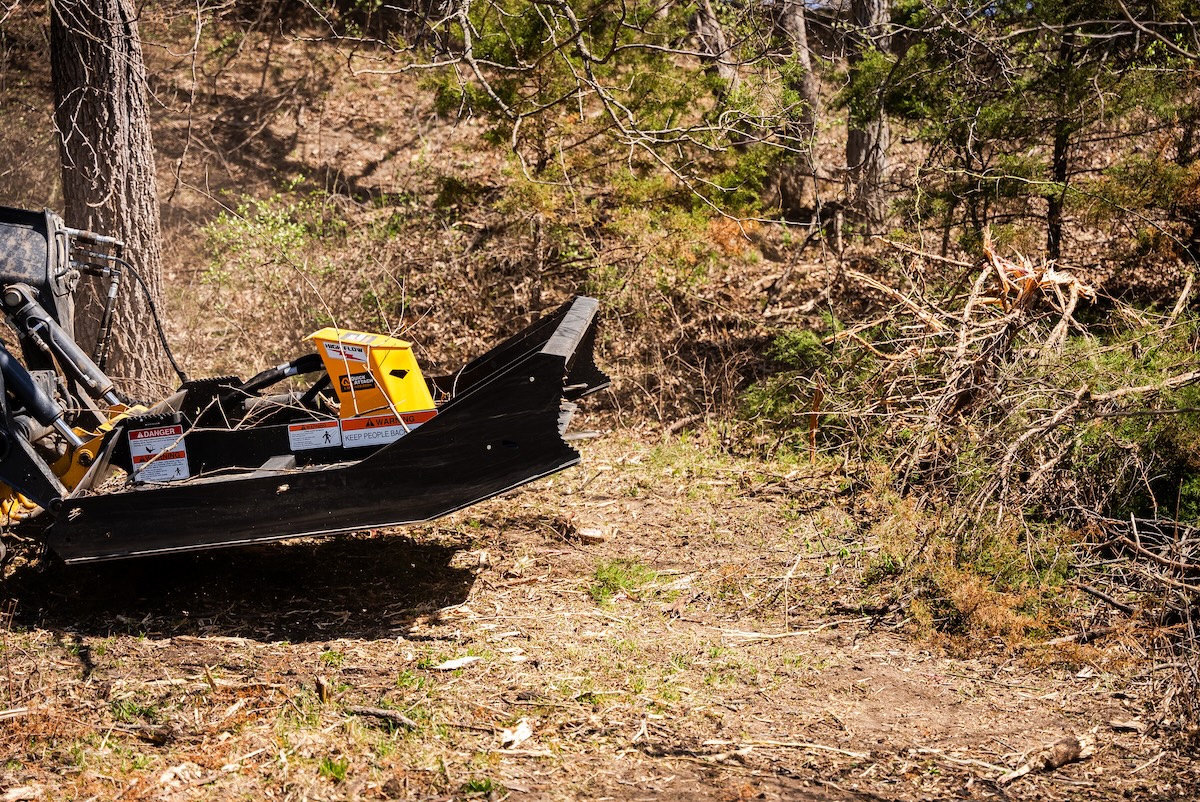
There are times, places, and manners in which you should not mow your hunting property. Don’t mow during fawning, nesting, and brooding season. More specifically, don’t mow during the months of April, May, or June. These are peak fawning and nesting periods. Cutting brush, even low-level grasses, can result in dead deer and turkeys.
Instead, mow mid- to late-summer to manage weeds and unwanted plants while minimizing the odds of negatively impacting fawns, poults, and other wildlife.
For some, there is a mowing cutoff date. For those managing native grasses, don’t mow beyond early September. This increases the grasses ability to recover and build strength before going into the winter season. Proper management leads to earlier and faster regrowth in the spring.
In contrast, depending on goals, it’s good to mow during the winter season. For example, consider mowing small woody saplings in winter (before spring green-up), which reduces the chances of these returning and assists with building soil organic matter.
Implement rotational mowing on multi-year cycles. This ensures the property always offers a percentage of its acreage in much-needed early successional habitat. This offers vital bedding cover, escape cover, fawning areas, nesting cover, brooding areas, and food sources for all wildlife.
Contrary to popular opinion, don’t create small, narrow strips of thick cover, though. These can create kill zones that predators, such as bobcats and coyotes, easily and routinely cruise. This effectively makes it simpler for predators to kill deer, turkeys, and other prey animals.
Furthermore, when mowing, select mower deck height based on specific objectives. For example, if planning to work a fallow field to plant a food plot, mow very low. If merely mowing native grasses on a two- to three-year rotation, mow about 10-12 inches high, which protects the plants, shields the roots, and allows for faster regrowth.
Looking to Sell? Clean Up Your Property. Call Whitetail Properties.
Those looking to sell their land should first clean up their property. Mow overgrown areas closer to the road and around structures. Clean up scrap metal. Remove dilapidated structures. Repair damaged buildings. Complete other projects as needed.
“Clean up any junk that’s laying around. Complete any unfinished projects,” said Ashley Kurtenbach, a Whitetail Properties Land Specialist in South Dakota. “Clean up clutter around the yard and any junk in the vicinity. I even like to have equipment moved and staged before I photograph it.”
That rule applies to mowing that ugly, ½-acre patch of head-high grass right beside the barn that doesn’t house anything but rats and rat snakes, too. Clean up close to the road, but let it thicken up throughout the farm. That way, it looks good upon arrival and hunts great when you get there.