Hunting
How to Find Hunting Land for Sale That Fits Your Budget
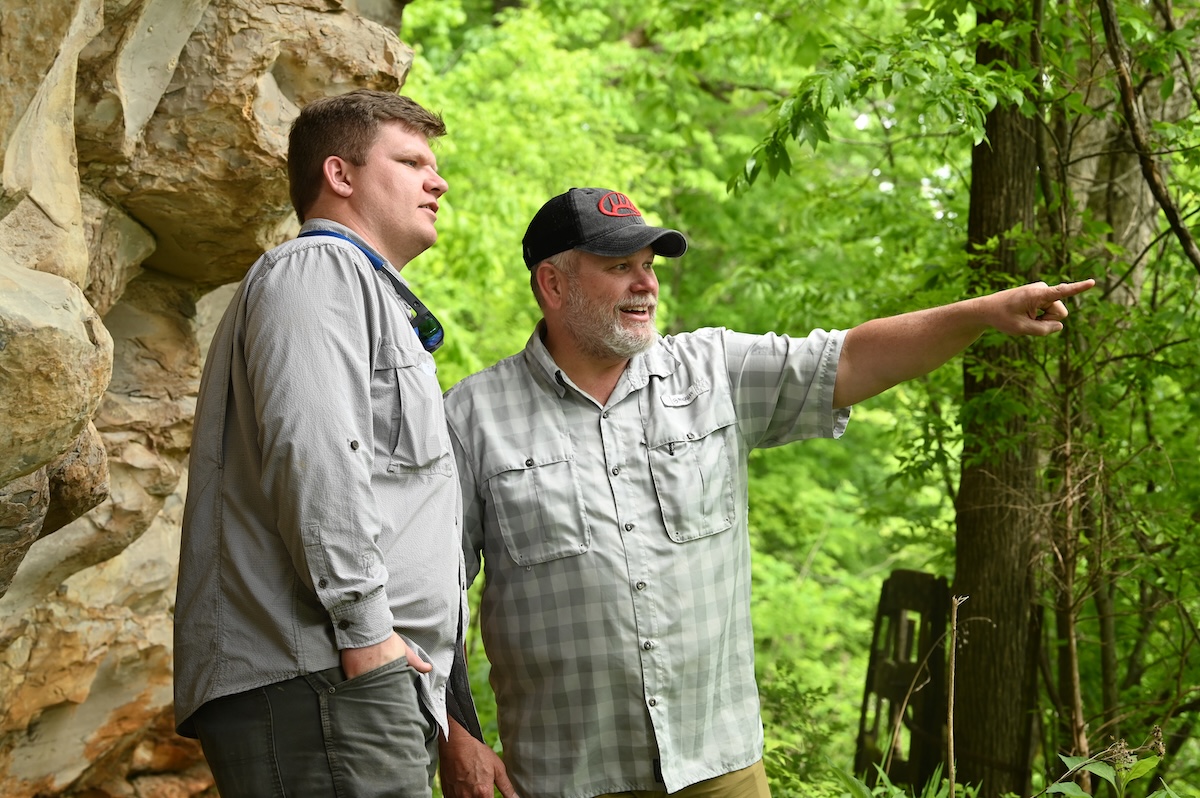
Checking websites. Scrolling listings. Calling real estate agents. Driving roads. Looking for auction signs. Seeing social media ads. Receiving e-blasts. Hearing from word of mouth. There are dozens of ways to find hunting land for sale.
Still, those new to landownership might ask the big question, how do you find land for sale that fits your budget? Rest assured, finding hunting property for sale that you like might take time. The more challenging thing? Depending on available funds, it’s learning how to find hunting land for sale that fits your budget.
Without a doubt, land prices continue to rise. That’s great for everyone, especially sellers, but for those who aren’t already in the market, spiking prices and tightening budgets can prove unsettling. So, here are practical steps to find affordable land that can meet your hunting goals. Here’s how to go about buying hunting land in your price range.
Editor’s Note: This is not financial, investment, legal, or real estate advice. Consult with a financial planner, investment specialist, real estate lawyer, and real estate professional before buying or selling real estate.
Step 1: Set a Realistic Budget and Financing Plan
The first step in finding hunting land you can afford is setting a realistic budget. What funds are available? What’s the maximum down payment you can reasonably deploy without overextending?
Or, you’re experienced at sorting through web listings and still can’t seem to find a good deal? Yeah, those are much less common now. The world is awake to the true costs of land, and it isn’t cheap as in decades past. Justin Mason, a Whitetail Properties Land Specialist in western Kentucky, agrees that there used to be far more land bargains than there are now.
“There used to be a lot of land bargains, but I don’t see nearly as many as I did 10 years ago,” Mason said. “Before the advent of the internet, as active as it is, and with tools like onX, people were aggressively seeking private landowners. But a buyer’s agent is going to do the right things to represent them correctly.”
Additionally, calculate total costs beyond the purchase price. This includes taxes, insurance, maintenance, and more. Next, explore specialized rural lenders and farm credit services, such as Rural 1st. Then, discuss lower-cost land-buying alternatives, such as group purchases or buying with family or friends.
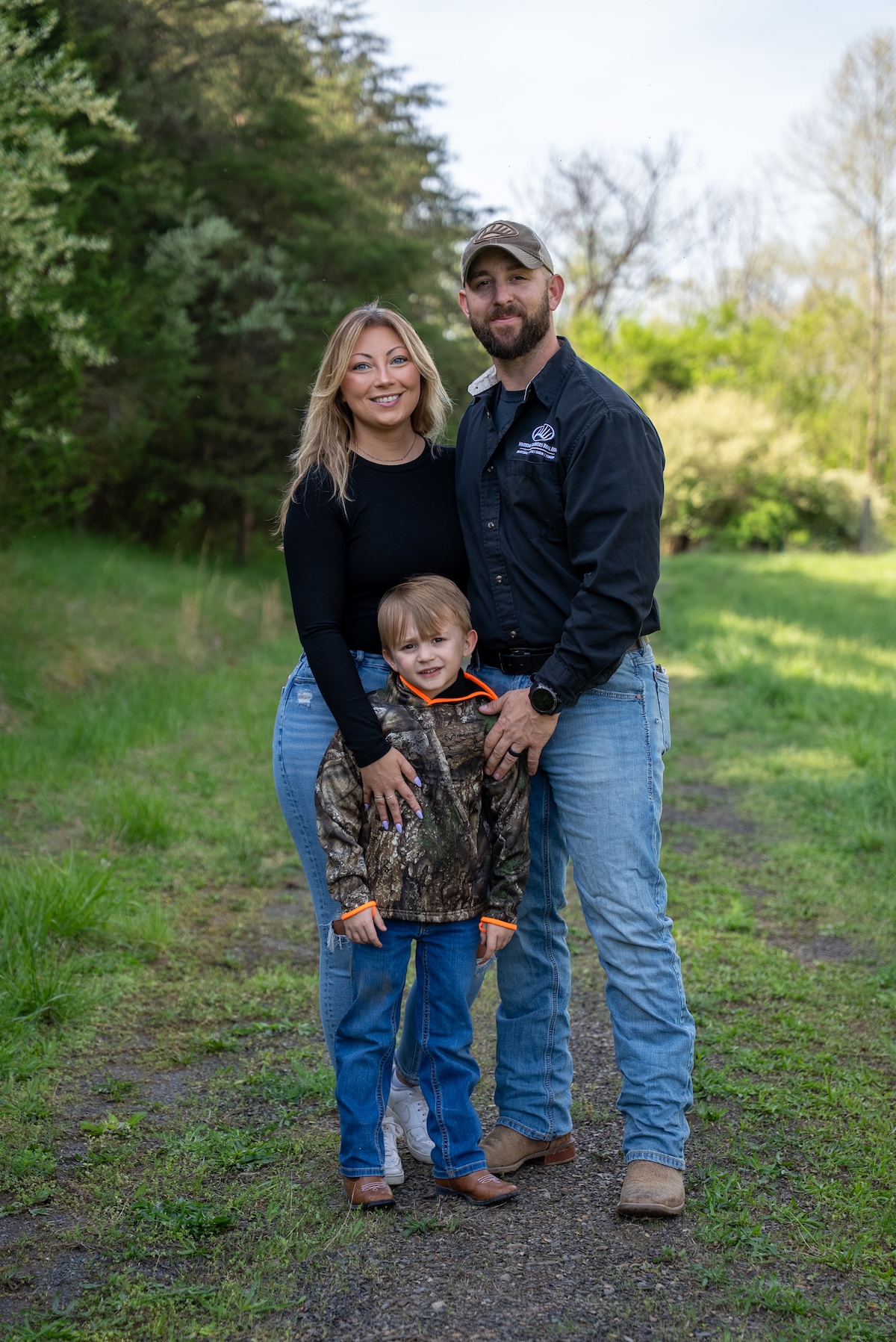
Need additional assistance with financing? Go with a trusted source, such as Loan Officer Emily Stamper with Rural 1st. These individuals are professionals, and they can determine with efficiency what you can and can’t afford.
Stamper says, a lot of the time, an agent will ask about the budget. The buyers say it’s $500,000, but they visit with her, they run some numbers, and that budget is only $250,000. Factor in down payment, debt-to-income ratio, and other various elements, and numbers change quickly. Conversely, you might learn you can handle a larger loan than previously expected.
Worried about the down payment? Stamper can help map out that, too. Analyze the many creative solutions available. Maybe pull equity out of another property. Perhaps use timber sales as the down payment. Whatever the case, there are ways to navigate challenges.
Visit the Rural 1st website. Select the loan inquiry form. Submit basic information (e.g.: zip code, phone number, etc. Then, an experienced loan officer familiar with your area should contact you (typically) within 24 hours.
Once all of the big questions are answered, and scenarios considered, it’s time to look into financing that’s budget friendly and works for you.
Step 2: Know Where to Search for Affordable Acreage
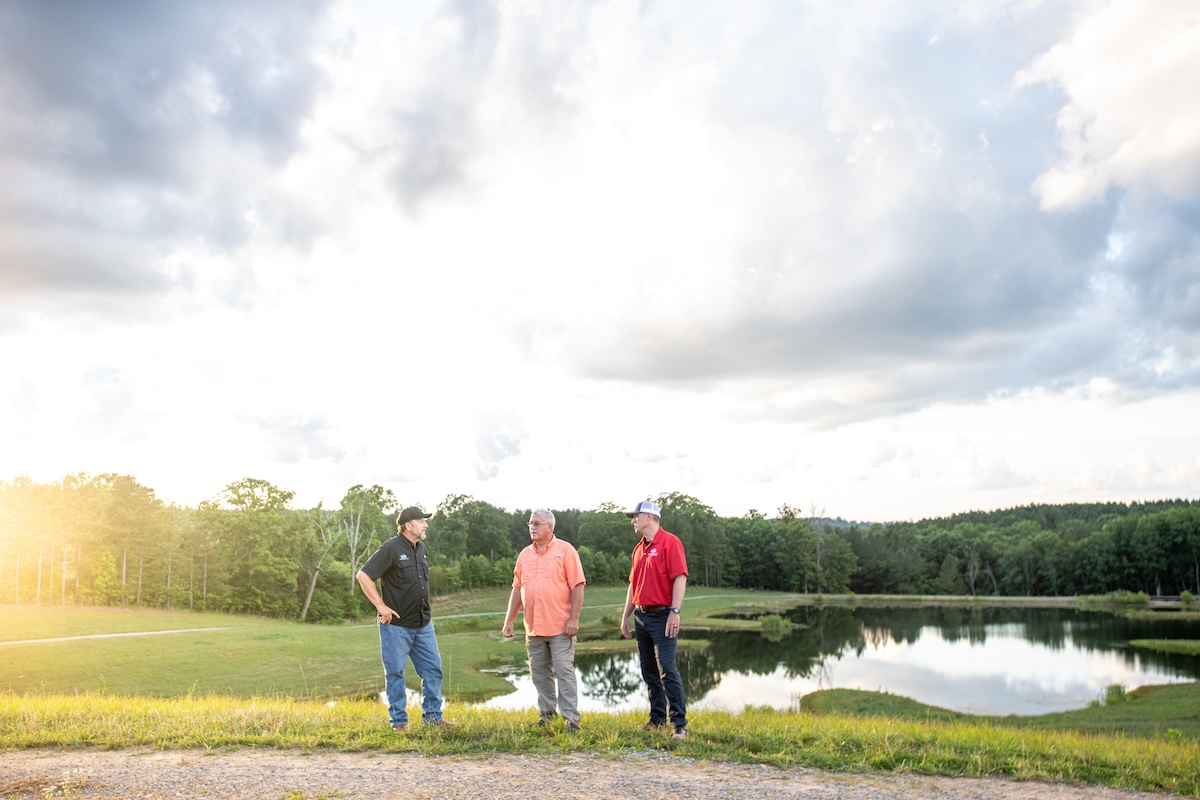
There are numerous ways to find properties that work for your budget. Start by using online real estate platforms filtered for rural properties, such as Whitetail Properties. We are dedicated to rural properties, many of which are perfect for hunting.
Listings aside, look for off-market deals through local county tax offices. Zoom around on your favorite hunting app with the landowner information layer turned on. Ask around word-of-mouth for potential sellers. Talk to farmers and landowners at the local diner. You just might find someone willing to sell.
Without question, contact your local real estate agent who specializes in recreational land. In most areas, that person is a Whitetail Properties Land Specialist. These individuals are more than your typical real estate agent. They have the needed expertise, drive, and character to go above and beyond and truly assist buyers.
One of the most important ways to improve return on investment (ROI) is looking just outside of prime areas. Spots often referred to as “blue-chip” investments sell at a premium that’s not feasible or attainable for most hunters. These properties might have lower visual appeal, more challenges to remedy, and more. Buyers often overlook the tracts that require some sweat to whip them into shape. These are the properties with deals, though.
Step 3: Evaluate the Land Before You Buy It
No matter how good the deal appears on the surface, get into the weeds and verify it. Step No. 3 requires evaluating the land before you buy it. This is a lengthy process and not one to take lightly. Once again, a Land Specialist streamlines this phase of the search and helps find the right deal for you.
Once a property is found, study the legal access and ensure you can reach the property. It needs either road frontage or a deeded legal easement. There is no other alternative.
Assess timber value for current and potential future revenue. They can impact per-acre values greatly. Finding property already stripped of most timber value can help you get into a farm at a notably lower price point. These deals are out there. It just takes time and effort to find them.
Graeb notes that conservation programs, such as the Conservation Reserve Programs (CRP) are quite common. In some areas, a significant percentage of local land is already enrolled in these conservation easements with the NRCS. Take certain grasslands or wetlands easements, for example. Buying these properties with short-term and long-term plans can deliver significant discounts compared to land without easements. Oftentimes, these properties are raw, and they routinely go for much less than market value of properties without the perpetual easement attached to them.
Next, gauge wildlife habitat quality. It should offer a mix of early successional cover, open timber, fields, and more. Deer and other animals are edge creatures, meaning they thrive on diversity. Bedding, food sources, water sources, and security — these are the four basic needs of whitetails and most other animals.
Search for good bedding. Deer use different areas throughout the year. For example, during warmer months, it might be north-facing slopes (the least direct sunlight), near water sources, and in low-lying areas. In the coldest, that switches to south-facing slopes with the most direct sunlight (solar bedding) or a dense stand of conifers, such as cedar, spruce, or pines (thermal bedding). The holy grail of deer bedding? Spots that provide overlapping solar and thermal bedding.
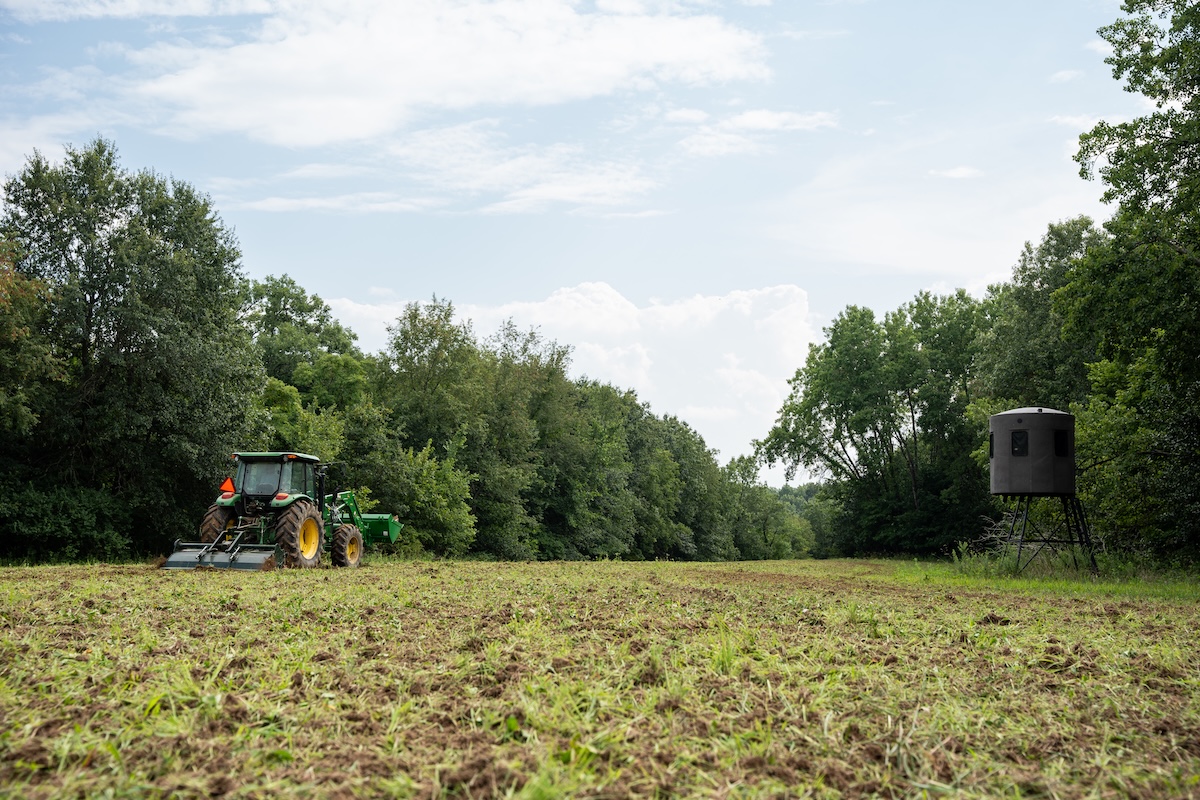
Scout for food sources, too. Deer must eat, and they consume a lot of grub. Walk the landscape in search of ag crops, food plots, soft mast, hard mast, natural browse, and more. These are important components of annual deer diets.
Examine water sources as well. Are there creeks, streams, rivers, ponds, or lakes on it? Deer require good sources that offer seclusion. It’s one of the basic needs of whitetails and other game animals.
Once back in the office, read up on current and incoming hunting regulations. This can help you determine if the property (area) is compatible with your hunting style, or not.
Additionally, verify local zoning laws. Study the building restrictions. Ensure your intended use for the property is viable under the written law.
Step 4: Negotiate and Close the Real Estate Deal
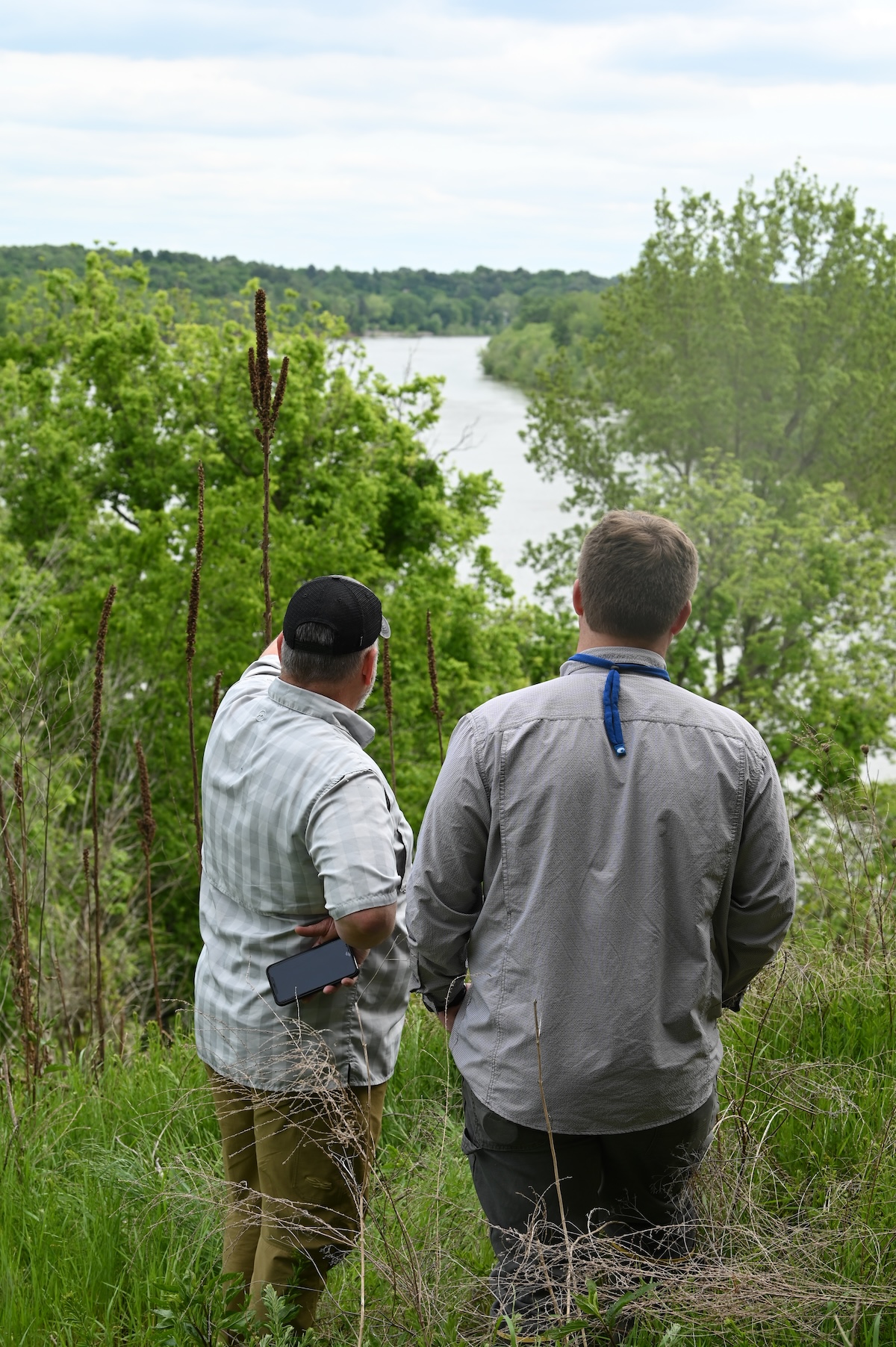
Every successful purchase involves a solid negotiation process. Make the seller an offer based on comparable recent land sales in the area. Don’t disrespect them with lowballing. Make offers in a manner that works for you and them and leaves room for negotiating until you settle on a number. Of course, incorporate contingency plans for land surveys, soil tests, title checks, etc. If everything clears, finalize the purchase with the help of a Land Specialist.
Whitetail Properties Land Specialist Jeff Propst has been with the company for nearly 20 years. He has a long list of contacts. As a more seasoned Land Specialist, he says he sometimes finds properties that aren’t even on the market yet. Oftentimes, random real estate agents without understanding and the right network can’t do that. With Propst, many properties go under contract and sell that were never listed on public sites. That’s the power of working with a buyer’s agent.
When someone goes to him and says they’re interested in a certain property type, or in buying a specific farm, he can help find it and help close the deal. This is a direct result of longevity in the business and having accumulated contacts.
Graeb agrees and says it’s vital to have someone who knows the land, and more specifically, the type of land you wish to add to your portfolio. Mason gets similar calls. If needed, he, and all other Land Specialists, introduce the respective parties and kickstart discussions.
Step 5: Invest the Required Sweat Equity
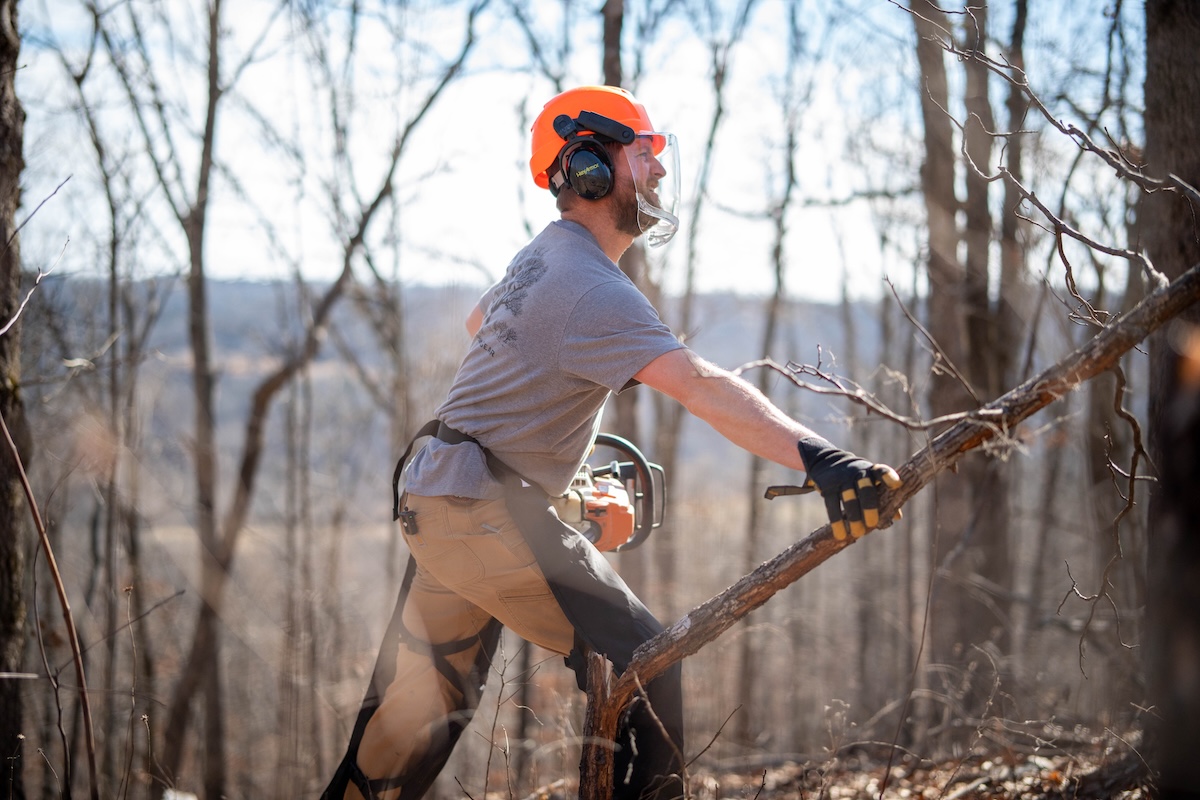
Those buying hunting land on a budget are likely purchasing land that’s rawer and requires more work to overcome challenges. That demands personally investing the required time and sweat equity to remedy issues, because paying others to complete it tends to eat into key savings from the budgeted sales price. Of course, invest money into the property as needed to accomplish goals, improve the landscape, and raise its value.
Most budget properties haven’t been developed. There aren’t many (if any) trails, food plots, or hunting blinds deployed. Furthermore, they don’t have survey data, trail camera photos, big deer harvested on the farm, etc.
Furthermore, once the work is done, Graeb says a solid harvest history can push prices higher, which is great for sellers and can serve as cheap insurance to the inquiring buyers. This doesn’t happen overnight, and rarely in one season. Rather, it might span four or five years of honing the property layout and designs.
Work With a Whitetail Properties Land Specialist
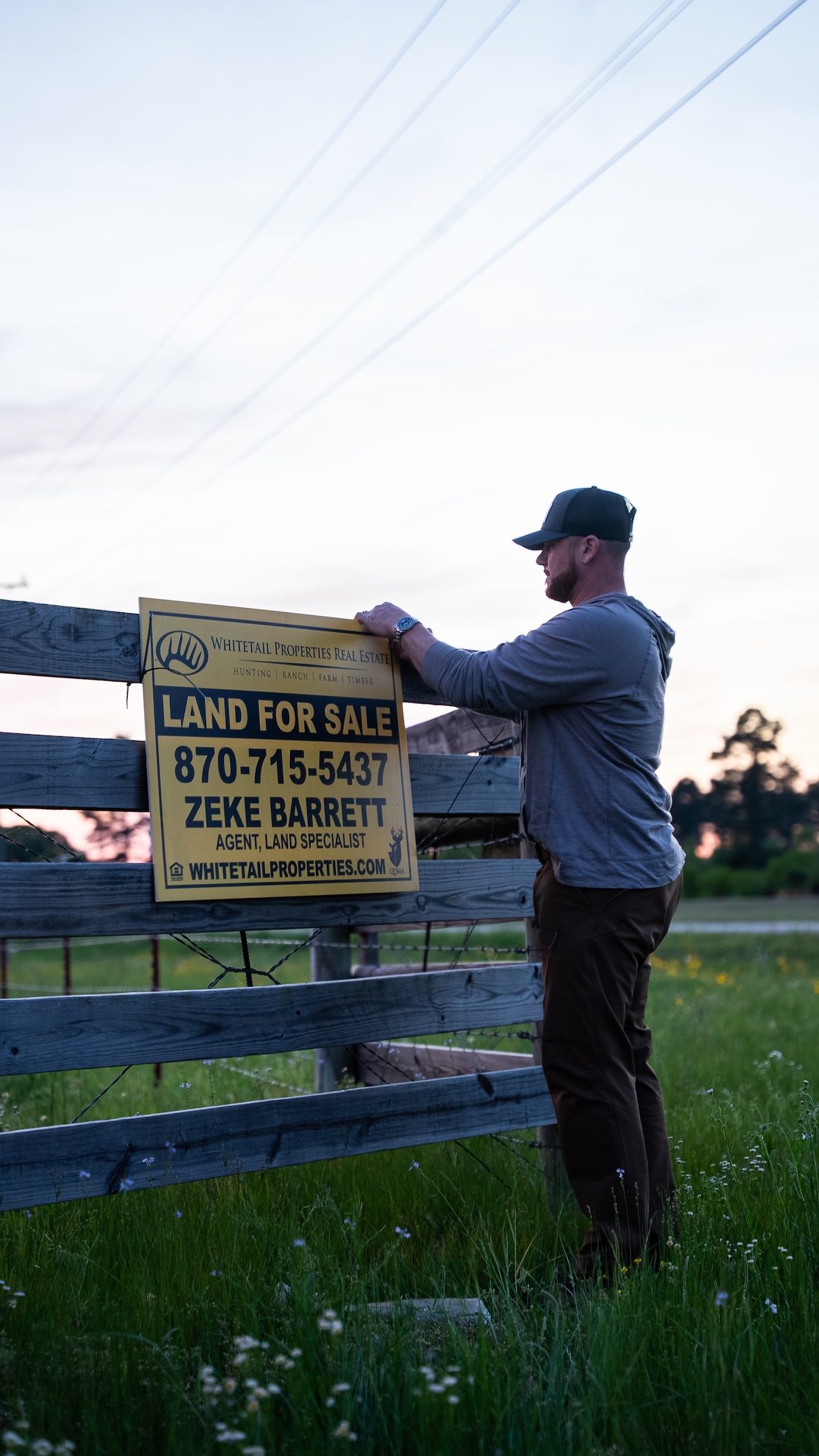
Real estate takes time, knowledge, and understanding of this highly nuanced market. Even so, start looking for the right property for you. If you need assistance, reach out to a Whitetail Properties Land Specialist who can assist you with the search.
Not sure if a property is perfect for you? Don’t worry. It rarely will be. Find one that checks at least enough boxes to move forward. When possible, go ahead and buy something within your budget. If it ends up being the wrong one down the road, simply sell it and move on. That said, it’s OK to start small with a lower-acreage recreational tract. Over time, you can sell it, use the 1031 exchange and roll all of the funds into a larger property.
“Buy the property that fits today. Don’t spend years waiting for the perfect property,” said Andrew Malott, a Whitetail Properties Land Specialist in Indiana. “Find a solid property that fits your budget and your goals now. As your circumstances change, you can always sell and move into the next property down the road. The perfect property may not be the one you start with—it may be the one you grow into.”
In reflection, if you’ve struggled to find affordable hunting land, don’t give up. It’s possible to find hunting land for sale that fits your budget. Take the right steps. Find the right property for you. And you’ll be enjoying the land in no time.