Farm & Ranch
What to Look for When Buying Farm Land
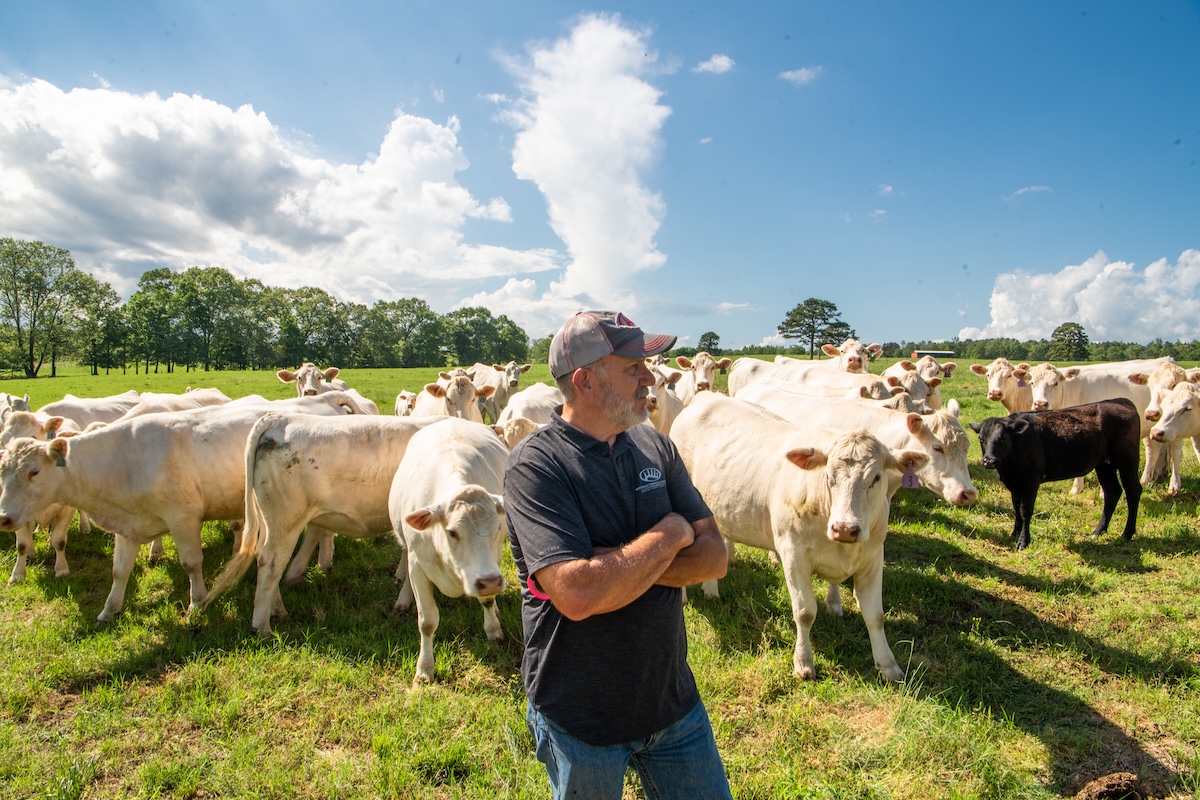
The long-term value of real estate is an eye-opening investment class that many people shouldn’t overlook. But those looking to purchase property must know what to look for when buying farm land. All farm lands for sale aren’t created equal. Some are better suited for one thing, or another. If you’re preparing to buy farm land, there are certain practices to implement and land characteristics to look for.
Tim Kent, a Whitetail Properties Land Specialist in New York, notes that tillable acreage continues to escalate in value. Oftentimes, this is transitional land, which means it can oftentimes serve as agricultural, development, or even residential real estate. Many of these multi-use tracts continue to rise in value.
Ashley Kurtenbach, a Whitetail Properties Land Specialist in South Dakota, agrees that land prices continue to rise. She emphasizes that, “they aren’t making any more of it.” She says, for those wanting to get into real estate, they shouldn’t wait too long to get in. Land is being divided out and gobbled up rather quickly.
Kent expresses that he prefers to own things he can touch and hold. In most situations, there is no better option than land. With real estate, you own it. You can use it. In many ways, you can control it. If you feel the same, read on and learn what to look for when buying farm land.
Editor’s Note: This is not financial, investment, legal, or real estate advice. Consult with a financial planner, investment specialist, real estate lawyer, and real estate professional before buying or selling real estate.
1. Check Soil Type, Quality, and Drainage
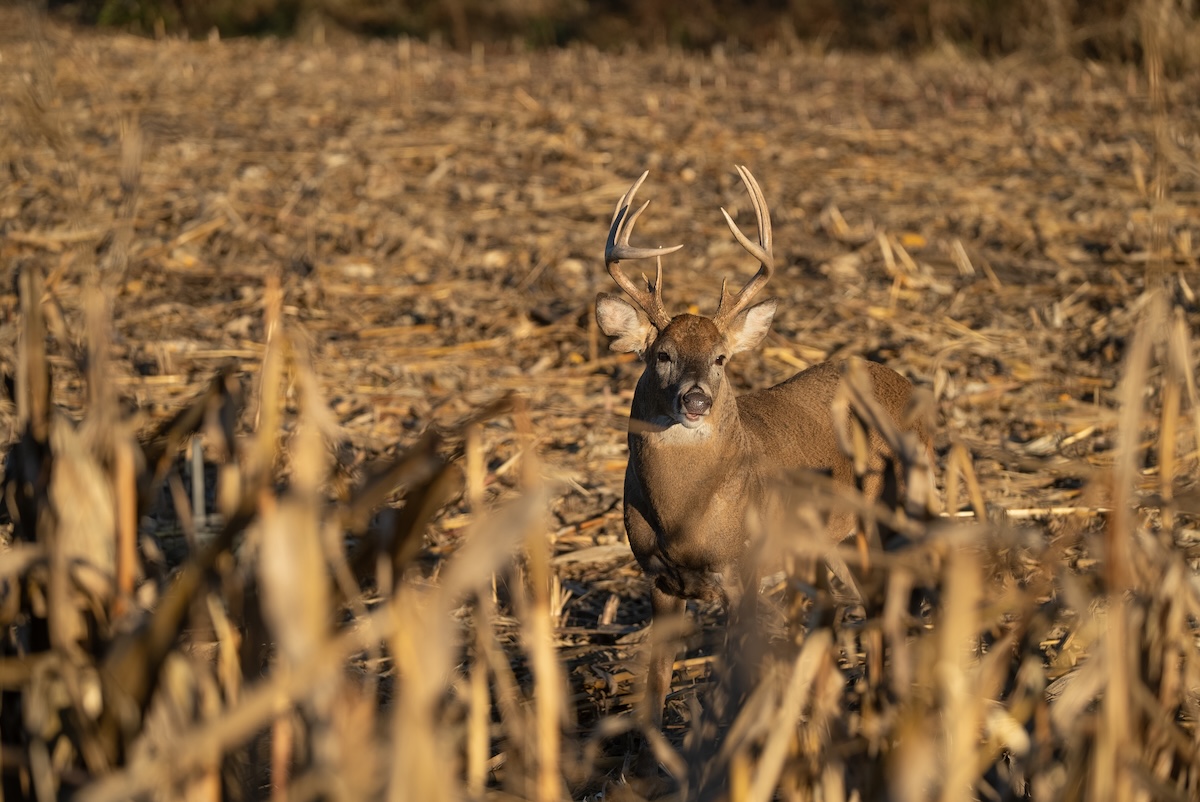
Most people look at what’s above the surface when analyzing property to buy. However, it's what’s below ground level that often matters more. Soil type, soil quality, and drainage are significant factors. It’s these things that impact farming as much or more than any other part of the equation. So, conduct soil testing for nutrients, pH balance, and compaction. Additionally, read USDA soil survey maps for capability classifications.
“From an agronomy perspective, soil types, soil ratings, etc., are important” said Andrew Malott, a Whitetail Properties Land Specialist in northern Indiana. “There are different scales depending on types of crops, soil rating productivity, and more.”
“A landowner, seller, or buyer can look at these values, and then talk to a local co-op,” Malott continued. “Consult with the local FSA or NRCS office. There are plenty of websites you can look up, such as Web Soil Survey. It will provide you with a lot of soil data, and what your property consists of.”
2. Study Water Rights and Availability
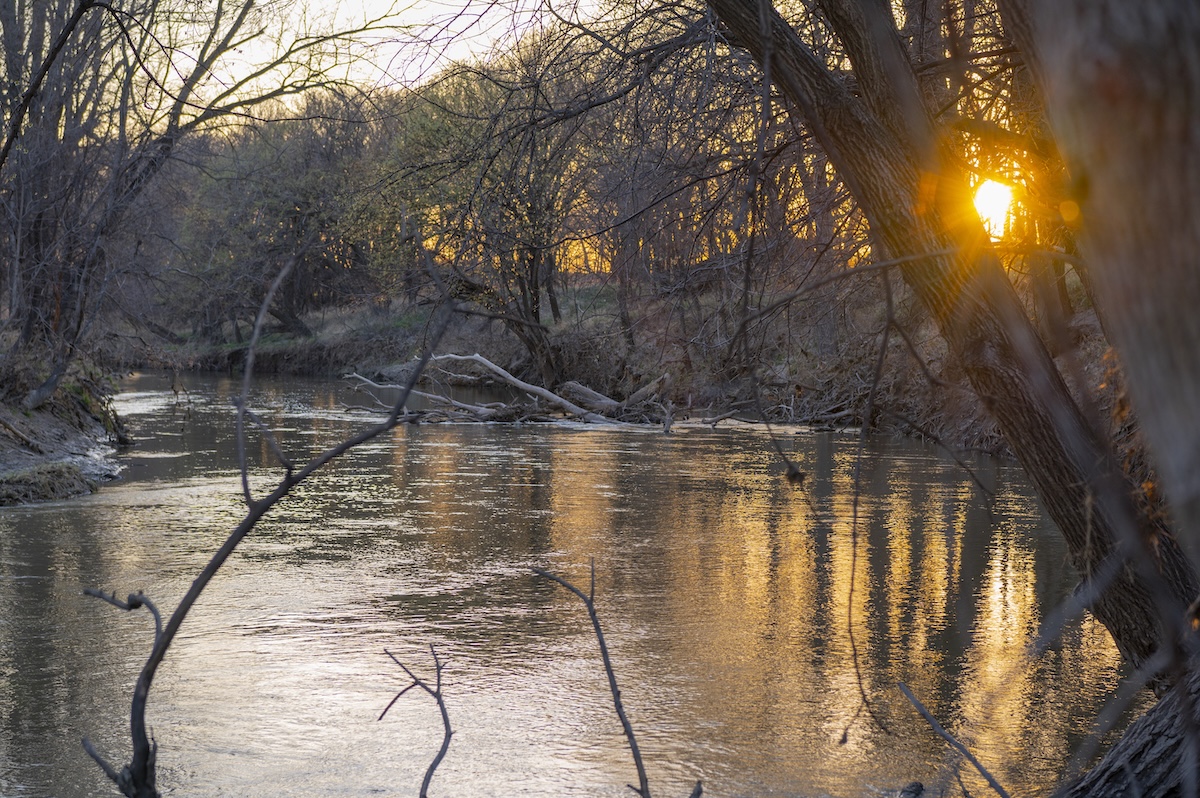
Water availability and rights matter as well. Most landowners and property practices require reliable water sources. In these instances, the land needs to offer at least one of the following, including natural water sources, county water, water wells, and more. It’s important to inspect irrigation rights, permits, and other local water laws. Discuss irrigation rights, wells, permits, and local water laws. Also, consider the risks of seasonal flooding and severe drought within the region.
3. Examine Timber Rights and Potential Revenue
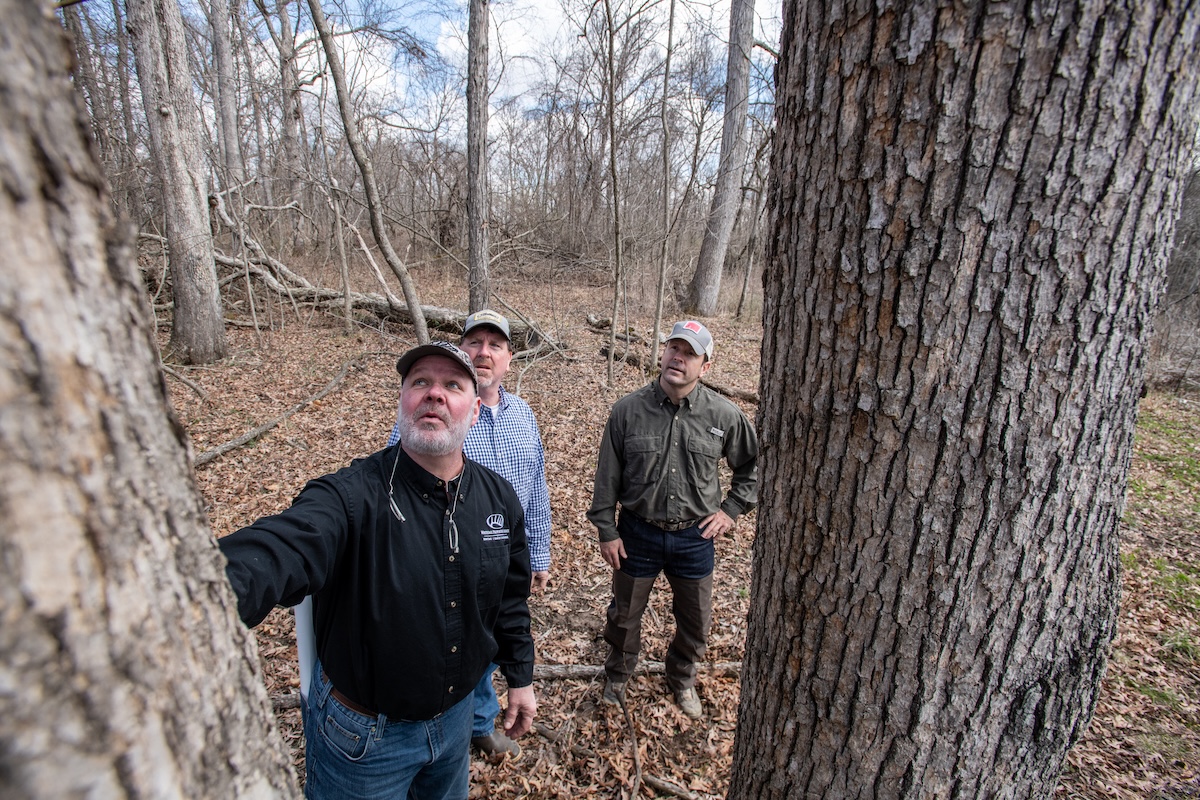
Timber rights remain a significant part of buying and selling land. Bob Stalberger of Whitetail Properties reinforces that most landowners who sell land have already removed the marketable timber. They typically do not sell it with a lot of valuable timber on it. Instead, property for sale is often between cuttings. Therefore, study the listing, and receive expert input, to see how much timber value comes with the tract.
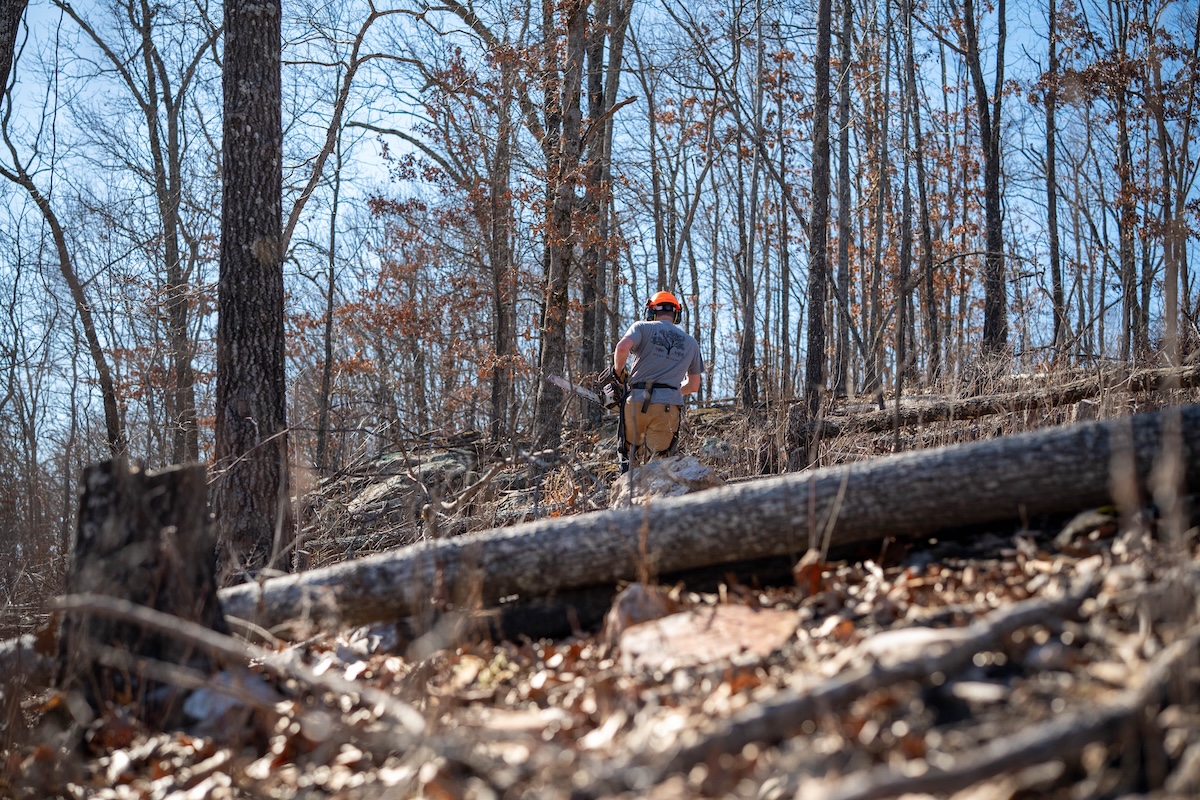
If the land comes with harvestable timber, Ben Richardson, a Whitetail Properties Land Specialist in Alabama, recommends strategic logging after buying land. That money can be used to pay down debt, place a down payment on additional property, make property improvements, and more. You might even save the money for a rainy day.
“If looking for a recreational farm, I look for something that maybe has some mature timber where I could do a timber harvest,” Richardson said. “That does several things. You can create a diverse habitat, open roads and trails for free (the logging company will come in and open those roads for you). You can sort of dictate where those are located. This helps with clearing food plots.”
He also says, in addition to generating revenue, it can open building sites with beautiful views on hillsides and along other key areas. It can even be used to clear ground for planting crops, raising livestock, planting food plots, and more.
4. Analyze Topography and Land Layout
Topography and land layout also play roles in what to look for when buying farm land. The shape and slope of the land affect daily work. Naturally, there are differences in value between flat, usable fields and steep hills. Overall, layout affects machinery movement and erosion control as well. The point? Be sure the land is compatible with your intended use of it.
5. Look at Access to Roads and Infrastructure
Access to roads and infrastructure matter. Check to see if public roads lead directly to the property. Assess the need for heavy equipment access and grain or livestock transport. Look for nearby barns, fences, and storage structures. These are but a few of many examples where access matters.
6. Research Easements, Zoning, and Legal Restrictions
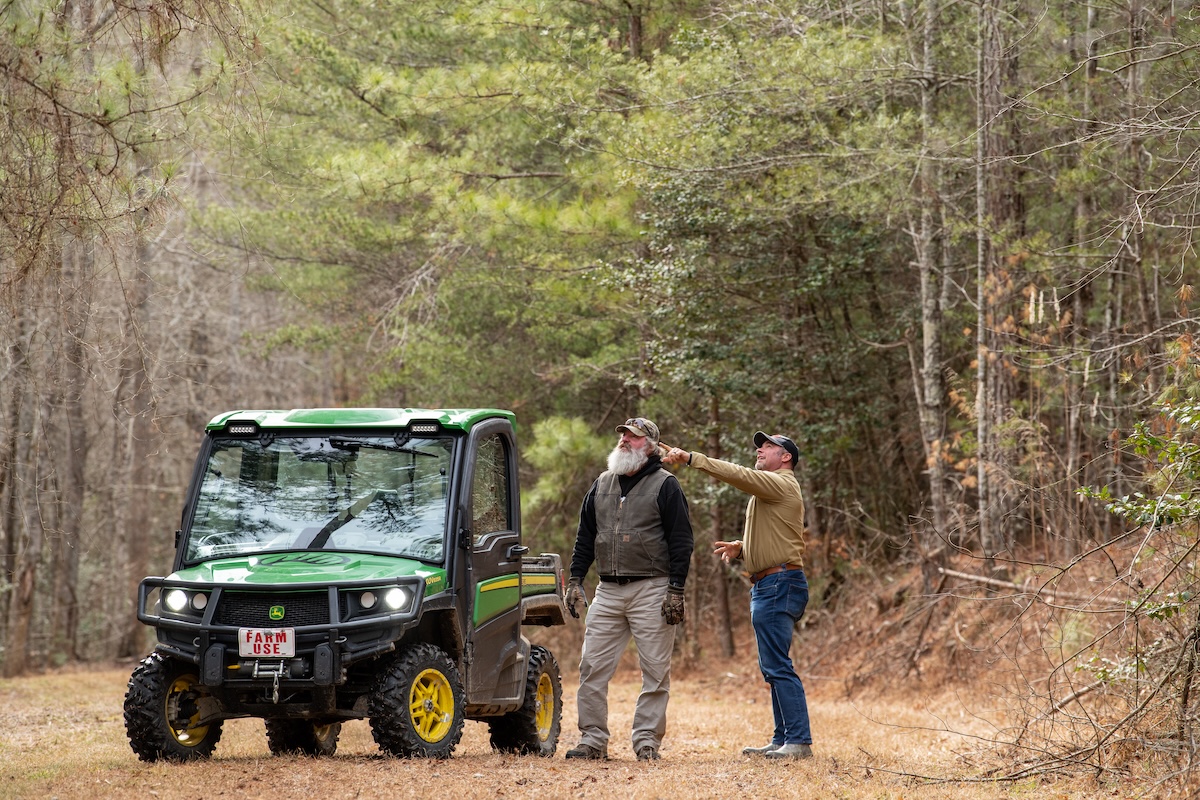
Easements, zoning, and legal restrictions must be researched before buying land. Study any potential easements recorded on the deed. These might be in favor of you, a neighboring property owner, or both. Regardless, study the details and know what you’re getting into.
Likewise, check for utility easements (with utilities companies), right-of-ways (access for neighbors or utility companies), or conservation restrictions (such as the Conservation Reserve Program). Also, review the local zoning laws and agricultural exemptions. This can influence what the property can and can’t be used for.
7. Gauge Utilities and Power Access
Gauge the available access for power and other utilities. Identify the distance to electricity, natural gas, and high-speed internet. Estimate the cost to hook up utilities if the land is completely raw. Check cell phone service coverage on the property. While these are sometimes less important for buying raw farmland, it certainly matters if planning to sell in the future. These things greatly influence the resell value of real estate.
8. Learn Proximity to Existing Farming Operations
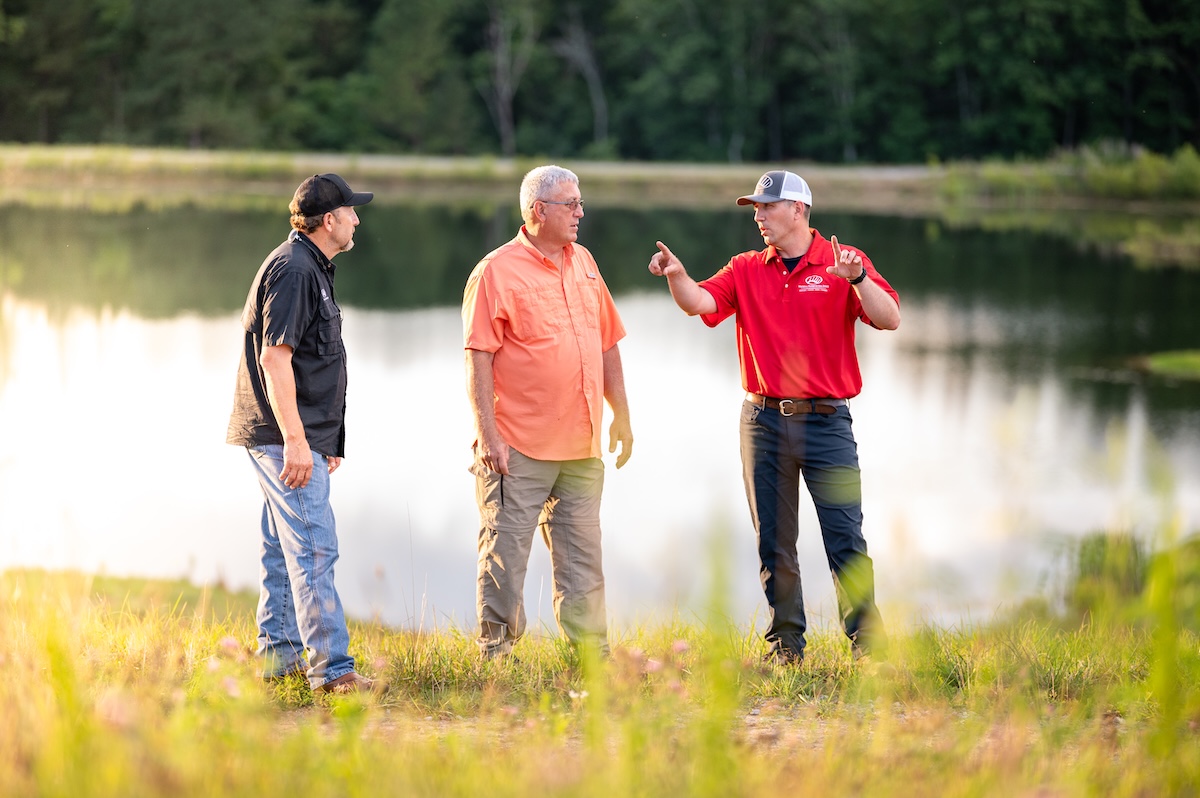
Consider proximity in relation to existing farming operations. Land expansions close to home bases are oftentimes worth more to farmers than distant lands. This is especially true for those with cattle, hogs, chickens, and other livestock. Because they have regular feeding and maintenance routines, travel time matters.
9. Speak With Local Farm Service Agencies
It’s important to speak with local farm service agencies. Ask them what they can share about properties of interest. They can offer information on previous sales totals, annual tax information, potential soil data, and more.
10. Pay for an Appraisal
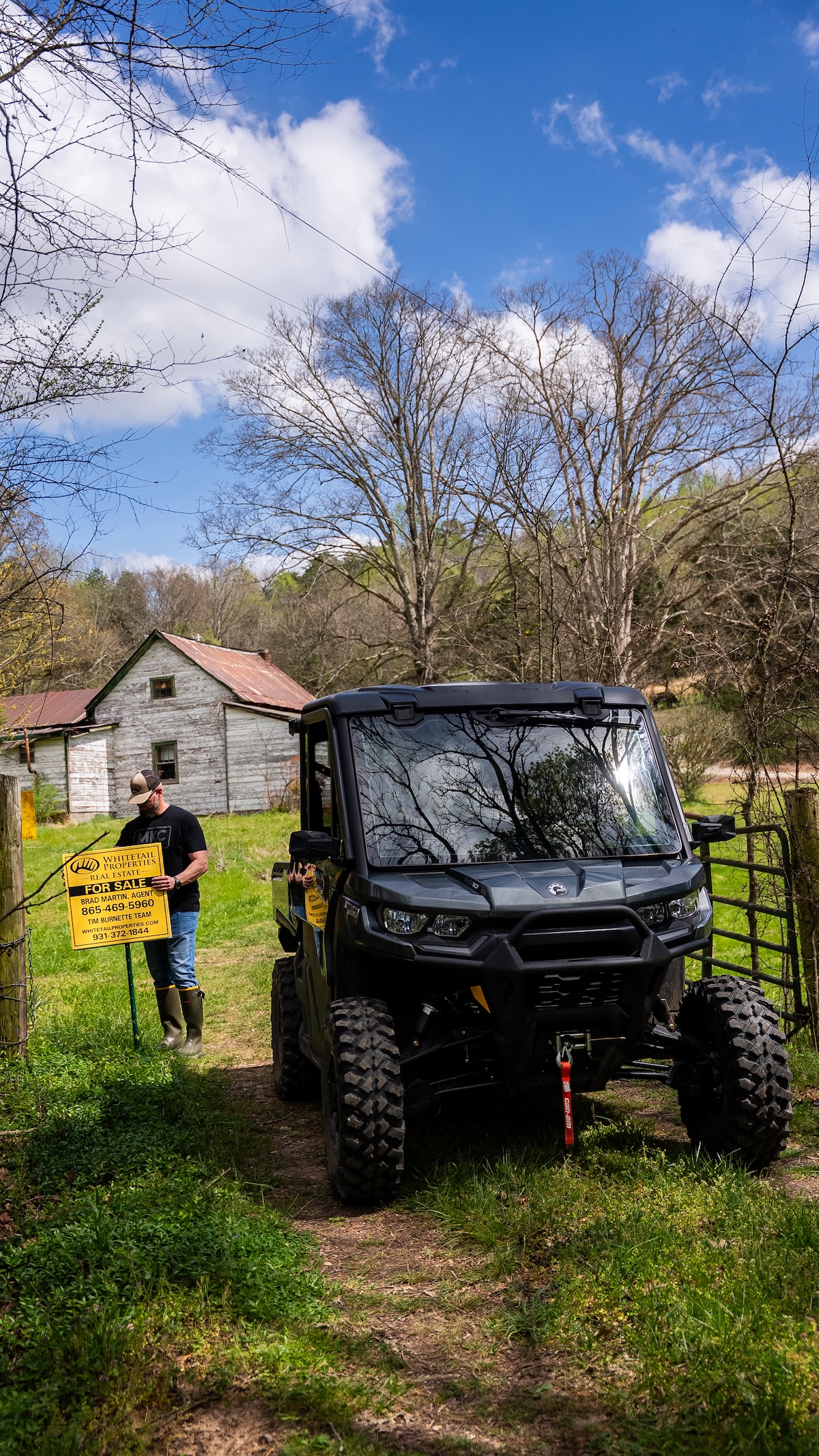
For those seeking the most accurate valuations, it’s important to hire an experienced appraiser. However, Whitetail Properties Land Specialists are highly affluent in property values. Therefore, as your dedicated buyer’s agent, they can assist with price-relevant advice as well.
“For the most accurate information, you can hire an appraiser,” Stalberger said. “Of course, that isn’t free. Still, there are instances where that would be very beneficial.
Of course, county assessors see sales from past years. Furthermore, they know the assigned tax values. While they don’t ever have boots on the ground, they can deliver generalized answers based on past data.
Work With a Whitetail Properties Land Specialist
Most importantly, work with a Whitetail Properties Land Specialist. They understand the local area, soil types, and more. Ben Harshyne, a Land Specialist and Team Leader in Iowa, emphasizes just how much Land Specialists assist buyers (and sellers). These are seasoned professionals who understand, in great detail, the nuanced phases of buying farmland. Contact your local Land Specialist today.