Knowledge Center
5 Knives Every Deer Hunter Should Have in Their Processing Kit
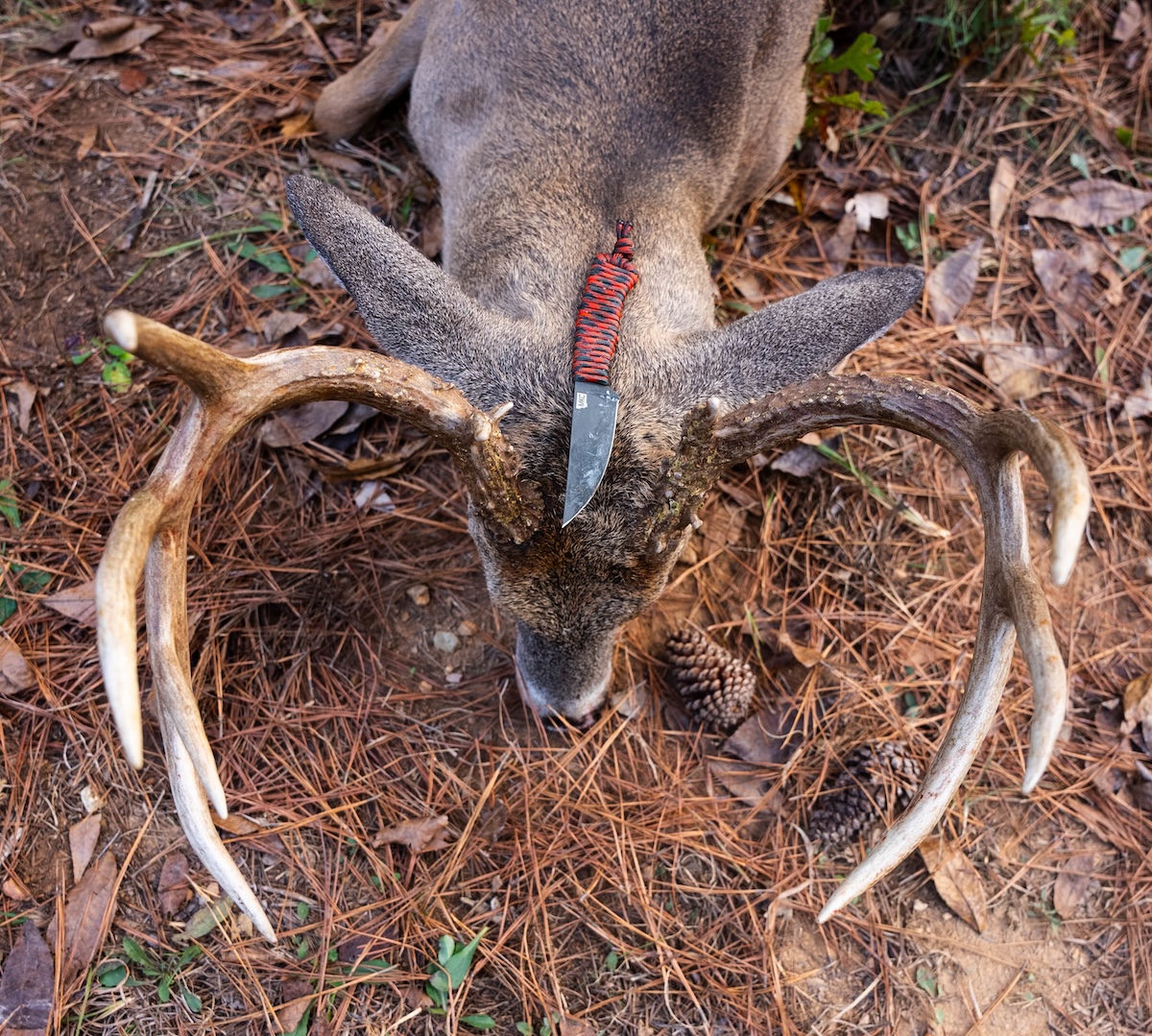
One knife makes fast work of your freshly harvested deer. Another takes forever and butchers the job (and not in a good way). Some of the most important tools in a hunter’s arsenal are their knives. A good deer skinning knife set is worth a lot, especially when all you have is a dull blade that can’t cut butter.
Choosing the right knife can be a challenge, though. Wade out into even the shallowest waters of the knife world and it can get overwhelming quickly. One blade turns this way. Another turns that way. Blade length, blade thickness, knife weight, blade material, handle type, knife ergonomics — the list of hunting knife considerations is long.
Each deer cleaning kit should include a field-dressing knife (maybe with a gut hook), skinning knife (some hunters prefer replaceable blades), boning knife (or butchering knife), fillet knife (or finishing knife), and bone saw.
Some people prefer to buy a complete deer processing kit. Others plan to buy individual knives for processing deer and assemble their own ensemble. Regardless, read on to learn more about knives every deer hunter should have in their processing kit.
1. Field-Dressing and Gut-Hook Knives for Deer Hunters
A quality field-dressing knife is the first tool in the kit. This is primarily used for gutting deer. It can also be used for preliminary skinning efforts. That said, ensure the blade type and design are optimized so that these don’t increase the odds of puncturing internal organs.
As has long been popular, some choose to use knives with gut hooks. These have small hooks on the ends of the blades used for simpler and oftentimes safer means of cutting through deer hides. These are especially useful for cutting along the abdominal cavity.
Generally, hunters prefer a field-dressing knife blade length of 3 to 4 inches, but not greater than 5 inches, due to easier handling and better weight distribution. Hunters should hold various knife weights and lengths to determine the best fits for them.
One great field-dressing option is the MKC Whitetail. It has an 8 5/8-inch overall length, 4-inch blade length, 0.135-inch blade thickness, and weighs 4.49 oz. It has full tang construction and MagnaCut stainless steel metal.
2. Caping, Skinning, and Replaceable Blade Knives for Deer Hunters
The next item on the deer processing kit list is a good caping knife. (Some refer to this as a skinning knife.) Whatever your name for it, this knife is destined for separating hide from carcass. It’s designed in such a way that makes this task easier to complete.
While some hunters prefer the fixed-blade skinning knife design, others choose options with replaceable blades. This is a personal decision, as each knife type offers pros and cons. For example, fixed-blade knives are more durable, hold a better edge, and have meatier blade thicknesses. However, replaceable blades offer fast swaps and an easy solution if the blade breaks. Of course, the folding nature is often preferred, too.
Regardless of style chosen, a good caping or skinning knife comes with a smaller, thinner blade with a very sharp edge for more precise handling. This is especially necessary around the more sensitive areas, such as the head and neck.
The MKC Stonewall Skinner is a popular choice. It’s 9 ¼ inches long overall and comes with a 4 5/8-inch blade length, 0.140-inch blade thickness, and 5.53-oz weight. It sports 52100 ball bearing steel and full tang construction.
3. Boning (Butchering) Knives for Deer Hunters
The next phase of deer processing requires a boning knife. (These are sometimes referred to as butchering knives). Such blades are meant for key tasks in the butchering process.
A notable distinction of the boning knife, it typically has a longer blade than capers. Different blades allow for the required knife movements. Common lengths range from 5-6 inches, as these make it easier to tackle harder tissue and work around bones. These are also helpful when dealing with tendons, ligaments, cartilage, silverskin, fat, etc.
If in the market, check out the Boning Butcher Knife by MKC. It has AEB-L blade steel and full tang construction. It has an overall length of 11 inches, blade length of 5 7/8 inches, blade thickness of 0.090 inches, and 4.43-oz weight.
4. Fillet Knives for Deer Hunters
A fillet knife is another important tool in a deer processor’s kit. It is ideal for removing more sensitive cuts of meat from the deer, such as the tenderloins, backstraps, and other steaks.
Once the deer is broken down, it’s time to finish the process. A fillet knife helps with this step as well. Oftentimes, it’s used to slice up tenderloins, backstraps, and finish removing remnants of fat, silverskin, and other unwanted tissues. Generally, it’s the last knife used before vacuum sealing the meat and storing it in the freezer.
The MKC Flathead Fillet Knife is a surefire winner. It’s 12 3/8 inches overall, 7 ½ inches along the blade, and comes with a 0.097-inch-thick blade. It weighs 4.45 oz. Benefit from the stainless-steel material.
5. Bone Saws and Hatchets for Deer Hunters
Processing deer generally requires sawing through bone. Thus, each kit should include a bone saw. (Some refer to this as a field or butchering saw.)
Common uses for bone saws include cutting through the spine (neck), sawing off legs (below the hock), separating the sternum (chest), cutting through ribs, and more. A good bone saw makes these tasks much easier, and in some cases, makes these even possible (as opposed to working with only a knife).
Similar to the bone saw, for some tasks, others prefer a good hatchet. MKC offers a lineup of these items, too.
Additional Deer Processing Kit Considerations
In addition to a quality knife kit, there are additional considerations for deer processing equipment. First, implement proper protective gear. Wear quality eyewear to prevent bone chips, blood, and other foreign objects from entering your eyes. Likewise, wear knife-proof gloves to reduce the risks of injury.
A good cutting surface is needed, too. Install a game processing counter, or at least use a good set of cutting boards. Choose ones with durable finishes.
Knife sharpeners are essential for maintaining knife effectiveness. As blades become dull or chipped, it’s important to touch up edges with a sharpener. A sharp knife is quicker, easier, and safer to use than a dull one. Those who handle the entire processing gig will require a meat grinder. These come in a wide range of sizes. Choose the make, model, and size that best fits the volume of meat you intend to produce each year.
Likewise, purchase a properly sized vacuum sealer. This will preserve meat much longer than if using freezer bags and other similar methods. Removing the air with a tight seal ensures a fresher taste months and years down the road.
Lastly, stock up on cleaner. Sanitization is important. Clean knives before, during, and after processing in the right way.
What to Look for in a Good Hunting Knife
There is much to look for in a good hunting knife. Blade style is up first, as many opt for a drop-point due to versatility. Blade type is of major discussion as well, because some like fixed blades or folding knives, more or less. Knife blade size is of significant importance. Each knife type has a range of optimal lengths.
The handle material is another key element. Ergonomics matter, as do comfort and effectiveness. Also, consider the tang. Full tangs that extend through the handle offer better stability and toughness.
Finally, the blade material impacts how durable and maneuverable the knife can be. Generally, hunters prefer high-quality stainless steel. This improves resistance to corrosion. Others like a carbon-steel blade, which holds a better edge.
All things considered, every deer hunter needs the right deer processing kit. Secure it, and post-hunt duties will go much smoother.