Wildlife Management
Small Food Plots for Deer: How to Create a High-Impact Kill Plot on Limited Acreage
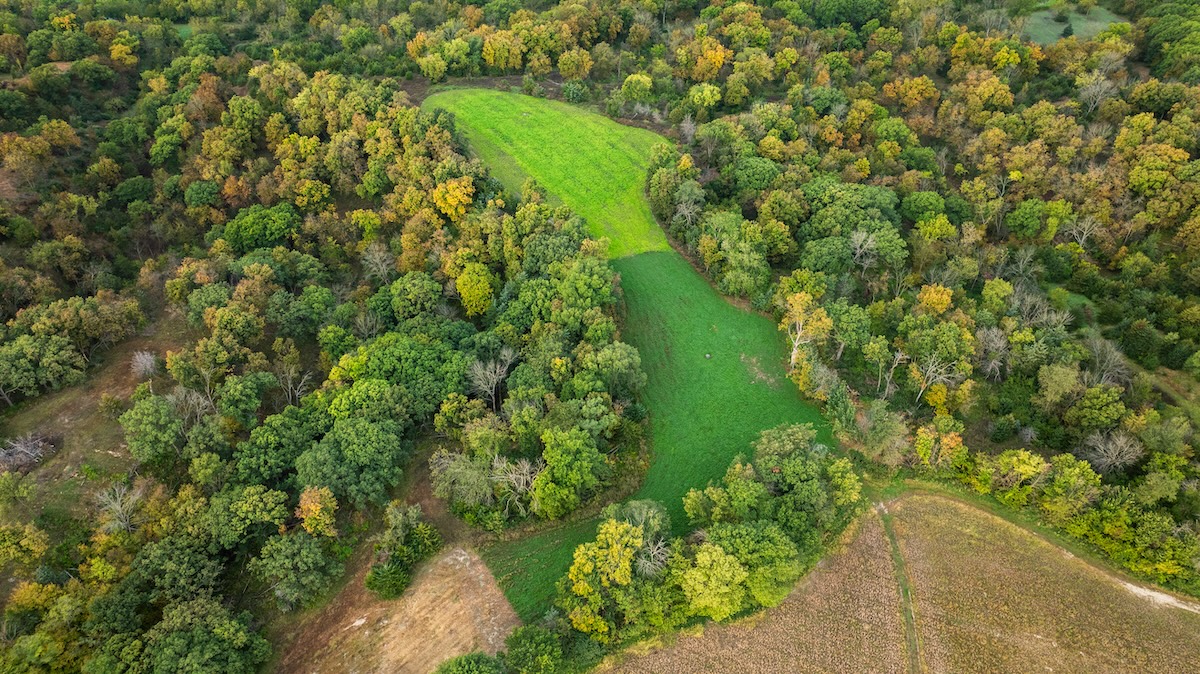
Planting the best small food plots for deer, especially on a small hunting property, requires close attention to details. Food plot placement in micro food plots can create a high-impact attraction on limited acreage. It’s time to grab your Yeti tumbler, Turtlebox speaker, and John Deere machine, and get fired up for food plots. Read on for hard-hitting details on creating the best kill plots for deer, among other tips on deer food plots.
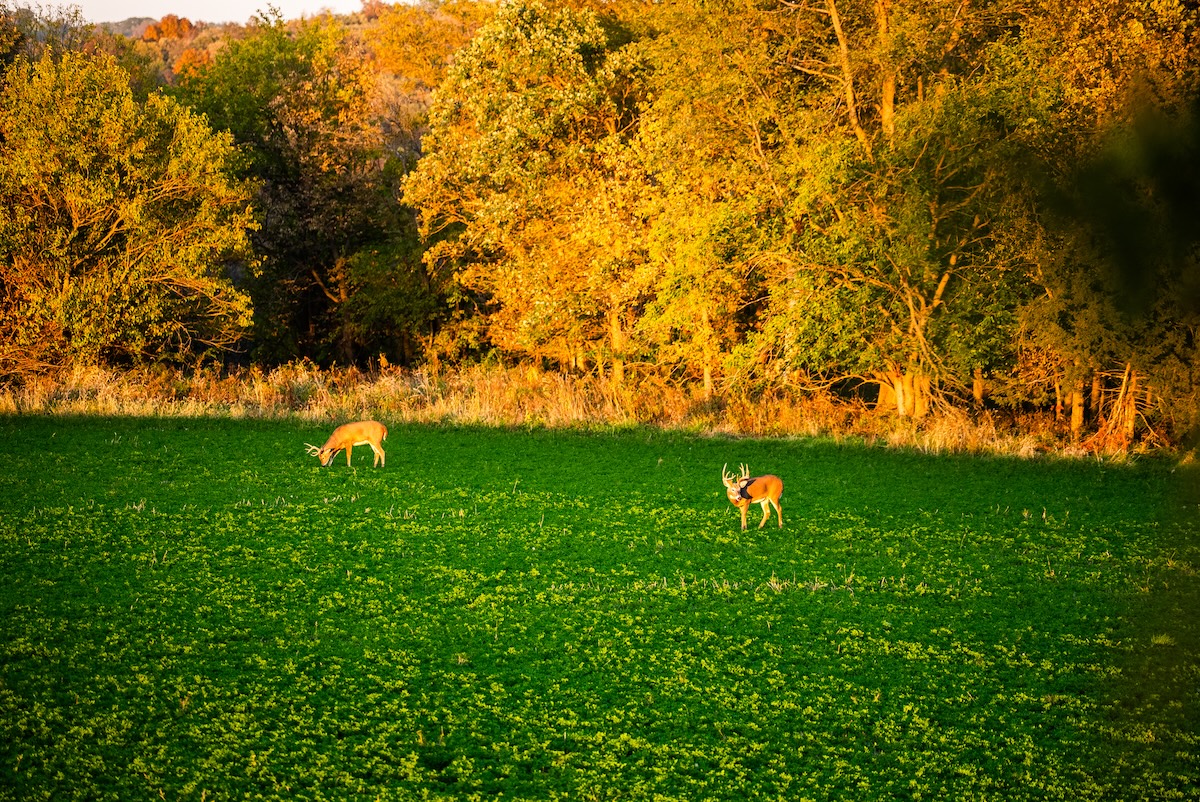
PHASE 1: FOOD PLOT PLANNING AND STRATEGY
1. Have the Proper Equipment
A good food plotting outcome starts with having the proper equipment. With smaller food plots, land managers are often limited to smaller equipment. Or, they must use lighter equipment to traverse hard-to-navigate terrain or get into tighter spots.
"In terms of small properties and putting food plots in, the biggest challenge I typically see is not having access to equipment to put in a plot,” said Wyatt Rentzel, a Whitetail Properties Land Specialist in eastern Pennsylvania. “It's not always the case, but it's frequent. People can't justify buying a tractor, a tiller, or a no-till drill for a 7-acre property where maybe they're only putting in less than an acre food plot, or even just a couple of acres. It just doesn't make sense to do it, so I totally understand. With that, you know, your hand tools (maybe you can throw something on the back of the four-wheeler) those types of things. You're not going to have a big size, but you don't necessarily need it."
2. Choose the Right Food Plot Location
The first step is picking the right food plot location. "When you're on a small property, you're not going to plant a food plot to manipulate their movements through the smaller property,” Rentzel said. “When it comes to staging on your way out to a large ag field or a corn flat, it's just something that you hope they're going to stop by. It's not going to feed them."
3. Prioritize Stealthy Access with Good Entry and Exit Routes
Part of selecting the right food plot location is picking one that offers good access to and from that location. You must prioritize stealthy access with good entry and exit routes. Fail to do that, and it becomes a storm of spooked deer and busted deer hunts.
4. Analyze Wind and Treestand Locations Around the Food Plot
Choosing the best area for your small food plot requires analyzing wind and treestand locations around the food plot. Can you hunt there with prevailing winds? Which spots are best in terms of wind for treestands and hunting blinds? Answer these questions effectively and you’re well on your way to food plot success.
5. Evaluate Sunlight Exposure in the Food Plot Location
Food plots must have enough direct sunlight to grow. There is no species that can thrive in full shade, or even mostly shaded areas. That said, certain food plot plant species can tolerate it more than others. For this reason, evaluate the sunlight exposure in the food plot location and choose seed accordingly.
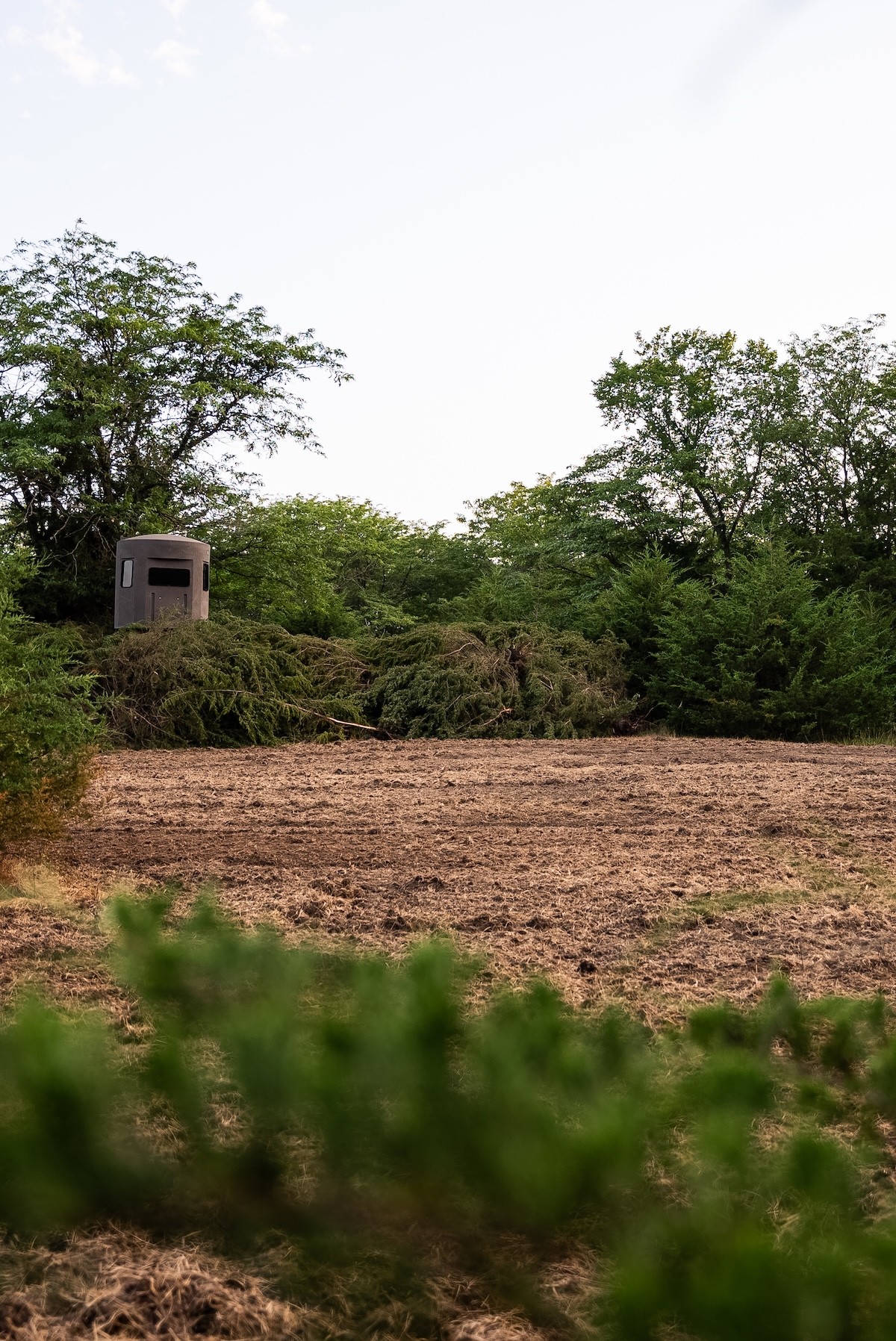
PHASE 2: FOOD PLOT SITE PREPARATION
6. Conduct a Food Plot Soil Test
It’s paramount to analyze soil health. Know what it offers and the elements that it lacks. Conduct a soil test to assess needed fertilizer to amend soil nutrients and potential lime to adjust soil pH. Failing to complete this step is a one-way ticket to food plot failure. It’s a game of Russian roulette that Mother Earth almost always wins and your checkbook loses.
7. Clear the Vegetation and Debris Around the Food Plot
Remove all stumps, logs, sticks, leaves, and other debris around the food plot. Clean up the food plot interior and perimeter before the planting process begins. Doing that will make it simpler and smoother to break ground, plant, etc.
8. Apply Non-Selective Herbicide
Unless clearing ground, most first-time food plots have a lot of weeds. This translates to weedy fields that make growing desirable vegetation much more difficult. The most common solution is applying non-selective herbicide (before planting) to kill everything on site. Of course, responsible prescribed fire, heavy discing, and other means, are also available.
9. Manage Additional and Residual Debris
Additional and residual debris will continue to rear their ugly heads and find their way into your new food plot. Sticks. Rocks. Fallen trees. These and more land in your clearings and disrupt the food plot flow. Manage these as needed.
10. Amend the Soil with Fertilizer, Lime, and Other Soil Amendments
Following the directives disclosed upon the return of your submitted soil test, it’s vital to amend the soil with fertilizer, lime, and other needed soil-boosting products. Don’t overdo it. Just follow the directions on the soil test. That leads to optimized food plot yield.
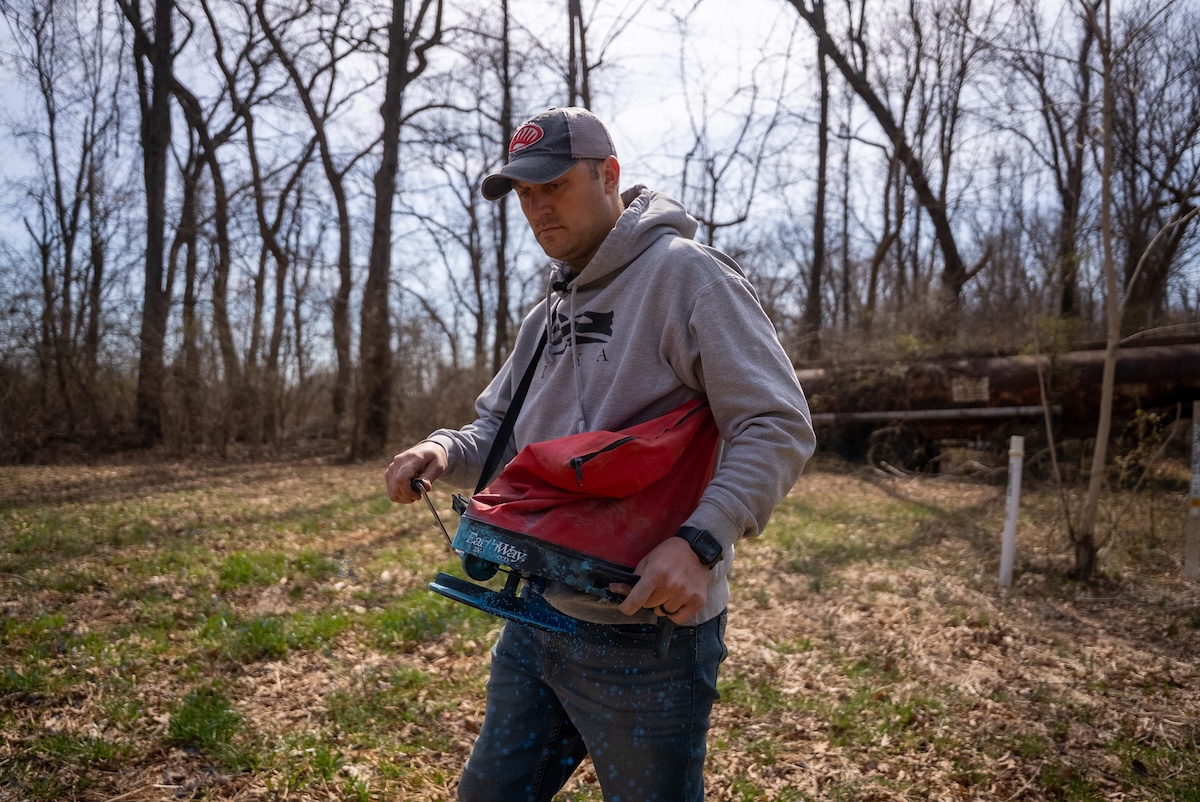
PHASE 3: FOOD PLOT PLANTING AND PROTECTIONS
11. Select High-Yield Food Plot Seed Blends
Those planting smaller food plots must select high-yield food plot seed blends. This helps prevent over-browsing of plants and destruction of all your hard work. “A lot of shade is frequently shading out that plot, so you have to take that into consideration when you're selecting your food plot seed,” Rentzel said. “For what you're going to plant that fall, you want something that's hardier.”
"I love a clover plot,” Rentzel continued. “Honestly, I typically end up planting a perennial clover plot, for one, because it's a hardy species and it's shade-tolerant. That perennial will come back every year. I like to plant it in the spring. Sometimes, depending on how it did, I'll spray it with Clethodim to get rid of the weedy grasses that are likely going to happen, and maybe overseed it again in August. Then, my favorite thing to do is frost-seed it again in the February or March timeframe, depending on where you're at in the year."
12. Prepare the Food Plot Seedbed
Every food plot needs a properly prepared seedbed, no matter the size of it. If tilling, work the ground enough that the soil isn’t compacted. Then, firm it up enough for good seed-to-soil contact. If no-till drilling, handle the weeds before planting and address any other problems as needed.
13. Broadcast (or No-Till) and Cover the Food Plot Seed
Broadcast the seed with a hand-crank spreader. Or use a spreader attached to an ATV or UTV. If no-till drilling, seed the plot via that manner. Regardless, seed at the proper planting depth as called for on the seed bag. Planting too shallow or deep can lead to food plot failure.
14. Utilize a Browse Exclusion Cage or Exclusion Fence
Those with higher deer densities should consider a browse exclusion cage to see how many deer are browsing the plots. If needed, establish an exclusion fence around the perimeter of smaller food plots to give these time to mature before being consumed by whitetails.
"A small property with a small plot, it's not going to feed everything,” Rentzel said. “It's just going to be that little sweet treat that's going to coerce them, hopefully, into bow range. Clover is my number one go-to for those reasons."
PHASE 4: FOOD PLOT MAINTENANCE
15. Create Visual Food Plot Screens and Funnels
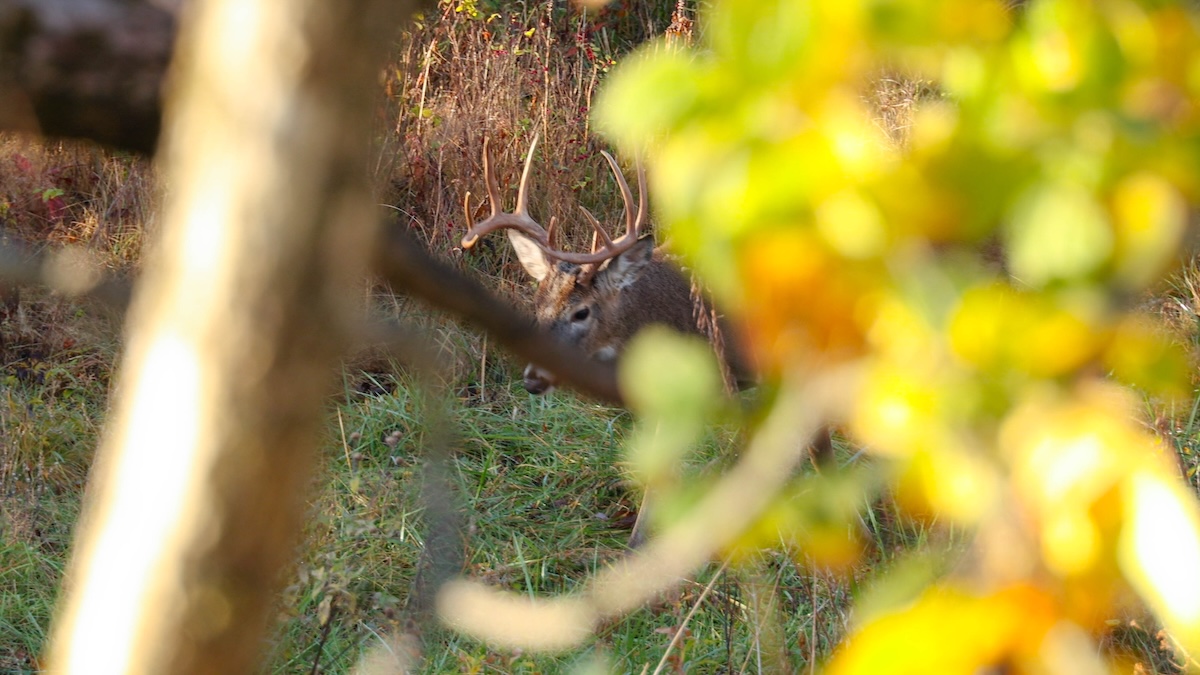
Deer feel more comfortable using food plots in daylight when they can’t see beyond the perimeter. Create visual food plot screens to increase whitetail comfort levels. This can boost daylight usage, especially by mature bucks. Furthermore, planting food plots in shapes that create funnels (pinch-points) near treestands and blinds to create better shot opportunities.
16. Maintain Weeds in the Food Plot As Needed
Food plot maintenance is a never-ending thing. Continue maintaining weeds as needed. This is especially important for perennial plots that come back each year. Forgetting to keep weeds in check will shorten the lives of these plots by months or years.
PHASE 5: IMPLEMENT KEY HUNTING TACTICS IN FOOD PLOTS
17. Prioritize Undetectable Hunter Access
Establishing good entry and exit routes helps deer hunters to preserve the quality of their hunting property, especially around smaller food plots. However, you can take this a step further by planting screening cover along these access paths. Plus, using creeks, ditches, bluffs, and other terrain features and topographical means to shield your approaches and departures.
18. Position Multiple Treestands and Banks Blinds
Hang multiple treestands, and position Banks blinds, around the food plot perimeter for associated wind directions that work best for you. This offers multiple options for those who try to maximize the hunt-ability of their land.
19. Establish Additional Food Plot Incentives
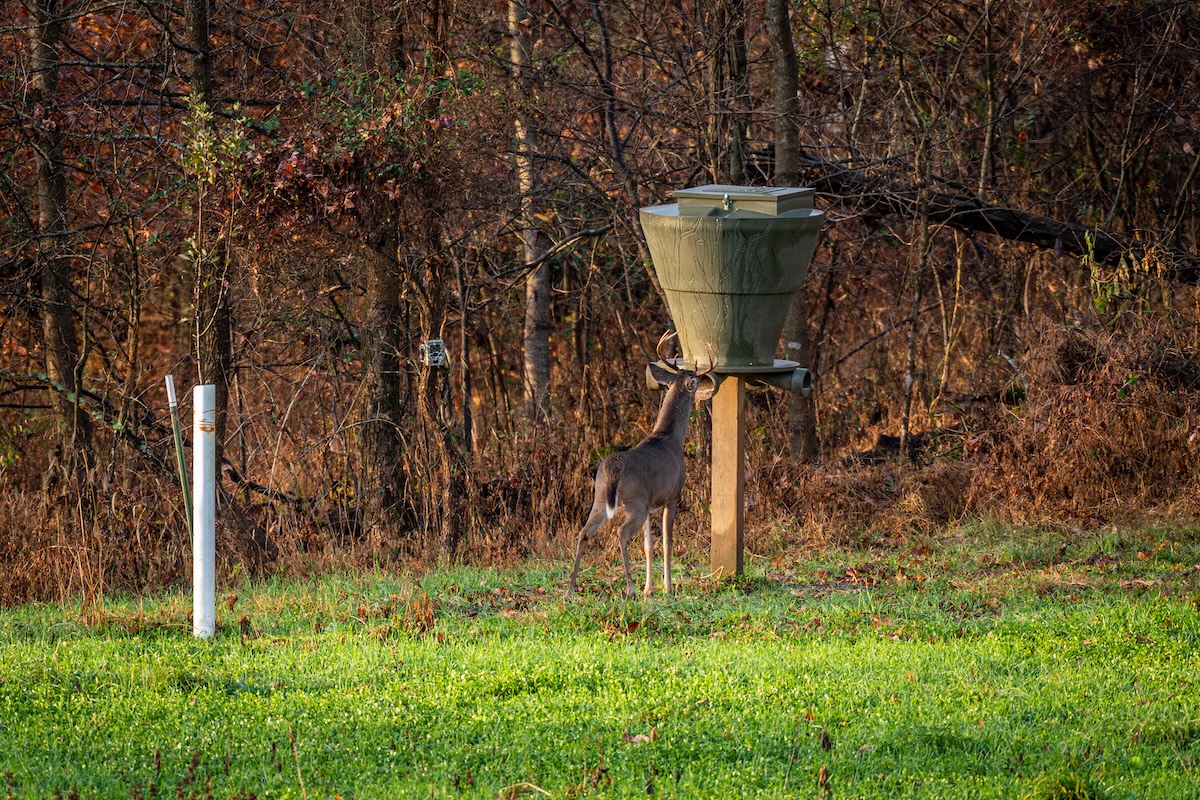
Consider providing additional incentives for deer to use your food plots. Where legal, add a bait station. Create a mineral lick. Park a Banks water source. Add a mock scrape or scrape rope. Whatever the flavor, provide more reasons for deer to use that particular food plot.
20. Contact a Whitetail Properties Land Specialist Today
Need some guidance on your food plots? Don’t hesitate to call a Land Specialist near you. Many of these individuals also serve as qualified deer hunting consultants.
For landowners looking to sell their land, contact a Whitetail Properties Land Specialist today. We can answer questions and help with your real estate needs. For buyers hoping to purchase land, check out some of the available listings near you.