Farm & Ranch
Top Cover Crops for Kansas and Nebraska Farmers
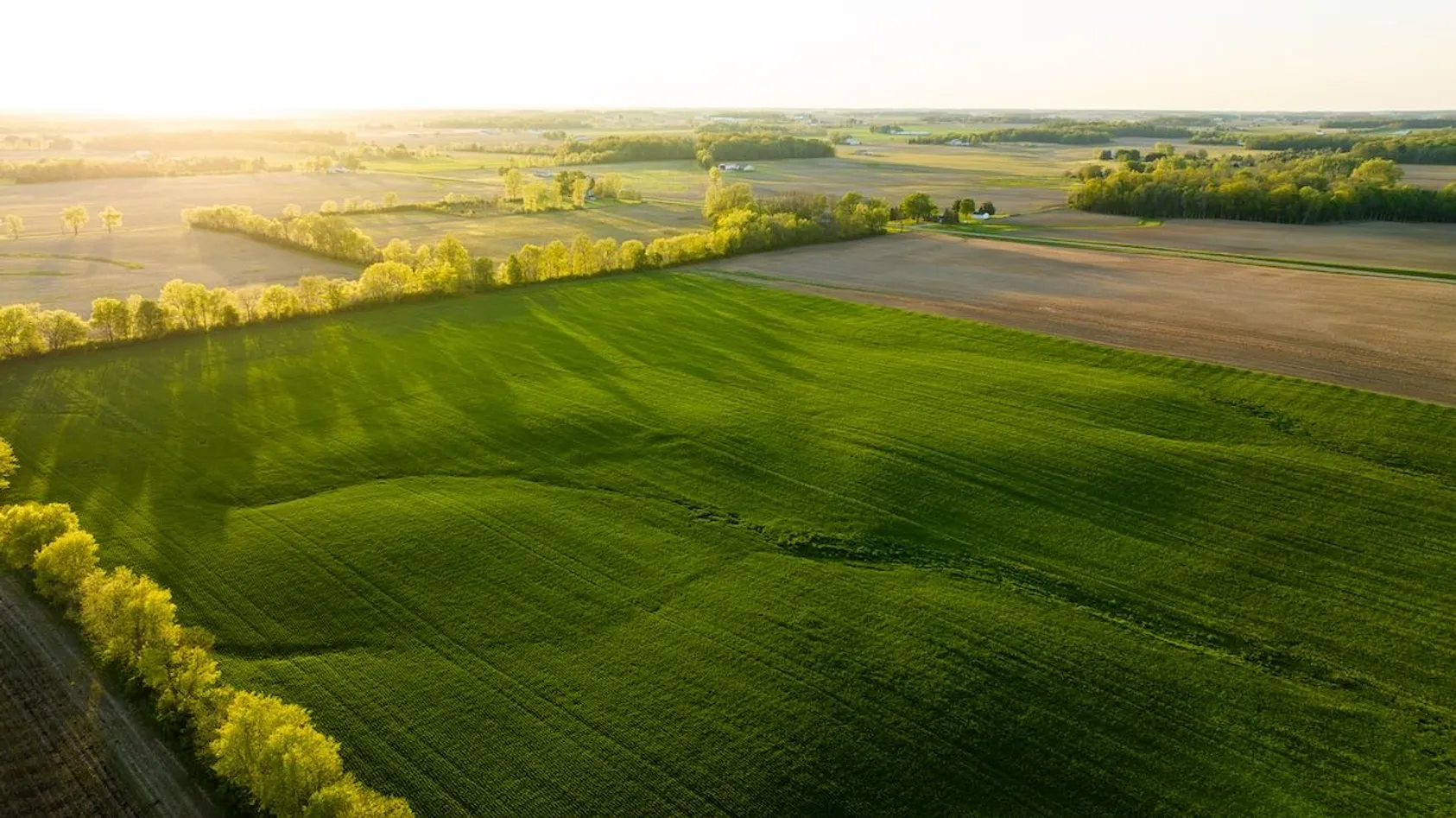
Cover crops are an integral part of agriculture. To get the most from these, it’s important to understand the nuances, though. Best cover crops. Cover crop mixes. Cover crop planting dates. These and many more are important subjects within the overarching theme.
Interestingly, much of Kansas and Nebraska are similar. Here’s a look at the cover crop concept, with an emphasis on Kansas and Nebraska — two stronghold states of the Midwest. Here’s all about cover crops for soil health.
Soil Health 101
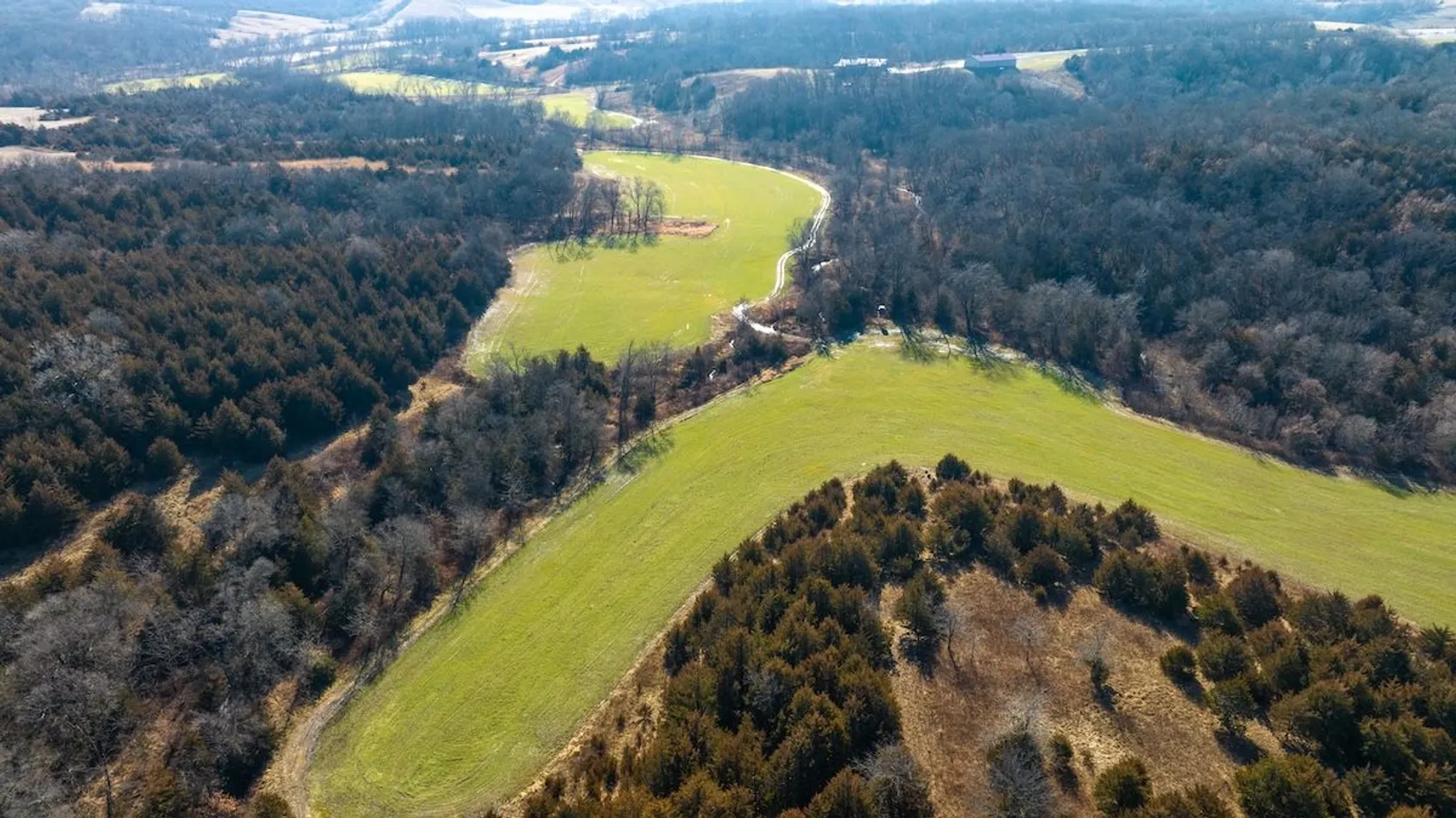
Soil health is a complicated matter. It involves managing organic matter, nutrients, infiltration, erosion, weeds, disease, pests, and more. Organic matter must be built up enough to accommodate plant growth. Nutrient levels must be high enough to maximize yields. Infiltration must be good enough for nutrients and water to move well throughout the soil. Erosion must be minimized to maintain topsoil. Weeds have to be reduced to prevent competition. And, of course, diseases and pests must be addressed, too.
Fortunately, according to Luke Wallace, a Whitetail Properties Land Specialist in Nebraska, cover crops solve many of the above challenges. By planting these, farmers can take care of the soil health and elevate annual crop yields.
Cover Crops Defined
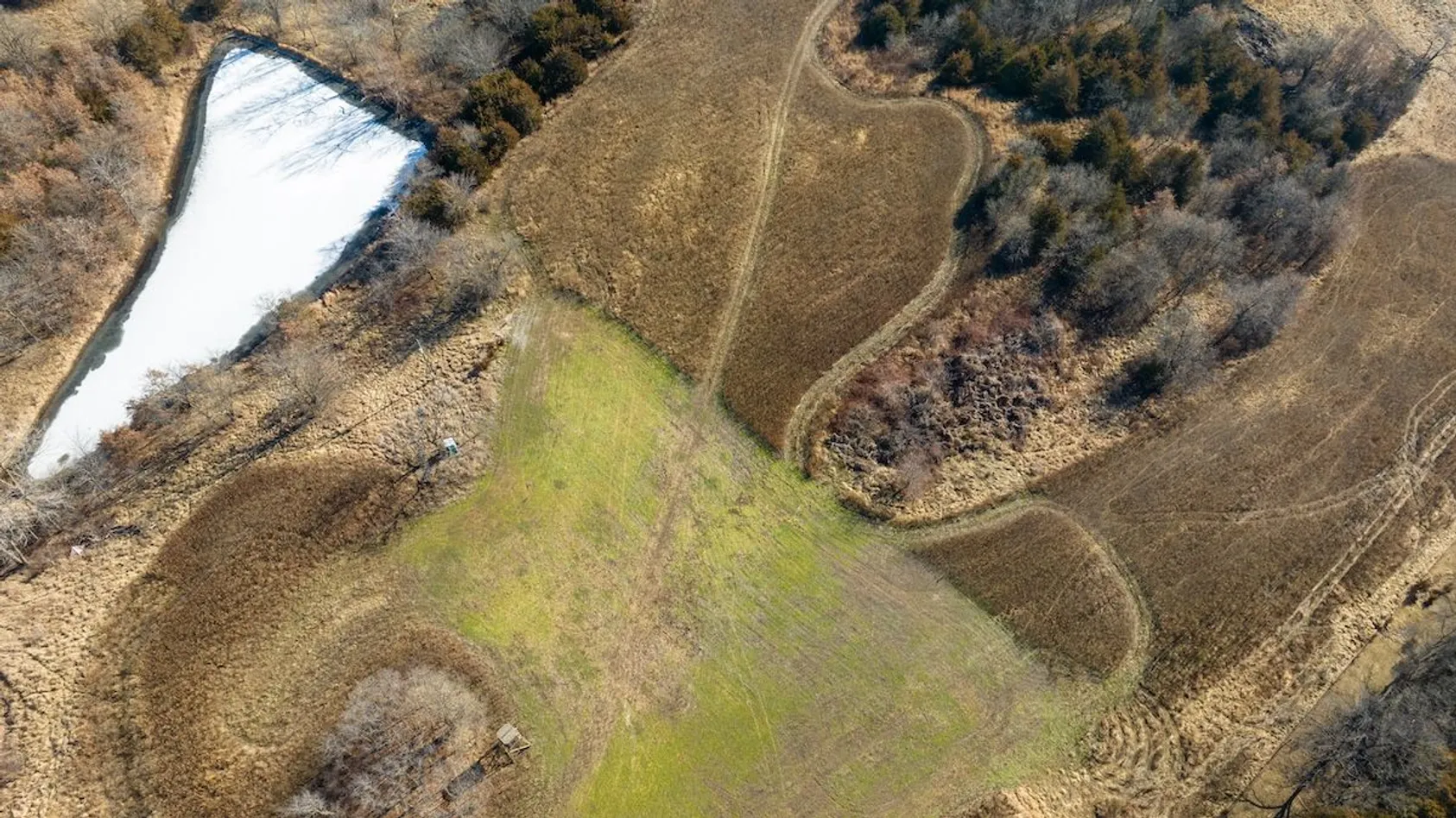
So, what is a cover crop? Essentially, it’s a planting that holds the soil over until the next major ag crop gets planted. Fall and winter cover crops are the most common, as the majority of crops are grown in the spring, summer, and early fall.
A cover crop is something that holds the soil together after harvest,” Wallace said. “We use it on soybean ground. It’s a bit sandier soil, and after harvest, you don't have a lot of trash laying on the ground to hold that soil together. So, we'll plant a cover crop and hold the nutrients in with it, so they are available for production the next year.”
How Cover Crops Improve Soil Health
It’s incredibly important to care for soil health during the off-season. Although few things are growing from late fall to early spring, it’s crucial to maintain the soil quality during this timeframe. Furthermore, soil left exposed is susceptible to issues, such as soil erosion and other degradations. Because of this, cover crops help improve soil health.
It holds those nutrients in,” Wallace said. “It holds moisture into that ground, too. Again, we operate in some sandier soil. If you get the winters that don't have a lot of snow, but a lot of wind, that topsoil will end up blowing off into the ditch.
If you don't get that cover crop planted to hold that soil together, you run the risk of having some of that soil (and your fertilizer) in the ditch,” Wallace continued. “Then, you have to go put more fertilizer on that fall or spring.”
The Best Cover Crops
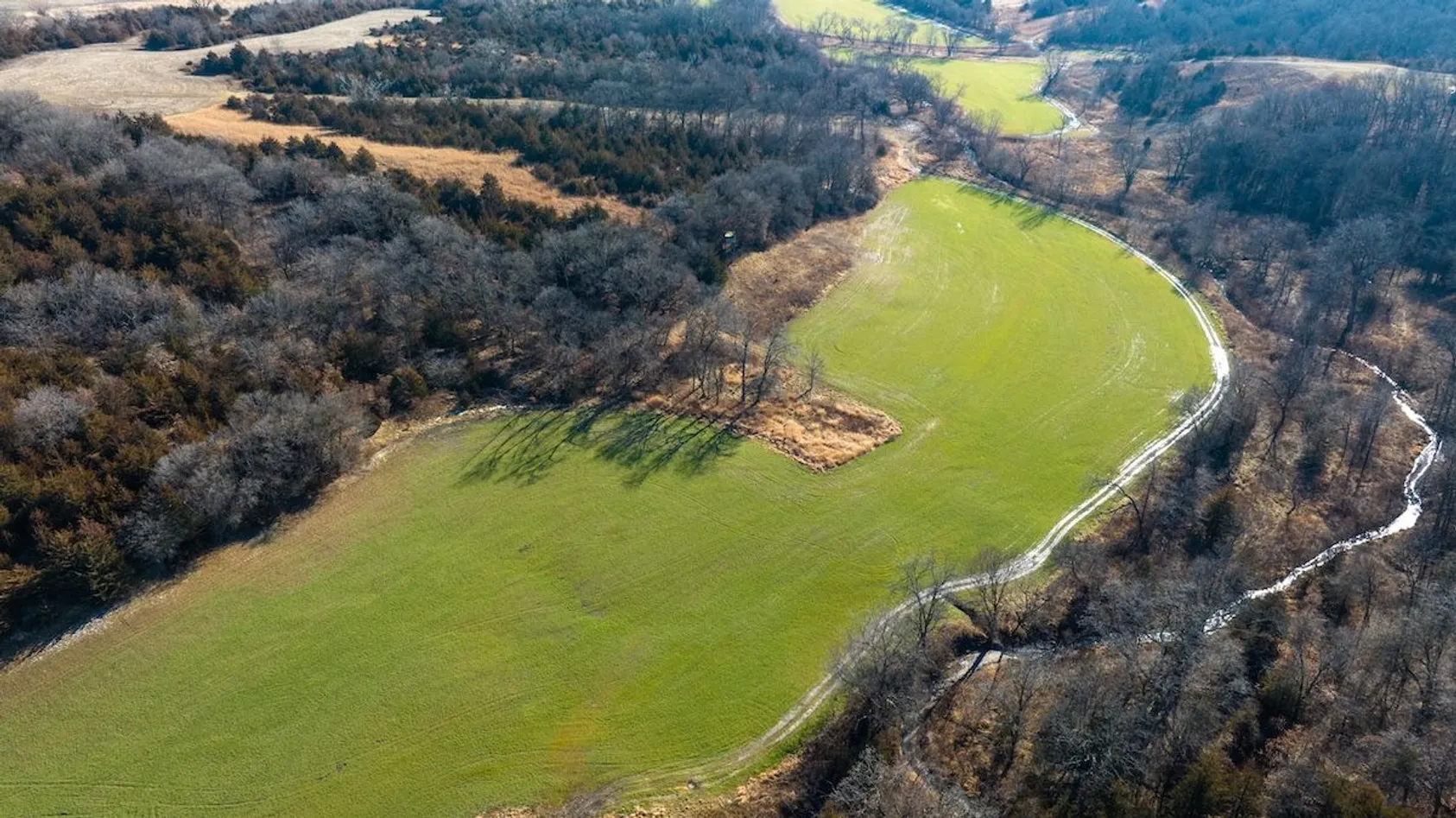
Certain plant species serve as better cover crops. Cover crops can solve a lot of problems, such as soil erosion, poor nutrient levels, minimizing weeds, and more. Obviously, some plant species serve as better cover crops than others. According to Wallace, most use a cereal rye, among other options.
We see guys plant some winter wheat as a cover crop,” Wallace said. “They'll go in and aerial sow turnips, radishes, and other stuff like that over a crop, such as standing corn. But cereal rye and wheat are the two most common options.”
For reducing erosion, and maintaining overall soil health, barley, cereal rye, and wheat are the best options for most in this region. Barley grows fast and performs great at boosting soil organic matter. Cereal rye is cheap to plant, grows well, and provides numerous other benefits. Wheat achieves much of the same.
To improve soil nutrients, specifically nitrogen, plant clovers (legumes). Crimson clover, red clover, and others, increase the nitrogen levels in the soil, which most crops need to thrive. This offers a quick, easy fix for nitrogen-deficiency issues.
To reduce weed competition, plant cowpeas, buckwheat, millet, or something else that can help smother the competition. These are summer cover crops, but if the field is going to be fallow anyway, these can minimize the growth of undesirable plant species.
Otherwise, it’s commonplace to plant cover crop mixes. Often, some plant cereal grains and legumes together to get the best of the available outcomes. Hairy vetch is commonly added with other crops to improve soil fertility.
Planting Cover Crops
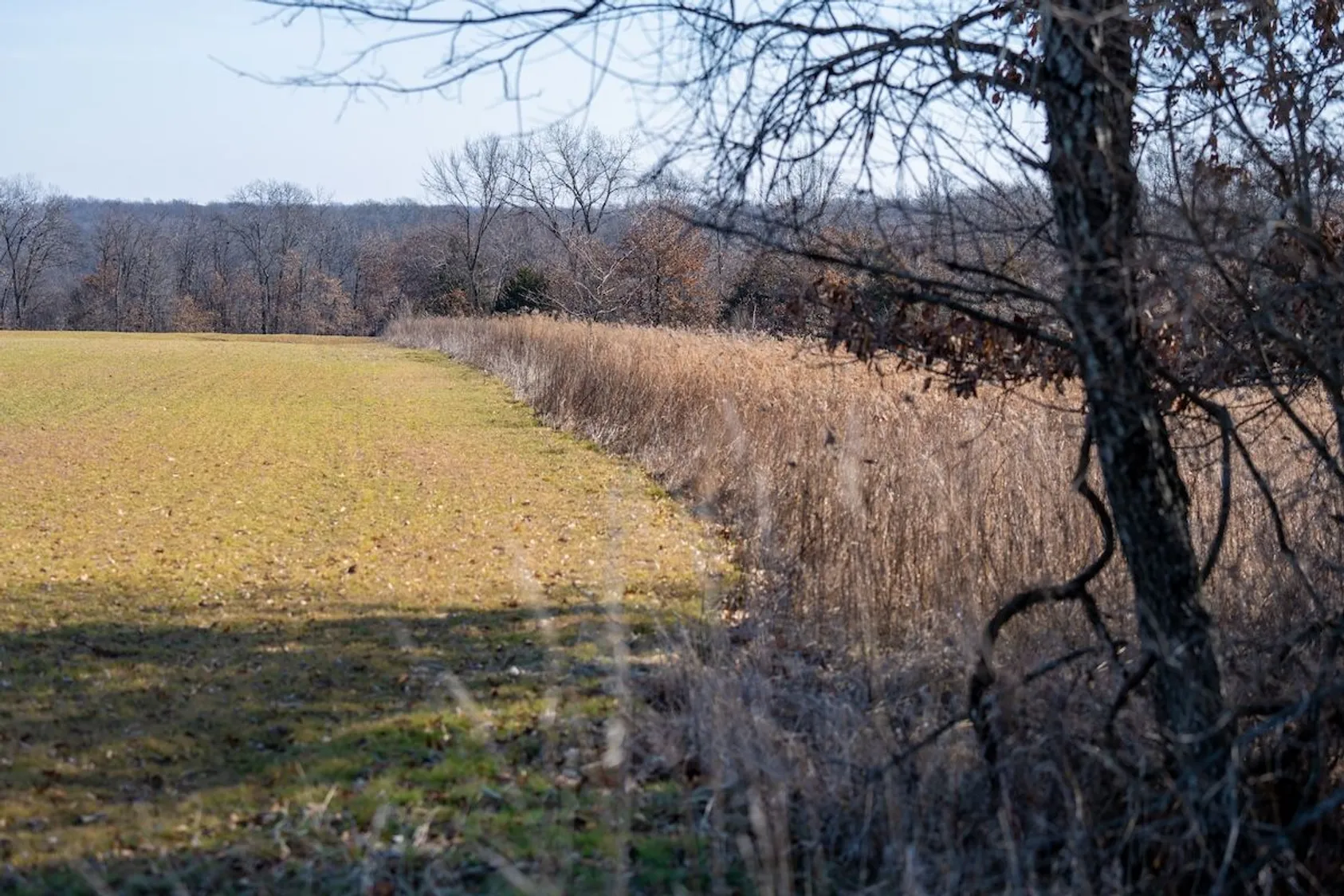
Planting cover crops is multi-faceted. Of course, the planting process varies by plant species. That said, most are broadcasted (over-seeded) or drilled in.
After the cover crop grows, and it’s time to prep for spring planting, do you harvest the cover crop? Do you disc it in to boost the soil organic matter? Or do you use a no-till-drill and plant right through the standing stalks?
Wallace says he’s never disced it. Instead, he recommends harvesting wheat. Otherwise, you can allow the cover crop to die off and fall back to the ground, which also boosts soil health. Then, once time for spring planting, plant your spring crop right through the cover crop.
Some cattle guys will harvest it, bail it, and then plant through it with a no-till,” Wallace said.
Improved Yields After Cover Cropping
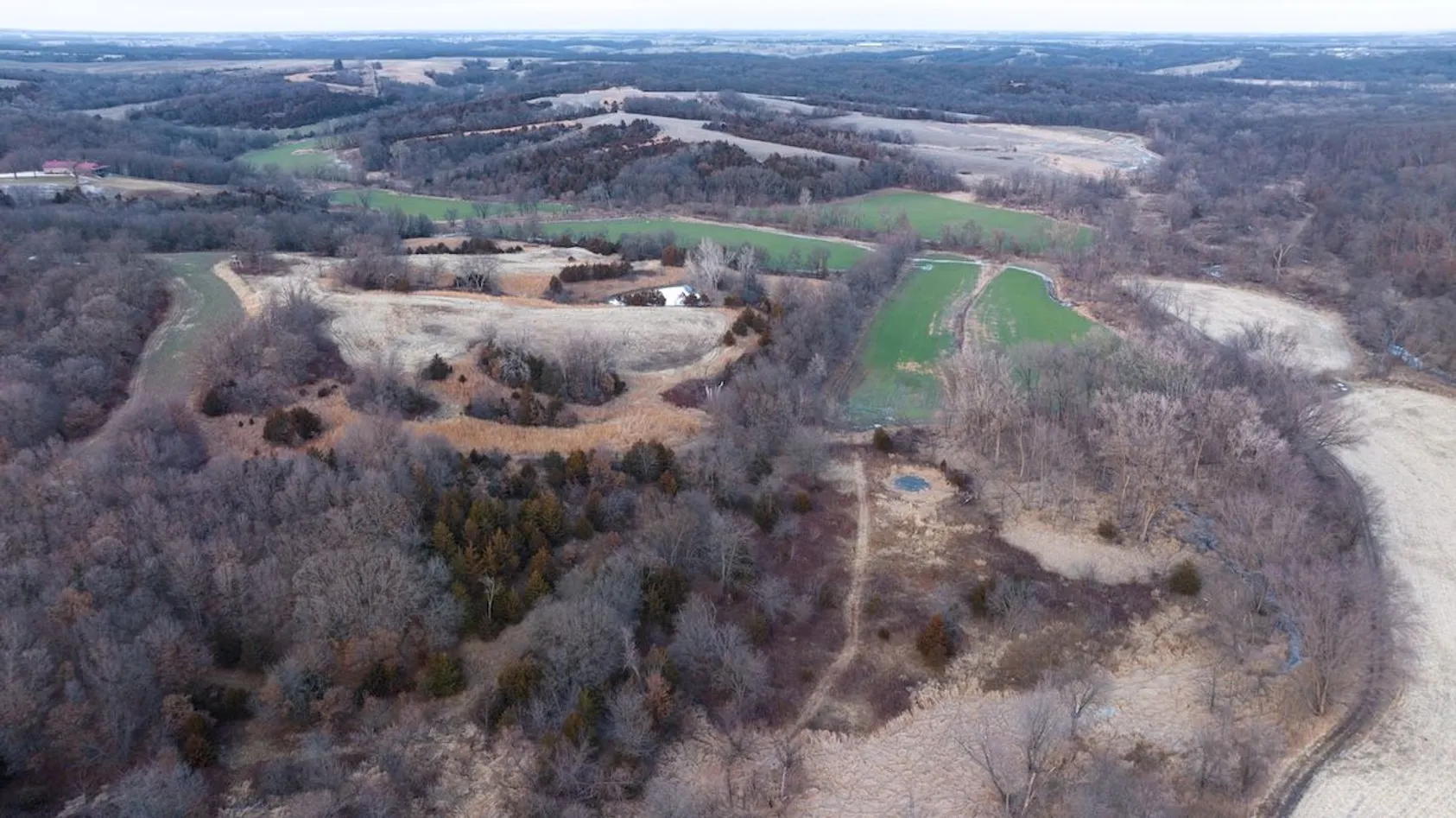
Don’t believe the lie that cover crops offer no measurable return on investment. Wallace encourages people to measure how much a cover crop can improve their main crop yields.
We have gotten between three and four extra bushels of soybean yield the following year just by planting cover crops,” Wallace said. “We piddled around with it a bit, and you know, as long as the juice is worth the squeeze, and the calculations are right, I think you're doing yourself a favor.”
Overall, Wallace urges landowners to hold that soil together. Keep the soil fertility up on your farm. Plus, retain the all-important data so you know the yields from year to year.
You can even hire somebody else to custom do that,” Wallace said. “They’ll come in, drill in your cover crop, get it watered in, and let it grow up before that first real hard frost stops the growth.”
Cover Crop Planting Dates
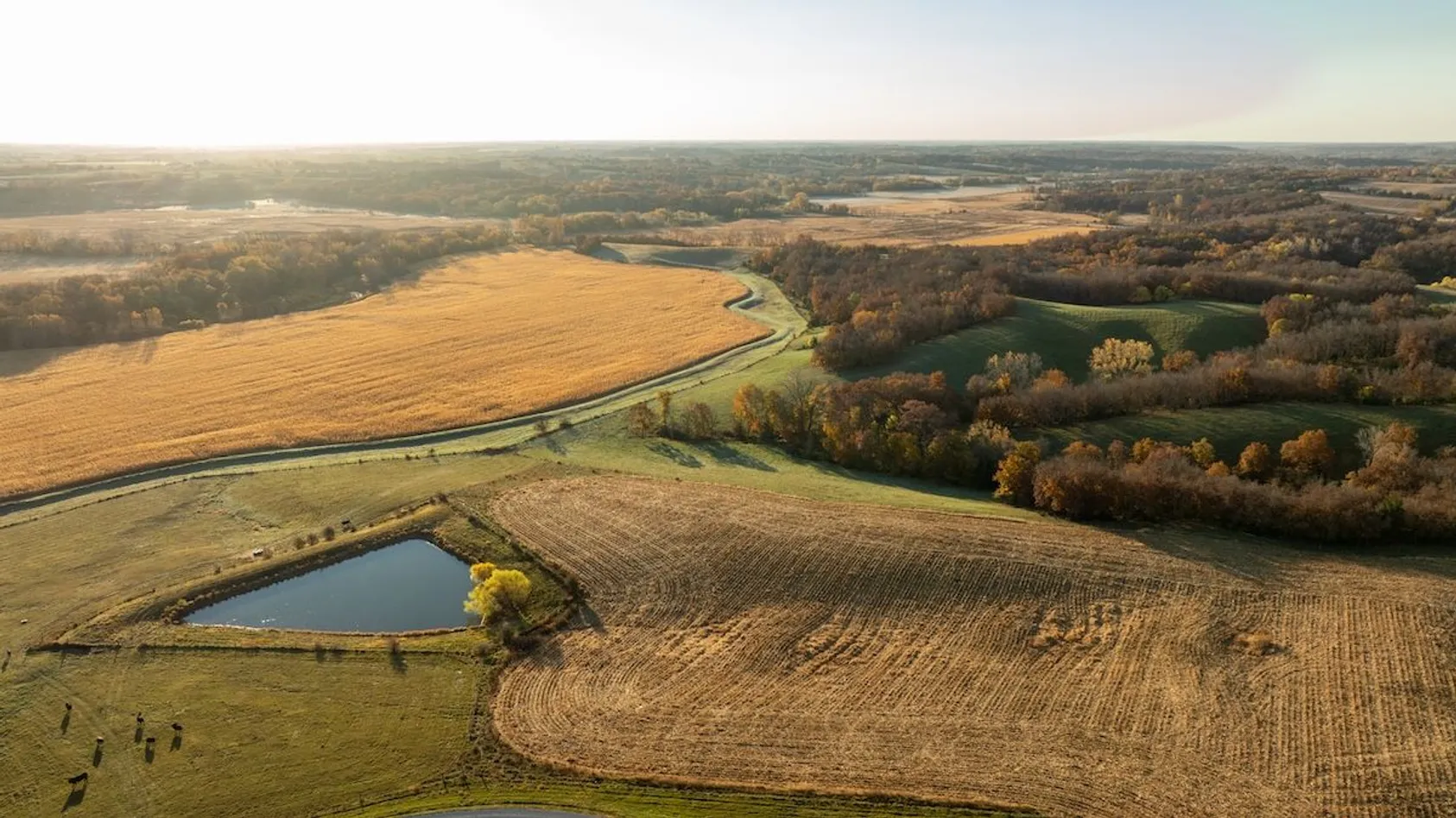
Cover crop planting dates vary by plant species and location. That said, just as with planting spring and summer crops, it’s important to get cover crops in the ground in a timely manner.
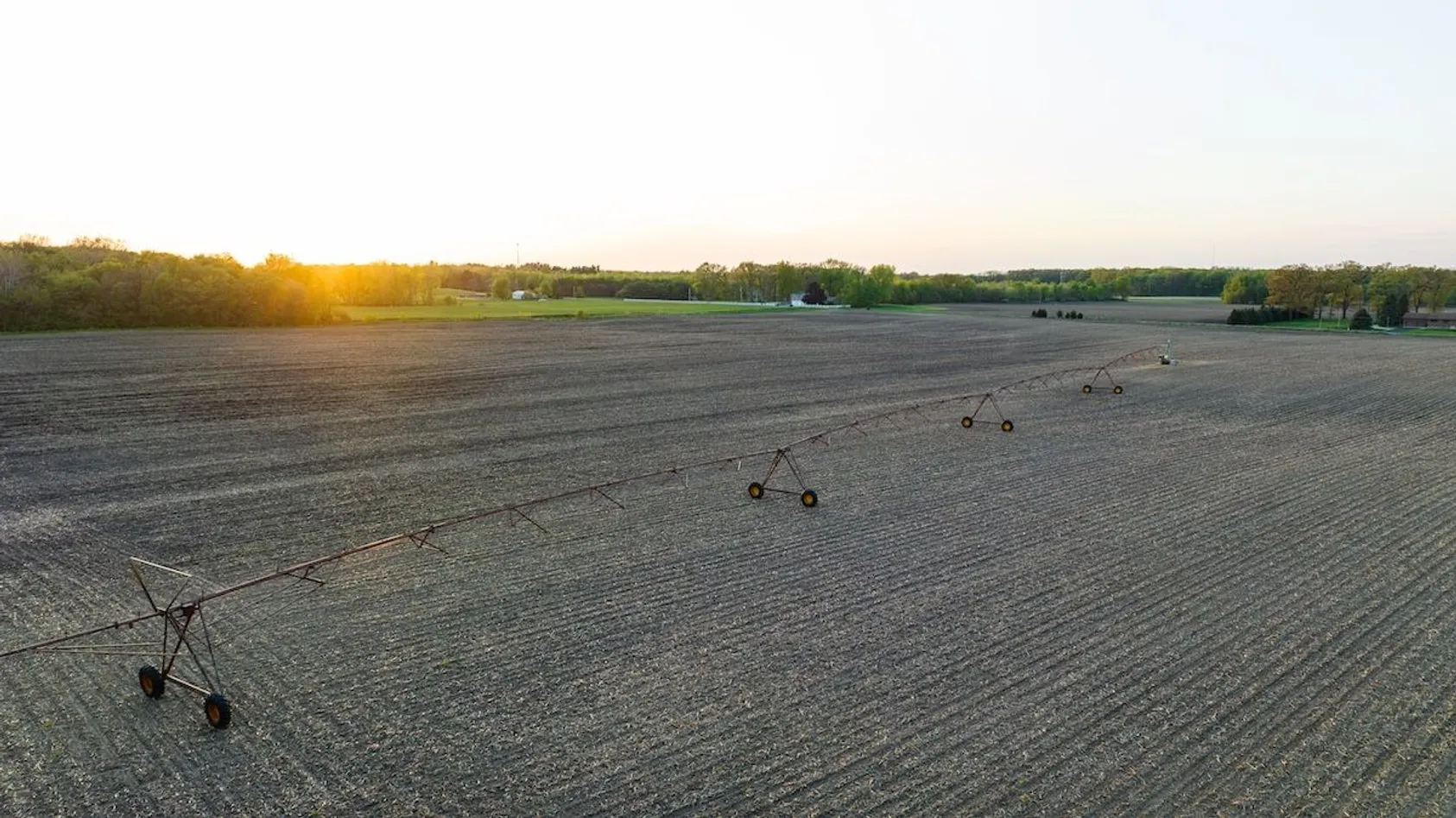
We always tried to get in there as soon as we harvested,” Wallace said. “We rent some stuff out to potato producers. It is almost barren as soon as they harvest. So, the sooner you can get that cover crop on and watered in (we have the luxury of irrigation), the better. In the fall, the sooner you can get that done, the more growing it does before the first real, heavy frost stops that growth.”
Bonus: Cover Crops for Food Plots
Many farmers are also deer hunters, and vice-versa. Of course, cover crops are common among agriculture operations. But the cover crop concept is excellent for fall and winter food plots, too.
For the deer hunters out there, I see a lot of guys plant oats,” Wallace said. “In the wintertime, all this green stuff can be food for deer. To that point, anything you're planting in the ground in the fall that turns green over the winter (cereal rye, winter wheat, etc.), has multiple benefits.”
These can help deer during times when they have access to minimal and continually depleting food sources. Essentially, a cover crop can carry whitetails and other wildlife through the harshest months of the year.
If you don't have a big snowdrop, some of the best winter feed that I've seen was alfalfa sowed with oats, which technically isn’t a cover crop, but those oats (and cereal ryes), over the wintertime, are crucial for the deer herd.
If you're an outdoorsman, you might be doing yourself two favors,” Wallace continued. “No. 1, holding your soil fertility together over the winter with the cover crop. And No. 2, offering some wintertime feed for the deer herd.”