Buying & Selling
Understanding Land Appraisal When Selling Land with Wildlife
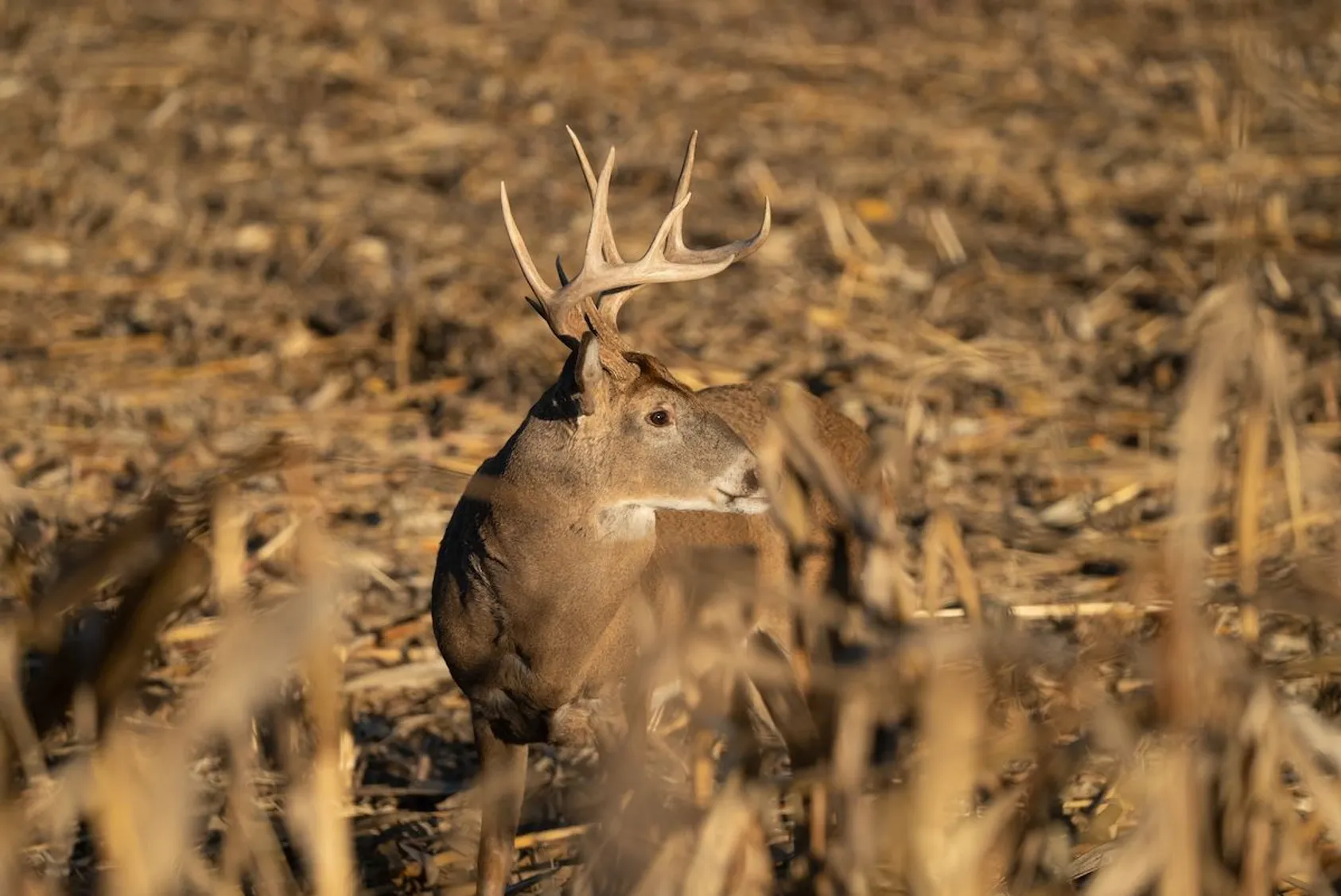
Land is one of the most diverse investments one can hold in their portfolio. While land is a proven asset class, tracts of land can be very different from one to the next. Some are attuned for agriculture. Others are primed for development potential. Still, some properties are ideal for recreational attractions.
With Whitetail Properties, Land Specialists assess the highest and best use of the property — including hunting and wildlife management. They accomplish this by evaluating wildlife and ecological features, not just agricultural or development potential.
So, how is land value appraised? Can you sell land with wildlife as the primary buyer attraction? Do you need answers on how to get land appraised? Read on for all of that and much more.
Editor’s Note: This is not financial, investment, legal, or real estate advice. Consult with a financial planner, investment specialist, real estate lawyer, and real estate professional before buying or selling real estate.
Important Variables in Appraising Hunting Land
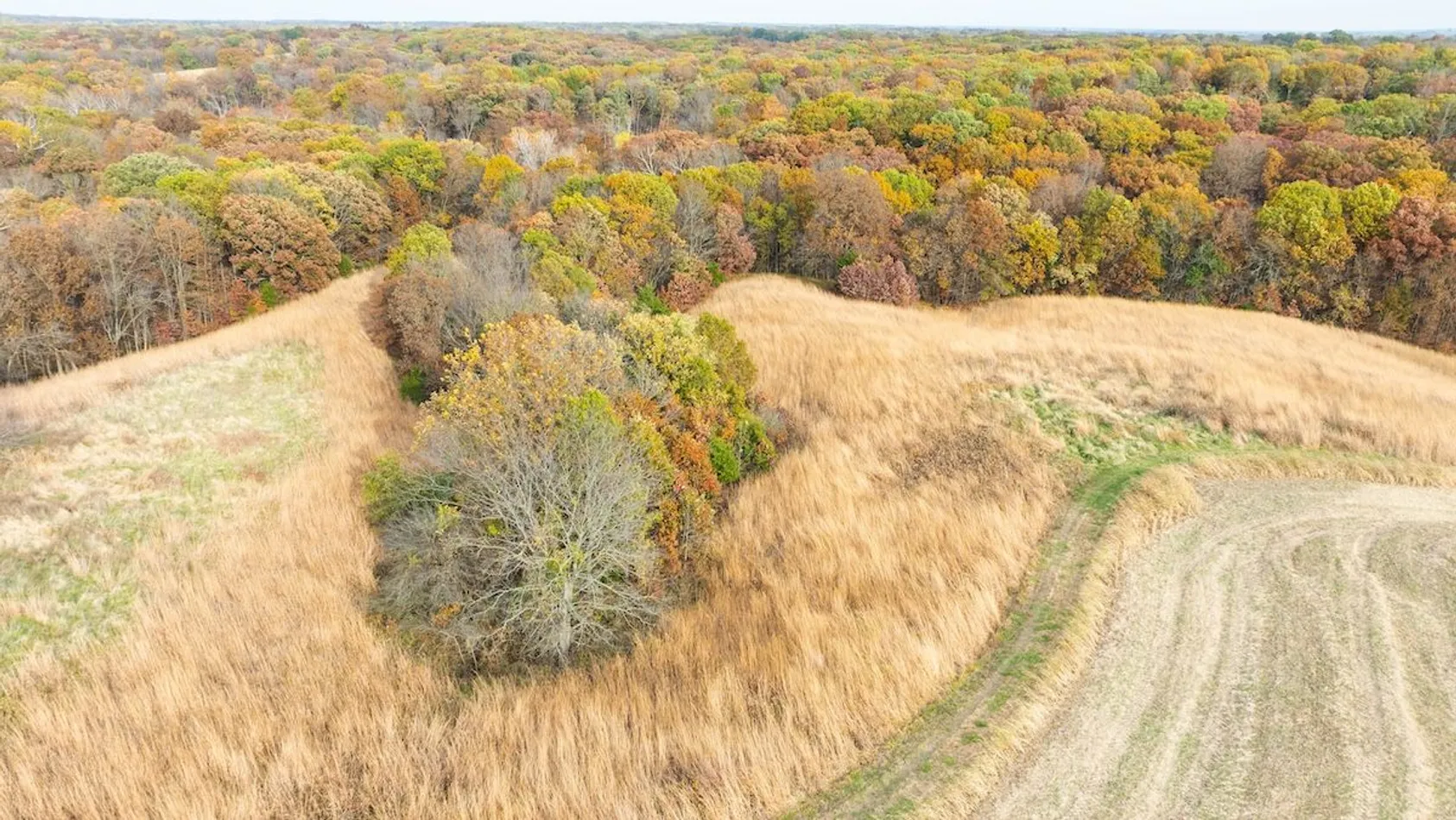
There are numerous factors that influence the value of wildlife habitat. Habitat diversity creates edge cover, which deer prefer. Early successional habitat is a must-have for deer to thrive. Of course, there needs to be established wildlife populations, and scenic appeal enhances buyer interest, too. Obviously, hunting potential factors in, which includes confirmation of bigger deer, a plan to effectively hunt the property, and more. For assistance, either hire a trusted hunting land consultant, and/or talk to a Whitetail Properties Land Specialist near you.
The Adaptability of Whitetails (and Other Wildlife)
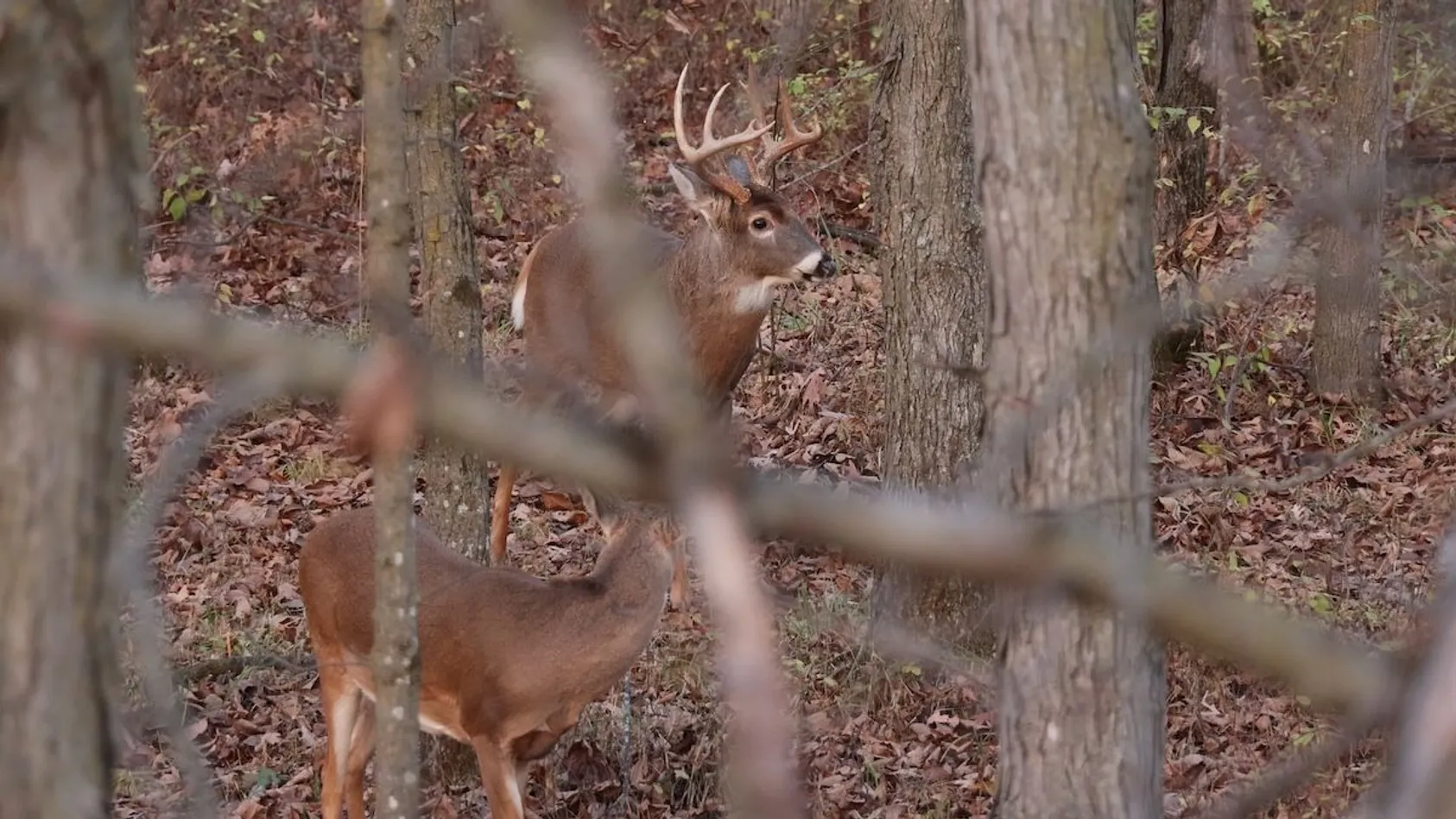
It's a big country, and habitats are very different. All throughout the nation, whitetails are very adaptable. This adaptability is why they're able to live and thrive in so many different various types of habitats.
Whitetail deer inhabit a huge variety of habitats across the United States,” said Katie Graeb, a Whitetail Properties Land Specialist in South Dakota.
For example, here in eastern South Dakota, I’ll have clients from Pennsylvania (or somewhere else in the East). Where they live, they’re used to whitetails living in heavily wooded habitats. They come out, we drive around, and we look at properties. I'll point out tower blinds overlooking cattails, and they just shake their heads and can't believe there's deer in there.”
Graeb says that, in her area, whitetail habitat doesn't typically have a lot of trees. Much of it includes cattails in low-lying areas. If not cattails, it’s long grasses. They bed down in these, and deer sneak through these places unseen. Even so, big deer inhabit these prairies and swamplands. They benefit from the brushy areas, especially in terms of bedding cover and wind protection.
Other Important Wildlife- and Hunting-Related Considerations
Another benefit of working with Whitetail Properties is a firm understanding of hunting regulations. Their knowledge of wildlife laws, and affiliated season dates, tag availability, etc., is exemplary. She also points to the integrity of being open and honest about these things, too.
For example, maybe an aspiring buyer calls about one of her properties. They say, “Wow, this looks like a great duck hunting property.” She’ll ask if they ever duck hunted in South Dakota, or read the associated regulations, before. They say “no,” and she then informs them that South Dakota uses a lottery system for non-resident waterfall licenses.
Work with someone with the integrity to point out how you’re going to be able to enjoy that property,” Graeb said. “Also, we’ll know whether that property has any encumbrances on it, like a conservation easement.”
Is there anything that’s prohibited on that property? Maybe it has a Wetland Reserve Program easement on it. The property might look great as hunting land. But if you want to put up a cabin or hunting camp, and it's totally encumbered by an easement, you might not be allowed to.
If you work with the wrong person, and they just try to slip that under the rug, you're going to be really disappointed,” Graeb said.
Larry Stewart, a Whitetail Properties Land Specialist in Southern Mississippi, points to other key considerations. For example, he recently listed a great property that he calls one of the finest hunting lands he’s ever seen. A mixture of beautiful hardwoods and early successional habitat, plus food plots, interior roads, and more, combine to make it the ideal landscape.
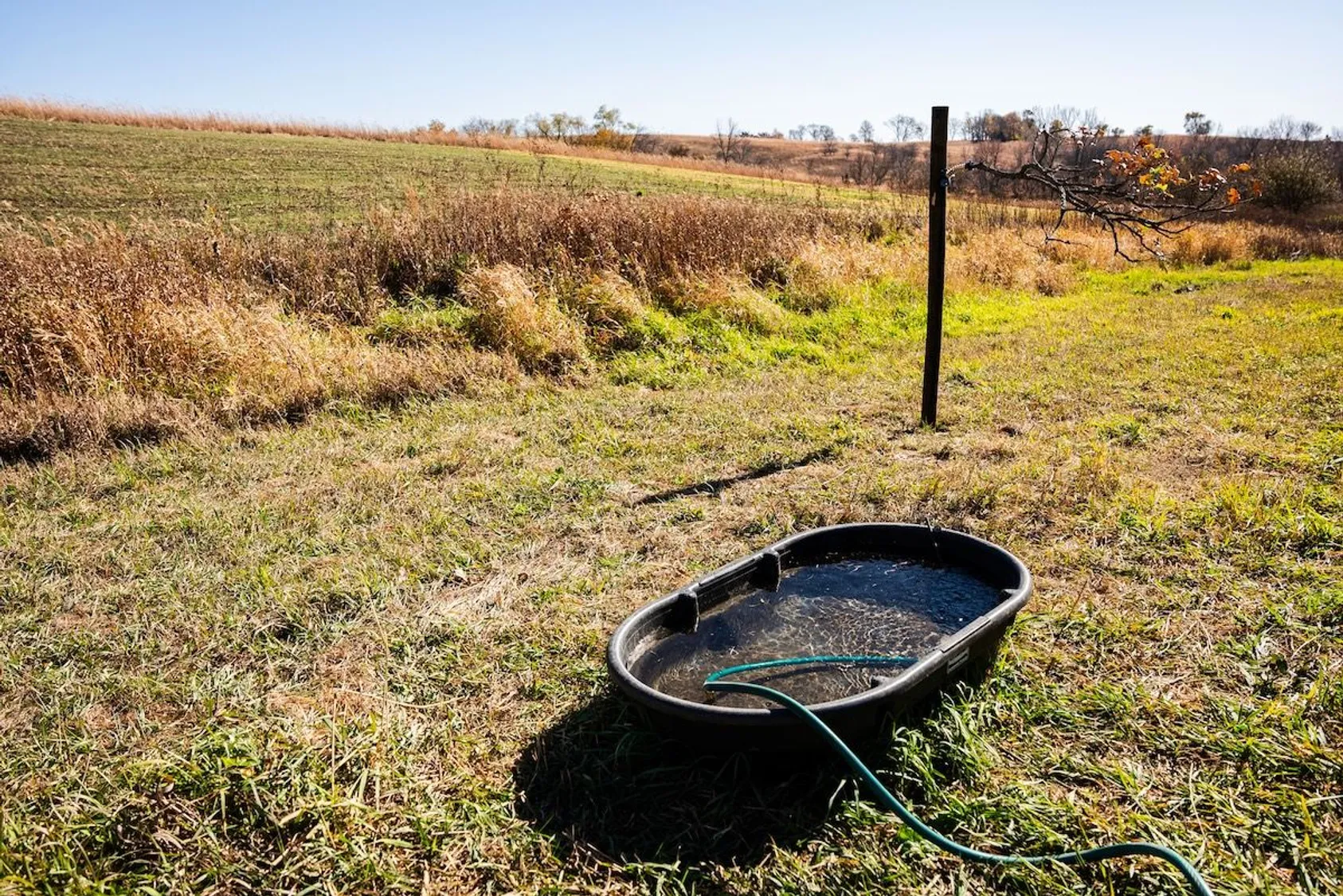
According to Stewart, the mature oaks provide mast crops. The early successional growth can provide up to 1,000 pounds of high-quality forage per acre. Add in water in strategic locations, and it’s an example of prime hunting. These aren’t the only variables, though.
I think neighbors are a big thing, for sure,” Stewart said. “Get to know the neighborhood. Maybe even meet a couple of them before you pull the trigger on a property.”
See if they crowd property lines. Determine what kind of deer they’re shooting. Are they on any management programs? Are they trying to grow bigger deer? These and more are important questions to answer.
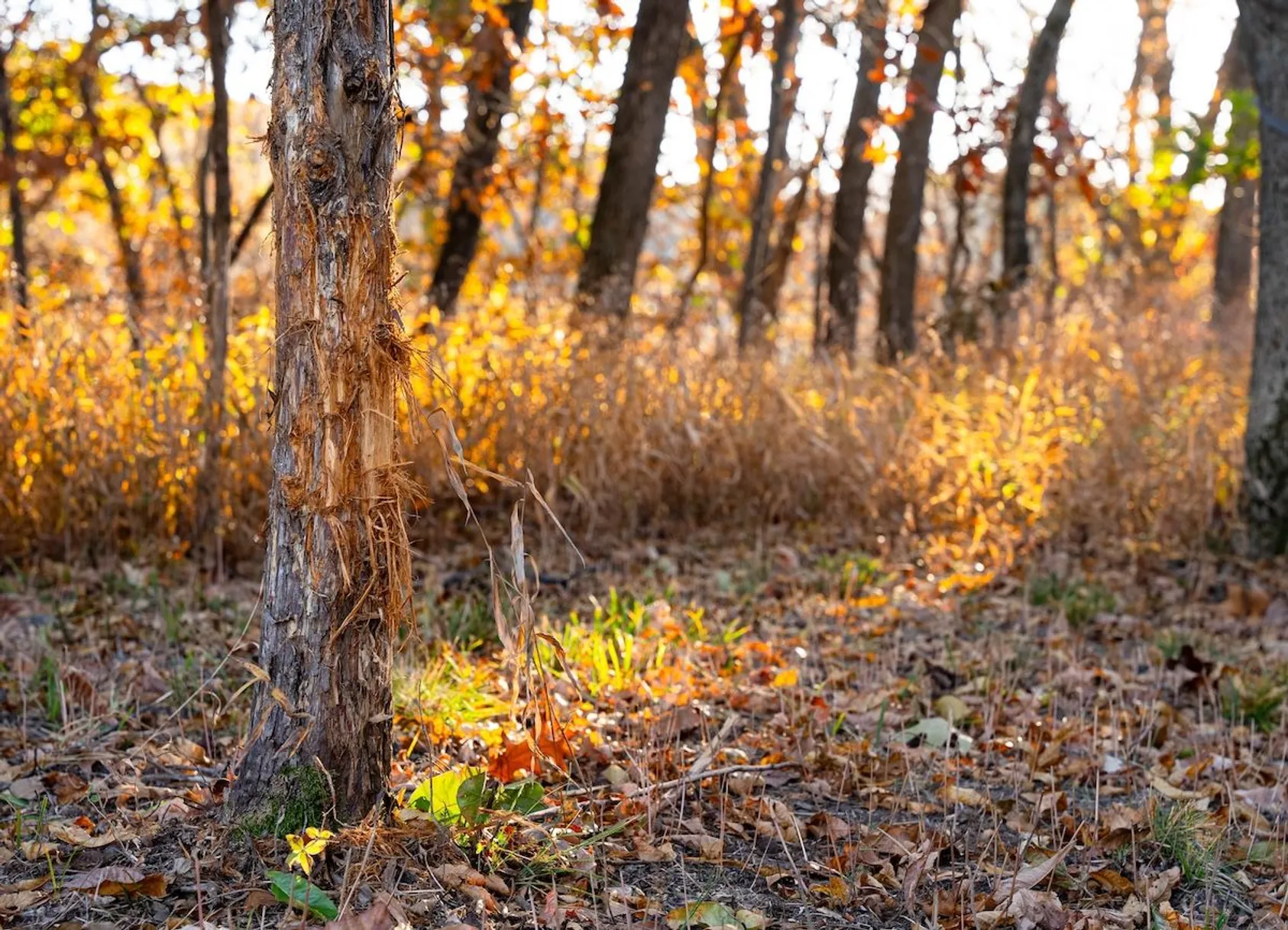
Whitetail Properties Land Specialists Specialize in Hunting Land
It makes total sense for sellers to work with Whitetail Properties. For example, perhaps a seller owns an exceptional hunting tract. Listing with Whitetail Properties makes complete sense, as its agents specialize in recreational land. They can help sellers get the best price possible for the wildlife habitat and hunting value on their property.
We see value in wildlife habitat,” Graeb said. “But I think the unique advantage of Whitetail Properties is our nationwide company. It’s our network of agents with territories across the country that are referring business to one another. We’re able to plug-in a buyer from out of state that is looking for a property in our state. We’re maximizing value that way.
Graeb notes that other agencies are starting to understand wildlife value. That said, Whitetail Properties provides an edge, and a potential boost in sale price, over other agencies that don’t specialize in wildlife and hunting. Even those that have a grasp, rarely offer the help that Graeb and fellow Land Specialists can, though.
Our uniqueness is really being able to reach a national target audience that our competitors don't,” she said.
From the buyer perspective, working with Whitetail Properties gives them a leg up, too. Land Specialists know good hunting properties. They also know where to find available land.
The above stated reasoning that sellers should work with Whitetail Properties are reasons enough for buyers to do the same. The vast network helps connect them with the perfect piece of land for them. With such vast access, it increases the odds of finding the perfect property.
Plus, many buyers aren’t well-versed in the makings of good hunting land. Others are knowledgeable on this for areas and habitats they’re familiar with, but not distant lands and foreign terrain types.
We’re able to recognize what actually constitutes good hunting land,” Graeb said. “A true Land Specialist is passionate about the outdoors. Maybe you're coming from someplace else and you're excited about hunting deer in South Dakota. You've heard it's a sleeper state for big bucks, but maybe you don't know what great wildlife habitat looks like in this state. If you're working with one of us, we'll help you identify a great property.”
Whitetail Properties also understands the finer details and nuances of hunting. In contrast, most other real estate agencies do not.
Here's your access points under different wind conditions,” Graeb said. “Here's how you're able to get to the sanctuary area on the property without blowing out everything. Working with us gives you that edge. We read the local landscape and distinguish great property from mediocre tracts.”
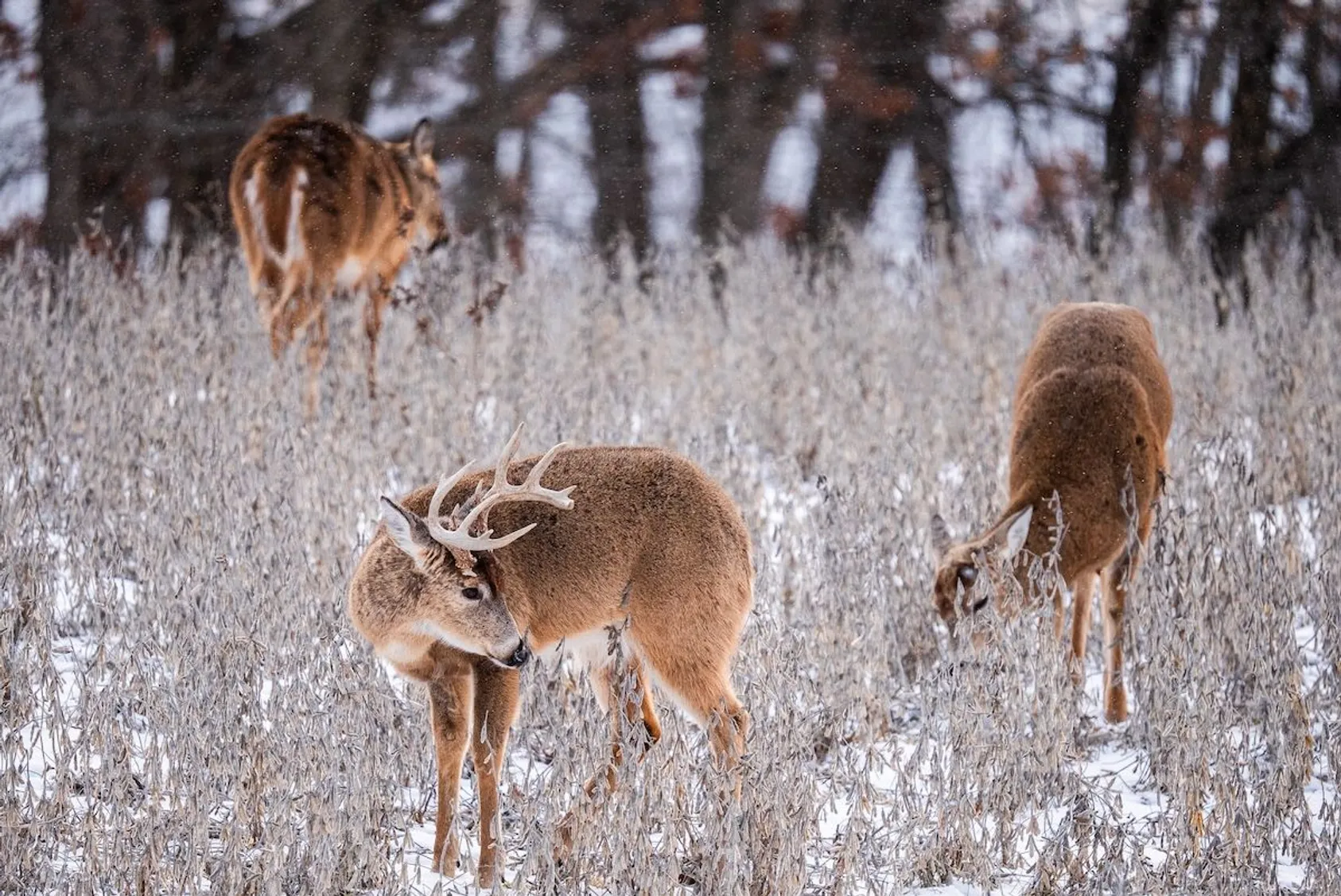
Buyers and Sellers of Hunting Land Should Work with Whitetail Properties
Whitetail Property Land Specialists are trained in each important facet of hunting and hunting lands. Therefore, they can help market a listing the best possible way for sellers. They can also find just the right one for buyers.
If you don't have any pictures or videos to show the potential buyer what you have, the first thing we are going to do is go in there and put out some trail cameras in some strategic places,” Stewart said. “We’ll get some good pictures to show the public the possibilities of the place.”
Stewart points out that, most of the time, a residential real estate agent is certainly not doing that. Thus, the importance of working with a proven Land Specialist.
From the buyer perspective, they should ask Land Specialists to represent them as a buyer’s agent, especially if they aren't as experienced in analyzing a property and seeing its true value.
We specialize in hunting,” Stewart said. “I've been hunting for almost 60 years. If you've been in the woods your entire life, you know what to look for. You know what to show a potential buyer to look for. And you know what to show them to stay away from.”
For example, Stewart recently walked a property with a client. They covered about a half-mile of clay roads. They saw one doe and found only one yearling’s track.
I told him, I wasn’t too sure about this property,” Stewart said. “I wouldn't want anyone to sell me something I wouldn't want to buy. I didn't think it was a good property. I talk about the things I like and don't like.”
That’s the value in working with Whitetail Properties Land Specialists. They possess the integrity, knowledge, and work ethic to make your next real estate move a success.