Buying & Selling
12 Questions Every Texan Should Ask Before Buying Land
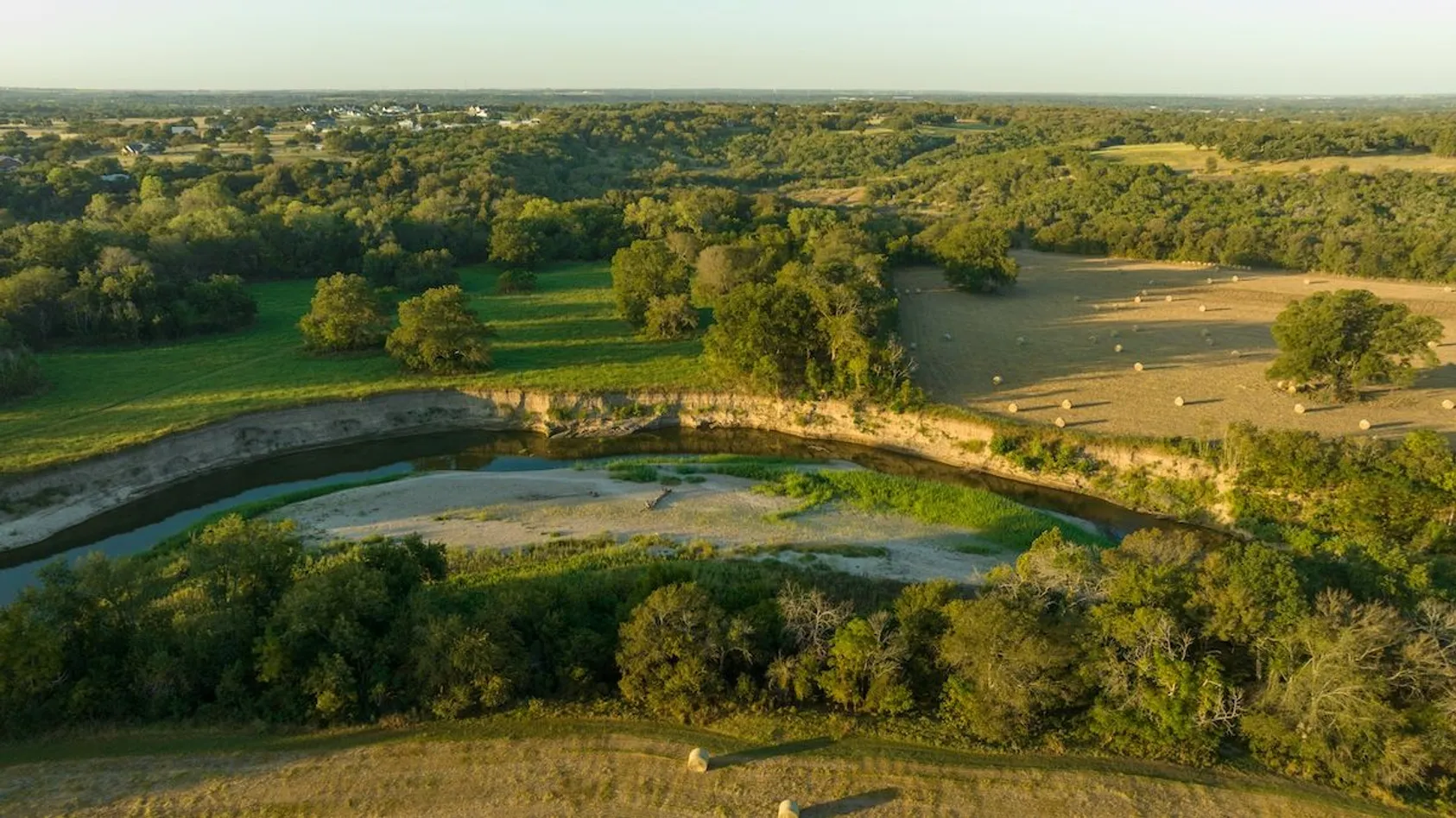
Buying land in Texas, and securing a Texas land deal, can be a challenging endeavor. It’s a highly complicated market, and the nuances are great in number. Those buying land in Texas for the first time should know what questions to ask, and who can help them achieve their goals. Here’s some important points associated with how to buy land in Texas, with questions to ask before purchasing real estate.
Editor’s Note: This is not financial, investment, legal, or real estate advice. Consult with a financial planner, investment specialist, real estate lawyer, and real estate professional before buying or selling real estate.
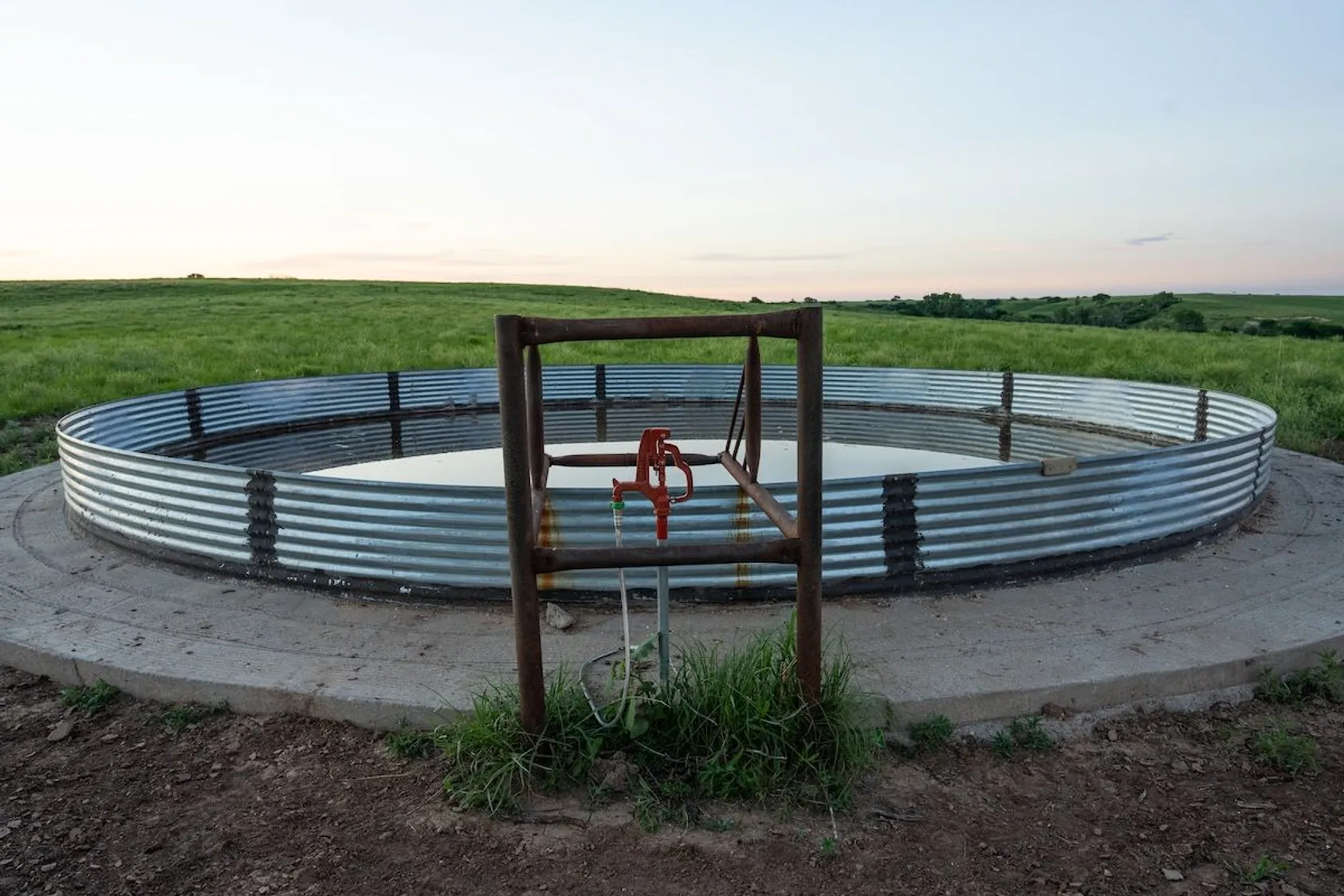
1. What is the water availability?
One of the most important elements of buying land in Texas? Water availability. Always ask about water on the property, including both natural sources, water collection, and available utilities.
The No. 1 thing for Texas is water availability and water utilities in general,” said Colton Hutchins, a Whitetail Properties Land Specialist in central Texas. “The groundwater is very spotty, and in our part of the world, it’s a little different than in East Texas. You can't just assume that water is available, especially if there's not a rural water service where you can get a water meter.
Water availability is typically tied to property values,” Hutchins continued. “You can distinctly tell, when looking at a specific county, you'll see a wide variance in property values. If you look at a water map, there's a strong correlation there.”
2. Does the property have deeded physical and utilities access?
Hutchins points out that, while you might have physical access to the property, doesn't necessarily mean you have utility access. You might have a big, beautiful piece of property that's landlocked. You might not ever be able to build a home, cabin, or anything on it other than solar power, rain catchment, and things like that.
Access — deeded access — is highly important,” Hutchins said. “It drastically affects property value. Typically, properties with easement access are not bringing as much, especially if you have to cross two or three neighbors, or even one for that matter.
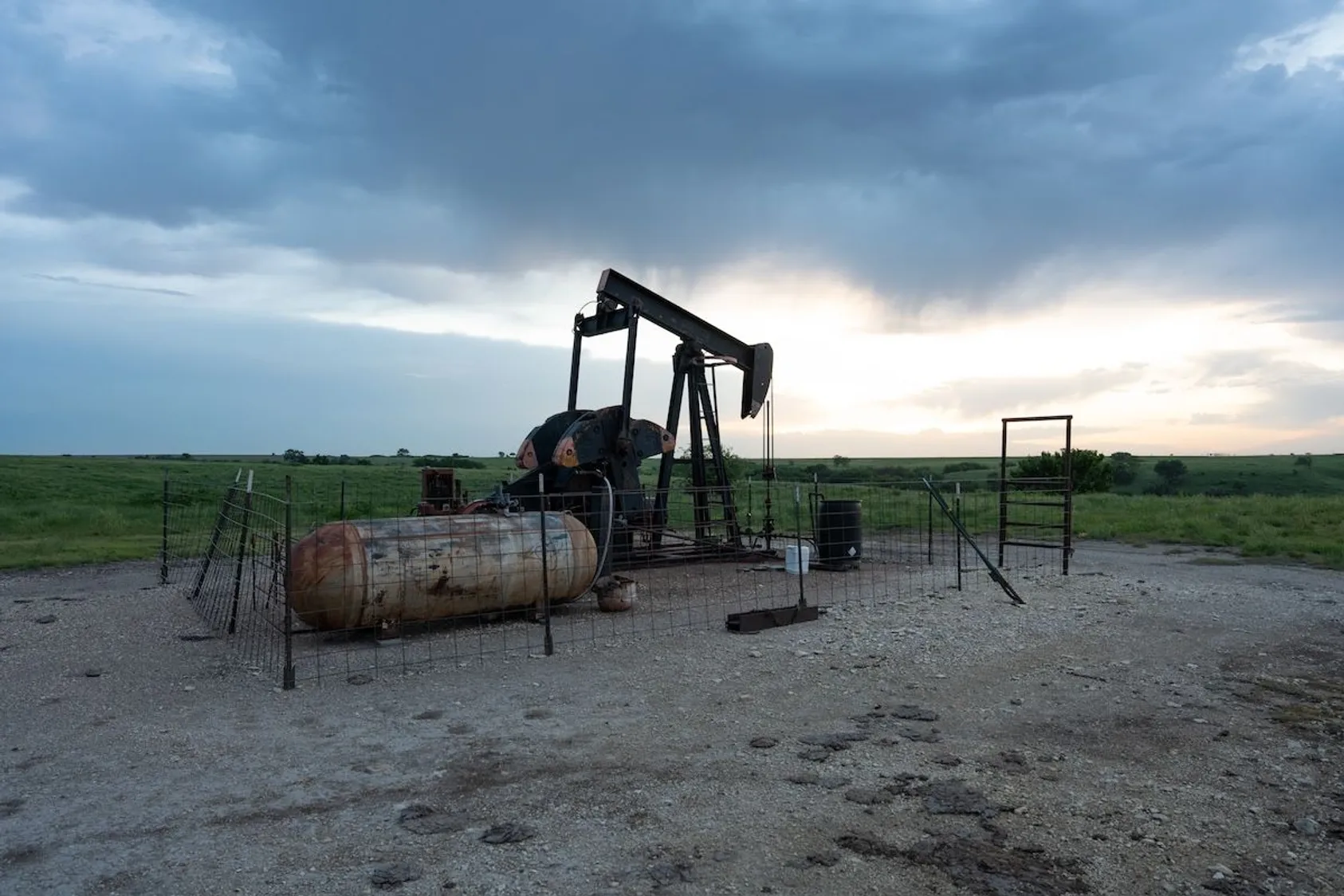
3. Have any rights been severed?
Ask about any potential severed rights. It’s common for Texas lands to already be detached from certain rights that once went with these properties.
In our part of the world, it's really important to ask about the mineral rights situation,” Hutchins said. “Is there active production? Does the property have any current oil and gas leases? Have the wind rights been severed? As more and more wind turbines are being built, that's an increasingly important question. Again, if you have severed wind (or any) rights, that can have a huge impact on property value.”
4. Is there a recent survey?
Always ask for a recent survey. If it doesn’t have one, this can lead to potential issues.
We have a lot of properties that are extremely old,” Hutchins said. “There has been a lot of property change hands without having surveys done. That seems like an obvious one, but having a good survey is crucial.”
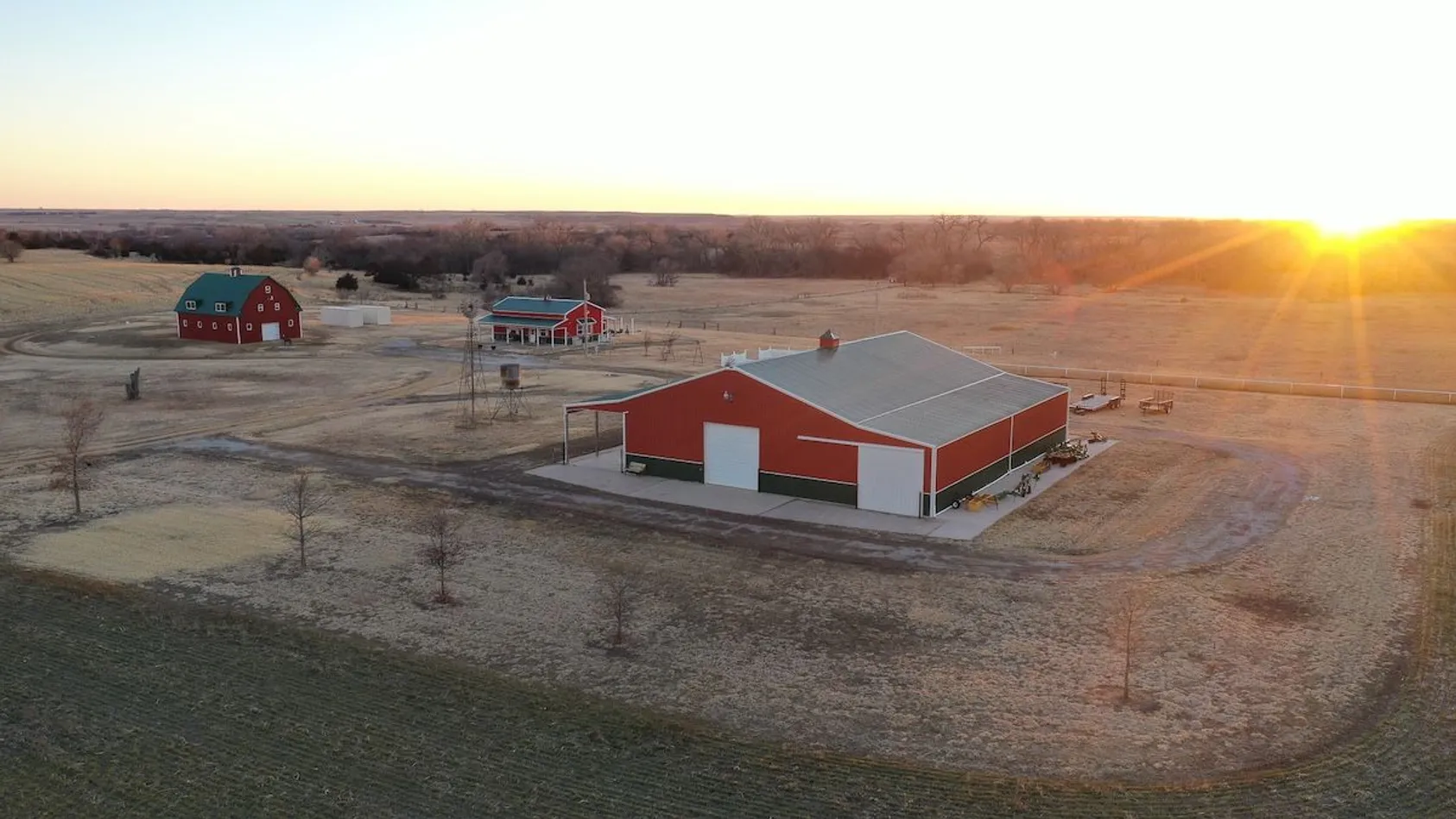
5. How different are property values from tract to tract?
Texas is a big state. From region to region, county to county, and property to property, things can be very different.
Our area is very nuanced, and from county to county, there are micro and macro markets,” Hutchins said. “It's really important to have someone who's knowledgeable about their local market. They must be on the ground, in the community, and understand all the nuances. They can’t just look at it from the 40,000-foot view, or even just a county-by-county perspective.”
6. Are there any current leases on the property?
Are there any outstanding leases for cattle, hunting, or anything else like that?
Ask about the current lease situation,” said Neil Schneider, a Whitetail Properties Land Specialist in Texas. “What does the current lease say? How much time do they have left? And if there is a lease to clarify, what equipment, such as blinds and feeders, convey to the new owner?”
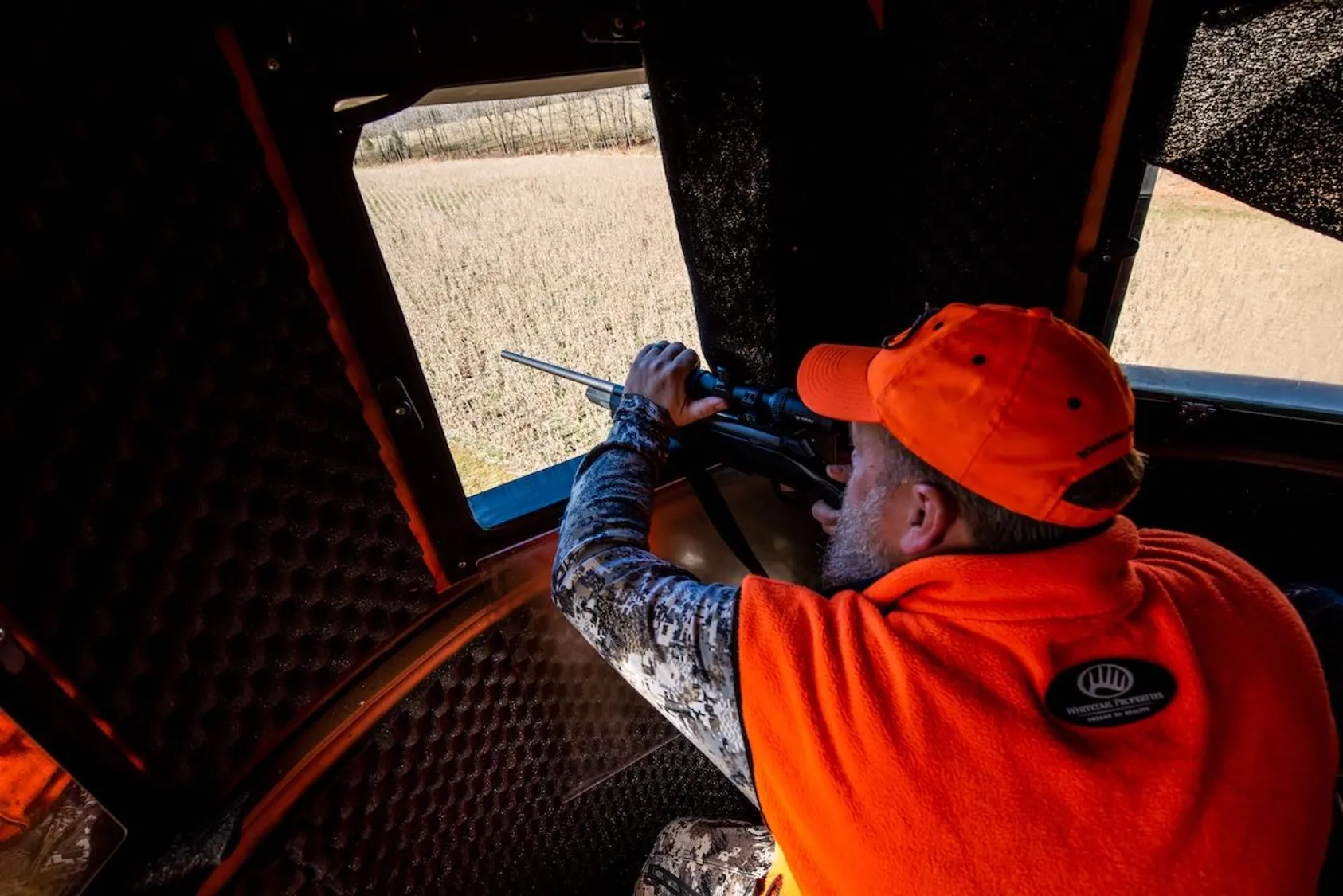
7. Has the property been managed for wildlife and hunting?
How has it been managed for wildlife? What kind of species are on the property? Are there food plots? Have they been feeding protein? Is there a constant water source?
Kathleen Blanks, a Whitetail Properties Land Specialist in Texas, notes these as important considerations.
For waterfowl property, I'd be asking where the low spots on the property are,” Blanks said.” Is it a floodplain? Has it been planted? Can you pump in water? Can you do other management things like that? What would convey on the hunting property, such as deer feeders, deer blinds, waterfowl blinds, water pumps, etc.?”
Furthermore, it’s important to inquire about the quality and quantity of wildlife. I'd also like to know about recent wildlife activity. Do you have anything on camera? How heavy has the action been? How heavily has it been hunted the last two seasons?”
8. What is the standing timber situation?
Some parts of Texas aren’t driven by agriculture or oil. Instead, these markets are entirely driven by timber. Blanks points to the need for accurate and recent appraisals on the property.
So, what's the timber worth? How old is the timber? When was it last planted? When was it last cut? Has it been clear-cut? Have there been any prescribed burns?”
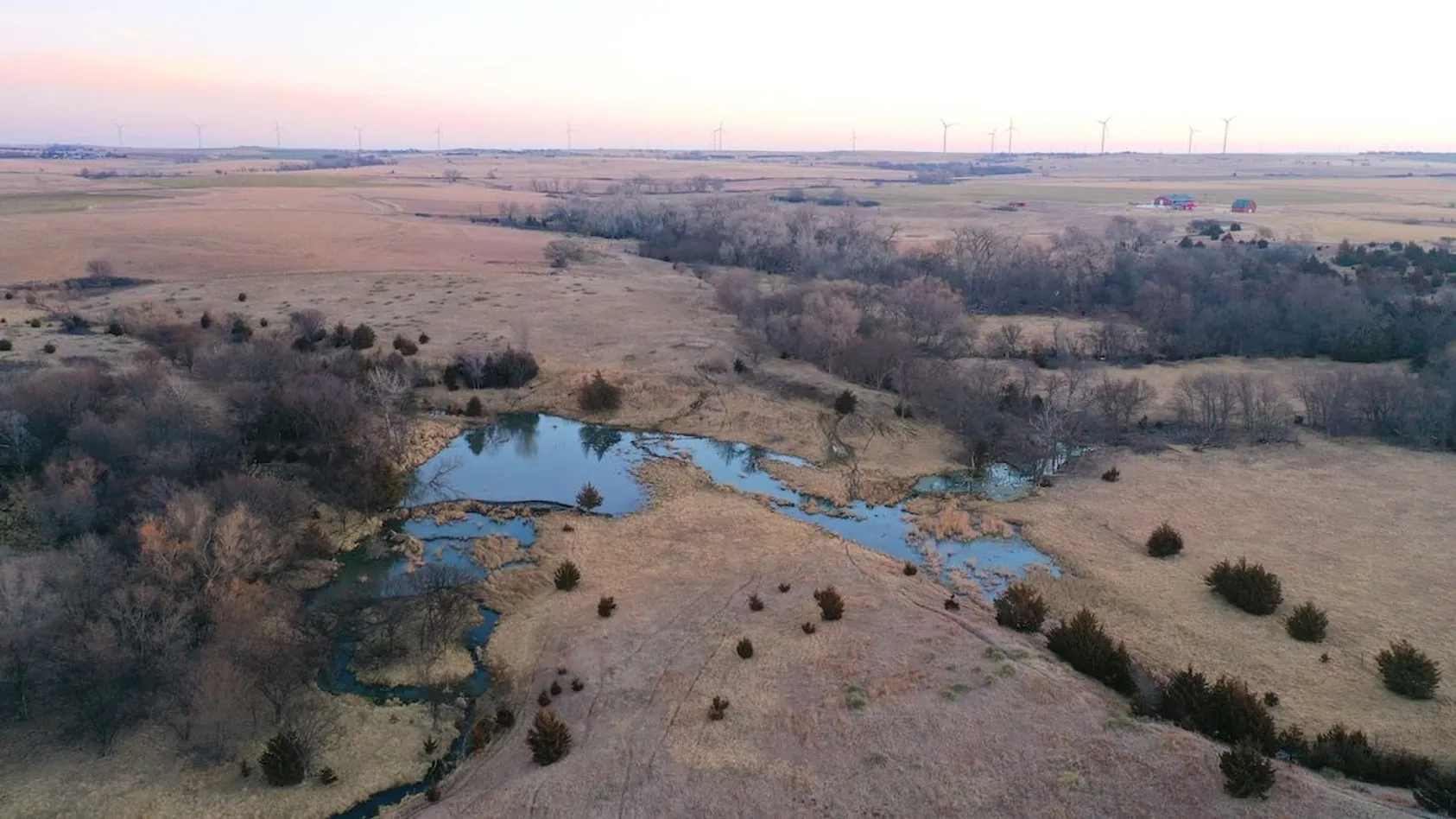
9. Is the property in a flood plain, and are water sources year-round?
Inquire about flooding, especially properties that are close to or within flood plains. Furthermore, ask about seasonal and year-round water sources.
The flood plain is a big one,” Blanks said. “How much of the property is in the flood plain? What area is buildable? With standing water sources, do any of these, even ponds, go dry? Or are they full year-round?”
10. Are there any easements or encroachments?
Potential buyers should also ask about easements that run through the property. It’s also prudent to inquire about known encroachments.
To find out if there is an encroachment, such as fences or driveways, you need to get a new survey,” Blanks said. “Ask for a current survey, if there is one. If somebody put a fence along a property thinking it was on theirs, and it’s taking up a half-acre of the wrong property, that can cause issues. If that neighbor disagrees, or doesn’t accept survey results, it can produce a legal battle.
It can lead to a big fight, especially if they don’t want to move the fence,” Blanks said. “Then, you have to get an attorney involved and go through mediation. If nobody is willing to work with each other, it’s kind of a nightmare. But, as far as encroachments, fence lines are probably the most common that we deal with.”
Barns and other buildings can be of concern, too. Perhaps there’s a barn there, and maybe half of it is over the property line. That could be an issue. Any type of barn, building, or other encroachment with neighboring lands can cause friction.
11. What are the taxes on the property?
Blanks also points to the importance of finer details and additional costs associated with owning the property. What are the taxes? Is it agriculture-exempt? If not, what can you do to get it ag-exempt?
12. Are there any restrictions on the property?
Another factor is checking on potential restrictions on the property. What can I do? What can I not do? How close am I to city limits? Are there zoning issues? Blanks reports these and more as vital questions to consider.
Other Real Estate Questions to Ask
In addition to the above points, it’s important to ask additional questions, too. Some of these include:
- Is this the right location for me?
- What are my real estate needs?
- What will my future real estate needs be?
- What’s the property’s best use, and does it align with my goals?
- What are the current property conditions?
- Are property conditions improving or worsening?
- What’s the current and historical soil quality?
- Is there any existing infrastructure on the landscape?
- How many directions can I access the property from?
- What permits are or will be needed to complete objectives?
- If utilities are accessible, how much will installation cost?
- Are there any expected future development costs?
- How much does my budget allow for?
- What are my finance options for this property?
- What’s the current title clarity?
The above list of questions, both explained and bulleted, aren’t an exhaustive list. There are many other large-scale and nuanced questions alike that potential buyers must ask before buying land, especially in a market as detailed as Texas real estate. Therefore, it’s crucial to contact a reputable buyer’s agent near you. They can assist with the finer details you might overlook.
Contact Whitetail Properties to Find the Right Buyer’s Agent for You
Whitetail Properties has a nationwide team of dedicated real estate agents. Those aspiring to purchase land in Texas should contact a Whitetail Properties Land Specialist that’s located within the target area of interest. They possess the necessary local knowledge to help you succeed within nuanced markets.
Looking to northern Texas, speak with Jared Kennedy. In northeastern Texas, contact Aaron Ablondi, Aaron Porter, Bart Clayton, Cody Robertson, Cody Sims, Hunter Smith, Justin Glass, or Kathleen Blanks. For north-central Texas, speak with Corey Baumann. Those looking for land in northwestern Texas should talk to Jackie Webb. For central Texas, reach out to Adam Strauss, Colton Hutchins, Jonathan Wise, Josh Collier, or Mason Harlow. Those in east-central Texas should work with Blair Matthews or Matt Tyler. Over to southeastern Texas, talk to Jakeb Pennington or Mike Klein. In southern Texas, contact Neil Schneider. Other Texas Land Specialists also include Joey Bellington and Blake Farrar.