Country Living
WRE (WRP) Explained: A Conservation Program Option for Wetland Properties
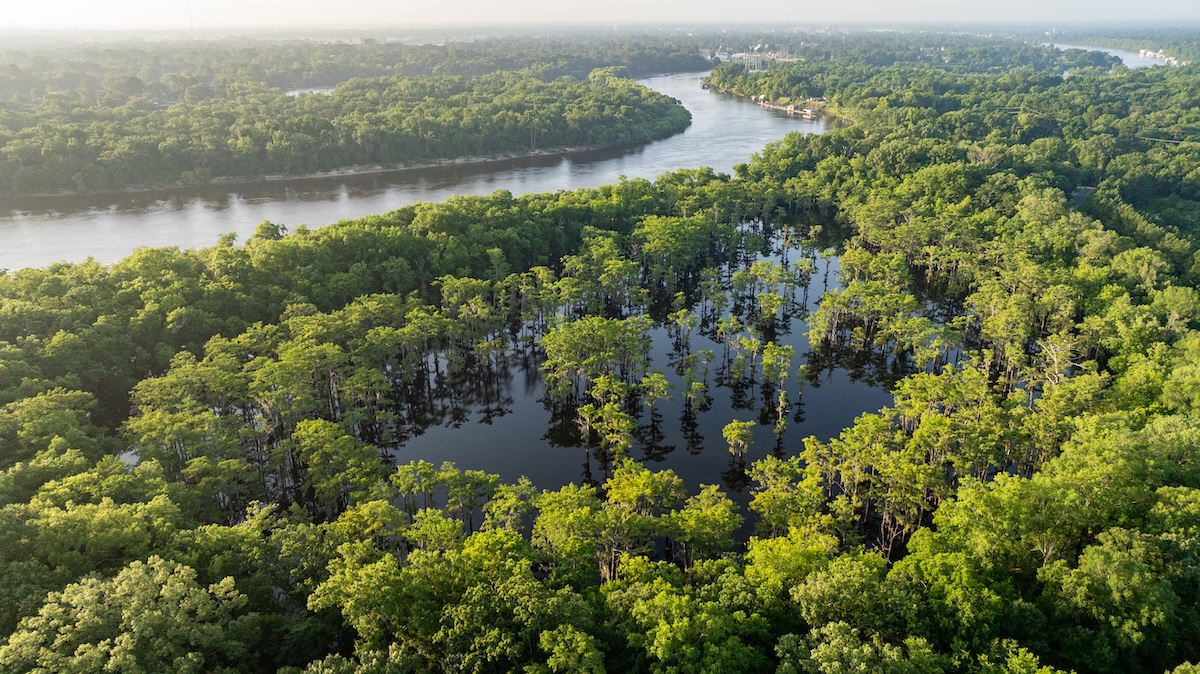
Once called the Wetland Reserve Program (WRP), the modernized Wetland Reserve Easement (WRE) system is a viable habitat program for many landowners. Read on for detailed information on this conservation program option for wetland properties.
Editor’s Note: This is not financial, investment, legal, or real estate advice. Consult with a financial planner, investment specialist, real estate lawyer, and real estate professional before buying or selling real estate.

Reflecting on the Wetland Reserve Program (WRP) and Similar Options
For years, landowners, land managers, and hunters have referred to this program as the Wetland Reserve Program (WRP). The 1990 Farm Bill created this program that landowners voluntarily enrolled in, qualifying properties throughout the nation were converted to this much-needed habitat. For more than three and a half decades, this has created entire ecosystems and optimized acreages for wildlife.
Defining Wetland Reserve Easements (WRE)
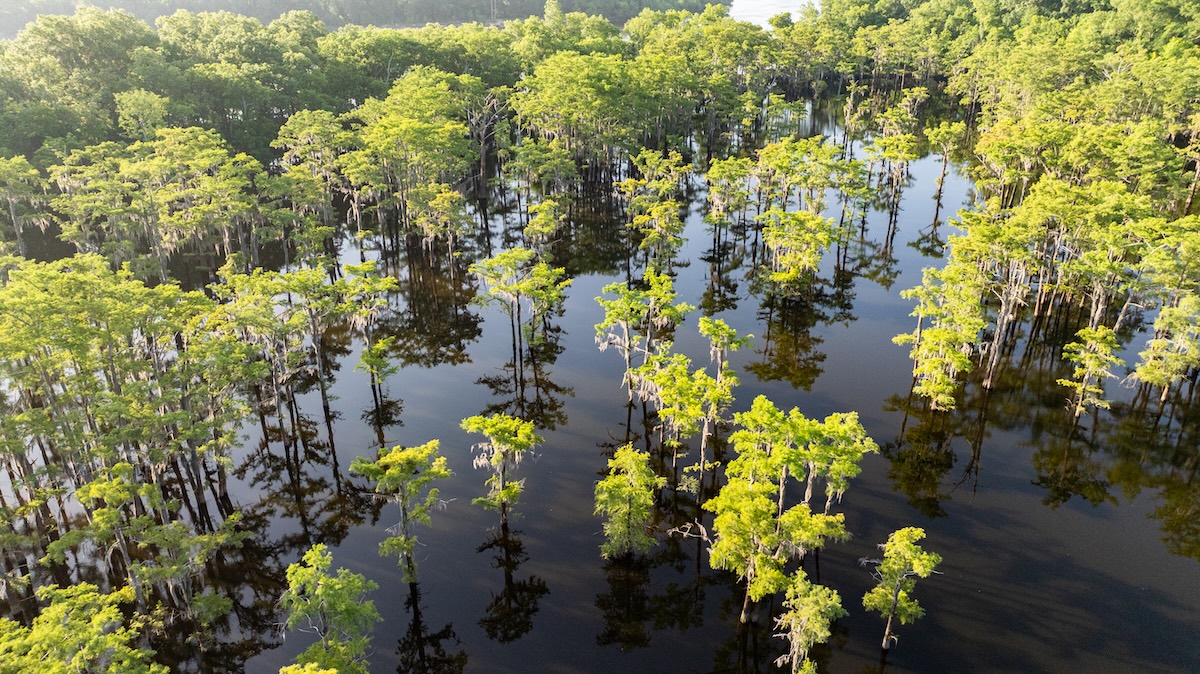
In 2014, the updated Farm Bill changed the long-running WRP. It was changed to Wetland Reserve Easements (WRE) and categorized under the Agricultural Conservation Easement Program (ACEP). Today, new enrollments are managed under this amended structure.
“Some government programs are a great source of income and they're a great way to provide quality wildlife habitat,” said Whitetail Properties Land Specialist Dave Skinner. “Knowing exactly what program the property is enrolled in is critical to ensure you will be able to continue receiving payments and what maintenance requirements you'll have to meet. You can actually make too much money to be eligible for some of these payments and some types of ownership are not eligible for payments. These instances are very rare, but you need to know about it.
“Programs such as Wetland Reserve Easements (WRE) may offer no future payments and may come with a permanent easement on the property that will severely restrict the owner’s rights as well as lower land value,” Skinner continued. “The good news about these WRE properties is you should be able to purchase these at a fraction of what similar non-WRE properties in the area will sell for. Your local NRCS office will be a great resource for information, but don't expect them to give you specific information about the property you're looking to buy without the seller’s permission.”
Eligibility for the WRE Program
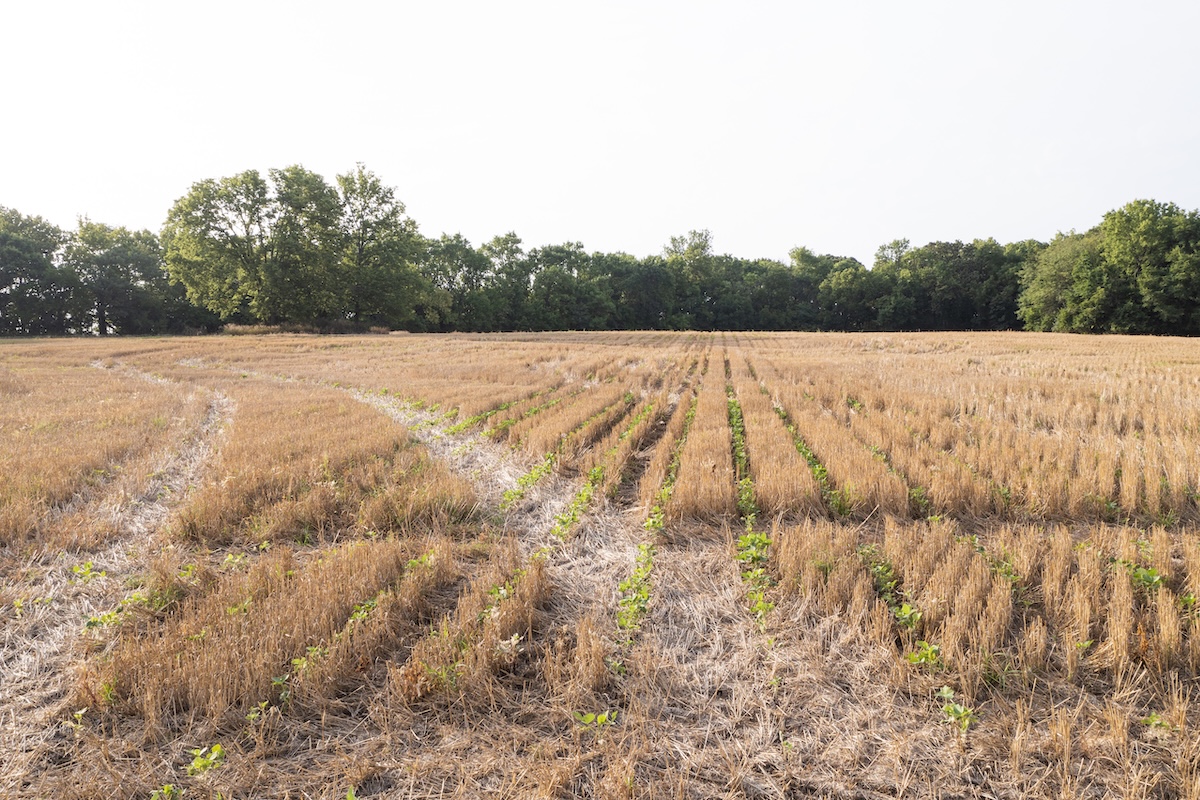
Landowners must prove eligibility prior to enrollment. Not all lands are eligible for the WRE system. Generally, it's restricted to properties closer to waterways, especially larger creeks, rivers, and flood zones. Oftentimes, properties must have been “previously degraded by agricultural uses,” yet capable of “cost-effective restoration.” According to NRCS, examples include:
● Farmed wetlands
● Prior converted cropland
● Agricultural lands with degraded hydrology
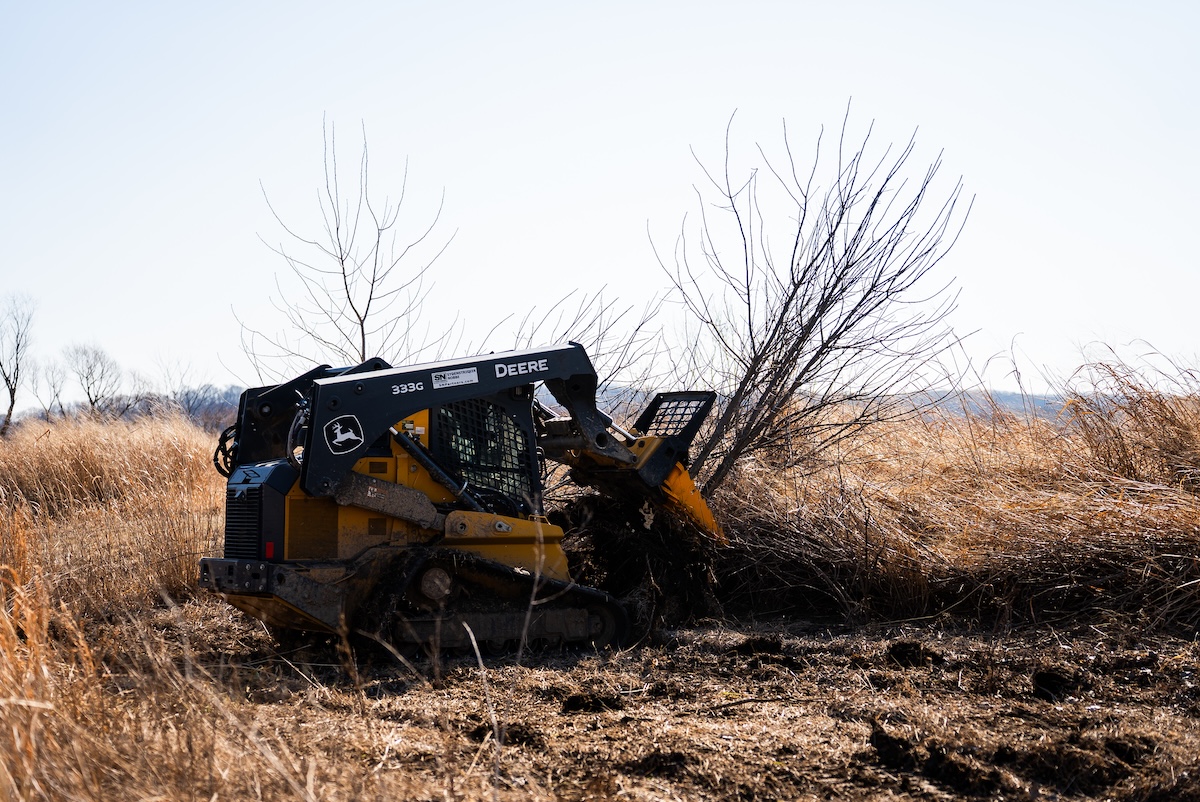
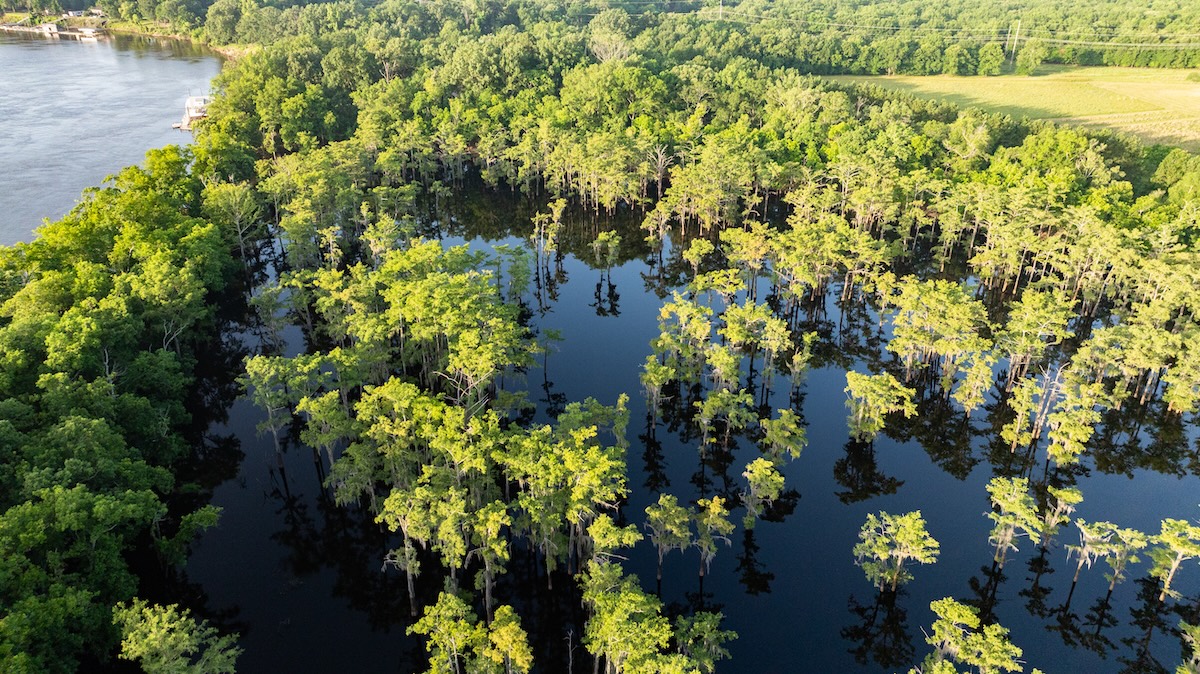
Ultimately, this program converts areas that remain flooded throughout much of the year, and wetter acreages currently being used for crop production, into wetland ecosystems. Landowners trade off crop production for financial payments and assistance for technical tasks. Oftentimes, this results in removal or disengagement of drainage tiles, planting of native grasses (and other species), and a complete return to a natural, native state.
Those interested in the program, and who choose to gauge potential qualification, should reach out to their local USDA Service Center. These locations also handle the application process.
Enrolling in the WRE Program
Enrollment is conducted through a government entity. More specifically, it’s managed by the Natural Resources Conservation Service (NRCS), which is part of the United States Department of Agriculture (USDA).
Generally, landowners select from a list of three agreement types and compensation structures, including term easements, 30-year easements, and permanent easements. Term easements allow for the maximum duration permitted by state law. Per the name, thirty-year easements have a duration of 30 years. Permanent easements last in perpetuity.
“Enrolling land in a Natural Resources Conservation Service (NRCS) Wetland Reserve Easement(WRE)Begins a long-term commitment for both the private landowner and the government,” said NRCS. “NRCS provides assistance directly to landowners and tribes to restore, protect, and enhance wetlands through this program. The Landowner voluntarily limits future use of the land yet retains private ownership. NRCS and the landowner work together to develop a plan for the restoration and maintenance of the wetland. Benefits of WRE can include restoring, protecting and enhancing wetland ecosystems, preventing soil erosion, reducing flooding, developing wildlife habitat including threatened and endangered species habitat, improving water quality, recharging groundwater and protecting biological diversity.
“Before applying for WRE, the applicant should be aware of the easement ramifications and process required before an easement is in place,” NRCS continued. “The Warranty Easement Deed outlines the rights that the government purchased through the WRE process and is recorded and stays with the property for either 30 years or in perpetuity. This means that even if the land is sold the easement cannot be canceled or modified once it is recorded for the term of the easement. This also means that your property will be protected from development and will provide water quality and environmental benefits for 30 years or forever.
Landowner Payouts with the WRE Program
Different enrollment options and structures result in varying compensation formatting. According to the NRCS, term easements have greatly varying payment structures depending on the exact duration of enrollment, quality of the land, etc. For 30-year easements, the NRCS pays 50% to 75% of the permanent easement value plus 50% to 75% of the habitat restoration costs. With permanent easements, the NRCS pays 100% of the permanent easement value and covers 75% to 100% of habitat restoration costs.
Common Misconceptions with WRE
As with most government programs, there are many misconceptions with WRE. For example, many should keep the following facts in mind:
● Enrolling in the WRE program does not open the property to public land access.
● Landowners are not required to offer public access.
● Landowners maintain private land ownership.
● Landowners retain the right to passive property usage (e.g.: hunting, fishing, etc.).
● Landowners retain full water rights and water usage.
● Landowners retain mineral rights, but in most cases, no drilling/mining can take place within easement boundaries.
● Landowners retain the right to sell the property.
● The easement remains attached to the deed, even after transfer (selling) of the property.

Buying and Selling Properties in the WRE (WRP) Program
Those interested in properties offering maximum wildlife and hunting value might consider lands that are enrolled, or could be enrolled, in the WRE program. Just take several Whitetail Properties Land Specialists’ comments, for example:
“Maybe you find a quarter section that is made up of 80 or 90 acres of tillable," said Joseph Erb, a Whitetail Properties Land Specialist in North Dakota. “The rest are ponds, cattail sloughs, whatever. North Dakota is very good about water bank programs, or WRP. So, there's another way to generate some income off of that. They actually pay pretty well for those programs.”
“In our territory, as far as the lower 10 counties that I cover, our most affordable ground is in Wetland Reserve Easements (WRE),” said Whitetail Properties Illinois Land Specialists Chad Wilkinson. “Aside from that, if a person doesn't want something with an easement on it, our next most affordable is probably an all-timber property. Not the type that's full of white oak and marketable timber, but something that doesn't have that marketable timber on it.”

Programs Similar to WRE
There are other government programs similar to WRE. Aspiring landowners should study each of these to determine the right option for them.
“There are a lot of conservation programs,” said Brady Bradley, a Whitetail Properties Land Specialist in western Missouri. “I do a lot with state programs, which the actual state has money for. Another program includes the Conservation Reserve Program, (CRP), but that doesn't have the same conservation enhancements. There is the CSP program, which is if you've already done some work on your properties. EQUP is another big one. And Wetland Reserve Easements (WRE) is a great program, which is more of a long-term wetland project. Overall, there are quite a few for landowners to pick from. It just depends on your land and overall goals for the property.”
Conservation Reserve Program (CRP) removes agricultural practices from lands. It reduces habitat loss, erosion, and water quality degradation.
Conservation Reserve Enhancement Program (CREP): Similar to CRP. It focuses on the most important environmental issues. Like CRP, CREP pays money to farmers who pull agricultural practices.
Environmental Quality Incentives Program (EQIP): A widespread program that focuses on air, soil, water, and wildlife quality. In many areas, it’s the “new” CRP or CREP.
Agriculture Conservation Easement Program (ACEP): Provides financial and/or technical assistance to protect land, such as wetlands.
Farmable Wetlands Program (FWP): Improves and protects wetlands and wetland buffer zones in agricultural settings. This program offers annual payments to landowners who permit qualifying properties to revert into historical wetland habitat.
Source Water Protection Program (SWPP): Protects ground and surface water. States receive rankings for priority based on population density and water quality ratings.
Emergency Conservation Program (ECP): Provides funding and relief for properties that have been affected by natural disasters. It also provides funding for emergency water conservation during times of severe drought.
The Emergency Forest Restoration Program (EFRP): This mirrors the ECP program but is more focused on wildlife habitat. The ECP option is more derived toward farmland. EFRP funds primarily go to restore private land with forestland damaged by natural disasters.
Work with a Whitetail Properties Land Specialist Today
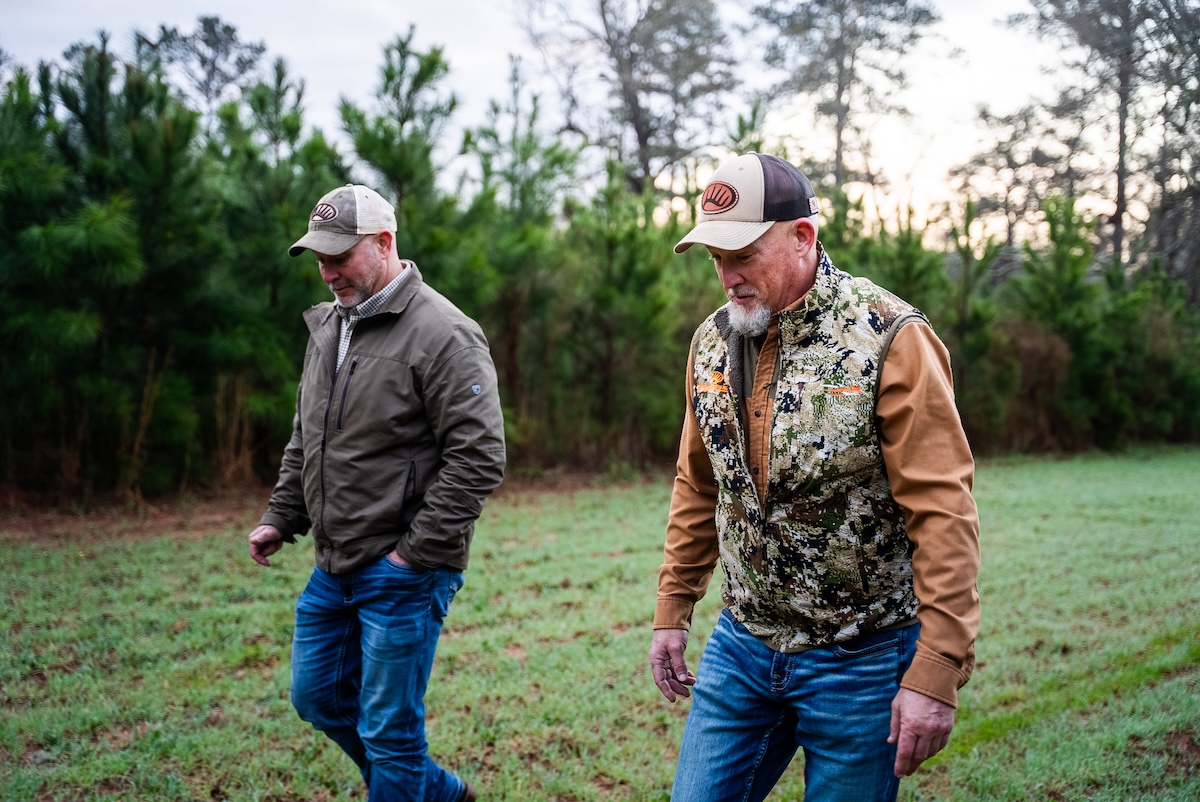
Landowners looking to sell real estate, and aspiring landowners planning to buy property, should contact their local Whitetail Properties Land Specialist today. Our real estate agents are more than that. They fully grasp the market.
“We're focused on land,” said Jeff Propst, a Land Specialist with Whitetail Properties. “We understand agriculture, hunting, and programs through the USDA, such as CRP and WRE, as well as working with the FSA office. We have a deep knowledge of these things.
“We sell houses once in a while, but the only time I sell a house is when it's on a farm,” Propst continued. “I never take a house listing unless a fair amount of acreage goes with it. So, I'm totally focused on selling farms. That's our focus.”